• Skip to main content
  • Skip to primary sidebar
Listen to the Latest Podcast EpisodeAnd We’re Back! Introducing: Diabetes Digital
Food Heaven Made Easy

Food Heaven Made Easy

Black Registered Dietitian Nutritionists | Intuitive Eating Dietitians

  • About
  • Press
    • Diabetes Digital
    • Start Here
    • Podcast
      • Hookup Codes
    • Work With Us
    • Resources
      • Recipes
      • Blog
      • Cookbook
      • Books We Love
    Looking for nutrition counseling with expert registered dietitians?
    Get Started

    Wendy

    Apple Cider Maple Vinaigrette

    November 23, 2012 by Wendy 7 Comments

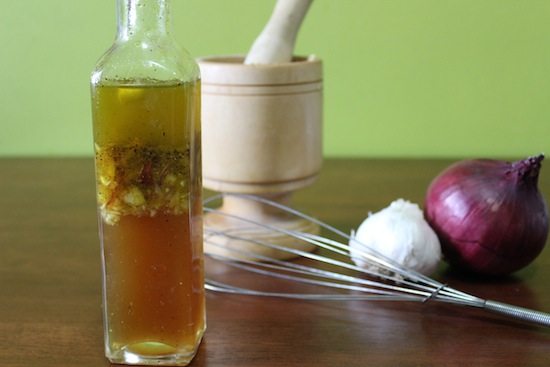
    Throw this classic Apple Cider Maple Vinaigrette in your dressing arsenal.  It is the perfect combo of sweet and sour to appease all of those taste buds.
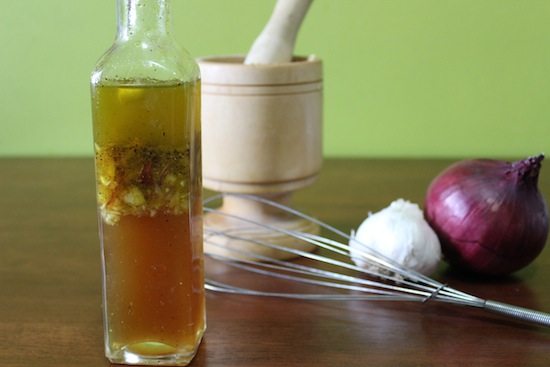
    Turmeric can be quite a potent little ingredient to add into your dressing.  Turmeric lends curry its distinctive yellow color and flavor in this recipe. It is best known for its anti-inflammatory properties that may be used as an herbal medicine for rheumatoid arthritis, cancers, UTIs, and wound healing. It has also been researched to help with digestive disorders.  Turmeric is a potent antioxidant, anti-inflammatory, antimicrobial, and anticancer agent so toss it in where you can for a powerful kick for the immune system.

    The dressing is super easy to make.  Blend your maple syrup, apple cider vinegar, olive oil, turmeric, onions, garlic, lemon, salt and pepper and keep in the refrigerator for up to one week.  

    Make this dressing in advance and have on hand for whenever you are craving a nice crunchy salad.  Did you know that turmeric and other herbs can have such a powerful effect on our health? Let us know what you think in the comments below!
    Print
    Apple Cider Maple Vinaigrette
    Total Time
    5 mins
     
    Ingredients
    • 1/2 cup of maple syrup
    • 1/4 cup of apple cider vinegar
    • 3/4 cup of extra virgin olive oil
    • 1 teaspoon of turmeric powder
    • 1/4 onion, chopped
    • 2 cloves of garlic, minced
    • Juice of 1 lemon
    • Pinch of salt and pepper
    Instructions
    1. Blend all ingredients and store in the fridge for up to 1 week. Enjoy!
    Recipe Notes

    1 serving=1.5 tablespoons

    Filed Under: Spreads, Condiments, Sauces

    Quinoa Stuffed Roasted Tomatoes

    November 12, 2012 by Wendy 2 Comments

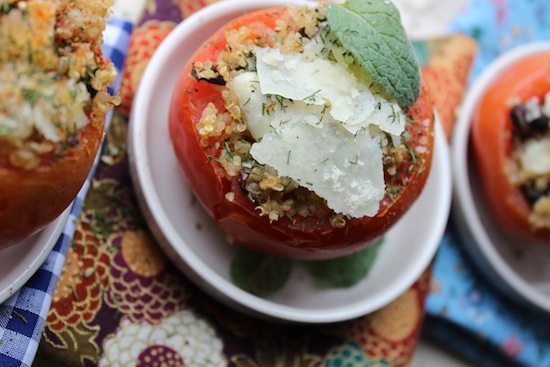
    Quinoa stuffed tomatoes

    Let’s take a little spin from our traditional stuffed tomatoes.  Try out our Quinoa Stuffed Roasted Tomatoes to really switch it up! 

    For all my tomato lovers out there! Tomatoes are a great source of many vitamins and minerals.  They are rich in a phytonutrient called lycopene that gives it the gorgeous color. They are also high in vitamin C and vitamin A.  The quinoa and black bean combo also offer a great source of plant based protein to help keep you satisfied throughout the whole day.

    Quinoa stuffed tomatoes

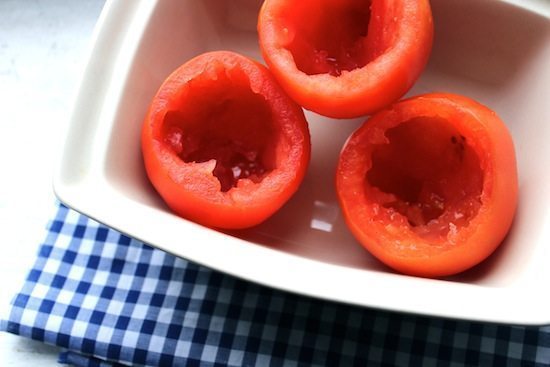
    Not only are these delicious, they are also super easy to make.  First, start by slicing off the tops of the tomatoes.  To de-seed, scoop out the pulp with a spoon for the best results.  Leave about a ½ inch of the tomato for the shell.  Once those babies are cleaned out, flip them upside down on a paper towel to drain. Here’s another pro tip: save the pulp  to make in other recipes such as vegetable stocks, salsas, or sauces.  

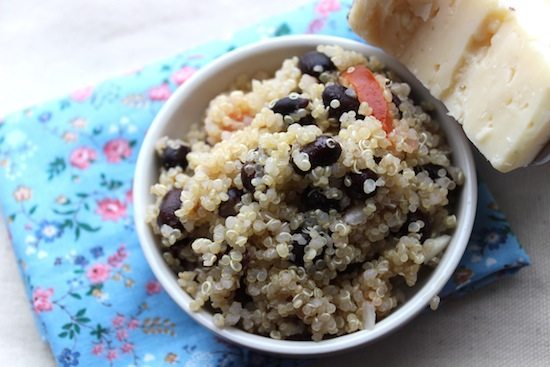
    In a bowl, combine the cooked quinoa, black beans, garlic, onions, lime juice, olive oil, salt and pepper and mix together.  Once it is thoroughly mixed, scoop the ingredients into the tomatoes.  Make sure you really pack it in there! Bake the entire thing in a lightly oiled pan at 350F for about 30 minutes.  Let the stuffed tomatoes cool for 5-10 minutes and top with parmesan.

    Quinoa stuffed tomatoes

    For some extra kick, toss in your favorite herbs.  I love some cilantro in a dish like this! But you can use anything that you have on hand.  Some fresh parsley, basil, anything you have! What are some of your favorite herbs?  Let us know what you think in the comments below!

    Print
    Quinoa Stuffed Roasted Tomatoes
    Total Time
    35 mins
     
    Ingredients
    • 4 large tomatoes
    • 1 cup of cooked quinoa
    • 1/4 cup of cooked black beans
    • 2 cloves of garlic, finely chopped
    • 1/4 cup of onions, finely chopped
    • 1 tablespoon of lime juice
    • 1 tablespoon of olive oil
    • Salt & pepper
    • Shaved parmesan and fresh herbs for topping
    Instructions
    1. Cut a thin slice off the top of each tomato. Scoop out pulp with a spoon, leaving a 1/2-inch shell. Invert onto paper towels to drain. (Store pulps for vegetable stock or other dishes)
    2. In a bowl, combine the quinoa, beans, garlic, onions, lime juice, oil, salt, and pepper

    3. With a spoon, scoop the mixed ingredients into the tomatoes. Make sure they're tightly stuffed.
    4. Bake on a lightly oiled pan on 350F degrees for 30 minutes.

    5. Let stuffed tomatoes cool for 5-10 minutes, and top with parmesan and your favorite herbs!

    Filed Under: Appetizers, Salads, Sides

    The Nitty Gritty on Whole Grains

    October 30, 2012 by Wendy Leave a Comment

    thenittygrittyonwholegrains

    Whole grains contain all naturally occurring parts and nutrients of the entire grain or seed. Whole grains contain 100% of the original kernel, including the bran, germ, and endosperm. Processed grains may have the bran and or germ removed, leaving just the endosperm for use. These grains usually undergo a process of enriching, where nutrients that were lost due to removal of the bran and germ, are added back into the grain to increase its nutritional content.

    Parts of the grain:

    1. Bran: Fiber, B-vitamins, anti-oxidants
    2. Germ: B-vitamins, minerals, protein, healthy oils
    3. Endosperm: Starch, protein, vitamins, minerals

    Why are whole grains processed?

    • Taste
    • Texture
    • Shorter cooking time
    • Longer shelf life

    Why is it important to eat whole grains?


    • When the bran and germ are removed from a whole grain, you are missing out big time on fiber and vital nutrients.
    • Processed grains usually contain just the endosperm, which provides carbohydrates with no fiber. This could increase the rate at which sugar is absorbed by the body
    • Eating whole grains promote the growth of healthy bacteria in the colon.
    • Many whole grains are naturally rich in folate, which helps reduce neural tube defects during fetal development.
    • Research has shown that whole grains vs. processed grains significantly reduce the risk for stroke, diabetes, and heart disease. More recent studies have shown whole grains to be correlated with reduced risk of asthma, reduction of inflammatory disease risk, lower risk of colon cancer, and healthier blood pressure levels.

    How do I shop for 100% whole grains?

    • Look for the term “whole grain” on the label AND on the ingredient list.
    • The terms “whole grain” or “whole” will usually be followed by the type of grain. Examples include whole wheat flour, which is completely different from 100% wheat flour.
    • Don’t be fooled! Look out for “multigrain” and “organic” labels on packages. These products are not necessarily made from whole grains, and may in fact be made with little or no whole grains.
    • Always look at the ingredient list. Below is a guide to help you identify which products are likely to be 100% whole grain.

    YES

    • Whole Grain (name of grain)
    • Whole Wheat
    • Stoneground Whole (name of grain)
    • Brown Rice
    • Oats, Oatmeal
    • Corn
    • Popcorn
    • Corn Tortillas
    • Quinoa
    • Teff
    • Wild Rice

    MAYBE

    • Wheat
    • Semolina
    • Durum Wheat
    • Multigrain (usually describes a mix of whole grains and refined grains)

    NO

    • Enriched Flour
    • Bran
    • Wheat Germ

    In a nutshell, aim to eat whole grains. Next time you go to the supermarket, be more mindful of labels and don’t fall into the “multi-grain” and “organic” traps!

    Filed Under: Articles

    Grilled Eggplant & Chard Sandwich

    October 15, 2012 by Wendy 3 Comments

    Are you looking to mix up your sandwich game? Well, this Grilled Eggplant & Chard Sandwich is definitely the way to do it. 

    grilled eggplant & chard sandwichThis grilled eggplant & chard sandwich is separated into a few different steps.  To start, take one small eggplant and slice it into ½ inch slices.  Mix salt and water into a large bowl and soak the eggplant for 3-4 hours or even overnight.  This will take some of the bitterness off of the eggplant.  After the eggplant slices are soaked, wash them off with cold water and pat them dry with a paper towel.  Mix paprika and olive oil together and lightly coat each side of the eggplant.  Heat up a grill or a pan and cook the glazed eggplant slices on medium for 5-7 minutes.  

    grilled eggplant & chard sandwichStep two is the fun part.  Begin by spreading goat cheese on two slices of toast.  Layer the bread with chard leaves or your favorite leafy green, cherry tomatoes, and sliced of grilled eggplant.  Finish off with a dash of black pepper and enjoy!

    I don’t know about you, but I could eat goat cheese on just about everything.  How do you like goat cheese on your grilled eggplant & chard sandwich? Let us know what you think in the comments below!

    Print
    Grilled Eggplant & Chard Sandwich
    Ingredients
    Part I (Prepping Eggplant)
    • 1 small eggplant, sliced 1/2 inch thick
    • 4 cups of water
    • 2 tablespoons of salt
    • 1 teaspoon of paprika
    • 1 tablespoon of olive oil
    Part II (Making Sandwich)
    • 1/4 cup of cherry tomatoes, sliced
    • 1/4 cup of sautéed chard, made from approx 1 cup raw chard
    • 1 tablespoon of goat cheese
    • 2 slices of toasted whole wheat bread
    • Black pepper to taste
    Instructions
    Part I
    1. Mix salt and water in a large bowl and soak eggplant slices for 3-4 hours (overnight is better). This will draw moisture out of the eggplant.
    2. After eggplant slices are soaked, wash them off with cold water, and pat dry with a paper towel.
    3. Mix paprika and olive oil together and lightly glaze each side of the eggplant.
    4. Heat up grill or pan, and cook glazed eggplant slices for 5-7 minutes on each side over a medium high flame.
    Part II
    1. On toast, spread goat cheese as a base.

    2. Layer bread with chard, cherry tomatoes, and slices of grilled eggplant.
    3. Finish off with a dash of black pepper. Enjoy!

    Filed Under: Main Courses

    Vitamin B12: A Concern For Vegans?

    October 2, 2012 by Wendy Leave a Comment

    IMG_4815

    What is it?

    Vitamin B12 is a water-soluble vitamin needed for cell division, formation of healthy red blood cells, and neurological functioning, just to mention a few. The scientific name for this vitamin is cobalamin, because the vitamin contains the mineral cobalt at the center of its structure.

    How can I get it?

    All vitamin B12 is made from bacteria, and most humans get it from eating animal products. When we eat animal products, B12 is attached to animal protein, and via digestion, our body is able to detach it for storage and use. Most people who eat animal products don’t have to worry about B12 deficiency. This is more of a concern for vegans and people over 50.

    So how can vegans get enough of it?

    There are plant-based foods that are fortified with B12, such as soymilks, soy meats, and protein bars. Look on the labels to see if there is any B12 content in the product. Nutritional yeast, not to be confused with active yeast or brewers yeast,  is a popular choice for many vegans, because it contains a rich source of B12. It is also fortified with B12.

    It is strongly advised that vegans also take supplements to meet daily needs. The best B12 supplements are either chewable or sublingual (dissolves under the tongue) because the body can absorb it more easily.

    Why is it an issue for people over 50?

    Absorption declines with age, because of decreased hydrochloric (HCL) acid production in the stomach. HCL helps our body break down foods, and release nutrients for absorption. It is for this reason that health professionals advise that ALL people over 50 obtain at least half of their B12 from supplements or fortified foods, because the B12 in these products are more easily absorbed than those bound to animal proteins.

    How much of it do I need?

    The recommended daily allowance is 2.4 micrograms for adults. When taking supplements, you should aim to get around 25-100 micrograms because the body will only absorb a small fraction of the entire supplement.


    Filed Under: Articles

    Kitchen Cosmetics With Hey Fran Hey

    October 1, 2012 by Wendy 1 Comment

    In Kitchen Cosmetics, Fran shows us how to add food to our beauty regimen. She uses common kitchen items to make three spectacular products: a deep conditioner, a body scrub and a skin moisturizer.

    Filed Under: Videos

    • « Go to Previous Page
    • Page 1
    • Interim pages omitted …
    • Page 92
    • Page 93
    • Page 94
    • Page 95
    • Page 96
    • Go to Next Page »

    Primary Sidebar

    Search

    Let’s Connect

    Meet Wendy & Jess

    Registered Dietitians & BFF's. We're probably busy eating right now.

    Subscribe to our Podcast

    food heaven podcast

    Podcast Hookup Codes

    food heaven podcast hookup codes

    Meet Wendy & Jess

    Registered Dietitians & BFF's. We're probably busy eating right now.

    • Diabetes Digital
    • Our Story
    • Recipes
    • Resources
    • Articles
    • Contact
    • Policies
    © Food Heaven Made Easy
    In order to provide you with the best service, our website uses cookies. By continuing to browse the site you are agreeing to our Privacy Policy I consent
    Privacy Policy

    Privacy Overview

    This website uses cookies to improve your experience while you navigate through the website. Out of these cookies, the cookies that are categorized as necessary are stored on your browser as they are essential for the working of basic functionalities of the website. We also use third-party cookies that help us analyze and understand how you use this website. These cookies will be stored in your browser only with your consent. You also have the option to opt-out of these cookies. But opting out of some of these cookies may have an effect on your browsing experience.
    Necessary
    Always Enabled
    Necessary cookies are absolutely essential for the website to function properly. This category only includes cookies that ensures basic functionalities and security features of the website. These cookies do not store any personal information.
    Non-necessary
    Any cookies that may not be particularly necessary for the website to function and is used specifically to collect user personal data via analytics, ads, other embedded contents are termed as non-necessary cookies. It is mandatory to procure user consent prior to running these cookies on your website.
    SAVE & ACCEPT