• Skip to main content
  • Skip to primary sidebar
Listen to the Latest Podcast EpisodeAnd We’re Back! Introducing: Diabetes Digital
Food Heaven Made Easy

Food Heaven Made Easy

Black Registered Dietitian Nutritionists | Intuitive Eating Dietitians

  • About
  • Press
    • Diabetes Digital
    • Start Here
    • Podcast
      • Hookup Codes
    • Work With Us
    • Resources
      • Recipes
      • Blog
      • Cookbook
      • Books We Love
    Looking for nutrition counseling with expert registered dietitians?
    Get Started

    Wendy

    Plant-Based Monday: Seckel Pears

    October 30, 2017 by Wendy Leave a Comment

    Plant-Based Monday is here and we’re bringing you seckel pears! How many of you have heard of these beauties? Or used them in recipes? 
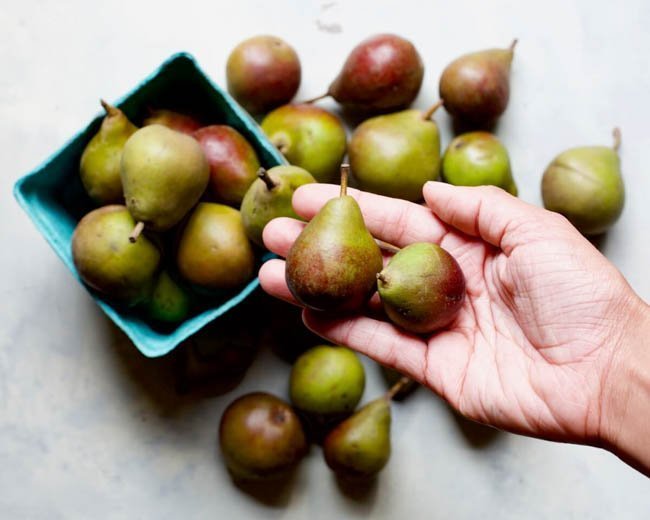
    Seckel pears are super tiny pears with a round body and shorter stem. They tend to be very firm and a little bitter. Seckel pears aren’t as sweet as a lot of the pears you might be used to. This makes them great for baking or canning. They are typically olive green in color but might show some maroon shades as well. The gorgeous color makes them wonderful to use as a garnish or decorative addition to any dish. And to your luck, they’re in season now! These pears are best from August to February.

    To know if a pear is ripe, check the neck of the pear. If it is slightly soft to touch around the neck, it’s ready to go! Store unripe seckel pears at room temperature. Once it begins to ripen, you can delay the process by refrigerating it until you’re ready to bite.

    Pick up some seckel pears from the local farmers market this weekend to use in dishes like:
    • Sweet Beet Immune Boosting Fall Tonic
    • Cinnamon Baked Pears
    • Pear Roasted Carrot and Ginger Quinoa Pilaf
    • Easy Pear Sauce

    Filed Under: Articles

    Roasted Garlic Massaged Kale Salad

    October 26, 2017 by Wendy 2 Comments

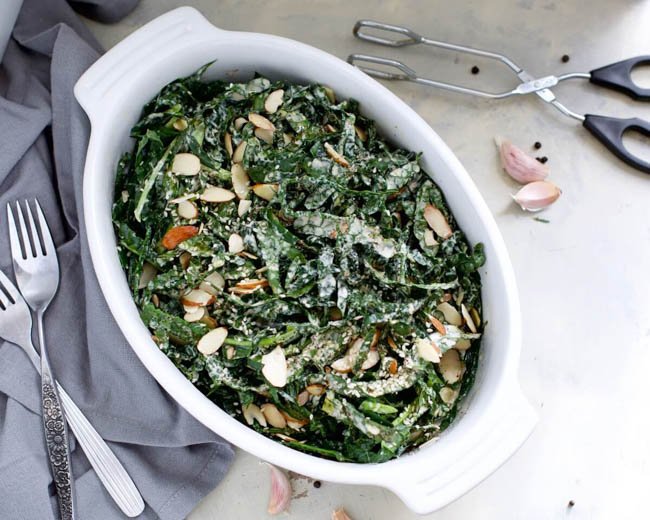
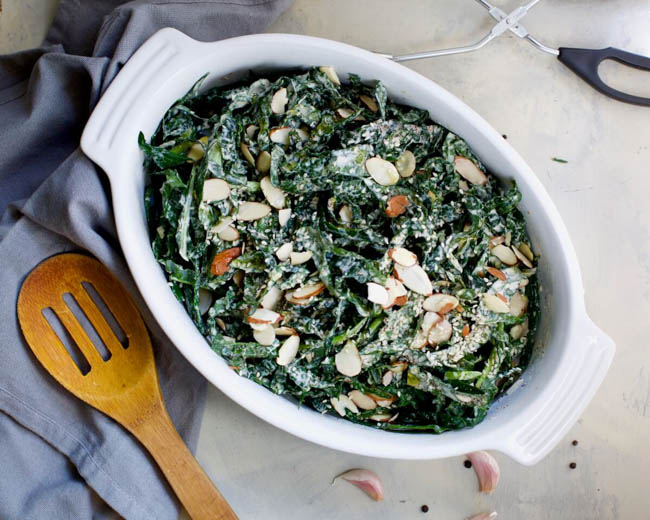
    With holidays on the horizon, this Roasted Garlic Massaged Kale Salad is the perfect addition to a delicious holiday dinner! The creamy combination of tahini and apple cider vinegar in the dressing helps to cut some of the natural bitter kale flavor. We’ll also be using roasted garlic in this recipe to boost the savory factor! Raise your hand if you are equally obsessed with roasted garlic as we are?! Roasting garlic creates this unique golden, buttery texture and flavor that will have your home smelling divine. 

    Yeah, yeah, yeah, we know. You’re probably sick of hearing about kale. But it has really earned its reputation. Kale falls into the category of dark green leafy vegetables. It is a powerhouse full of vitamin K, A, and C, folate, B vitamins, copper, manganese, and fiber. Just one cup of kale provides your daily value for vitamin A and vitamin C for the day.

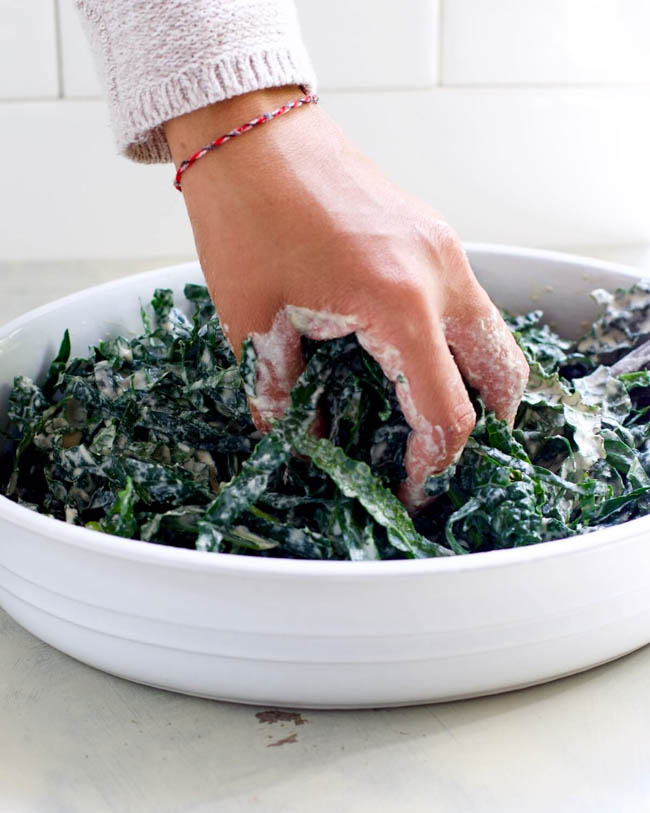
    Raw kale can be a bit of a mouthful. The texture is tough and fibrous, and comes with a kick of bitterness. Massaging the dressing into the kale will soften the kale and decrease some of that bitterness.

    Since we already gave you a preview of what we’ll be doing, let’s go ahead and jump right into it. First we’ll roast our garlic…start by preheating the oven to 400F. Chop about 1/4″ from the top of the garlic head, exposing the cloves. Add this to a sheet of aluminum paper and drizzle 1 teaspoon of olive oil over the exposed head. Cover with the aluminum and bake for 25-30 minutes, or until the garlic is tender. Allow to cool, and remove the garlic cloves from their skins. Set aside for use in the dressing. 

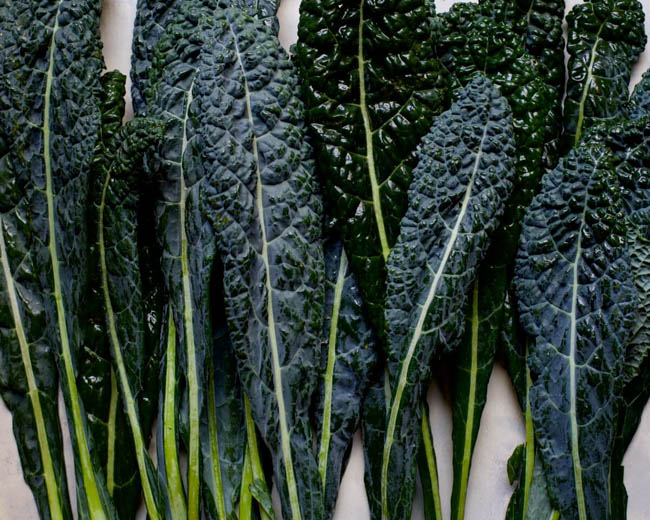
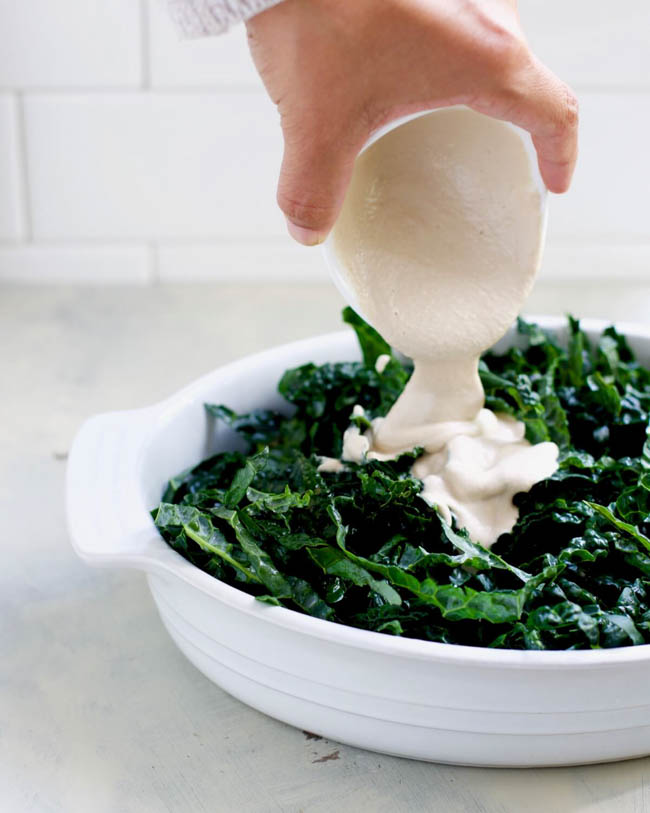
    For the tuscan kale, we cut it finely chiffonade style, which you can learn how to do here. Immerse the kale completely in a bowl of hot water. Don’t boil the water- just use the hottest water possible from the tap. Let the kale soak until the water has cooled, around 30-35 minutes. While that’s happening, blend all of the dressing ingredients into a thick, consistent dressing. Drain the water from the bowl the kale is in, and add the dressing onto the kale. With your hands, massage the dressing in well for 4-5 minutes (really get into it!) until all of the kale is coated.

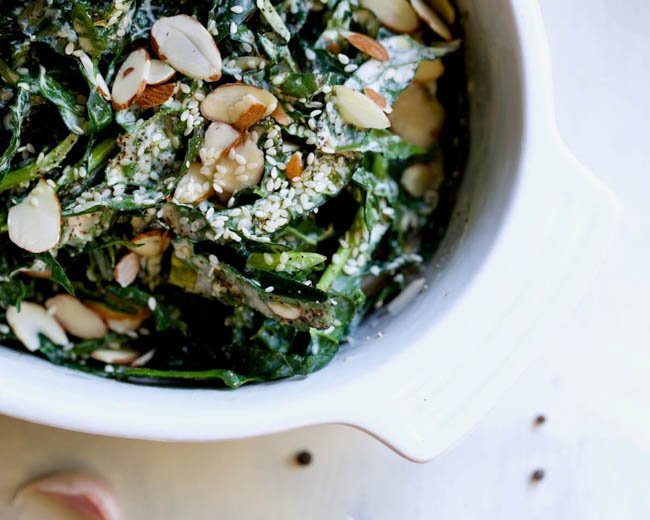
    Add your toppings, and enjoy! You can leave any leftovers covered in an airtight container in the refrigerator for up to 5 days. The longer it sits, the softer the kale will get!

    We want to hear from you! How many of you massage the dressing into your kale salads? It’s low key therapeutic. Try it out for some self-care Sunday. Let us know what you think in the comments below! 

    Print
    Roasted Garlic Massaged Kale Salad
    Servings: 4
    Ingredients
    • 3 cups tuscan kale, cut chiffonade style
    For the dressing
    • 1/4 cup tahini
    • 1/3 cup water
    • 1/2 tablespoon apple cider vinegar
    • 1/2 tablespoon tamari
    • 1 head of roasted garlic
    Toppings
    • 1/4 cup sliced almonds
    • 1 teaspoon sesame seeds
    • Salt and black pepper, to taste
    Instructions
    1. For the tuscan kale, we cut it finely chiffonade style, which you can learn how to do in the link within the post
    2. Immerse the kale completely in a bowl of hot water. Don't boil the water- just use the hottest water possible from the tap
    3. Let the kale soak until the water has cooled, around 30 minutes

    4. While that's happening, blend all of the ingredients for the dressing until thick and consistent

    5. Drain the water from the kale, and add the dressing onto the kale

    6. With your hands, massage the dressing in well for 4-5 minutes (really get into it!) until all of the kale is coated
    7. Add your toppings and enjoy!

    Recipe Notes

    To roast the garlic, preheat the oven to 400F. Chop about 1/4″ from the top of the garlic head, exposing the cloves. Add this to a sheet of aluminum paper and drizzle 1 teaspoon of olive oil over the exposed head. Cover with the aluminum and bake for 25-30 minutes, or until the garlic is tender. Allow to cool, & remove the garlic cloves from their skins.
    You can leave any leftovers covered in an airtight container in the refrigerator for up to 5 days. The longer it sits, the softer the kale will get!

    Filed Under: Appetizers, Salads, Sides

    What You Need To Know About Vitamin D

    October 25, 2017 by Wendy Leave a Comment

    Winter is coming which means that gloomy weather and clouds are rolling in with it. That may leave some of you wondering how and where to get that super important dose of vitamin D. In today’s article, we’re breaking down the vitamin D ins and outs and giving you tips to make sure you get an adequate amount of this important nutrient! 

    What is Vitamin D Anyways?

    Curve ball: vitamin D is not even necessarily a vitamin. It’s actually a pro-hormone, which means that it must be activated by something to act efficiently in the body. Vitamin D comes in two major forms: vitamin D3 and vitamin D2. D3 is the type that is activated by sunlight and the type that occurs naturally in foods. Vitamin D2 is often used for fortifying foods like fruit juice, milk, and infant formula. 

    Vitamin D is imperative in many bodily functions. It is a fat-soluble vitamin that promotes calcium absorption in the intestines maintaining calcium levels and normal bone mineralization. Other major functions include encouraging cell growth, improving immune and muscle function, and reducing inflammation. A vitamin D deficiency can lead to an increase in infections or illnesses (and even muscle loss!)

    How Much Do I Need?

    The recommended intake for most healthy adults ages 19-70 is 600 IU (International Units) or 15 mcg (micrograms) per day. This recommendation may vary based on specific health conditions or genetic influences, so it is always important to double check with your doctor.

    How Do I Get That Amount?

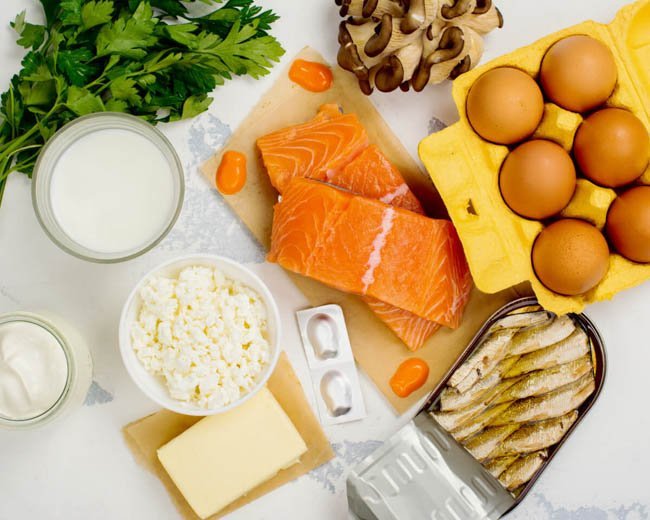
    We know the struggle. Days are getting shorter and it seems the work days are getting longer. Often the sun has set by the time we’re done working during these winter months. But don’t worry! Vitamin D is naturally occurring in some foods and fortified in many others. Some of the highest sources of naturally occurring vitamin D are foods like liver, cod, halibut, salmon, catfish, eggs, sardines, tuna, mushrooms, and mackerel. Fortified sources of vitamin D are often found in milk, soy milk, almond milk, cereal, and yogurt. Do remember that homemade nut milks will not have vitamin D.

    Sun exposure is always a natural and pleasant way to encourage vitamin D synthesis in the body. The amount of sun exposure necessary for individuals will vary depending on things like race, age, gender, and other health conditions. People with darker skin may be at a significantly higher risk for vitamin D deficiency. Generally speaking, aim for 5–30 minutes of sun exposure between 10 AM and 3 PM at least twice a week to the face, arms, legs, or back without sunscreen (this is not recommended if you have a family history of skin cancer. Read more here).

    And now for the drumroll…

    Our 10 Practical Ways to Get More Vitamin D

    • Have a 3 oz. serving of salmon with dinner or have 1 tablespoon of cod liver oil in the AM
    • Enjoy 1 cup of unsweetened fortified soy or almond milk with your breakfast oatmeal
    • Take a 25 minute walk outdoors during your lunch break 
    • Scramble eggs with veggies and serve over brown rice for a meal
    • Mix tuna with avocado for a healthy tuna salad
    • Visit the local park on weekends during peak hours (10am-2pm)
    • Toss 1-2 cups of mushrooms into a stir-fry, quesadilla, or as mini pizzas.
    • Snack on your favorite bowl of fortified cereal (go for low-sugar, minimally processed options!) 
    • Make a delicious parfait with vitamin D fortified yogurt
    • Consider taking a supplement

    Do I Need A Supplement?

    If you suspect that you are at risk of vitamin D deficiency, you may request that your doctor measure your serum levels. This is a simple blood test that can tell you if you’re in the clear or could use a supplement. Vitamin D supplements come in both the D2 and D3 form. Some research suggests that the vitamin D3 form is more effective than taking D2. Though D3 is more effective, it is derived from animal sources, which is something to consider if you are a vegan or vegetarian. Vitamin D2, on the other hand, is typically derived from yeast or other plants. When considering a supplement, it is always of utmost importance to check with your doctor to make sure it does not interact with any of your other medications or that you don’t have underlying conditions that may cause issues. We typically recommend a 1000-2000 IU daily dose, but again, that amount may vary depending on a number of factors (so check in with the doc!) Remember that this is a fat-soluble vitamin, so you should take the supplement with a meal that contains fat for optimal absorption. 

    Bottom Line

    Vitamin D is essential to our functioning muscles, a healthy immune system, and other cellular processes. So it is super important to ensure we’re getting enough of it. Note that people with darker skin, people with impaired GI metabolism, people with limited intake of vitamin D-rich foods (such as vegans and vegetarians) and older individuals may be at a higher risk for vitamin D deficiency. If you belong to any of these groups, make an effort to eat foods rich in vitamin D or consider talking with your doctor about supplementing.

    How do you get outdoors during the cold, dark winter days? We need all the creative tips you have! Drop us a comment below! xo

    Filed Under: Articles

    Plant-Based Monday: Okra

    October 23, 2017 by Wendy Leave a Comment

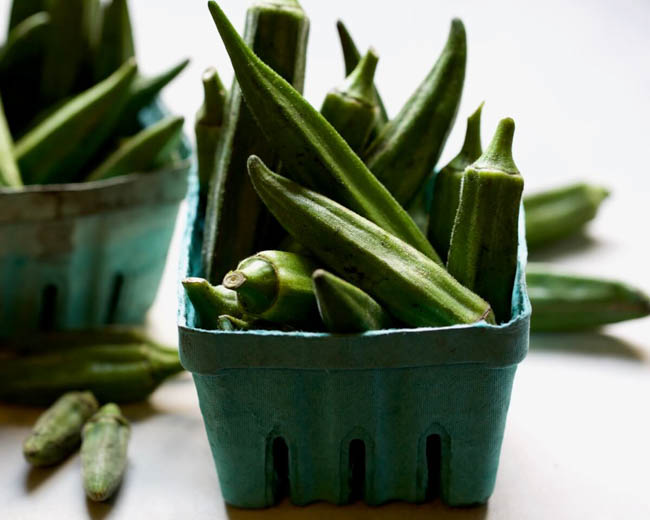
    This Plant-Based Monday we’re talking okra or in many parts of the world known as ladies’ fingers. How many of you love okra as much as we do? Often okra is battered or fried, but there are many different ways to enjoy the health benefits of okra. It is great in soups, sides, pickled, and mixed in with a variety of recipes. It looks like a small green pod that grows upright at the top of a stalk. The texture is often a bit crunchy with a fuzz like layer on the outer skin. Okra has a similar taste to eggplant, in that it has that soft, kinda slimey (in a delicious way) flavor!  

    Here’s why you should be eating okra:

    • It is a excellent source of vitamin K, vitamin C, folate, and manganese.
    • Okra is a good source of fiber, at 3 grams of fiber per one cup. Fiber helps promote proper digestive health.
    • It is high in phytochemicals, which have been shown to help fight some cancers.
    • Some studies suggest that it may even help lower blood sugar levels in people with diabetes.
    • Due to its high content of vitamin K, okra may help prevent osteoporosis.

    Here are 3 delicious plant-based okra recipes for you to check out!

    1. Spicy Oven-Roasted Okra
    2. Okra With Tomatoes
    3. Charred Shrimp and Okra Bowl

    Filed Under: Articles

    Why Being A Dietitian Is a Great Career Choice

    October 18, 2017 by Wendy 2 Comments

    Each fall, the Academy of Nutrition and Dietetics sponsors FNCE (Food & Nutrition Conference Expo), the world’s largest meeting of food and nutrition experts — more than 10,000 registered dietitian nutritionists, nutrition science researchers, policy makers, health-care providers and industry leaders attend the annual meeting — and address key issues affecting the health of all Americans. This year the conference is in Chicago (!!!) and we are so excited to network, attend panels, eat good food, and learn about the new research in the field. 

    With FNCE right around the corner, we thought it would be great to do a podcast episode that highlights why being a registered dietitian (RD) is so fresh.

    In this episode we’ll be covering:

    • How to become an RD
    • Where RD’s work/what RD’s do
    • The pros & cons
    • The training involved
    • The difference between a dietitian and nutritionist 
    • And much, much more! 

    Links from this episode:

    • Check out this post for an in-depth guide (& resources) for becoming an RD!
    • To learn more about 8 Weeks to a Healthier You course, mentioned in the pod, click here!  Coupon code: foodheavenpodcast

    How to submit a question:

    It’s easy! Simply record your question on the voice memo of your phone and email it to us at in**@****************sy.com. We’ll try our best to answer your question on an upcoming episode (and we’ll be sure to email you when we feature your question).

    What did you think?

    Thanks so much for listening to this episode. Now, we’d love to hear what you think. Do you have trouble eating healthy on campus? What are some of your favorite on the go hacks for healthy college eating? Let’s continue the conversation in the comments below.

    We also encourage you use the hashtag #foodheavenpodcast when referencing this podcast on Instagram, Twitter or Facebook so we can see what you have to say! This will also help you connect with thousands of other listeners who are trying to improve their diet by adding more plant-based foods.

    Connect with us online:

    • Instagram @foodheaven
    • Twitter @foodheavenshow
    • Facebook @foodheavenmadeeasy
    • Pinterest @foodheavenmadeeasy

    Can you do us this ONE favor today?

    If you haven’t already, make sure to subscribe in this podcast here in iTunes, or wherever you get your podcasts. That way you will get access to our latest episodes as soon as they are released. Our podcast is released every other week. In each episode we cover tips and tricks for making lifelong sustainable healthy living changes to upgrade your diet and health. We also interview leading experts in the field of health and nutrition.

    If you enjoyed this episode, please do us huge favor and leave us a review on  iTunes ….right now. The more reviews we get, the higher we are ranked in iTunes, which means we reach more people with our healthy eating message.  Again, we really appreciate you taking the time out to leave us a review. 

    Filed Under: Podcast

    Plant-Based Monday: Lemongrass

    October 16, 2017 by Wendy Leave a Comment

    We’re so excited to introduce Plant-Based Mondays to Food Heaven, where we’ll be doing weekly plant-based produce highlights! We’ll highlight the nutritional properties of different plant-based foods, and will drop some creative ways to incorporate them in the kitchen. All food featured will be picked up from my farmers market here in the Bronx, which means all features will be local and seasonal!

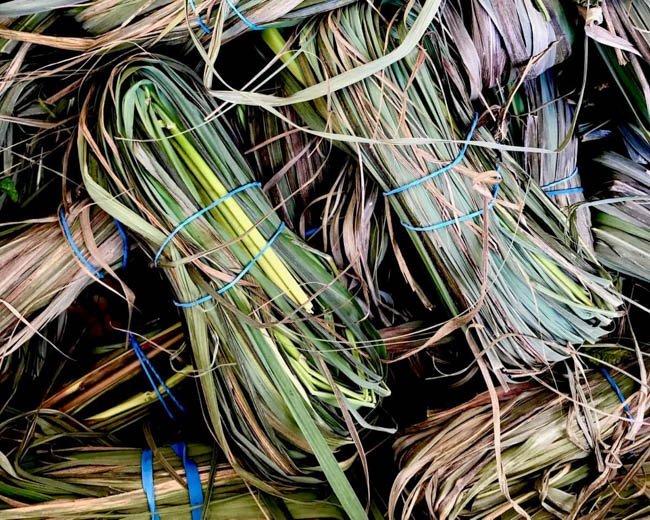
    Our very first feature is lemongrass. I was introduced to this fragrant herb in Jamaica, where I enjoyed lemongrass tea every morning. Since then, I’ve been hooked. So much so, that I even have a lemongrass plant growing in my tiny apartment. When I saw these lemongrass bundles at the farmer’s market, I almost died of excitement.

    Here’s why you should be using lemongrass:

    • Citronellol, a compound found in lemongrass, has been shown to have anti-inflammatory properties, and may bring muscle and joint pain relief 
    • Studies have shown that the compounds found in lemongrass have anti-microbial and anti-fungal properties
    • Lemongrass can also help repel bugs- it’s in the same family as citronella! 
    • Lemongrass contains multiple anti-oxidants, which can help in the prevention of certain cancers
    • It adds a unique flavor to cooked dishes, which can be useful when cutting back on salt  

    Here are 3 delicious plant-based lemongrass recipes for you to check out!

    1. Vegan Coconut Lemongrass Soup 
    2. Lemongrass Curry with Broccoli & Tofu 
    3. Spicy Lemongrass Noodle Soup

    xo

    Filed Under: Articles

    • « Go to Previous Page
    • Page 1
    • Interim pages omitted …
    • Page 70
    • Page 71
    • Page 72
    • Page 73
    • Page 74
    • Interim pages omitted …
    • Page 96
    • Go to Next Page »

    Primary Sidebar

    Search

    Let’s Connect

    Meet Wendy & Jess

    Registered Dietitians & BFF's. We're probably busy eating right now.

    Subscribe to our Podcast

    food heaven podcast

    Podcast Hookup Codes

    food heaven podcast hookup codes

    Meet Wendy & Jess

    Registered Dietitians & BFF's. We're probably busy eating right now.

    • Diabetes Digital
    • Our Story
    • Recipes
    • Resources
    • Articles
    • Contact
    • Policies
    © Food Heaven Made Easy
    In order to provide you with the best service, our website uses cookies. By continuing to browse the site you are agreeing to our Privacy Policy I consent
    Privacy Policy

    Privacy Overview

    This website uses cookies to improve your experience while you navigate through the website. Out of these cookies, the cookies that are categorized as necessary are stored on your browser as they are essential for the working of basic functionalities of the website. We also use third-party cookies that help us analyze and understand how you use this website. These cookies will be stored in your browser only with your consent. You also have the option to opt-out of these cookies. But opting out of some of these cookies may have an effect on your browsing experience.
    Necessary
    Always Enabled
    Necessary cookies are absolutely essential for the website to function properly. This category only includes cookies that ensures basic functionalities and security features of the website. These cookies do not store any personal information.
    Non-necessary
    Any cookies that may not be particularly necessary for the website to function and is used specifically to collect user personal data via analytics, ads, other embedded contents are termed as non-necessary cookies. It is mandatory to procure user consent prior to running these cookies on your website.
    SAVE & ACCEPT