• Skip to main content
  • Skip to primary sidebar
Listen to the Latest Podcast EpisodeAnd We’re Back! Introducing: Diabetes Digital
Food Heaven Made Easy

Food Heaven Made Easy

Black Registered Dietitian Nutritionists | Intuitive Eating Dietitians

  • About
  • Press
    • Diabetes Digital
    • Start Here
    • Podcast
      • Hookup Codes
    • Work With Us
    • Resources
      • Recipes
      • Blog
      • Cookbook
      • Books We Love
    Looking for nutrition counseling with expert registered dietitians?
    Get Started

    Wendy

    Easy Vegetarian Stuffed Peppers

    September 10, 2019 by Wendy Leave a Comment

    This recipe was posted on our instagram here, but we wanted to make sure you all can see it on the site as well!

    https://www.instagram.com/p/B2ErA1QnFkU/

    Print
    Stuffed Peppers
    Ingredients
    • 3 tbsp sun-dried tomato pesto⁠ (any pesto works though)
    • 2 tbsp olive oil⁠⠀
    • 1 can of white beans⁠, rinsed and drained or 1 1/2 cooked beans
    • 2 cups of cooked rice, any type of rice will do⁠⠀
    • 3 bell peppers, choose whatever colors you like⁠⠀
    • 1 can of diced tomatoes⁠⠀
    • Parmesan cheese OR nutritional yeast for a vegan version⁠⠀
    Instructions
    1. Chop peppers in half, de-seed and drizzle with olive oil, then sprinkle with salt and pepper, place in a baking sheet⁠⠀
    2. Cook at 350F for 25-30 minutes⁠⠀
    3. While peppers are cooking, cook rice according to package directions (I added veggie broth and olive oil for extra flavor)⁠⠀
    4. Once the rice is done cooking, mix in beans, tomatoes, and pesto.⁠⠀
    5. Stuff peppers w/ mixture, then add cheese or nutritional yeast, any herbs, salt, pepper and spices.⁠⠀
    6. Enjoy!!

    Filed Under: Main Courses

    4-Ingredient Pesto Dinner

    September 10, 2019 by Wendy Leave a Comment

    This recipe was posted on our instagram here, but we wanted to make sure you all can see it on the site as well!

    https://www.instagram.com/p/B14GQOJH3N1/

    Print
    4-Ingredient Pesto Din Din
    Servings: 4
    Ingredients
    • 8 oz Pasta
    • 4-6 cups Kale, chopped
    • 1 can Chickpeas
    • 1 tsp olive oil
    • 3 tbsp Pesto or to taste
    Instructions
    1. Cook 8 oz of your favorite pasta

    2. Saute 4-6 cups of chopped kale in 1 tsp of olive oil

    3. Mix in 1 can of chickpeas

    4. Top it all off with a few spoonfuls of pesto & crushed red pepper flakes

    5. Enjoy!!

    Filed Under: Main Courses

    You Want to Eat Healthier. Your Partner Does Not. Here’s How to Handle That

    September 10, 2019 by Wendy Leave a Comment

    You’re doing your weekly grocery shopping and meal prep, kicking ass in the kitchen making delicious, balanced meals. You’re also living with bae, and bae is not getting on board with your new healthy lifestyle. You try talking them into it, explaining the benefits, why it’ll be good for them, and nothing seems to be registering. Eventually disagreements and arguments ensue.

    Being in a relationship can have a strong impact on food choices. This is especially true if you live with your partner. You’re probably spending a lot of time together, maybe cooking and going out to eat, and food is something we all tend to bond over. So what happens when someone wants to change the way they eat but their partner isn’t on board? Things like going out for ice cream, Netflixing and ordering in, making dinner reservations for a special night…yeah, it all just got a little more complicated. I can’t tell you how many times nutrition clients have met with me about how to get their partners on board with eating healthier. They’re usually pumped about the lifestyle changes they’ve made and want their partners to get on board too.

    Things tend to go left shortly after that. The person trying to eat healthier either gets too pushy or even (sometimes inadvertently) starts guilt-tripping their partner into eating differently, sometimes not even noticing the challenges their partner is dealing with. I’ve had couples literally get into screaming matches in my office about this topic.

    Head on over to SELF for the full article: You Want to Eat Healthier. Your Partner Does Not. Here’s How to Handle That

    Filed Under: Articles

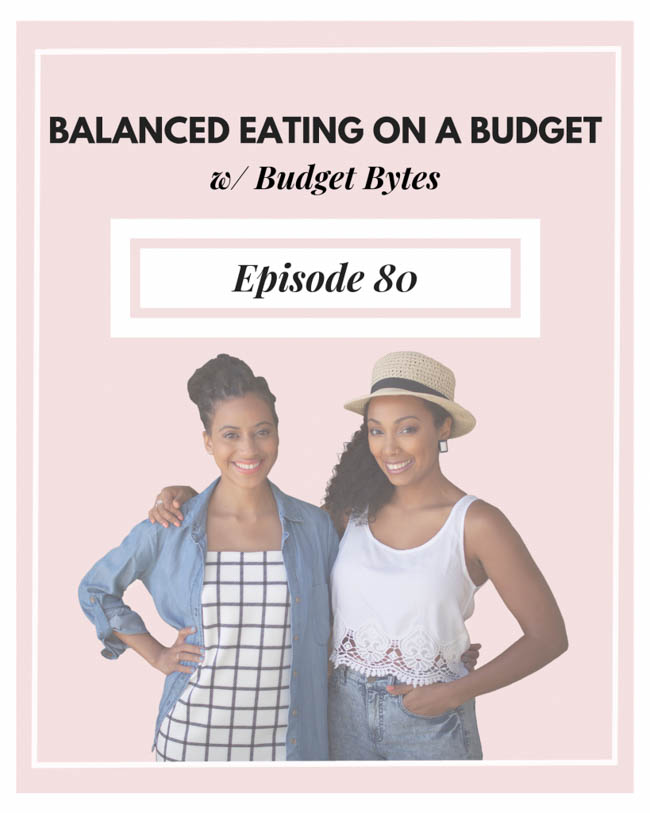
    Balanced Eating on a Budget with Budget Bytes

    September 4, 2019 by Wendy Leave a Comment

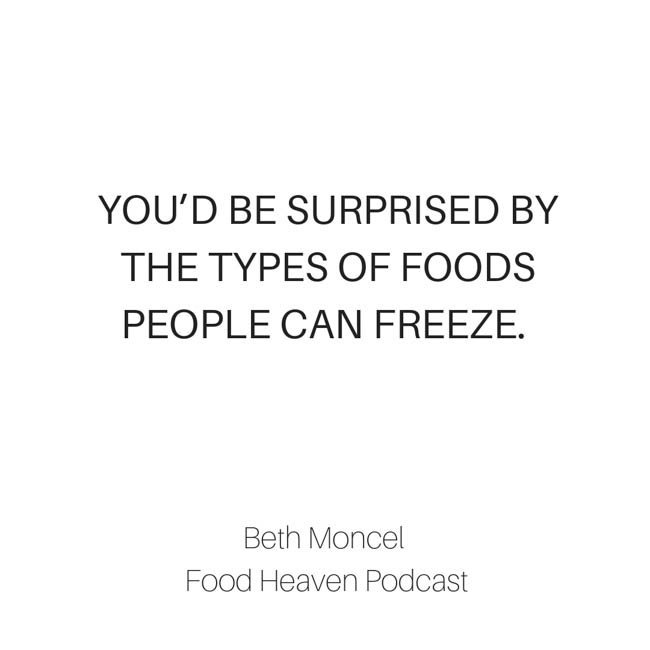
    Did you guys know you can freeze cheese, bread, tomato sauce…even TOFU (I just discovered that one)?

    In this week’s podcast episode we talk to the OG of budget eating, Beth Moncel of Budget Bytes.⁠

    In our brand new episode, we talk to Beth about how she was able to grow her blog into a full-time hustle, her strategies to eating healthy on a budget, how she creates inexpensive recipes, & more!

    In this episode, we’ll talk about:

    • Beth’s process for creating budget-friendly recipes…that actually taste good
    • Beth’s cooking philosophy in 3 words and her personal wellness philosophy (it’s basically the same as mine)⁠
    • The birth of Beth’s Budget Bytes blog, and how she grew it to a full-time hustle⁠
    • Strategies to eating healthy on a budget when you don’t have the time⁠
    • Utilizing the freezer to save money⁠
    • & MORE! ⁠

    Resources:

    • Website
    • Facebook
    • Instagram
    • Twitter

    SHOUTOUT TO OUR PODCAST SPONSORS

    Looking for interesting CBD products that go beyond the usual pills or oils? Check out Cured Nutrition’s CBD cookie dough, dog treats, & more! Get 15% off all Cured Nutrition products with code FOODHEAVEN at checkout!

    Can you do us a huge favor?

    If you enjoyed this episode, please do us a huge favor and leave us a review on iTunes ….right now. The more reviews we get, the higher we are ranked in iTunes, which means we reach more people!

    Become a podcast sponsor:

    Our podcast reaches thousands of engaged listeners each week. If you are a brand interested in becoming a sponsor, contact us to learn more about our affordable rates.

    Connect with us online:

    • Instagram @foodheaven
    • Twitter @foodheavenshow
    • Facebook @foodheavenmadeeasy
    • Pinterest @foodheavenmadeeasy

    Our podcast is released every week. In each episode, we cover tips and tricks for making lifelong sustainable healthy living changes to upgrade your diet and health. We also interview leading experts in the field of health and nutrition. We hope you enjoyed this episode, and we’ll catch you next time!

    EPISODE TRANSCRIPT

    speaker 1: The following podcast is a Dear Media Production.

    Wendy Lopez: Hey, it’s Wendy.

    Jessica Jones: And it’s Jess. And you’re listening to the Food Heaven podcast.

    Wendy Lopez: Your online resource for delicious and nutritious living. Hello everyone. Welcome to another episode of the food heaven podcast. Today we have Beth Moncel with us here in the studio. Well not actually here, but on the phone. For the past eight years, Beth has been dishing out healthy, inexpensive recipes and teaching kitchen basics through her popular blog, Budget Bytes and the corresponding cookbook, Budget Bytes, it’s over 100 easy, delicious recipes to slash your grocery bill in half. She loves getting creative in the kitchen and hopes to show others just how fun and rewarding cooking can be.

    Jessica Jones: And I feel like I’ve been following you since forever.

    Wendy Lopez: Yeah, long time.

    Jessica Jones: And you are kind of like a celebrity and I’m excited to get to talk to you. I use your website in my one-on-one counseling all of the time when people-

    Beth Moncel: Oh, wow. Thank you.

    Jessica Jones: Yes, of course. Yeah, when they don’t know what to do or even for you do a lot of good like breakfast meal prep stuff. People are always like, “I don’t know what to do for breakfast.” I love how you specify like serving sizes. So meaning if somebody wants to go up servings or down servings, your recipe automatically like populates it. Like what the grocery list is, and the ingredients; Which is amazing. And I’ve tried a lot of your recipes too and they’re just really easy and also flavorful. So we are so excited to have you. Welcome to the podcast Beth.

    Beth Moncel: Thank you so much. I’m huge fans of you guys too. So I really am excited about being here.

    Jessica Jones: O, thank you. So one question I want to start off with is this idea of healthy eating as being expensive and breaking the bank and all of that. But obviously your whole mission is to show that it doesn’t have to be that way. So what prompted you to start your blog Budget Bytes in the first place?

    Beth Moncel: Well it was kind of by accident to tell you the truth. I had just graduated college. I actually got a degree in Nutritional Science as well because I had planned to be a Dietician. Then changed my mind after graduation. And so my student loans went into repayment and I wasn’t working a good paying job, so I was really, really strapped for money. And so I had to really dive deep into my own budget and I had already cut out all of my extra expenses, anything that was possible to cut I had. And so the only thing left that I could even fluctuated all with was my food. And so I’m like, “okay, I need to make some cuts with my food.” But I wasn’t willing to sacrifice my health because that was something I was really passionate about. So I just started kind of tweaking what I was doing and playing around and actually applying a lot of the principles we learned about Food Service Management for commercial kitchens in my own kitchen. And so I started doing this cost breakdown. It was really testing. I was getting really excited about it and posting it on my personal Facebook. My friends started asking me for recipes, so I was like, “Hmm, maybe I should just put this information out there into the world on a blog.” So that’s how it got started.

    Wendy Lopez: That’s so cool. And I mean, yeah, I think with food blogs it’s like they usually start from… It’s usually, it doesn’t start as a business. And I want to talk about that because a lot of people ask us, “Well how do you guys…? Like how does that actually work? Like you’re creating recipes, how do you make a living off of this? Like how does this even work?” So, and you have a huge following. So is it something that you’re doing full time right now or like did it start off as just like a hobby that you were doing initially? Tell us about how it’s grown and if you’re profitable from it, how you’ve been able to get there?

    Beth Moncel: Sure, yeah. So it didn’t even start off as a side hustle for me. I didn’t think anyone would see the blog at all. It was kind of more like a project to keep myself busy and I was going to put it out there just in case anyone needed it. Never expecting anyone to ever see it. But I started the blog right when the big recession was happening in the late 2000. So it was just kind of like the right place at the right time. And I got a lot of press really early on and the ball started rolling with the blog and I just kind of had to hustle to keep up with it, and so it grew a really big following, really fast and, honestly has never stopped. And it got to the point where it was requiring fulltime attention from me and I had a full time job.

    Beth Moncel: So I had to make a decision. What am I going to do? I really want to work on this passion project, but it’s going to require more of me and I have to find a way to make it support me. So I did a little bit digging and I learned how to properly monetize the blog. And this was in I think like 2013 maybe. And so at that point I was able to change up the way I was monetizing with Ads and things like that and make the income something that was sustainable to me. And so most of my revenue on the blog comes from Ads and every once in a while I’ll do a sponsor blog posts with a company that I really trust and like. But for me that’s not a huge part of my revenue for a lot of bloggers, that’s their main source. So for me it’s mostly advertisements, but that’s how you make it work.

    Jessica Jones: How did you…? Because that’s actually really interesting because I did notice that you don’t have a lot of sponsored post and that is how most people get their revenue. I feel like Minimalist Baker also doesn’t really have any sponsored posts. Was that an intentional decision and why did you decide to go that route?

    Beth Moncel: It was a little bit of both. So it’s funny because for a while I was kind of against it. I’m like, “Oh, it’s weird. You feel kind of sleazy doing it or whatever.” But then I kind of came around to it and I realized it makes sense. If there’s a company that I love and they want to support what I’m doing and then I should be okay with that. It’s something that I want to promote to my readers and that brand also wants to support me. I think that’s a mutually beneficial relationship. But the reason I still don’t do a lot of them is because I do most of my cooking from scratch. So I don’t use a lot of branded pots to begin with. So I’ve done a couple sponsorships with brands like Morton salt. Of course, I use salt in my cooking and Morton is great. So things like that or I’ve done campaigns, fighting food waste, things like that. But I don’t use a lot of packaged foods and branded stuff. So it’s not like dried beans are paying bloggers to write blog posts about dried beans.

    Jessica Jones: Well I guess The Pulse is? Because we did something with them.

    Beth Moncel: Yeah, every now and then you’ll get like a group that’s a, what did they call them? Like a professional group or-

    Jessica Jones: The Commodity boards.

    Beth Moncel: Yeah. For the industries, they will do that sometimes, but not nearly as often as large brands.

    Wendy Lopez: We want to take a quick break to talk about CURED Nutrition. A holistic supplement company that’s based out of Boulder, Colorado. CBD can be really confusing because there’s just so much information and a lot of people struggle was trying to figure out what the right product is for them. CURED Nutrition has made it easy in addition to their 100% locally sourced Colorado Hemp extracts, CURED also guarantees a rigorous quality control system. They’re super transparent and have published all the details about their products directly onto their website, which you can find at curednutrition.com. They have lots of options, but one that has specifically caught my eye lately, is there a cured rice product. This is a daytime CBD supplement that’s caffeine free. It has CBD extract and it encourages sustained wakefulness and focus. Which, if you’re like me and you struggle in the morning, might be especially useful.

    Wendy Lopez: If you’re wondering how can I get my hands on some CURED Nutrition Products, the process is pretty easy. All you have to do is check out their website, curednutrition.com that’s C.U.R.E.D nutrition.com. And they ship their products to all 50 States. They’re offering our Food Heaven listeners a special code. The code is ‘FOODHEAVEN’ at checkout to save 15% off. Again, that’s curednutrition.com, the code is ‘FOODHEAVEN’ and as always we’ll make sure that we include all of this information in the show notes. If you try out the products, let us know what you think. All right, let’s get back to our show.

    Jessica Jones: So my next question is actually two questions in one. How would you describe your cooking philosophy in three words? And then has that philosophy changed throughout the years?

    Beth Moncel: I think my food philosophy could be described as simple, balanced and variety. So I really, really like to keep my food simple. I think when you learn to appreciate the simplicity of ingredients, you really just enjoy food a lot more and then you can enjoy life more too because you have more time to do the stuff you like. You’re not spending your entire day in kitchen. So I really try to keep my ingredient list short and just use really basic ingredients and try to highlight the natural flavors and qualities in food. I like to keep balance. So I do eat stuff that’s fairly indulging, but when I do that I try to make sure I work some vegetables in there too so that I’m getting the best of both worlds. And then I definitely like variety, not just variety in flavor, but variety in color and texture and food styles. So I never really get bored, even though I’m keeping things simple, I like to change it up a lot with all those different flavors and colors and textures to make food fun.

    Wendy Lopez: Yeah, I think that’s why I love your recipes so much because it’s very much aligned with our philosophy when it comes to food. Just like keeping things very simple, not using a like a million ingredients, not like making cooking overwhelming. And I’m like browsing through your recipes right now. I’m like, “Oh my God, the Ravioli with Sage, Brown butter spinach.” Oh my God, it looks so, so, so good.

    Beth Moncel: Thank you.

    Wendy Lopez: So a lot of our listeners, they live with other people, whether it’s a significant other, with their kids, or with roommates. So do you have some strategies that you find helpful for eating healthy on a budget when you’re cooking for multiple people?

    Beth Moncel: So I don’t have a lot of experience cooking for multiple people. But to be honest, most of the time I’ve been doing a blog, I lived by myself and now I live with my boyfriend, but he has some dietary restrictions. So he kind of eats his own thing most of the time. But one thing that you can do, and this is kind of something I do for myself too, so that I don’t get bored, is you can do freezer portions of different meals so that there’s always like a single serving portion that someone can pull out of the freezer and reheat if they don’t like what’s being prepared that day. You know what I mean? So you have like a rotating stock of almost like homemade tiny dinners in your freezer and that will give you a variety and you can make it cater to the different dietary styles in your household.

    Jessica Jones: I love that idea. I don’t know if I got that from you or who I got that from. But I have been doing that and doing like the single serving and it’s helpful especially when you go out of town and you didn’t have time to do any cooking or grocery shopping and you have those meals ready to go. So thank you for that tip. Now when it comes to creating your budget friendly recipes, what goes into it? What is…? Talk about your process from start to finish. Because you’ve been doing this for so long and even as we scroll through your Instagram, it’s like they all still look amazing and super creative. So yeah, how do you kind of go about the process?

    Beth Moncel: Well, it’s actually really, really simple. So it’s as easy as making sure all of your recipes are based around either a whole grain, a legume, or an inexpensive vegetable items. So if you make the bulk of your recipe, one of those inexpensive yet still healthy ingredients. The total costs of your recipe is going to remain low. So after you have decided what your base is going to be, you add a bit of the more expensive and more flavorful items like meat and cheese or maybe some sort of fancy sauce. But making sure that the largest portion of your meal are those inexpensive ingredients will keep you from overspending.

    Beth Moncel: But I think where people get confused is they think that the only inexpensive ingredients are the unhealthy ones, but that’s definitely not true. Whole grains, like I said, legumes, whether it be beans or lentils, and then there are plenty of fresh vegetables that are really low cost that people tend to overlook in favor of the trendier vegetables. Like, yeah, I don’t know Bok choy or something or all the super foods that whatever is trending at the moment. If you stick to the really simple stuff like cabbage, carrots, celery, potatoes, onions, all of those things that are like, I don’t know, a dollar, a pound, 50 a pound, which is super inexpensive.

    Jessica Jones: Yeah, and I’ve also found that eating in season really helps with saving money because produce costs less when it’s in season. Oh, we were talking on another podcast about this, like getting watermelon in December is probably like not the best idea. So really trying to support local farmer’s market or CSAs or even Supermarkets that have local produce is also a great idea. Can you share with us like what are some of your favorite go-tos, because you do have so much creativity in your recipes and I’m wondering like do you have some staples that you go to when you’re like, “Okay, I’ve had a busy day, I’m not trying to do the most in the kitchen. These are my backup meals.”

    Beth Moncel: Yeah, I think it’s more like a backup category maybe, is a stir fry, just like a basic stir fry because it’s so flexible. And my other favorite thing about stir fry is that it allows you to use up whatever leftover vegetables you have in your refrigerator or your kitchen at that time. Because reducing waste is really important to me, not only from a budgetary standpoint but for keeping the earth intact basically. So I’m always trying to keep my food waste as low as possible. So I can just go in there, whatever I didn’t use for the week, chop it up, sauté it really fast in the skillet add it sauce and you can change the sauce every week or every time you make it, so that you never get bored. And then you can always serve it over noodles or rice or even something like shredded cabbage, if you want to stay low-carb.

    Jessica Jones: I’m looking at your Kale and White bean and Sun dried tomatoes. Oh my God, with like a side of Garlic toast.

    Beth Moncel: Yeah, it sound good.

    Jessica Jones: So It just made me think of that. Yeah, I’m going to make that as soon as I get home. I feel like I make something similar, but that looks amazing.

    Beth Moncel: Thank you.

    Jessica Jones: Now for folks… Okay, people ask us this question all the time about dinner parties. They’re always looking for some kind of delicious, easy budget friendly dinner party option. My go-to that I tell people is Tacos, you could do any variety, Tacos stand, Tortillas are like pennies on the dollar per tortilla, but do you have any go-tos that you’d like to recommend?

    Beth Moncel: Yeah, I actually am a terrible entertainer and I’m not sure If I’ve ever planned a dinner party in my entire life.

    Jessica Jones: Really, Oh my God, you should.

    Beth Moncel: I don’t know what I would suggest for that. I love the idea for Tacos and there are definitely other types of dishes that are customizable like that. It would be really cool to maybe do like personal pizzas or something. Get everyone involved in the kitchen hands on. I think that’s a great idea for a dinner party.

    Jessica Jones: When you’re thinking about what to cook on just a weekly basis, are you the type where you make something new every single night of the week? Are you more of a meal prepper? Are you using Budget Bytes recipes as kind of what you’re eating throughout the week. How do you go about that?

    Beth Moncel: Well, since my life is so revolving around the blog these days and I’m constantly recipe testing, I pretty much just like the eat the leftovers of whatever I’m testing or photographing that day. But when I was still working full time I was definitely a meal prepper because you’re so tired after working an eight hour long day that I would try to cook like one day a week and prep out the meals for as long as they would go, which is usually four to five days. I don’t try to keep anything in the refrigerator after that. And then if I had to, I could cook something later in that week if I had run out of items. Or reach into my freezer and get those single serving portions that I mentioned. But I found that it’s the biggest thing for your buck when it comes to your time and effort, is just cook one day portion all out so you can just grab and go later.

    Jessica Jones: Just out of curiosity, like what were you doing full time before you transitioned completely into the blog?

    Beth Moncel: So, I was a Microbiologist. [crosstalk 00:16:32]. I graduated with a degree in Nutritional Science. I worked for a little while at Whole Foods in the Prepared Foods Department, while I was just trying to figure out what to do with my life. And I learned a lot from Whole Foods as well, actually working in a commercial kitchen like that, you really learn the techniques or like reducing waste and repurposing ingredients and really just tracking your expenses in ways to make sure that your budget stays in check. And then, so I decided I really loved the Medical Science part of the Dietetics program. So I went back to school to get a degree in Clinical Laboratory Science and then worked as a Microbiologist in the hospital.

    Wendy Lopez: Wow. Oh my God. That’s fascinating.

    Jessica Jones: It’s interesting.

    Wendy Lopez: Have you found it to be useful in the work that you’re doing now?

    Beth Moncel: Yeah, it’s kind of funny because both of those degrees really focus a lot on food safety [crosstalk 00:17:24].

    Wendy Lopez: Right.

    Beth Moncel: [inaudible 00:17:25] bacteria and we worked a lot with food-born illnesses in the laboratory. So yeah, I get to use a little bit from both of those degrees, which is really amazing, I never expected that.

    Wendy Lopez: That’s so cool. While talking about food safety, let’s talk about freezing. So I saw that you have a lot of like freezer friendly recipes and I think freezing your food is just such a great way to save money and have go a longer way. So can you talk about some freezers tips for people that do want to save some time and money.

    Beth Moncel: Yeah, so not only do I freeze like single serving portions of my cooked food, but I like to save my leftover ingredients in the freezer to again reduce waste and save your budget. So I freeze all sorts of things. If you are using tomato paste in a recipe, I rarely ever use more than one or two tablespoons of tomato paste at a time and a recipe. But they come in these little cans, which are at least 10 tablespoons. So I’ll portion in those added tablespoons freeze them. And then the next time that you need a tablespoon of tomato paste, I can just reach into my freezer and grab one instead of having to buy a whole new can. I freeze my fresh ginger. So I always have fresh ginger on hand. I freeze whole lemons, which are great for zesting and juicing after they’ve been frozen. All sorts of things. So my freezer is probably like the most used tool in my kitchen for saving my budget.

    Wendy Lopez: That’s so cool. Yeah, I do the tomato paste thing too and I do that a lot with Chipotle peppers too because it’s like so many in a can and I just like wrap them up individually and pop them in the freezer. It’s the best.

    Beth Moncel: Yeah. Yeah, exactly. And then so much more can be frozen than people realize. So when I’m trying to figure out if something can be saved in my freezer, so the first thing I think of is, can I find this in the freezer aisle at the store? So can I freeze this cheese? Well, they have frozen pizzas with cheese on it and they turn out fine when you bake them. So yeah, you could probably freeze cheese.

    Jessica Jones: Oh, that’s a good, good way to look at it. I just discovered you could freeze Tofu.

    Beth Moncel: Oh, yeah and that is so cool because the texture does change quite a little but in a good way.

    Jessica Jones: I know. That’s so great.

    Wendy Lopez: Right. It works out better, I think when you freeze it because it has more chew to it.

    Jessica Jones: Yeah, because I never use the whole thing. And then it’s like I tried to put it back in water in the fridge and then it just starts getting slimy and then yeah, I found out you could freeze it. So yeah, for all you guys who want Tofu that has a good, good texture, freeze it. Chop it and light chop it then freeze it, right? You can-

    Beth Moncel: I just freeze mine the whole bar.

    Jessica Jones: Oh, the whole bar? And then do you thaw it out and then chop it?

    Beth Moncel: Yeah. So I freeze it whole, I just took the whole package when get it from the grocery store in the freezer and I thaw it their refrigerator and then I squeeze it and the water comes out so much easier after it’s been frozen and thawed. Because it turns into almost like a spongier texture. So like, the water just comes right out. It’s really cool and I find it’s less crumbly too, so it makes it great for stir fries and stuff. Because I don’t know if you’ve ever had an issues when you stir fry Tofu and just kind of like falls apart. It doesn’t do that as well or as easily after it’s been frozen.

    Jessica Jones: I feel like I need to get a freezer. Because I have a freezer but it’s full. It’s always full because I have all these things and then it gets… Yeah, I need to figure that out. Which is why I see now like when people get older, your parents or your grandparents, they have like their fridge and they have another freezer in the whatever backyard or garage. I get it.

    Beth Moncel: Yeah. Well, you know what I do to kind of keep that in check? Is before I go grocery shopping or when I’m even picking out the recipes and I’m going to make for the week, I just really quickly peruse my freezer, my refrigerator and pantry and just kind of take a mental note of what I have in there and what needs to be used up and then I can base my recipes around that to make sure things are constantly being rotated. And another thing you can do is you can kind of keep like a freezer list. So every time you put something in the freezer you write it on the list and when you take it out or use it, you cross it off and you can do like little boxes or something if it’s a certain number of servings of something or like I just put eight tablespoons of tomato paste in my freezer, do like eight little circles and just cross one off every time you use the one. And that way you kind of have a visual representation of what’s in your freezer without having to open up and dig through it.

    Wendy Lopez: That’s smart.

    Jessica Jones: Yeah. Such good ideas. So for people who want to cook more budget friendly recipes, how can they get started, what are a couple of ways that they could get started today?

    Beth Moncel: So, I think that some of the easiest things to implement in your cooking if you’re trying to make that healthy switch and trying to do it on a budget, is just try to work more like beans and frozen vegetables into your meals. I find that beans and frozen vegetables are super easy to just like toss into anything. So if I’m doing a recipe with like say ground beef, I’ll always just like substitute half of the beef for black beans or even lentils and that’s like an instant boost of fiber and minerals. And then frozen vegetables are awesome because they’re already chopped and prepped so you can literally just throw them into your food without having to do any extra work. So I always keep Broccoli florets, frozen spinach, frozen green peas and corn. Those are probably my most common four that I keep in my freezer and you can put them into pasta dishes, you can throw that into soups, so you can put them on pizzas, just anything. And you’re just instantly upping that vegetable content in your daily diet.

    Wendy Lopez: Yeah, I love that. I love frozen broccoli and cauliflower because yeah, when you thaw it, it’s like pretty crisp. They like cook it very, very lightly. So it’s like the best for stir fries and for soups, for all of those like veg-forward recipes. So love that-

    Beth Moncel: And you don’t have to worry about them going bad. Because I think a lot of people get really ambitious when they’re like, “Yeah, I’m going to cook healthy now.” And they buy all these vegetables and then they peter out and everything goes bad in their fridge. So if you start with frozen vegetables, you can do that without risking losing a whole week’s of groceries. If you get too tired or busy or just lose your ambition, they’re still going to be there waiting for you.

    Wendy Lopez: Yeah, that’s a great point because when all that food goes bad, you’re like, “You know what, I’m not going to do any of this.”

    Beth Moncel: Yeah, you can get very discouraged like, “I’m not cut out for this.” But you are. It’s just that you can’t go from zero to a 100. You have to learn the habits and the skills and it takes time.

    Wendy Lopez: Cool. Well we like to ask our guests to share their definition of wellness with our audience because there’s just so many definitions out there and it’s usually presented in such a narrow way. So can you talk to us about what wellness looks like for you right now?

    Beth Moncel: Yeah. For me, wellness is really all about finding a balance between mental health and physical health. So I find that I, like a lot of people, tend to go really far in one direction or the other. So, I’ll either get really strict with my diet and never really go for that super physical health. But then my mental health suffers because I’m not happy and not being satisfied. Or I’ll go really far in the other direction and just eat whatever I want and whatever is making me feel good emotionally at that moment. But then my physical health suffers. So I try to find a balance between the both, find things that are satisfying to me emotionally and mentally that are also good for my physical health.

    Jessica Jones: I love that. I feel like that definition is similar to my definition of wellness as it relates to food. So thank you for sharing. Now for folks who want to learn more about you, your work, your cookbook, where can they find all of it?

    Beth Moncel: Sure. You can just go to budgetbytes.com and that’s B.Y.T.E.S and from there you’ll find links to all of my Social networks and my book and there’s ‘An about me page’ if you want to read a little bit more about my backstory.

    Wendy Lopez: Awesome. Well Beth, thank you so much for taking the time to speak with us today. This has been great.

    Beth Moncel: Thank you so much. It was so much fun.

    Wendy Lopez: All right 

    Beth Moncel: Bye. [multiple voices]

    Wendy Lopez: All right, well that wraps up today’s episode of the Food Heaven podcast. Make sure that you leave us some stars, drop a review. Do it right now before you forget, and as always we’d like to highlight all of the reviews that you all leave us. Thank you so much by the way, for taking the time to drop some love. So this is by Ellie baby and her review, his review, I’m not sure is, “I found these wonderful ladies two days ago and I’ve already listened to seven episodes.” Oh my God.

    Jessica Jones: Oh my God.

    Wendy Lopez: “Wow. I love them. They focus on being inclusive in the wellness space, which is super refreshing. I’m grateful for the information they’re sharing. I’ve told all my friends about them. I think we should be best friends. I find myself smiling constantly while listening, agreeing with everything these sweet women are saying keep up the amazing work.” Wow.

    Jessica Jones: Oh my God, that was really nice Ellie baby, thank you for that review and if you haven’t already, make sure to hop on over to iTunes or Stitcher and leave a review of your very own. If you want to connect with us online, you can do so. We’re most active on the gram @foodheaven and also remember to subscribe to our podcasts. You’ll never miss an update. It’s released every Wednesday, and in each episode we covered tips and tricks for how to make lifelong changes to help you live healthier, more balanced lives. We also interview leading experts in the field of health and nutrition to pick their brains on how to cultivate a healthy life that you love. We hope that you this episode and we’ll catch you next time.

    Jessica Jones & Wendy Lopez: Bye.

    Filed Under: Podcast

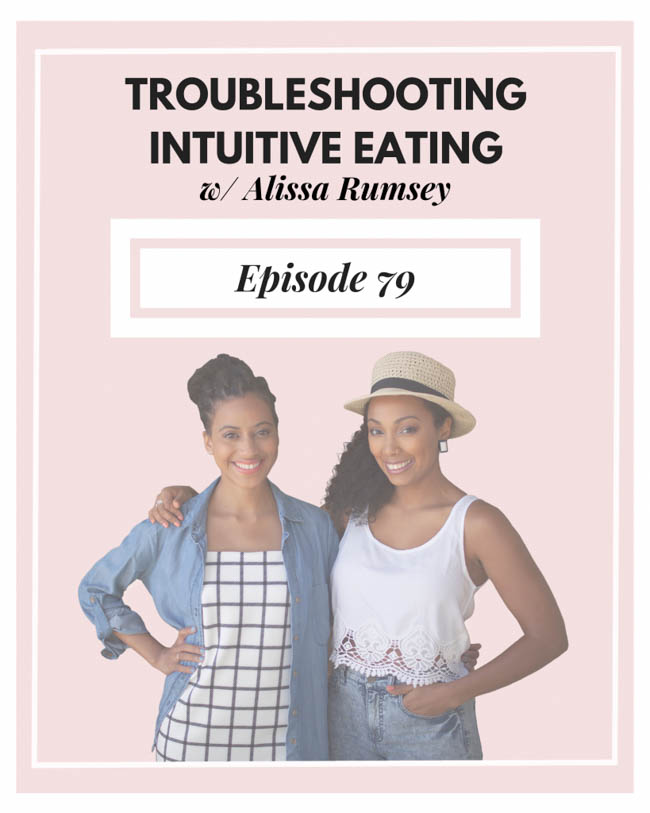
    Troubleshooting Intuitive Eating with Alissa Rumsey

    August 28, 2019 by Wendy Leave a Comment

    If you are like many of our listeners, you love the idea of intuitive eating, but you still have questions. Many of you email saying that you are having trouble applying intuitive eating to your life. Or that the “lack of structure” makes you feel unsettled. Others wonder if there is space for weight loss with intuitive eating.

    On today’s episode, we go beyond the basics with intuitive eating expert and award-winning registered dietitian nutritionist Alissa Rumsey. As a Certified Intuitive Eating Counselor, Alissa helps people cultivate a healthy and peaceful relationship with food and their bodies. 

    We also did something different with this episode by featuring a special guest, Paris Alexandra, co-founder of BK Yoga Club, who asked some of her gnawing intuitive eating questions that she wanted answers to. We PROMISE this episode is a must-listen!! 

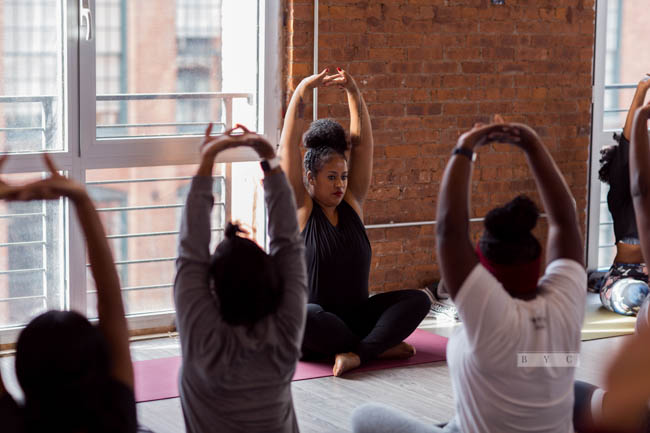
    Paris Alexandra is a singer, songwriter, & creative entrepreneur located in Brooklyn, New York by way of Minnesota. Paris is the co-founder of Bk Yoga Club, a body positive yoga studio in Brooklyn.

    In this episode, we’ll talk about:

    • How to eat intuitively when you prefer structure
    • Can people who want to lose weight practice intuitive eating?
    • What to do when you “intuitively love to eat all foods” 
    • How we can create non-elitist intuitive eating conversations
    • How to unpack eating for emotional rather than physical reasons
    • & MORE

    Alissa Rumsey’s Resources:

    • Alissa’s Body Image Healing Course
    • Website
    • Facebook
    • Instagram
    • Twitter
    • Intuitive Eating / Body Image Support Facebook Group
    • Intuitive Eating Crash Course
    • Intuitive Eating Beginners Guide E-Book
    • Free Mindful Eating Exercise

    Paris Alexandra’s Resources:

    • ParisAlexandra.com
    • Paris’s Instagram
    • Brooklyn Yoga Club
    • BYC Instagram
    • BYC Facebook
    • Workshops & Events

    SHOUTOUT TO OUR PODCAST SPONSORS

    Audible is the perfect solution to listen to your favorite audiobooks right from your phone. Listen to the latest audiobooks on the go and get more done! Start listening with a 30-day Audible trial, and your first audiobook plus two Audible Originals are free when you sign up on audible.com/FHME. 

    Image result for native deodorant logo

    NATIVE believes that bodies are meant to be taken care of. This means they only use safe ingredients in their deodorant and body care products. NATIVE never uses aluminum, parabens, or sulfates in any of its products. Make yourself a priority today, and use Promo code FOODHEAVEN for 20% off at nativecos.com

    Can you do us a huge favor?

    If you enjoyed this episode, please do us a huge favor and leave us a review on iTunes ….right now. The more reviews we get, the higher we are ranked in iTunes, which means we reach more people!

    Become a podcast sponsor:

    Our podcast reaches thousands of engaged listeners each week. If you are a brand interested in becoming a sponsor, contact us to learn more about our affordable rates.

    Connect with us online:

    • Instagram @foodheaven
    • Twitter @foodheavenshow
    • Facebook @foodheavenmadeeasy
    • Pinterest @foodheavenmadeeasy

    Our podcast is released every week. In each episode, we cover tips and tricks for making lifelong sustainable healthy living changes to upgrade your diet and health. We also interview leading experts in the field of health and nutrition. We hope you enjoyed this episode, and we’ll catch you next time!

    EPISODE TRANSCRIPT

    Speaker 1: The following podcast is a dear media production.

    Wendy Lopez: Hey, it’s Wendy.

    Jessica Jones: And it’s Jess. And you’re listening to the Food Heaven podcast.

    Wendy Lopez: Your online resource for delicious and nutritious living.

    Jessica Jones: Hey everyone, welcome back to another episode of the Food Heaven podcast. We have a really special treat for you guys. This is an episode that’s a little bit different, something we have never done before. But we’re kind of tying in two different guests together. So we’re going to start off the episode talking with Paris Alexandra, who is a singer, songwriter and creative entrepreneur. Located in Brooklyn, New York by way of Minnesota. Paris is the co founder of BK Yoga club, a body positive yoga studio in Brooklyn. As a singer, Yogi and wellness practitioner Paris vision is to inspire women to celebrate all of who they are. Her passion for bold storytelling and creative imagery is an underlying thread throughout her work.

    Wendy Lopez: And just a little backstory of how I met Paris, I had gotten an email from the BK Yoga Club, which she co founded. And the email was inviting me to their launch event in Brooklyn. And it was saying, this is a body positive yoga studio co founded by two black women and I was automatically like, just drawn in because I’ve never heard of a body positive yoga studio in New York. And it’s just like, so rare to find that anywhere, really. And so I was like, Okay, I have to go I have to support. So I went to the opening of the yoga studio to the launch event, and met Paris, and we were talking and yeah, she was asking me like questions about intuitive eating and how to incorporate it in a practical way. And in my head, I’m like, “Oh, my God, these are such good questions. It would be great to do a podcast episode about all the things that she’s asking me.”

    Wendy Lopez: Because I feel like these are questions that come up all the time with people that are trying to incorporate intuitive eating, but feel conflicted or feel like it’s not practical in some ways. And I, of course, also wanted to bring her on to talk about the amazing work that she’s doing with her yoga studio. So Paris, welcome to the podcast. We are so excited to have you.

    Paris Alexandra: Hey.

    Wendy Lopez: Hey, girl.

    Jessica Jones: Hey.

    Paris Alexandra: Hey, girl, hey.

    Wendy Lopez: What’s going on? So I think it would be great for you to kick things off by telling us why you started the BK yoga club.

    Paris Alexandra: Well myself and my business partner Elisia we met in yoga teacher training and honestly I just wanted to incorporate yoga more into my practice. It was something that I wanted to utilize with my artistic expression. So incorporating poetry and yoga. And then she actually brought the idea to me and I was like, “Okay, yeah we could do this.” And then one day she was showing me her vision board and I was just like, “Wow, this sounds like something that could be really exciting because I love bringing people together.” And so fast forward, like a month later we really started talking about what it would look like to have a yoga studio. And then we started looking at different spaces and gave us ourselves like a year timeline. But then I started to put yoga events together.

    Paris Alexandra: My first event was in Minneapolis where I’m from and so I put an event together in Minneapolis and then I actually put one together in New York at the studio that we are currently housed at. And then the woman who actually owned that space, her name is Lucy. She invited us to bring our yoga there and then we started our yoga studio there, subleased the spot. Fast forward to now, which is four months later, we actually are opening our new yoga studio, our very own yoga studio across the street. So it’s just been a lot happening in the last four months. And I graduated from yoga teacher training in December, but I’ve been practicing for about 14 years.

    Jessica Jones: Wow. That sounds amazing. Can’t wait to come to New York and try out this studio. Can you talk about some of the classes that you offer?

    Paris Alexandra: Yeah, so right now we have a lot of different classes, but mostly yoga focus. We have a curvy vinyasa  flow, so that’s really open to all body types. We have a mixture of like pilates and yoga, strength training and yoga, so it’s all yoga centered and it’s all body positive. Meaning that we’re focusing on coming from a positive space of wherever you are right now. That’s like where you’re supposed to be and dishonoring wherever you’re at, because at some places you might be trying to get a summer body or a spring body or winter body wherever, but like BK Yoga club is just like, let’s be where we are and focus on moving and breathing from a place of like love and cultivating acceptance like wherever you are in that process.

    Wendy Lopez: Yeah. I was just talking to Jess about a yoga class that I took yesterday and it was like a restorative yoga class and the instructor was like, “All right Charles summer’s coming, let’s get those summer bodies together.” And I’m just like, “Okay, really? Are we doing this again? Y’all.”

    Paris Alexandra: Especially in yoga, especially you’re tying to like restore yourself. That’s just the opposite of that in my opinion so.

    Wendy Lopez: Yeah. Are there things that you do within your yoga classes to make them more inclusive, accessible for women who have larger bodies?

    Paris Alexandra: I would say like, I think just people in general, regardless of body size, have different abilities. So we always, I just try to be really in tuned with that and ask questions beforehand. We do offer for all types of people like modifications because that’s… and then you can build up from the modifications if you want to take a fuller expression. That’s cool. And if you don’t, that’s cool too. We also just encourage people to do whatever they want. So if there’s a particular sequence that we’re doing that you’re not feeling like, don’t do it, you know? So that’s pretty much that. That’s been our approach.

    Wendy Lopez: Love that. So I want to dive a little bit into intuitive eating because we have that conversation around, yeah, just some of the things that you’ve struggled when it comes to intuitive eating. So can you talk a little bit about that? Like what your perception of intuitive eating is and yeah. How your experience has been in trying to incorporate it into your life.

    Paris Alexandra: I think the idea of intuitive eating sounds really great and beautiful. But for me I’m very challenged when it comes to actually incorporating it into my everyday life. I love food. I’ve been on several journeys with food including going vegan and doing the vegetarian thing, exploring raw foods, doing all different types of things. And so I came to a point maybe I would say 10 years ago where I was like, okay, this is just enough. Like I really just wanted to chill out. I don’t want to be so focused on like food in that way for me. So I read this book about intuitive eating and in that moment I definitely needed that because it just gave me permission to eat what I wanted because I felt like I was restricting myself and I was like covering it up with like really beautiful and flowery words.

    Paris Alexandra: Like, “Yeah, I don’t want to put that into my body. I’m honoring it right now by not eating that chicken.” And so for me I was just like, for me reading that book was helpful and then now I’m in a space where I am a little confused because I don’t get how to actually apply it because it feels like there’s no structure, and then I feel like I’ve been listening to different things and I’m not totally like agreeing with everything, so I’m just like, how can I actually apply this to my life if I am a person who wants to release weight? Like is that a negative thing because it does intuitive? Is there a space for that when it comes to intuitive eating? And basically how do I make it a part of like my lifestyle?

    Jessica Jones: Yeah, I think that you’re definitely not alone. There are a ton of people who have even, yeah, I can think of a family member who’s like “I don’t think intuitive eating is for me” because she felt like she needed to be told more what to do exactly. So I feel like there are probably more peope who don’t really understand it then who do or feel like there’s so many different like layers and nuance. So I think this is a great opportunity to bring in another expert who just focuses on intuitive eating to answer some of these common questions. I know that you provided some questions and we also opened it up to other folks to provide questions as well. So we’re going to bring that person on to answer some of those. But before we do that, can you just let everybody know where they can find out more about your work, where they can take your class where they can follow you online?

    Paris Alexandra: Yeah, so our yoga studio is BK Yoga club. We are located downtown Brooklyn in Dumbo on Instagram it’s BK Yoga Club, online it’s Bkyogaclub.com and then if you want to connect with me personally, I am on Instagram, Paris_Alexandra.

    Jessica Jones: Awesome. Well Paris, thank you so much for hopping on with us today. We’ll talk to you later.

    Paris Alexandra: Okay. Thanks so much for having me.

    Wendy Lopez: Bye.

    Paris Alexandra: Bye.

    Jessica Jones: I want to take a second to tell you more about the true story behind the scenes with one of our podcast sponsors. So when this company reached out native deodorant, I was skeptical because I have had some not so great experiences with natural deodorants in the past. And by not great experiences, I mean I would be thinking that there was somebody super funky in the room like, Oh my God, who is that? And then realized later that it was me. And so like all sponsors that we’ve worked with, Wendy and I were like, okay, we’re open to learning more. Like have them send us a sample so we can see, do we feel comfortable talking about this in a genuine way. Because honestly we say no to a lot of different sponsors if it doesn’t feel like it’s a good fit. So they sent us this bottle.

    Jessica Jones: I was skeptical, would it work, would it not work? I was like, I have to try it for at least 15 days in all different settings and sweating like when it’s hot. And I will say legitimately this is one of the best deodorants that I’ve ever tried, natural or not. I’ve been wearing it every day. It has actually helped me smell good even when I’m sweating. Even at the gym you don’t have to reapply it 56 times. It is my new favorite deodorant. So you might be wondering, okay, I want to know more about the brand. All right, so the brand is native and they actually have 8,005 star reviews from their customers, which is pretty amazing this day and age when everyone’s just trying to be negative to be negative.

    Jessica Jones: The product is also formulated without aluminum, parabens and talc and it uses ingredients that are found in nature like coconut oil, Shea butter, tapioca starch, which helps to absorb wetness. There’s also no animal testing and free shipping and returns. So I encourage you, if you’re looking for a deodorant out there that is simple ingredients and doesn’t contain aluminum and all that other stuff, I definitely think that it’s worth it to give it a shot. And they are giving our listeners a special promo. So if you go to native deodorant.com that’s N-A-T-I-V-E D-E-O-D-O-R-A-N-T.com and use the promo code, Food Heaven. You’ll get 20% off your first purchase. Again, that’s native deodorant using promo code Food Heaven for 20% off. And let’s get back to the episode.

    Wendy Lopez: All right, so now we’re going to talk to Alissa Rumsey about all things intuitive eating. Alissa is a nationally recognized and award-winning registered dietician and the founder of Alissa Rumsey Nutrition and Wellness. As a certified intuitive eating counselor, She helps people cultivate a healthy and peaceful relationship with food and their bodies. Alissa is also a monthly contributor to US news and world report. and has appeared in over 100 media outlets including NBC nightly news, health magazines, South and women’s health.

    Jessica Jones: We’re so excited to have Alyssa here because she if you’d like Google, intuitive eating, her blog post and her website is like the first thing to come up. She has been working in this space and I love like her Instagram and her posts because it’s very relatable, realistic. And we actually met her, we went to her talk in our dietitian conference a couple of years ago and we were super inspired by the work that she was doing. Then we met her at a conference called blog her and we’re like, “Oh she’s so cool.” So ever since then we’ve been like networking and she’s been like one of our close dietitian like friends and our circle that we can kind of bounce ideas off of.

    Jessica Jones: So that’s been awesome. And we’re just really excited to get to talk to Alissa, about this intuitive eating beyond the basics kind of concept. So welcome to the podcast, Alissa.

    Alissa Rumsey: Thank you. I am so excited to be here with you guys. It’s funny like hearing you talk about how we met, because I feel like I’ve known you for so long but it hasn’t been that long.

    Jessica Jones: I know. Same. So for those who don’t know how did you get into intuitive eating? Because I feel like you have an interesting story. I know that you were like a clinical dietician, right? So talk about a little bit, yeah. Like about your journey and why you decided you wanted to do more intuitive eating work?

    Alissa Rumsey: Yeah, so it was definitely a roundabout way that I got here. So yes, my background was in clinical nutrition. So I worked for over six years a really big teaching hospital in New York city and most of that time was spent working in the ICU actually. So doing some very different nutrition stuff and I really loved it. And I started there as a brand new dietician and I learned so, so much and really loved it. And then also did some management work there. And then towards the end was trying to figure out what my next step would be and realized that I had all these different interests and really the only way I’d get to be able to do all of those things would be to work for myself. So then  four and a half years ago I quit my, the hospital job to start my own practice.

    Alissa Rumsey: And so at that point I was doing one on one coaching and nutrition coaching and I had always considered myself to have like a non diet perspective. At that point what that meant to me was that I didn’t subscribe to like fad diets or cutting out big food groups or things like that. But at that point I was still working with people for weight loss and was incorporating some different mindful eating components but was giving meal plans and making portion size recommendations and helping them, trying to help them lose weight.

    Alissa Rumsey: So for the first couple of years, my business that was a large part of what I did. And a few years in after the first couple of years was really, you guys know this but we get no business training in our education. So I was doing all this work to grow my business and to learn like all these different workshops and things like that. And so finally I’m like, okay, business is doing well. Let’s start to do some continuing education stuff on counseling skills. So I was doing some Googling and found Evelyn Tripoli’s six week intuitive eating teleseminar, like pro skills, tele seminar on intuitive eating. And I was literally like, “Oh intuitive eating. I think that’s the same as mindful eating or similar. Let me sign up for this.”

    Alissa Rumsey: I had not read the book, I was familiar with the book but I had never read it. I actually took it out from the library like probably a decade ago and then it was due back for a time period. So I had never read it. And yes. So like webinar number one with Evelyn, I’m going in again thinking it’s going to be like mindful eating. I had these plans for like a mindful eating for weight loss course and Oh my God like first webinar, my world was just totally rocked and everything she was saying, she really introduced intuitive eating and the true, what I consider the true non diet or anti diet approach.

    Alissa Rumsey: And talked about health at every size and how intuitive eating is health at every size or HAES aligned, meaning that it’s weight inclusive. It’s not meant for to use with for intentional weight loss. And I was like, “Well, there goes my whole plan out the window.” But everything she was saying made so much sense and it really cued me to, well, first of all, go back and read the book, but then also dig more into the research around Health At Every Size. And it was like, once I saw that and the research is so, so clear, it was like, okay, I can’t go back to what I was doing before. And so that was only a few years ago and I was lucky enough that I had several different streams of income in my business. And so I actually kind of pause the client in the one on one client work for a couple of months and did finish the six weeks training, did supervision one-on-one with Evelyn and a few other dieticians and really dove into all of that kind of training.

    Alissa Rumsey: And then relaunched, I felt like I was starting from scratch with my client work, but relaunch that and yeah, that’s now been about a year and a half going full speed with the intuitive eating HAES aligned and non diet approach now.

    Wendy Lopez: Wow. So it sounds like you’re the perfect person to talk to about all the questions that we have about intuitive eating. And we’re going to dive right in. And I do want to say that for a lot of dieticians who are practicing intuitive eating like ourselves, we tend to start off in a similar place like you, Alissa, because we aren’t trained in things like intuitive eating or entrepreneurship or so many other things that are like very useful and practical for the people that we work with. So, yeah, we share a similar experience to you as well.

    Wendy Lopez: So I’m going to dive into the first question. And so Paris was telling us that one of her main struggles with intuitive eating is the lack of structure. So just feeling like you can just kinda eat whatever you want, whatever your body is feeling like eating and how she doesn’t necessarily know what that is and she doesn’t, or not necessarily just her, but anyone, like they might not feel like that is aligned with the health goals that they’ve created for themselves. So really like, what would you say to people who want to find some structure, is that possible with intuitive eating?

    Alissa Rumsey: Yeah, great question. And it’s such a normal question. This is something all my clients like literally all start out the same way where they’re like, “Okay, what do I do? What’s the next step? What do I work on?” And that’s totally normal, right? Because like we are really used to following a structure and rules when it comes to eating and our diet because that is what the majority of the messages that we hear about diet and health are wrapped around like, rules do this, don’t do that. You should do this, you shouldn’t do that. So it makes so much sense that that’s kind of what people might be looking for because that’s what we’re used to doing. And that does make it easier. Like that’s why I always say, diets are really easy at the beginning because you have this structure and you have these rules, and you’re like, “Okay, I know what I’m doing.”

    Alissa Rumsey: But part of the reason a lot of diets or diets fail is because that structure and those rules get harder and harder as time goes on because they’re not ment, they’re not built, they’re built on this external kind of thing. They’re not taking into consideration your life and your body. And so it’s not something that’s sustainable for the long term. So with intuitive eating, I always say it’s kind of the opposite where it’s much harder in the short term and at the beginning because it’s very different than what you’re used to. And it’s requiring a lot more tuning into your body and like interoceptive awareness, which is something that we are not really taught at all. And if anything, if you’ve been someone who’s done lots of diets or different eating plans, you’ve gotten really far away from what your body is trying to tell you.

    Alissa Rumsey: So becomes really tough at the beginning, but it gets easier and easier as you go on until eventually you don’t really have to think about it at all. And that’s really the goal is being able to listen to your body and eat and check in with yourself and all of that. So that being said, so there’s a reason why we don’t have rules and structures when it comes to intuitive eating and tuning into our body. But there are certain things like I kind of think about, again, it depends on each person and where they’re coming from. But I tend to, with my clients at the beginning, really focus on the bringing awareness to diet mentality thoughts, and like the diet culture that’s around us. And so while it’s not like, okay, follow this rule, there’ll be things like, okay, I mean this was, I had a new client yesterday was our first follow up.

    Alissa Rumsey: So we met last week and then we met again this week and she was really struggling with this because she’s like, “Okay, I have rejected the diet mentality and allowing myself to eat everything. But Oh my gosh, it’s not working and I feel like I’m out of control” And so I said, “Okay, that’s one piece of the diet mentality is like not restricting yourself but what other stuff have you done?” She’s like, “Well that’s it. Isn’t that rejecting the diet mentality?” And so we talked a lot more about sneaky ways that diet mentality comes in, you know, in terms of like feeling guilty. And then, in her instance feeling guilty then leads her to be like, “Oh well I’ve been really bad, I’m a failure.” And then like she just shuts down and like doesn’t listen to her body and just sits in front of the TV and eats.

    Alissa Rumsey: So we talk about like how that’s unhelpful. So now her, ‘homework’ for the next few weeks is to bring more awareness to those like sneaky diet mentality, thoughts. So it could be something like that, or it could be a lot of times we also start out with hunger cues. Like, “Okay, your homework for the next few weeks is really focused on what does that hunger feel like?” And you know, every day and ideally for a couple of meals throughout the day checking with your body. So there are ways to do it where you don’t feel, and this is the benefit of working with a trained professional with this is because they help you through this. And they help you kind of like put these pieces together. So it’s not rules of like eat this, not that, but there are certain things we can do to create a little bit of structure.

    Jessica Jones: So you guys all have one thing in common, right? You clearly like listening to podcasts. Well, I mean the Food Heaven podcast, at least that’s one. Hopefully others, and I’m assuming that just like me, the reason you like listening is because it makes you smarter and it also makes you feel more connected to people, which obviously is really important. This week’s podcast sponsor is none other than audible, which they don’t really need an introduction, but if you haven’t heard of them, they make audio books and other audio products. I had been a fan of audible since day one, especially as someone who commutes and has had commutes in New York and the Bay Area up to an hour and a half each way. Audible has been my saving grace.

    Jessica Jones: I personally have this weird obsession with listening to audio books by comedians, especially women comedians or comedians of color. So I have listened to, Tina Fey’s Bossy Pants, Amy Poehler’s, Yes, please. Issa Rae’s the misadventures of awkward black girl, Aziz Ansari’s, modern romance and Mindy Kaling, Is Everyone Hanging Out Without Me? (And Other Concerns) and I loved all of them. And the best part was they were all done by the actual author, which you felt like you got to know them more.

    Jessica Jones: So I encourage you to download a free trial of audible. I promise you, you will love all of these books. You could start with one of these and then maybe branch out into something that you know that you like or that you want to learn more about. Audible is actually giving away a free 30 day trial with your first audio book plus two audible original. So this again is all free and all you have to do is go to audible.com/FHME. Again that’s audible.com/FHME as in Food Heaven Made Easy and get your listen on. Okay. Back to the episode.

    Wendy Lopez: Yeah. I’m also thinking like for people who might not be intentionally restricting but who have a lot of things going on and maybe like skip meals, like is having some kind of structure where it’s like, okay, aim to eat at least three meals a day and incorporate snacks. Because I think for people who does have a very, all over the place routine, those hunger and satiety cues are just very thrown off. And they might like for them going with how they feel doesn’t equate to like nourishing their body.

    Alissa Rumsey: Yeah, yeah, that’s such a good point. And totally, and so that’s why it is so individualized. So yeah, if you’re someone who has a really crazy schedule and you’re so busy that you’re not noticing hunger cues and then yeah, next thing you know, it’s 4:00 PM and you’ve had like maybe nothing that day, then certainly yes, that would be someone where we’re like, okay, let’s create some structure around, you know, meals in terms of whether it’s three meals a day and a couple of snacks or, “Okay, I’m going to setting timers for eating something in the morning and then setting like a timer for like five hours from now.” Or it’s like, “Okay, I’m going to take a break and get something and just, yeah, building in a little bit of that for sure.” That’s a really good point.

    Jessica Jones: So the next question is, this one is from Paris as well. She says is someone who wants to lose weight for health reasons and feel more energized in my body is intuitive eating, not for me. Again, probably one of the most common questions that we get asked as well. What are your thoughts?

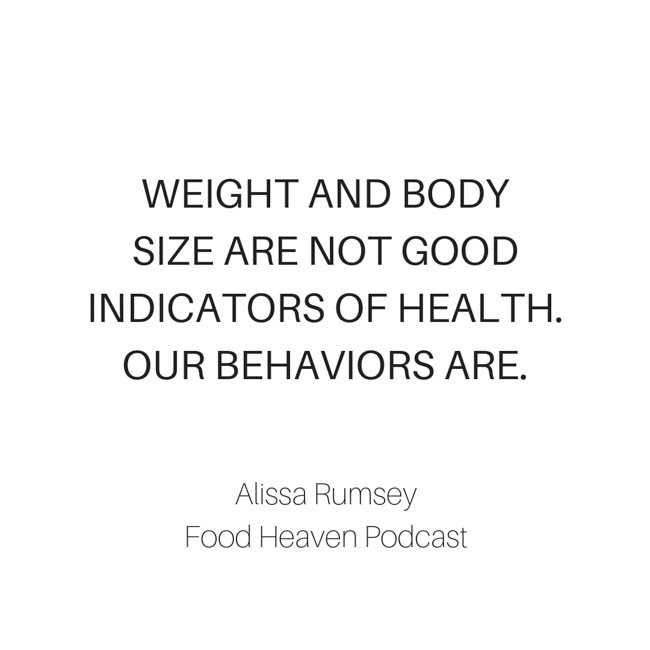
    Alissa Rumsey: Yeah. Yeah. So okay, so well I guess first to address the piece of like losing weight for health reasons. So weight and body size or body shape are not good indicators of health. And this is supported by lots and lots of scientific research and study after study shows as that it’s not so much the weight or our size that makes a healthy body, it’s our behaviors. So it’s our behaviors around food, around movement, around stress, coping skills. So it’s really our behaviors, not our size and healthy bodies can come in a whole variety of shapes and sizes, which really means that losing weight, ‘for health’ is not necessary. The other piece of that that I think is so important is that the majority of people, I mean research shows anywhere from like 80 to 95% of people who do lose weight will regain that weight back.

    Alissa Rumsey: So that means that most of the time weight loss is not going to be permanent. And not only that, but about two thirds of people who lose weight will end up gaining it back and gaining back more than they lost. So ending up at a higher weight than they started out at. So not only does kind of this pursue of weight loss and altering like dieting, altering our food to try to make us thinner. Not only does it not lead to weight loss, but it can also, it has a lot of really negative side effects. So the studies show that diets and the pursue of intentional weight loss can lead to an increase of preoccupation with food in our bodies, can lead to overeating, bingeing leads to lower self esteem, disordered eating behaviors, eating disorders, and really, focusing on that way and that number detracts from our other health goals.

    Alissa Rumsey: Because what we see is that people who, that’s what they’re focusing on is that number. They tend to do things that are not necessarily actually supporting them in health. I think personally I think one big example of that is the keto diet. Like yeah, the keto diet can help you lose weight in the short term, but is that actually making you healthier? Like they’ve all these articles around like how crappy the keto diet makes you feel. So I think that right there is a prime for me, a prime indicator of how sometimes our pursuit of weight loss can lead us to make decisions that are actually not in line with health. So that’s part one about losing weight for health is not necessary.

    Alissa Rumsey: And then when she said feeling more energized in my body, Oh my gosh, like that is 100% aligned with intuitive eating because intuitive eating. So we kind of put weight on the back burner and instead intuitive eating another, and this might be part of one of the other questions, but I think one of the big misconception is that like intuitive eating is oh, just eat whatever you want whenever you want. But intuitive eating is 100% in line with health and is 100% a method for achieving health, including increasing energy and feeling more energized in my body.

    Alissa Rumsey: So really what we’re doing with that is instead of putting the focus on eat these certain foods don’t eat these. And again, when we think about what people will do for weight loss, often it is not eating enough, which is going to be an energy tanker right there, often it’s pushing their body too much again in eating like these set foods that might not be ones that make you feel most energized. So when we put this in from the lens of intuitive eating, what we’re doing is really tapping into your own body because everybody is different. And figuring out like, “Okay, what foods do make me feel energized? What foods don’t.” And both types, amounts, timing of food. Like how does that feel? And so really like putting that into your own hands and letting, that’s where what I hope my clients do is like figure them out, figure that out for themselves what is going to make them feel most energized?

    Wendy Lopez: So, yeah, there’s definitely this idea that for people living with chronic conditions intuitive eating isn’t for them because there seems to be just like very rigid recommendations for people that have certain chronic conditions. And I love that you mentioned the health piece because I think within intuitive eating, there’s this idea that there is no space for honoring nutrition and honoring health. And because… this is really leading me into the next question, which is for someone who has a family history of diabetes, how responsible is intuitive eating? And I think that that is a great question because of all the ideas around chronic conditions, like I was saying, and we actually have a whole podcast episode about this where we interviewed a registered dietician that talks about intuitive eating with a chronic condition.

    Wendy Lopez: But there definitely is a place for nutrition and I think especially if you do have certain risk factors for chronic conditions, there are things that you can do to help mitigate those risk factors through food. And I think that that’s okay to incorporate that into your approach to intuitive eating. So what do you think about that?

    Alissa Rumsey: Yeah, I definitely agree. So intuitive eating, like I said before, it’s very pro health and it’s for everybody. It’s a framework we can use for everybody, not just people with disordered eating behaviors. And you know like the problem with like food rules and diets, even if it is for specific health issues, is that that type of… like if someone feels restricted that is still going to trigger overeating or bingeing. So in the case for example of diabetes, if someone is told, “Okay you have diabetes, you shouldn’t eat as much sugar or you should count your carbs.” Okay, yes, that is in a line for helping them keep their blood sugar stable. But if that person body interprets that either like physically restricted like, “Oh not keeping this stuff in the house can’t eat it.” Or like mentally and emotionally restricting of like, “Oh that’s bad for me, I shouldn’t have it.”

    Alissa Rumsey: Our body biologically is still wired from thousands of years ago where any type of restrictive feeling like that triggers our body’s starvation response. So even though it’s in the name of health and for this case diabetes, you try and say, “Okay, I should count my carbs. I shouldn’t eat this, I should have that,” Is still going to trigger that bodies starvation mechanism. And so even though you have food all around you, what your body thinks is that like, “Oh, restriction is coming, I’m going to be starving.” So it triggers cravings and it triggers over eating and eating often past the point of comfortable fullness. So really with this, instead of making things off limits, like unless there’s a truly immediate life threatening situation, which in the case of diabetes or generally is not, what we do is really work to help people understand and help people make peace with food and give themselves permission to eat while tuning into their own body.

    Alissa Rumsey: So once they’ve really learned to trust their body and trust and kind of figure out what certain foods do to it and trust your… remove that kind of restriction mindset and replace it with, “Okay, I’m allowed to have whatever I want, but if I eat X, Y, Z food, I know that my blood sugar goes up really high and then it crashes and then I’m hungry again. And so this is probably not the best thing to do all the time.” So really, with this, like in the case of diabetes, if you’re craving like a certain food, instead of like, “Oh no, I shouldn’t have it,” Maybe eating it. And then noticing, you know, being curious, okay, how does that make you feel? What does that do to your blood sugar? Do you have an energy crash after does that thing actually tastes good? Kind of using all these different pieces.

    Alissa Rumsey: So, it is getting that framework of intuitive eating and those bases down first and then starting to work in some gentle nutrition. Because intuitive eating, I mean gentle nutrition is one of the 10 principles. So nutrition is 100% involved. And with this case with diabetes, it would be nutrition for blood sugar balance. But really we need to make sure that we’re not triggering that restriction mindset. So, in this case too we might talk about, okay, instead of things we’re taking away, what can we do instead to add to your diet to help improve these health conditions or improve blood sugar management. So from a place of abundance rather than scarcity or restriction.

    Wendy Lopez: And I think also specifically with diabetes, it’s just like the first thing that comes into people’s heads is no carbohydrates like, “I can’t have any sweets, I can’t have any carbohydrates” Or people that have hypertension, “I can’t eat any salt,” And these are not the recommendations that we give in a clinical setting. So I think just automatically this idea of restriction just naturally comes with a lot of these chronic conditions.

    Alissa Rumsey: Exactly, exactly. And again, it may be needed to help with health conditions like a restriction of some sort, but just knowing that that restriction, if we come at it from that place of like, “Oh I shouldn’t be doing this,” It’s going to trigger our body’s starvation mechanisms. So if we can instead work on some pieces of have in the intuitive eating, you know with the intuitive eating model to get you to a place where it doesn’t feel restrictive and instead you’re making these health decisions or these food decisions from a place of self care, that’s going to be really, really powerful.

    Wendy Lopez: And I’ve also found like in clinical practice it helps with blood sugar control. When you just have like more of a balance, like patients tend to do better with how they’re feeling with their lab values because they aren’t so extreme with it and they’re able to maintain their blood sugars more controlled over long periods of time.

    Jessica Jones: Right. Then just counting everything out.

    Alissa Rumsey: Oh, 100%. Yeah. I mean I see this too where like a lot of people, it’s like, Monday through Friday like things are great and like everything is on point. And then the weekends that like all goes to hell. Yeah. So yeah, with this it becomes more even, I also think too, it allows you to obviously yes, food plays a role, but it’s not the only thing. Actually, like right before this I was on Twitter and someone had tweeted about this study that was looking at people and their a A1c and their blood sugar levels and it was something like, okay, 2003 A1C is 15,  2018 and 2003 or 2013 homeless with an A1C of 15, 2018 has a home A1C is eight, 2019 homeless again A1C up to 15 so, it’s not just food that comes into play here, it’s stress and it’s our coping mechanisms and it’s all sorts of things. So yeah I think with intuitive eating it allows you to really like see the whole picture, not just okay let’s cut this out to get blood sugar down.

    Jessica Jones: Exactly. I really like this next question because especially as Wendy and I were learning more about intuitive eating and when we were working with basically poor people in underrepresented populations, it felt intuitive eating. The conversations felt kind of more theoretical and for people we were working with almost like a little bit elitist. So how can we create more non elitist feeling, at least intuitive eating conversations that are practical for everybody, no matter if it’s somebody who is working two jobs and maybe has some food access issues or somebody who which is a more common picture that you see like has struggled with disordered eating. Like how do we yeah, make it so it doesn’t feel elitist for some folks?

    Alissa Rumsey: Yeah. Oh my gosh. I think this is such a good question. And I also, I’m really looking forward to hearing both of your input too because I do not work with this population that much, but you’re right. And this is something that I have and I’m definitely not doing it enough, but I’m trying to more and more like preface a lot of what I talk about with intuitive eating is a privilege, to be able to eat what you want, when you want to have access to all these foods, to be able to play around and taste different things and see what you like and see what you don’t like and throw away food if it’s something that doesn’t taste good. That is like totally comes with privilege. So for someone with, for financial reasons or like access to food reasons like survival is number one.

    Alissa Rumsey: So if we think, I always think of like Maslow’s hierarchy of needs, we need to have consistent access to food and to nutrients and really that breaks down to like calories at the end of the day. And if we don’t, yeah, a lot of this like doesn’t matter. And so yes, like definitely baseline the access to food thing is huge. And if you’re living with like financial struggles, barriers are just multiplied, whether like you mentioned someone working couple of jobs probably going to have limited time to prepare food. You’re not having access to try like lots of different kinds of food.

    Alissa Rumsey: But I think it can still intuitive eating, the sense of just like tuning into your body and noting within your excess that you do have noting like what feels good and noting like hunger cues, noting fullness cues, different things like that. I think it can certainly still be framed, once we kind of take care of that, that access to the food thing.

    Wendy Lopez: Yeah, those are really great points. From working with people that have low access to fresh fruits, vegetables, produce, people who are struggling financially, I have found it. The most helpful thing that I have found is to just really listen. Because I think especially as health professionals, we just kind of like recommend, recommend, recommend and we don’t really take into account everything that’s going on. And yeah, with people that have food insecurity, there’s just so many issues beyond food, like mental health, housing. So really just trying to understand the full picture and asking a lot of questions.

    Wendy Lopez: And also understanding that they might not be in a space to be able to eat intuitively. And I think that that’s okay too because yeah, I mean I’m just remembering like a lot of the patients that I was working with in the clinic, mostly undocumented patients and they would be working like 18 hour shifts and they would only be able to eat one meal a day because yeah, they had a very small window to eat and then they would just go to bed and then work for like hours on end. So just really exploring everything that’s happening. And also, like you said, like at that moment when you are eating that meal, what is the best that you can do at that moment to try to be present with the meal that you’re eating and to try to, I think just be more mindful because a lot of us… I think just in this kind of society that we live in, we just eat on like automatic. We’re not really tuning into how we feel when we’re eating.

    Wendy Lopez: And also a lot of people just don’t have that basic education about okay, what is a carbohydrate? How do you balance a plate? And that dental nutrition I think comes in very useful, especially for people that don’t have high health literacy, they don’t know the first step into balancing a plate. Just having those basic guidelines and doing the best that you can with whatever it is that you’re working with.

    Alissa Rumsey: Yeah. Yeah. And I think that’s what’s so cool about gentle nutrition, right? Is that the emphasis is like zooming out and not obsessing about like every little thing you’re eating. But really about like the overall pattern and it’s kind of the opposite of this wellness culture, which is very elitist and it can make it, wellness culture says to us like you have to have all this money to be healthy with like all these expensive super foods and gyms and all of this stuff when you guys know this too. But like real healthy eating is definitely, it can be accessible and while there certainly can be some barriers there, whether it’s access or time. That’s what I think is so cool with intuitive eating is that, if someone is deciding that they want to work on their health, which again can be a privilege to be able to decide that you want to do that. The gentle nutrition piece really is very accessible I think.

    Wendy Lopez: Right. I think there’s also the idea that intuitive eating is only for people that have disordered eating habits. And we got one question asking about people who eat when they’re not hungry or it’s not necessarily disordered eating, but like lets say they’re in a social gathering and yeah, and they’re just eating because there’s food there. Does that mean that they’re not able to practice intuitive eating or like what are the exceptions?

    Alissa Rumsey: Yeah, so you know, again, theme of this episode, intuitive eating is for everybody and you know, we tend to talk a lot about it around people who have a history of tidying or restricting food intake, but it is 100% not just for those types of people. It really is for everybody. And you mentioned that hunger or like eating in the absence of hunger or like eating in social situations. First of all, just to address that point specifically, totally normal to eat when we’re not hungry. And there’s going to be times that we’re going to do that and that’s totally fine. I think that example is a great one. Like you’re at a party, there’s food there, maybe it’s not like dinner time yet or maybe this isn’t the food that you really feel like, but you’re like, “Eat some of it.” And intuitive eating you said before, like bringing the mindfulness piece in.

    Alissa Rumsey: And that’s what I think about here is we’re really using mindfulness to help people become more aware of their own body cues, which is helpful for everybody, not just people with disordered eating behaviors. Because you’re really like learning more about your body and becoming more aware of your body. And it also puts the emphasis on paying attention to, is this food enjoyable? Does it taste good? Do you even feel like eating or is it more kind of eating on autopilot? And it does it in a way that’s not like judgey or Shamie like, “Oh no, no, you know, only eat when you’re hungry. Not at all.” It’s about like, “Okay, you’re eating when you’re not hungry. Like what’s going on here? What’s kind of coming into play?” And getting curious rather than using judgment.

    Jessica Jones: Absolutely. My next question, actually, this is our last question that we’re on the address that was submitted and it’s my favorite one because it comes up a lot. How do you practice intuitive eating when you love to eat all foods, including like calorically dense sweet foods, for example, what if I always intuitively want a doughnut? What are your thoughts?

    Alissa Rumsey: Oh my gosh, you’re right. This is definitely the number one question I get. Like, “Oh, if I just eat what I want, I’m always going to want a doughnut.” And I’m like, well, so the thing is you think that because it is like we are taught like dieting, the dieting industry is, is multi multibillion dollar industry that teaches us that and it’s in their best interest to teach us that we are able to control what we eat. And in order to eat healthy we have to like follow these external rules because for left to our own devices, we’re just going to eat all this not so great stuff. And that’s not the case at all. So what ends up happening with intuitive eating or I guess the other piece of that too is it’s important to realize that thinking like, Oh, I’m always going to want a donut that is signaling to me that you have some restriction built up around doughnuts there, whether it’s physical, where like you’re not letting yourself buy them or eat them or like mental of like, “Oh, doughnuts aren’t healthy, I shouldn’t have them.”

    Alissa Rumsey: And like going back to what I said before, our body reacts that restrictive like mindset or the actual physical restriction by increasing our cravings for those foods. So it’s totally normal to feel that way. And yes, when first starting out with intuitive eating for many people like the foods that they haven’t been allowing themselves, in this case, maybe a doughnut. Yeah, they might want a doughnut every single day. And I encourage them to get that tone in every single day because what you have to do is really work through that and get to a place where your body and your brain trust that. Like, “Okay, I want a donut, I’m going to let myself have it.”

    Alissa Rumsey: Because right now what’s probably happening is like there’s that like internal dialogue, like, “Oh, I really want a doughnut but I shouldn’t have it. I already had dessert, I have this.” And so your body is getting this message of like, “Oh, she’s not going to let me have this. So I got to like increase these cravings more and more. So once you get to this place where it’s like your body trust, like, “Okay, I have access to this food, I can have it when I want it.” You actually get to a place where you don’t, you’re going to not always want that. Like yes, you might be like, “Okay, do I want a doughnut right now?” And you’re going to get to a place where going to be like, “You know what? I don’t have one if I want it, but like not really what I’m feeling like.”

    Alissa Rumsey: This also brings us to food habituation, which is super fascinating. And there’s a lot of research around this and habituation is, I always joke and we’ve seen this during this podcast episode, living in New York city, I’ve lived here for 11 years. I do not even notice when a siren goes off. Meanwhile, like friends of mine who don’t live here, they’re like, “Oh, what’s happening? What’s that?” And I’m like, “What are you talking about?” And that’s because I’ve been habitual. I become habituated to the noise around me. Same thing happens with food. When we are around food all the time and we’re eating it all the time, it becomes not as special and not as exciting versus when we don’t allow ourselves things or we don’t have them, then they become more exciting. We want them more and more.

    Alissa Rumsey: So for a while, yeah you might be in that doughnut almost every day, but eventually everybody gets to this place. We’re naturally, they come to this like natural balance of eating, and this is also where the gentle nutrition comes in, but eating, a good chunk of the time like eating nutritionally dense, healthier foods. And then a smaller amount of time with like those fun foods or play foods.

    Wendy Lopez: Yeah, well I think also that’s where that basic structure comes into play because if you’re under nourishing throughout the day, you’re going to want to crave those like instant satisfaction foods more. And I have found with the people that I’ve worked with that when they’re always gravitating towards sweets or carbohydrates that they see as like special treats, it’s because they’re under eating throughout the day and they want like a quick boost of energy and they want that quick satisfaction.

    Alissa Rumsey: Yeah. Oh my gosh. Exactly. No, that is such a good point. And that is also something I see with all of my clients. Like once we get them to a place where they’re actually eating like consistently throughout the day, which eventually they might not have those hunger signals immediately, but eventually like that our bodies naturally want fuel like every couple of hours. And yeah, once they’re doing that, like those cravings totally plummet because your body has like, you’re honoring your hunger and your body’s like, “Okay, she’s going to feed me when I’m hungry. I don’t need to like increase his cravings” And yeah we get cravings for those like high fat, high sugar foods that are calorically dense. Because again, if we think about our bodies are still wired from thousands of years ago when there wasn’t a lot of food around.

    Alissa Rumsey: So as a survival mechanism, those calorically dense foods were really important. Like if we really weren’t going to have much access to food then yeah that. So that’s how our bodies are wired and that’s how we’ve developed. And so even though food for those of us who are lucky enough to be food secure, food is everywhere. Our bodies still react to the same way.

    Wendy Lopez: And just a quick question that came up in my head from this conversation. What about for someone? Because we get this a lot where people are just like, “I’m not a breakfast person.” And just, seeing how that can manifest into the eating habits that happen later on throughout the day where it’s like they either feel undernourished or they gravitate towards foods that give you quick energy because they skip that breakfast. But they just might not be hungry in the morning. What do you think about that? Because in my experience I’ve been like, “Okay, well let’s try to do the whole like habituation where maybe you introduced something small in the morning just to get your body adjusted and to having that first meal within a few hours of waking. But what are your thoughts? Like is that something that should be done?

    Alissa Rumsey: So I think it totally depends and I think with where I typically think about is like, okay, let’s do some trial and error. Let’s play around with this. So, okay, you’re not hungry in the morning. Totally fine, don’t eat anything and then see what happens the rest of the day. So for people who are maybe not hungry right away, I would say, okay, if there’s someone who has a really flexible schedule where they’re able to maybe at like 11:00 AM eat something, then okay, let’s play with this. Let’s not eat right away and let’s still like be tuning into your body so that when you feel that hunger, like then you eat. Now this doesn’t necessarily work as well for someone like a teacher for example, who has like a really set schedule and maybe doesn’t have a lunch break til 1:30 so again, trial and error, okay, let’s see what happens if you don’t have breakfast and you can’t eat till 1:30 what is happening prior to 1:30.

    Alissa Rumsey: And I think for a lot of people what they’ll notice is, “Okay, I’m getting really hungry by 11 but I can’t eat. Then by 1:30 I’m starving, my blood sugar is low, I’m getting a headache.” So it’s like, “Okay, eating something in the morning, even though I’m not super hungry yet is actually going to help me.” And then it’s trying that out. Okay let’s practice. Let’s like eat something in the morning and then see what happens come 1:30. So it’s really giving them that autonomy to trial and error. And again, instead of like judgment, just that awareness is so, so key and just paying attention and getting curious to what happens.

    Jessica Jones: This reminds me of your Instagram posts that I have been using with people where you talk about travel hunger versus physical hunger versus planned hunger. I love the idea of planned hunger where you’re, maybe you’re not hungry but you know that you’re not going to have an opportunity to eat because of X, Y, and Z. So you need to have something that’s going to last you as long as you need it too. And just like reminding people to think about that. Like if your schedule is insane and you’re, let’s just say like I work with a lot of maybe medical residents and they’re on in their clinical whatever rotation and they’re on the floor for eight hour shifts. Like they don’t have time to have six small meals, even though in their mind they’re like, “Oh, I shouldn’t be doing that.”

    Jessica Jones: And so then once you like tease out what’s actually feasible for you, it can help people come to like the path of what is intuitive eating for me? Because all of those things are factored in.

    Alissa Rumsey: Yeah, exactly. Exactly.

    Jessica Jones: So what are three things in wrapping up three things that people can do to get started with intuitive eating today?

    Alissa Rumsey: Oh, that’s such a good question. Okay. So, well first I would say the number one thing, and this is kind of Evelyn talks about this is kind of the foundation of intuitive eating, starting to bring your awareness to… so we talked a lot today about what intuitive eating is and what it isn’t. So starting to bring your awareness just to the different dietary type messages that you hear, that you see that you read throughout the day. And then starting to create what I call like a diet free bubble for yourself. So, just bringing awareness, like I mentioned earlier in the episode about this client of mine who was like, “Okay, I’m not restricting. So I’ve rejected the diet mentality,” And it’s like, well, and we talked about all these other things that were still diet mentality.

    Alissa Rumsey: She was still like tracking her steps for example and was still like logging food. And so just starting to bring awareness to these types of messages that you’re getting and then trying to start to build a bubble. So things like getting rid of books or magazines that you have that are, maybe they are like calorie focused recipes or maybe they are like, you know, losing weight type of focus books. Like getting rid of those types of things. If you’re someone who uses a lot of social media, really curating your feed so that you’re not following a lot of those diet type messages. And starting to follow people that share more positive, more inclusive, more intuitive eating related messages. I actually have a blog post where I share, gosh, probably at least like 50 different accounts that I recommend.

    Alissa Rumsey: I’m happy to share that with you guys from maybe the show notes. People are looking for that. But yeah, so really starting to bring awareness to the how much diet culture there is around naming that as like, okay that is diet culture or that is diet mentality and then starting to do things to move away from that. And the other thing I would say is another great place to start, just starting to bring more awareness to your body throughout the day. And what I mean by that is more specifically with like hunger and like how your body feels hunger throughout the day. So thinking about, okay, when are you feeling hunger? How does that feel like in your body? Are you, what sorts of things like if you’re eating end up satisfying that hunger, what things don’t satisfy that hunger? Are there times that maybe your body’s signaling hunger and you’re not feeding it and how come?

    Alissa Rumsey: And really starting to just bring more awareness to how that shows up for you throughout the day can also be helpful to do that to use like a hunger fullness scale and looking at, okay, before a meal, like checking with yourself, “Okay, where am I on the scale now?” And then partway through a meal, “Okay, where am I now?” And then as you finished eating, so really again to bring more awareness and more consciousness to how your body’s feeling. And then the third thing that I think is really powerful is starting to ask yourself, “What is it that I want to eat right now? What sounds good to me right now?”

    Alissa Rumsey: So often we get into these kind of just routines where it’s like, “Okay, this is my weekday lunch,” Or “This is what I’m having, or this is what I’ve meal prep. So I’m eating it.” And instead, taking that pause and saying, “What sounds good to me right now?” And if you’re someone that doesn’t do this often, or if you’re someone who’s been following a lot of external rules or just, yeah, ignoring your body signals, this is going to be really hard. And at first you might be like, “I have no clue what I want to have right now or what sounds good.” So you have to do this like day in, day out for a while and then you’re going to start to… and again, trial and error.

    Alissa Rumsey: Okay, “I’m not really sure like I was going to get a salad but let me try a sandwich and see if that’s satisfying.” It’s like, “Okay, no that didn’t really do it.” And so like the next day trying something else. But really this is going to help for that satisfaction piece and also to help you start getting more in touch with what your body needs.

    Wendy Lopez: Great. This is literally the last question. It’ll be real quick. I’m sure. I know you got to go. We might have to do a part two because a lot of questions are coming up in my head, but I know you mentioned the steps and that’s something that a lot of people do, like tracking steps. And you were saying how that can play into diet culture for someone who does well with just having more of like a fitness structure because maybe they just want to keep track or they’re very forgetful or they want to, yeah. Just have more of a regimen. Is there, does that like definitely not align ever with intuitive eating or what do you think about that?

    Alissa Rumsey: So, with like the steps tracker in particular?

    Wendy Lopez: Yeah. Because a lot of people do that. Like I’ve done that in the past and sometimes I even do it now where it’s like, especially when I’m traveling, I want to try to stay active and sometimes the only thing I can do is walking, and I want to try to incorporate, yeah. Like at least a certain amount of walking per day and it just serves as like a good reminder for me.

    Alissa Rumsey: Totally. Yeah. So I think again, you really have to like, I encourage everyone to, if you are using a step tracker okay, get curious as to how that affects you. For a lot of people that focus on the numbers can get really like the keeping up overly fixated on the numbers and get really preoccupied and then feel really guilty or feel like, Oh I failed. I didn’t get those steps and then, okay then what happens then do you then be like, “Oh well screw it. Like does not worth it to like walk down the block because like I’m not going to hit 10,000,” Or like what kind of happens also is tracking like is that causing you more stress? So are your stress levels increasing? Because you’re either trying to get those steps in or you’re feeling bad because you couldn’t, is it affecting like your social life or your relationships?

    Alissa Rumsey: So really just, I think for some people seeing some numbers or having some data can be helpful, but there’s a line. And so really figuring out for yourself, is this something that’s actually helpful or is it not? So for example, for myself, I used to… this is not a step tracker, but it’s another kind of health thing, which I think is really interesting. I started tracking my sleep last fall using a sleep tracker app. And at first I was like, okay, this is helpful and like seeing stuff. But within just a few days I realized that the app was actually getting to be more harmful because not only could I like, not fully understand even what the graphs ment, but then I really got really discouraged when the app didn’t match how I felt.

    Alissa Rumsey: So like one night I slept so great and I was like, okay, awesome. And I looked at the app and the app said that I slept poorly and then I felt really bad. So, it’s like, okay, this is not actually helping me, it’s causing me like more stress around this. So I think just again, getting curious and seeing about like how does this really make you feel? And are you able to use it in a way that’s helpful without being harmful?

    Wendy Lopez: I love it. Yeah. I’m also just being compassionate and yeah, embracing the gray areas because I think yeah, sometimes a tutoring meeting is presented in a very black and white way. So it’s like it doesn’t, you don’t have to have the exact answer and things can be very flexible depending on where you are with it. This has been great. I learned so much. Thank you so much for hopping on with us. Alissa, tell our listeners where they can learn more about your work.

    Alissa Rumsey: Sure. So my website is alissarumsey.com and then you can also check me out. I’m on Instagram. I know we mentioned my Instagram here. I spent a lot of time there. So that’s @alissarumseyRD. I also have a Facebook support group for intuitive eating and body image support. So that is facebook.com/groups/ditch the diet support. So that’s a really awesome group. And we talk a lot more about all of these kinds of topics as well.

    Wendy Lopez: Awesome. Well, thank you so much, Alissa. We will talk to you later.

    Paris Alexandra: Okay, sounds good. Thank you guys so much for having me.

    Jessica Jones: Bye.

    Alissa Rumsey: Okay, bye.

    Wendy Lopez: Thank you so much for tuning into another episode of the Food Heaven podcast. If you loved this episode as much as we did, make sure that you leave us some stars. Give us a thumbs up. Listen up to this review by. Yes, Vega. Today was my first day listening to the podcast wides and my makeup for a webinar. I have impressed, stopped and already listened to three episodes during my get ready routine. I’m glad I found you girls.

    Jessica Jones: Glad you found us too, and make sure that you all subscribe to our podcast takes one second and that way you’ll never miss an episode. Our episodes are released every Wednesday and we cover tips and tricks for how to make lifelong changes that help you live a healthy, balanced life. We also interview experts in health and nutrition to pick their brain on how to cultivate a healthy life that you love. If you’re feeling social. You can also connect with us online. We are on Instagram @foodheaven and we hope you enjoyed this episode. We’ll catch you next time.

    Jessica Jones & Wendy Lopez: Bye.


    Filed Under: Podcast

    Beauty Standards, Sex, Body Image, & Relationships w/ Melissa Fabello

    August 21, 2019 by Wendy Leave a Comment

    Today we’re talking with Melissa Fabello, PhD, a social justice activist whose work focuses on body politics, beauty culture, and eating disorders.

    As a digital creator, Melissa develops online content to challenge others to unpack oppressive ideology around food, bodies, and beauty. Known for being both no-nonsense and witty on Twitter and Instagram, she warmly, but firmly invites followers into hard conversations around wellness.

    Melissa is also a licensed educator with over a decade of experience working with diverse populations, which deeply informs her work today. In the form of workshops and speeches at various universities, organizations, and conferences, Melissa educates students and professionals in a hands-on, dynamic atmosphere. Her energetic presentations are created around participant-centered learning objectives, and her audiences leave her talks not only with knowledge, but with tangible skill sets.

    She received her PhD in Human Sexuality Studies at Widener University, where her phenomenological research explored how women with anorexia nervosa make meaning of their experiences with sensual touch. The results of her work can be found in her groundbreaking ebook, Appetite. Melissa also holds an M.Ed. in Human Sexuality and a B.S. in English Education from Boston University.

    In this episode, we’ll talk about:

    • Ways that poor body image and disordered eating manifest sexually
    • How partners help to build trust and connection within the relationship when one partner has an eating disorder or body dissatisfaction
    • What language partners can be more mindful of, or avoid entirely, when talking about wellness, bodies, and sex
    • How the societal standards of beauty impact who we are attracted to
    • Practices that women struggling with body dissatisfaction can do to feel more confident in the bedroom
    • & MORE!

    Resources:

    • Website
    • Instagram
    • Twitter
    • Beauty School: (scroll down to subscribe) A monthly newsletter that includes an original essay, a suggestion for an awesome activist to follow, and 
      Melissa’s favorite links floating around the web.
    • Appetite: A 100-page instantly downloadable ebook on anorexia and women’s sexuality – the only comprehensive resource on the topic in the world.
    • Work with Melissa

    SHOUT OUT TO OUR PODCAST SPONSORS

    Looking for interesting CBD products that go beyond the usual pills or oils? Check out Cured Nutrition’s CBD cookie dough, dog treats, & more! Get 15% off all Cured Nutrition products with code FOODHEAVEN at checkout!

    Can you do us a huge favor?

    If you enjoyed this episode, please do us a huge favor and leave us a review on iTunes ….right now. The more reviews we get, the higher we are ranked in iTunes, which means we reach more people!

    Become a podcast sponsor:

    Our podcast reaches thousands of engaged listeners each week. If you are a brand interested in becoming a sponsor, contact us to learn more about our affordable rates.

    Connect with us online:

    • Instagram @foodheaven
    • Twitter @foodheavenshow
    • Facebook @foodheavenmadeeasy
    • Pinterest @foodheavenmadeeasy

    Our podcast is released every week. In each episode, we cover tips and tricks for making lifelong sustainable healthy living changes to upgrade your diet and health. We also interview leading experts in the field of health and nutrition. We hope you enjoyed this episode, and we’ll catch you next time!


    Filed Under: Podcast

    • « Go to Previous Page
    • Page 1
    • Interim pages omitted …
    • Page 43
    • Page 44
    • Page 45
    • Page 46
    • Page 47
    • Interim pages omitted …
    • Page 96
    • Go to Next Page »

    Primary Sidebar

    Search

    Let’s Connect

    Meet Wendy & Jess

    Registered Dietitians & BFF's. We're probably busy eating right now.

    Subscribe to our Podcast

    food heaven podcast

    Podcast Hookup Codes

    food heaven podcast hookup codes

    Meet Wendy & Jess

    Registered Dietitians & BFF's. We're probably busy eating right now.

    • Diabetes Digital
    • Our Story
    • Recipes
    • Resources
    • Articles
    • Contact
    • Policies
    © Food Heaven Made Easy
    In order to provide you with the best service, our website uses cookies. By continuing to browse the site you are agreeing to our Privacy Policy I consent
    Privacy Policy

    Privacy Overview

    This website uses cookies to improve your experience while you navigate through the website. Out of these cookies, the cookies that are categorized as necessary are stored on your browser as they are essential for the working of basic functionalities of the website. We also use third-party cookies that help us analyze and understand how you use this website. These cookies will be stored in your browser only with your consent. You also have the option to opt-out of these cookies. But opting out of some of these cookies may have an effect on your browsing experience.
    Necessary
    Always Enabled
    Necessary cookies are absolutely essential for the website to function properly. This category only includes cookies that ensures basic functionalities and security features of the website. These cookies do not store any personal information.
    Non-necessary
    Any cookies that may not be particularly necessary for the website to function and is used specifically to collect user personal data via analytics, ads, other embedded contents are termed as non-necessary cookies. It is mandatory to procure user consent prior to running these cookies on your website.
    SAVE & ACCEPT