• Skip to main content
  • Skip to primary sidebar
Listen to the Latest Podcast EpisodeAnd We’re Back! Introducing: Diabetes Digital
Food Heaven Made Easy

Food Heaven Made Easy

Black Registered Dietitian Nutritionists | Intuitive Eating Dietitians

  • About
  • Press
    • Diabetes Digital
    • Start Here
    • Podcast
      • Hookup Codes
    • Work With Us
    • Resources
      • Recipes
      • Blog
      • Cookbook
      • Books We Love
    Looking for nutrition counseling with expert registered dietitians?
    Get Started

    Wendy

    Should You Consume Artificial Sweeteners?

    January 17, 2018 by Wendy 4 Comments

    You’ve probably seen them everywhere. Just head to your local diner, order a cup of coffee, and there are endless arrays of options for sweetening that coffee. Do you choose the pink packet? Blue packet? Yellow, green, white?  It seems like there are way too many options for sweeteners and artificial sweeteners out on the market, making it difficult to know which one, if any, to choose.

    Delving into the world of sugar, non-caloric and artificial sweeteners, can be quite a daunting task. And we constantly get questions, specifically about artificial sweeteners. Are they toxic? Do they promote weight gain? Is it better to just use real sugar? The confusion can seem overwhelming, so we did some digging to give you the latest, credible information on the topic. 

    In today’s post, we’ll guide you on how to choose the best sweetener for your lifestyle and goals.

    But first, what is an artificial sweetener?

    An artificial sweetener is often used in place of sugar to mimic the sweetened taste effect. These sweeteners often provide little to no calories when consumed, and are typically sweeter than regular sugar. Because of this, artificial sweeteners should be consumed in smaller quantities. They also don’t cause the same spikes in blood sugar that regular sweeteners (think sugar, honey, and maple syrup) do, which is why they’re popular among people with diabetes. 

    Types of Artificial Sweeteners

    Here is an overview of some of the most popular artificial sweeteners: 

    • Acesulfame-K – This artificial sweetener is created from a mix of organic acids and potassium. It is known to be 200 times sweeter than sucrose (table sugar). Brand name versions are Sunett and Sweet One.
    • Aspartame – Aspartame is one of the more commonly recognized artificial sweeteners often found in foods like diet soda and yogurt. It is 160-200 times sweeter than sucrose. Brand name versions of aspartame are Equal and Nutrasweet.
    • Neotame – Neotame is one of the sweetest artificial sweeteners at 7,000-13,000 times sweeter than sucrose.
    • Saccharin – Saccharin is one of the first artificial sweeteners and has received some of the most scrutiny. This one falls at 300 times sweeter than sucrose. The most common brand name of saccharin is Sweet ‘N Low.
    • Sucralose – Sucralose begins as a regular sugar molecule but is modified to make it unabsorbable by the body, so it is then excreted. It is 600 times sweeter than sucrose and more commonly known as Splenda.

    Another form of non-caloric sweeteners are sugar alcohols. Sugar alcohols include sorbitol, mannitol, xylitol, and erythritol. They do contain calories but are lower in calories than regular sucrose. These are often found in candies, gums, and other sweets. 

    Why People Use Them

    There are many different reasons why people choose to use artificial sweeteners. The most common use is blood sugar and weight management. Because non-caloric sweeteners contain practically no calories, some people use them in hopes that it’ll help with weight loss. Uncontrolled diabetes is another reason many people use non-caloric sweeteners. Since they do not have a direct impact on blood glucose response, they tend to be a tool for people with diabetes to manage their blood glucose levels. 

    All of those pro’s sound like a magic solution for our sugar-crazed country, right? Not quite. Let’s take a look at some of the latest research regarding artificial sweeteners.

    There is a vast amount of conflicting research behind artificial sweeteners, which is why they are always such a hot topic in the field of nutrition. The limitations of these studies exist because there isn’t a vast amount of these studies that have been done on humans. To make matters even more complex, many of these nutrition studies rely on observational research. When research is done through observations, this can lead to many different variables, making it difficult to correlate conclusions.

    Having said that, we can still gain some insight from the current research:

    Artificial Sweeteners & Insulin Response

    A recent study conducted by Washington University published in Diabetes Care found that when participants consumed glucose after drinking sucralose (aka splenda), they had a higher peak in blood glucose levels than when just consuming water before consuming glucose. They also found that insulin levels rose about 20% higher. This tells us that sucralose did have an impact on the blood insulin and glucose response mechanisms in the body. This study was specifically done in individuals with a BMI greater than 30. Other studies have even suggested that regular consumption of artificially sweetened beverages are linked with a higher incidence of type 2 diabetes.

    Artificial Sweeteners & Weight Gain

    A recent review of research assessing the intake of artificially sweetened beverages found a significant correlation between the consumption of sugar-sweetened and artificially sweetened soda intake and obesity. Another review found several different studies linking higher BMI with increased consumption of artificially sweetened beverages. Other studies have suggested that the use of artificial sweeteners may trick the mind into thinking it will be receiving calories to follow. But when the body does not receive these calories, we may be more likely to consume more calories to compensate for that physiologic response.

    Artificial Sweeteners & Gut Health

    Gut health is a vast area of researching emerging in the field of nutrition. Some studies have looked at research regarding artificial sweeteners and its impact on the gut microbiome. The gut is home to healthy bacteria that helps with many different bodily functions such as digestion and immune function. Studies have indicated that the consumption of saccharin (aka Sweet & Low) may increase the rates of glucose intolerance (which could eventually lead to diabetes) due to its impact on the gut bacteria. This is an area of newer research, but definitely something to be considered when choosing sweeteners.

    Artificial Sweeteners & Correlated Behaviors

    Some studies have recently suggested that there may be other behavioral impacts of drinking artificially sweetened beverages. This review found that after choosing a low-calorie beverage, participants overcompensated and consumed more later in the day. Often, when consuming a diet product in the day, you may later feel entitled to splurge on foods later on. This behavioral concept aligns with the diet mentality that we at Food Heaven are often trying to avoid. It encourages the binge cycle and diet mentality that are often linked to an unhealthy relationship with food. Check out our article on intuitive eating for more on developing a non-diet approach to eating.

    So what should you do?

    If all of this research has you feeling wary about artificial sweeteners, aim to sweeten your food with natural ingredients like fruit, honey, dates, or maple syrup. You can even use foods like bananas to sweeten baked goods or mix in berries to your yogurt. Although all of these sweeteners contain calories and sugar, they come from natural plant sources and contain other important vitamins and minerals. 

    Stevia can be a decent alternative if you’re looking for a more natural, non-caloric sweetener. Stevia is derived from a plant and the sweetness from the leaves is extracted and dehydrated to make a sugar-like substance. Research has found that stevia may have beneficial effects on blood glucose control and cardiovascular disease risk factors, however these studies were usually tested with greater doses that people wouldn’t typically consume. So in the case of uncontrolled diabetes or those looking to reduce added sugar consumption, stevia may be a good alternative to help reduce amounts of added sugar.

    What do we think?

    There is a lot that we do and don’t know about artificial & non-caloric sweeteners. Artificial sweeteners, specifically, may be linked with increased risk for diabetes, obesity, and other related behaviors. On the other side of the token, they may also help to lower total added sugar intake. They may be helpful for people with diabetes to help manage their blood glucose levels. We have had patients with uncontrolled diabetes, who initially benefit from the use of artificial sugars, as they try to cut back on added sugars. Deciding whether to use artificial sweeteners is really a case by case basis. Generally, we don’t recommend them, but again, we do see how they can be useful for someone who has uncontrolled diabetes. 

    Whether you choose artificial sweeteners, other non-caloric sweeteners, honey, sugar, brown sugar or maple syrup, aim to be mindful of portions. It’s best to consume sweetened foods in moderation and within the context of a healthy, balanced diet. Remember that these non-caloric sweeteners are way sweeter than sugar, and so you should use them in smaller amounts. 
    Filed Under: Articles

    Plant-Based Monday: Purple Radish

    January 15, 2018 by Wendy Leave a Comment

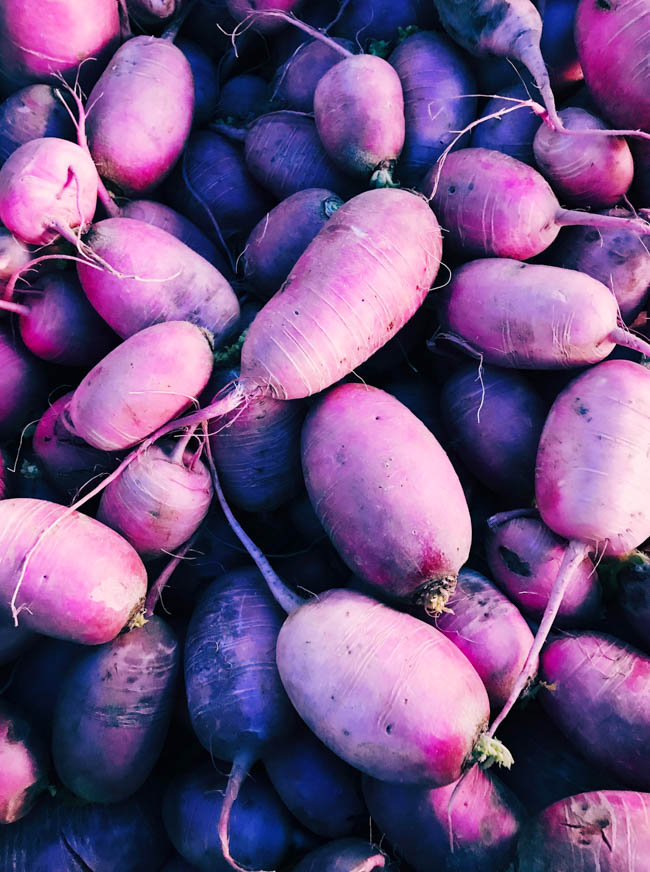
    Looking to spice things up? This week we’re checking out the gorgeous benefits of purple radish! We love adding purple radishes to salads and other dishes to liven up our plates with color, flavor, and nutrition! 

    Radishes are a close cousin to broccoli and Brussels sprouts in the Brassicaceae family. Originally found in Korea, the purple radish can now be found grown throughout the world and is available year-round. They are a good source of vitamin C and contain other important nutrients like folate and potassium. That purple color is attributed to a phytonutrient called anthocynanins, which has been found to have many powerful health properties. 

    Purple radishes have a distinctive spicy or peppery flavor. Often radishes are consumed raw, but there are fun ways to cook them. If you choose to cook them, they are good for braising, roasting, or even grilling. Cooking them will cut down on some of that spicy flavor.  And don’t forget to save those radish greens that grow on the top of the radish! Many people toss those greens, but they are perfectly edible and are great when added to salads, stir-fries, or pasta. They’re also great for making pesto! 

    Here are some yummy radish inspo recipes:

    • Goat Cheese Radish Tartine with Micro Greens
    • Roasted Radish with Herbed Ricotta Omelet
    • Roasted Radishes with Brown Butter, Lemon, and Radish Tops
    • Avocado Toast 2 Ways

    What are your best radish recipes? Drop a line and let us know your go-to’s!

    Filed Under: Articles

    Dietitian Spotlight: Jasmin Foster

    January 12, 2018 by Wendy 2 Comments

    1. Tell us a bit about yourself? My name is Jasmin Foster and I am from Jacksonville, FL. For the last 2 and half years I have been working as a dietitian in Washington, DC. I manage a skilled nursing/rehabilitation unit and a long term care floor. In addition, I work part time at another facility managing a smaller skilled unit. When I am not working at either nursing home, I am in my kitchen developing recipes, cooking, and building my own blog Mash & Spread. Over the last couple of years, I have gained a passion for photography. I love to inspire others to make conscious decisions that lead to a healthy, balanced way of life.
     

    2. What’s your favorite part about being a dietitian? My favorite part about being a dietitian is being able to see progress in the residents that I work with. I have the opportunity to build a relationship and follow residents for an extended period of time on the skilled floor and even longer in long term care.
     

    3. Describe what your typical week looks like? My week is filled with lots of work. During the day I am at my full time job and work part time on evenings and weekends. I dedicate time to my blog Mash & Spread in-between (mostly nights off and early mornings before work.
     

    4. How do you find balance between work & personal? Both of my jobs are very flexible, allowing me the freedom to work at my own pace. Communication with both of my employers is important.  I have to plan out my week to make sure I’m on top of everything and leave room for a social life.
     
    5. What are 3 foods you can’t live without? Mangos, pancakes, and sushi
    [line]
     
    Thanks so much Jasmin! If you want to learn more about what Jasmin is doing, go check her and her beautiful recipes out at Mash & Spread. Make sure to follow her on the gram too! xo


    Filed Under: Dietitian Spotlight

    Cauliflower Crust Pizza

    January 11, 2018 by Wendy 4 Comments

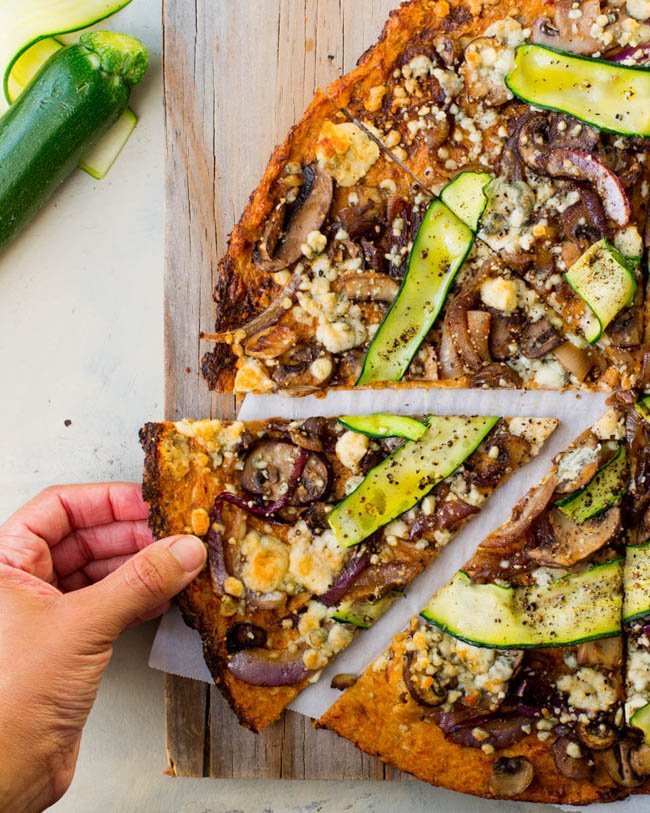
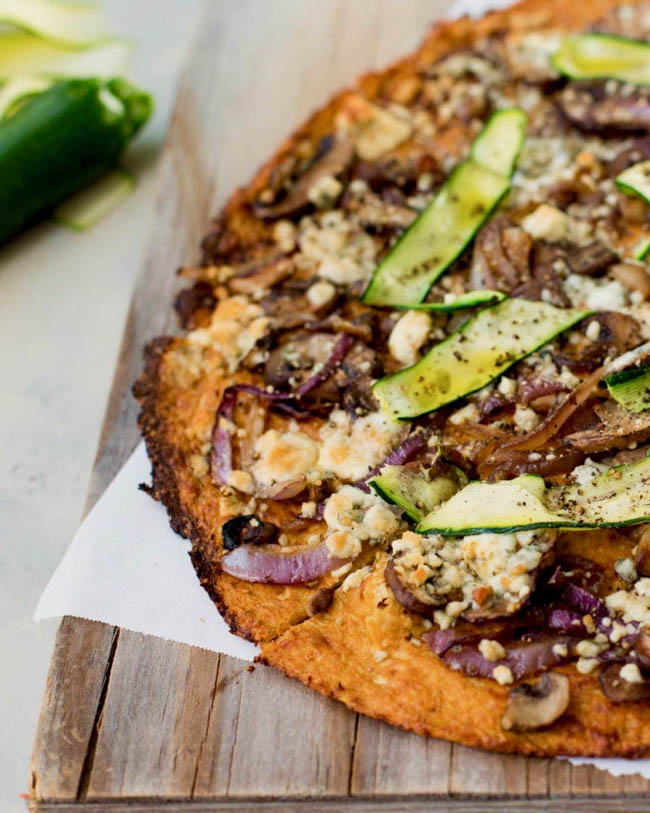
    Did you know that this week is pizza week?! Yes this is actually a thing, which makes me SO happy because pizza is one of my favorite foods (I am a native New Yorker) In case you missed it, cauliflower crust pizza is all the rage in the supermarket aisles and social media, so we thought…why not? Turns out, we’re really good at this pizza thing, and created a perfect crispy crust and loaded with veggies. Turn up for Friday night with Netflix and cauliflower crust pizza!

    Incorporating cauliflower into a crust is a such a fun and creative way to boost your veg intake. Cauliflower is loaded with vitamin C and has other nutrients like vitamin K and folate. If you’re someone who has diabetes or struggles with insulin resistance, using a cauliflower crust can be a great way to lower carbohydrate content. 

    Are you ready to get into it? Preheat the oven to 400F. Chop the cauliflower head into smaller florets and add to a food processor. Pulse until you have a cauliflower rice-like consistency. You may have to do this in batches depending on the size of your processor. Once that’s done, add the cauliflower to a parchment paper-lined baking dish. Bake for 10 minutes, then flip and bake another 10 minutes, until soft. While that’s happening, add the egg, cheese, and spices to a bowl. Whisk together and set aside. Once the cauliflower is done, allow to cool (you can pop into the fridge for 10 minutes to expedite cooling). Add the cooked cauliflower to the center of a cheese cloth or clean dish towel. Wrap the cauliflower within the cloth, and press out all of the water with your hands. Make sure to squeeze tight and get all of that water out. This is really important for making sure your crust holds well together!

    Once you’ve done that, add the pressed cauliflower to the bowl with the rest of the ingredients, and roll together with your hands into a ball, making sure all ingredients get worked in well. Line a baking sheet with fresh parchment paper, and add the ball to the sheet. Shape evenly into a ~7-8″ pizza crust with your hands, about 1/3″ thick. Make sure there aren’t any super thin spots. You can also create a crust with the edges if you like! Raise the heat to 425F, and pop into the oven for 25-30 minutes, until the edges have browned and the crust is firm. Once the crust is baked, you can then add your favorite toppings. We used zucchini ribbons, gorgonzola, mushrooms, and onions. Rebake for another 5-7 minutes. Slice and enjoy!

    Note: This recipe serves 4, and one serving is 1 large slice or 2 smaller slices.

    How do you like our version of the Cauliflower Crust Pizza? Have you made your own cauliflower crust before? Let us know your thoughts in the comments below!

    Print
    Cauliflower Crust Pizza
    Servings: 4
    Ingredients
    • 1 large head of cauliflower, ~4-5 cups pulsed cauliflower
    • 2 eggs
    • 1/4 cup shredded mozzarella cheese
    • 1/2 teaspoon paprika
    • 1/2 teaspoon garlic powder
    • 1/2 teaspoon red pepper flakes
    • Suggested toppings: Zucchini mushrooms, & onions, gorgonzola cheese, black pepper
    Instructions
    1. Preheat the oven to 400F
    2. Chop the cauliflower head into smaller florets and add to a food processor
    3. Pulse until you have a cauliflower rice-like consistency. You may have to do this in batches depending on the size of your processor
    4. Once that's done, add the cauliflower to a parchment paper-lined baking dish
    5. Bake for 10 minutes, then flip and bake another 10 minutes, until soft
    6. While that's happening, add the egg, cheese, and spices to a bowl. Whisk together and set aside
    7. Once the cauliflower is done, allow to cool (you can pop into the fridge for 10 minutes to expedite cooling)
    8. Add the cooked cauliflower to the center of a cheese cloth or clean dish towel. Wrap the cauliflower within the cloth, and press out all of the water with your hands
    9. Make sure to squeeze tight and get all of that water out. This is really important for making sure your crust holds well together!
    10. Once you've done that, add the pressed cauliflower to the bowl with the rest of the ingredients, and roll together with your hands into a ball, making sure all ingredients get worked in well
    11. Line a baking sheet with fresh parchment paper, and add the ball to the sheet. Shape evenly into a ~7-8" pizza crust with your hands, about 1/3" thick. Make sure there aren't any super thin spots. You can also create a crust with the edges if you like!
    12. Raise the heat to 425F, and pop into the oven for 25-30 minutes, until the edges have browned and the crust is firm
    13. Once the crust is baked, you can then add your favorite toppings. We used zucchini ribbons, gorgonzola, mushrooms, and onions
    14. Rebake for another 7-10 minutes. Slice and enjoy!
    Recipe Notes

    1 pizza yields 4 large slices, or 8 smaller slices. Store leftovers in the fridge, and pop right back into the oven to reheat!

    Filed Under: Main Courses

    Plant-Based Monday: Spinach

    January 8, 2018 by Wendy Leave a Comment

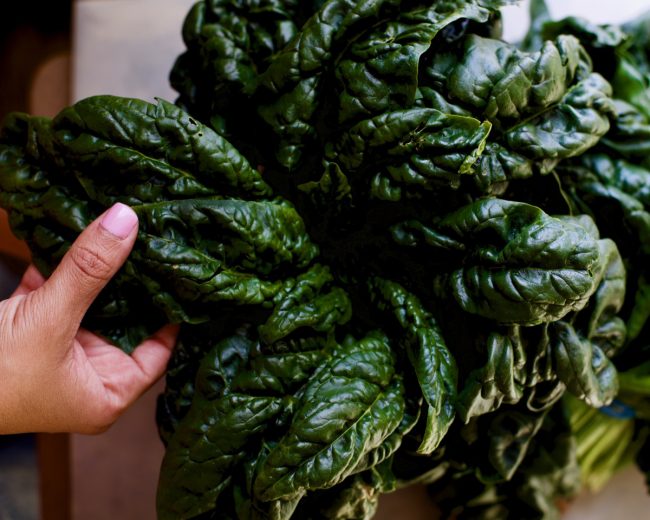
    Spinach is being featured for this week’s plant-based Monday for its amazing versatility and even more amazing nutritional content. 

    Spinach is a good source of folate, which plays major a role in brain function, mental and emotional health. Making sure you’re getting enough folate in your diet through foods can help to make sure that our brains are working as efficiently as possible. One cup of raw spinach has about 15% of your daily value of folate. It is also a phenomenal source of vitamin K and vitamin A.

    Most leafy greens fall into the plant category of cruciferous vegetables. However, this one is unique in that it falls into the chenopod or amaranth family. Other veggies in this fam are beets and swiss chard, as well as quinoa and amaranth.

    Depending on the recipe, spinach works great fresh or frozen. When I have tons of spinach in the fridge, I like to rinse it, throw it in a ziplock, and right into the freezer it goes. It adds a really nice texture to smoothies! Keep fresh spinach dry and in an air-tight container. Pro tip: throw a small piece of dry paper towel into the container with your spinach to absorb excess moisture. 

    Fun fact: Spinach has such a gorgeous color that Medieval artists used to use it for paint colors!

    We love including spinach in recipes like smoothies, salads, and savory bakes. A few of our favorites are:

    • Hearty Chipotle Spinach Frittata
    • Creamy Artichoke Spinach Greek Yogurt Dip
    • Spinach Sunrise Salad

    What are your favorite ways to enjoy this wonderful leafy green? Hands up if you love this green as much as we do! 

    Filed Under: Articles

    Dietitian Spotlight: Christy Wilson

    January 5, 2018 by Wendy 3 Comments

    1. Tell us a bit about yourself? I’m a mom. I’m a cook. I’m a picture taker. I’m a bike rider. I love listening to music, spending time outside and laughing with family and friends. I’m also a Registered Dietitian Nutritionist who loves to teach people how to eat for better health—it’s one of my passions in life. Everyone eats, therefore everyone can benefit from learning how to take care of themselves through diet. I love showing people how simple it can be and how beautiful and delicious nourishing foods are. My philosophy is that life is complicated enough… eating for wellness doesn’t have to be!

    2. What’s your favorite part about being a dietitian? Teaching people how to eat for wellness while working with the foods in the kitchen is one of my favorite parts about being an RD. I love doing food demos and teaching cooking classes where the organic conversation about food just flows like water! Whether I’m answering questions about organic vs. conventional foods, discussing information about nutrition facts food labels, talking about the health benefits of certain ingredients or about a particular cooking method, I love being able to address all of these questions while having the foods right in front of us.

    3. Describe what your typical week looks like? Simple question. Complicated answer! I am a part time nutrition counselor at University of Arizona’s Campus Health Service. I not only do nutrition counseling with students, I also write articles that are published in the university newspaper, speak in nutrition classes, and I am the staff advisor for Cooking on Campus, which is a hands-on cooking class taught by students for students. I am also a nutrition counselor at a local HIV clinic and I teach a monthly cooking class there. On all the other days (!), I do freelance work with food commodities and brands doing blogging, recipe development, food photography and social media promotion work. I’m also working on my first cookbook!

    4. How do you find balance between work & personal? Admittedly, I’m a terrible example of this! In the past, I’ve worked in employee wellness and was even a blogger for a company that promoted life and work balance. The whole time I was thinking, “Do as I write, not as I do!” Because I love what I do so much, and my work as a dietitian is tightly intertwined with my life, it is difficult for me to separate the two. But, I do make sure and carve out time to ride my bike regularly, to take road trips with my family and to enjoy great food, drinks and belly laughs with friends who live both near and far!

    5. What are 3 foods you can’t live without? Hmm…I don’t think there are any foods I couldn’t exactly live without, but there are foods I’d rather NOT live without! I love so many different ones. I’ll say my top three favorite foods are Mexican rice, sushi and my mom’s albondigas (Mexican meatball soup). Technically, I *could* live without them, but would rather not!

    [line]

    Christy, thank you so much girl! Your smile, personality, and the color in these photos have lit up my life! To learn more about Christy, check out her website and follow her on the gram! xo. 

    Filed Under: Dietitian Spotlight

    • « Go to Previous Page
    • Page 1
    • Interim pages omitted …
    • Page 63
    • Page 64
    • Page 65
    • Page 66
    • Page 67
    • Interim pages omitted …
    • Page 96
    • Go to Next Page »

    Primary Sidebar

    Search

    Let’s Connect

    Meet Wendy & Jess

    Registered Dietitians & BFF's. We're probably busy eating right now.

    Subscribe to our Podcast

    food heaven podcast

    Podcast Hookup Codes

    food heaven podcast hookup codes

    Meet Wendy & Jess

    Registered Dietitians & BFF's. We're probably busy eating right now.

    • Diabetes Digital
    • Our Story
    • Recipes
    • Resources
    • Articles
    • Contact
    • Policies
    © Food Heaven Made Easy
    In order to provide you with the best service, our website uses cookies. By continuing to browse the site you are agreeing to our Privacy Policy I consent
    Privacy Policy

    Privacy Overview

    This website uses cookies to improve your experience while you navigate through the website. Out of these cookies, the cookies that are categorized as necessary are stored on your browser as they are essential for the working of basic functionalities of the website. We also use third-party cookies that help us analyze and understand how you use this website. These cookies will be stored in your browser only with your consent. You also have the option to opt-out of these cookies. But opting out of some of these cookies may have an effect on your browsing experience.
    Necessary
    Always Enabled
    Necessary cookies are absolutely essential for the website to function properly. This category only includes cookies that ensures basic functionalities and security features of the website. These cookies do not store any personal information.
    Non-necessary
    Any cookies that may not be particularly necessary for the website to function and is used specifically to collect user personal data via analytics, ads, other embedded contents are termed as non-necessary cookies. It is mandatory to procure user consent prior to running these cookies on your website.
    SAVE & ACCEPT