• Skip to main content
  • Skip to primary sidebar
Listen to the Latest Podcast EpisodeAnd We’re Back! Introducing: Diabetes Digital
Food Heaven Made Easy

Food Heaven Made Easy

Black Registered Dietitian Nutritionists | Intuitive Eating Dietitians

  • About
  • Press
    • Diabetes Digital
    • Start Here
    • Podcast
      • Hookup Codes
    • Work With Us
    • Resources
      • Recipes
      • Blog
      • Cookbook
      • Books We Love
    Looking for nutrition counseling with expert registered dietitians?
    Get Started

    Wendy

    5 Easy Ways We Meet Our Daily Fiber Needs

    June 18, 2018 by Wendy 2 Comments

    Disclosure: This post was sponsored by The Quaker Oats Company. Thank you for supporting our work here at Food Heaven! 

    wendy and jess of food heaven

    Many people don’t realize this, but before creating Food Heaven Made Easy, Wendy and I used to work for the New York City Department of Health in the Bronx.

    We taught cooking demos and nutrition workshops at farmers markets located in communities with limited access to fresh produce. Every week, we showed people how to eat healthier by adding more plant-based foods into their diet.
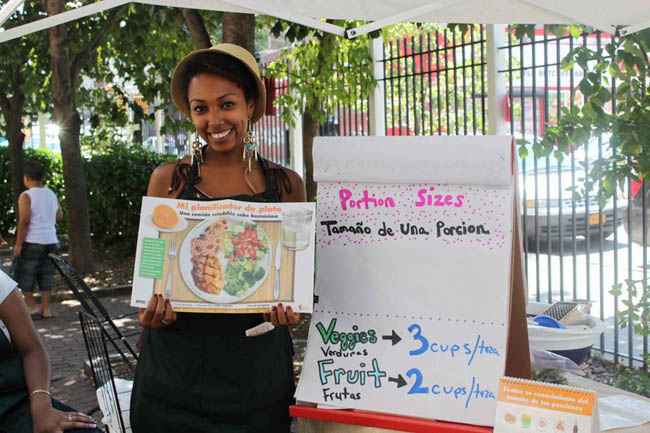
    That was almost 10 years ago (holy-ish time flies!), but we can still remember our absolute favorite topic to teach.

    Can you guess what it was?

    FIBER!

    That’s right, as dietitians, fiber is basically our best friend. It has a plethora of health benefits, like helping to reduce cholesterol, reducing risks for cardiovascular disease, and helping to keep you regular. A study published in the Archives of Internal Medicine found that people who ate foods rich in fiber, specifically about 21 grams per day, had 12% less coronary heart disease and 11% less cardiovascular disease compared to those eating 5 grams or less daily.

    The problem is that most people aren’t getting enough fiber in their diet. In fact, the CDC found that the average fiber intake of adult men and women on a given day was 18 and 15 grams, respectively. This is a lot less than the recommended daily fiber intake, which is 25 grams a day for women and 38 grams for men.

    You may be wondering: where do you find fiber anyway?

    The answer is simple: plant-based foods. Fruits, vegetables, nuts, seeds, beans, and whole grains tend to be good sources of fiber. On the flip side, animal products do not contain any fiber. Eggs and fish, for example, are perfectly healthy but they’re fiberless (most of our workshop participants were really surprised by this).

    Here is a snapshot of a few foods that are naturally rich in fiber:

    • 1 cup of cooked lentils = 16 grams of fiber
    • 1/2 cup of dry Quaker oats = 4 grams of fiber
    • 1 medium apple = 4 grams of fiber
    • 1 cup fresh strawberries = 3 grams of fiber
    • 1 cup of cooked black beans = 15 grams of fiber

    Here are our top 5 ways to meet our daily fiber needs:

    1. We aim to have three servings of whole grains daily, starting with oats
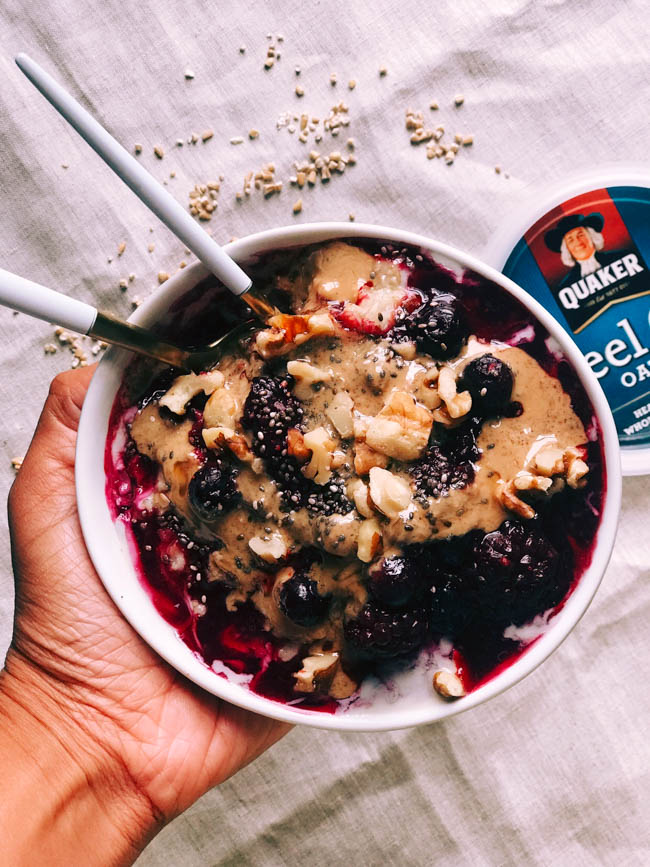
    One of our favorite ways to get whole grains in is by starting our day off with a warm bowl of Quaker oats. We love oats because they are super cost effective and nutritious and versatile. Oats are naturally low in fat, sugar and sodium, and are a good source of important vitamins and minerals, including vitamin B1, magnesium, phosphorus and manganese.

    Oats are also a 100% whole grain and a good source of fiber, which helps to support digestive health. It’s easy to pair oatmeal with other fiber-containing foods. For example, it can be topped with 1 cup of berries and/or a serving of nuts/seeds. The possibilities are endless!

    2. We eat 3 cups of vegetables per day

    Vegetables are naturally high in fiber, vitamins, minerals and other health-promoting compounds known as phytochemicals. Adding 3 servings of vegetables into your day will help ensure that you are meeting your daily requirements.

    Vegetables don’t have to be limited to salad and stir fry, either. We love adding veggies to burritos, tacos, and even as the toppings on pizza. You can also sneak them into dishes in the form of cauliflower rice (just pulse cauliflower in a food processor until it resembles rice) or spiralized noodles (check out these recipes . Vegetables also make the perfect base for smoothies and soup.

    3. We incorporate fruits into our snacks

    We like to think of fruit as nature’s candy. In addition to vegetables, fruits are good sources of vitamins, minerals, fiber, nuts and phytochemicals. It’s always a good idea to choose fresh fruit that is in-season, because it’s going to taste better and cost less. For example, you will never find us eating watermelon in January because….no thanks, it won’t be good.

    If you are curious which fruits are in season in your area, this guide is super helpful. If you can’t buy fresh, frozen fruit is another great option. Because fruits (and veggies) are frozen at the peak of freshness, the nutritional properties stay intact.

    4. We pair those fruits with nuts and seeds (or nut butter!)

    Many people are afraid of nuts and seeds because of their high-fat content, but it’s good to remember that these foods contain mono- and polyunsaturated fats, which may help to reduce the risk of cardiovascular disease.

    It’s true, nuts and seeds do have more calories per gram when compared to carbs and proteins, so aim to keep your portion of nuts and seeds to about ¼ of a cup per serving. We love pairing hemp seeds with a banana for a snack. Or slicing a fresh apple or pear and dipping it in crunchy peanut butter.

    5. We eat beans frequently.
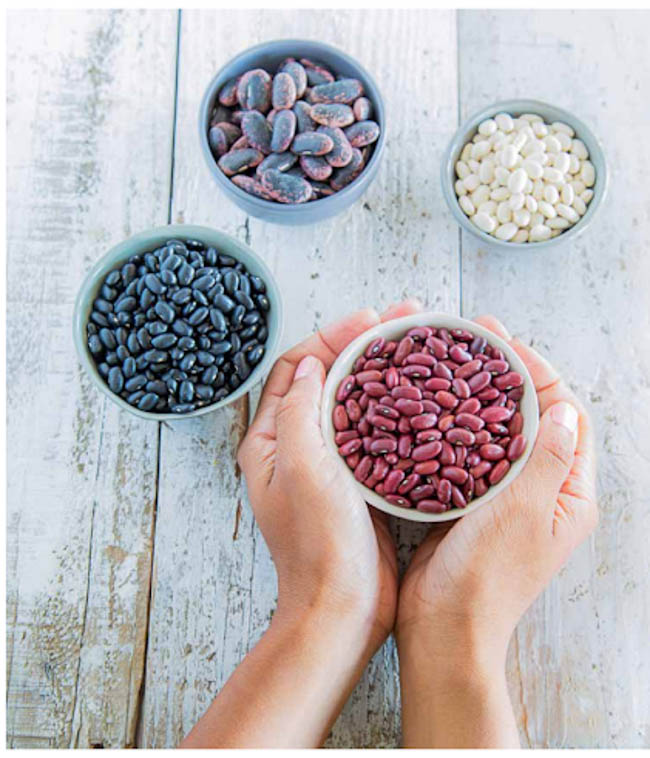
    Beans are often overlooked as a superfood, but they are one of our absolute favs. One cup lentils, for example, contain about 16 grams of dietary fiber, which is 64% of the recommended daily value. Try using beans as the base of tacos, in your salad, or pureed into a dip. Our favorite beans tend to be black beans or chickpeas. We love black beans to keep for a quick dinner or chickpeas roasted to top on salads.

    And that’s that…the 5 ways we make sure we are eating enough fiber! What about you? What are your favorite fiber-rich foods? Let us know in the comments below. xo


    Filed Under: Articles

    Where We Shop For Food

    June 13, 2018 by Wendy 2 Comments

    Being registered dietitians, we are constantly talking food. In this episode of the Food Heaven Podcast, we’re taking a fun twist and talking about where we shop for food. Take a listen and let us know your favorite places to shop too!
    In this episode, we’ll cover:

    • Where we shop
    • Seasonal shopping
    • Shopping on a budget
    • Our weekly and monthly shopping tips
    • Some of our favorite products 

    Resources:

    • Local Harvest 
    • Lydig’s Pick and Pack 

    Podcast Sponsor: 

    • Gummy vitamin supplement
    • Blood Builder supplement

    Can you do us a huge favor?

    If you enjoyed this episode, please do us a huge favor and leave us a review on iTunes ….right now. The more reviews we get, the higher we are ranked in iTunes, which means we reach more people!

    Connect with us online:

    • Instagram @foodheaven
    • Twitter @foodheavenshow
    • Facebook @foodheavenmadeeasy
    • Pinterest @foodheavenmadeeasy

    Our podcast is released every week. In each episode, we cover tips and tricks for making lifelong sustainable healthy living changes to upgrade your diet and health. We also interview leading experts in the field of health and nutrition. We hope you enjoyed this episode, and we’ll catch you next time!

    Filed Under: Podcast

    Gardening & Composting with Lori Caldwell

    June 6, 2018 by Wendy Leave a Comment

    On this episode of the Food Heaven Podcast, we wanted to dive into gardening and composting. Gardening and producing your own food and plants can bring a sense of pride, satisfaction, and trust knowing exactly where your food is coming from. On the other side of the coin, composting can be a great, environmentally friendly way of disposing of old produce and degradable items that can even help your gardening ventures.

    We spoke with expert composter, Lori Caldwell, to bring you top-notch advice. Lori Caldwell is an Alameda County Master Composter, self-taught edible gardener and residential sheet mulch maven. Her mission is, “To connect people to the soil and all that it provides”. She has been happily teaching sustainable gardening classes and transforming yards in the San Francisco Bay Area since 2007.

    In this episode, we’ll dive into:

    • What composting is and why it is so important
    • A comprehensive list of what is actually compostable
    • Different composting methods
    • Tips and tricks for composting in small spaces
    • The benefits of gardening
    • Tips for urban gardens
    • Tricks for that green thumb

    Resources:

    • Lori’s Facebook Page here

    Podcast Sponsor: 

    • Gummy vitamin supplement
    • Blood Builder supplement

    How to submit a question:

    It’s easy! Simply record your question on the voice memo of your phone and email it to us at in**@****************sy.com. We’ll try our best to answer your question on an upcoming episode (and we’ll be sure to email you when we feature your question).

    Can you do us a huge favor?

    If you enjoyed this episode, please do us a huge favor and leave us a review on iTunes ….right now. The more reviews we get, the higher we are ranked in iTunes, which means we reach more people!

    Connect with us online:

    • Instagram @foodheaven
    • Twitter @foodheavenshow
    • Facebook @foodheavenmadeeasy
    • Pinterest @foodheavenmadeeasy

    Our podcast is released every week. In each episode, we cover tips and tricks for making lifelong sustainable healthy living changes to upgrade your diet and health. We also interview leading experts in the field of health and nutrition. We hope you enjoyed this episode, and we’ll catch you next time!

    Filed Under: Podcast

    How To Eat Balanced When Traveling

    May 30, 2018 by Wendy Leave a Comment

    This week we’re talking about travel…running a business from two ends of the country calls us to travel constantly. We’ll be chatting about the things we do to stay on top of our health and nutrition while on the road! 

    In this episode, we’ll cover:

    • Why traveling tends to throw us off so much
    • What works during a trip
    • How to prepare before your trip
    • Choosing satisfying indulgences
    • Getting back on track once you’re home

    Resources:

    • 8 Things That Registered Dietitians Eat When They’re Traveling

    How to submit a question:

    It’s easy! Simply record your question on the voice memo of your phone and email it to us at in**@****************sy.com. We’ll try our best to answer your question on an upcoming episode (and we’ll be sure to email you when we feature your question).

    Can you do us a huge favor?

    If you enjoyed this episode, please do us a huge favor and leave us a review on iTunes ….right now. The more reviews we get, the higher we are ranked in iTunes, which means we reach more people!

    Connect with us online:

    • Instagram @foodheaven
    • Twitter @foodheavenshow
    • Facebook @foodheavenmadeeasy
    • Pinterest @foodheavenmadeeasy

    Our podcast is released every week. In each episode, we cover tips and tricks for making lifelong sustainable healthy living changes to upgrade your diet and health. We also interview leading experts in the field of health and nutrition. We hope you enjoyed this episode, and we’ll catch you next time!

    Filed Under: Podcast

    Gut Health 101 with Dr. Ghannoum

    May 23, 2018 by Wendy 2 Comments

    Do you suffer from constipation? Diarrhea? Extreme gas and bloating or any other combination of chronic GI issues?

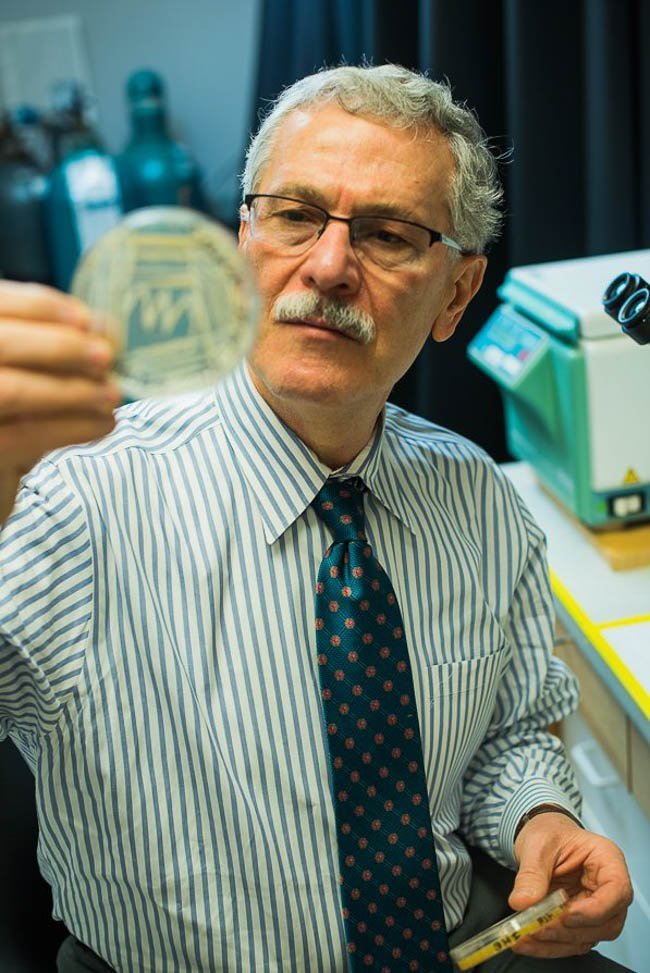
    Then you’ll want to tune in for this podcast episode. Today we’re talking ALL about gut health with doctor Mahmoud Ghannoum, the man who coined the “mycobiome”.

    Dr. Ghannoum has studied fungus for over forty years, and is widely considered the leading expert on medically important fungus. He lectures at many institutions, including the National Institute of Health, on the microbiome and his breakthrough research in the probiotic space.

    He even created his own line of probiotics called BIOHM.

    During his career, Dr. Ghannoum has published several books and over 350 peer-reviewed scientific papers on fungus. His work has been cited almost 18,000 times by other scientists. Dr. Ghannoum has also conducted many preclinical studies behind some of the largest anti-fungal drugs in the world and continues to guide some of the largest global pharmaceutical companies as they develop drugs related to treating fungal disease.

    In this episode we cover:

    1. Why the gut microbiome is so important and vital to health
    2. Some of the most common myths and misconceptions about gut health
    3. How antibiotics used to treat disease may be doing more harm than good
    4. The top foods you should be eating to optimize your gastrointestinal tract 
    5. Other habits that can negatively impact gut health and what you can do to change them
    6. Why Dr. Ghannoum thinks more men should take up yoga
    7. Dr. Ghannoum’s take on probiotics and whether or not you should be taking them 
    8. 3 practical tips you can start doing TODAY to improve the health of your gut 

    Resources Mentioned:

    • BIOHM Health

    Podcast Sponsor: 

    • Gummy vitamin supplement
    • Blood Builder supplement

    How to submit a question: It’s easy! Simply record your question on the voice memo of your phone and email it to us at in**@****************sy.com. We’ll try our best to answer your question on an upcoming episode (and we’ll be sure to email you when we feature your question).

    Can you do us a huge favor? If you enjoyed this episode, please do us a huge favor and leave us a review on iTunes ….right now. The more reviews we get, the higher we are ranked in iTunes, which means we reach more people!

    How to subscribe: 

    • iTunes (apple)
    • Google Play (android)
    • SoundCloud (both)

    Connect with us online:

    • Instagram @foodheaven
    • Twitter @foodheavenshow
    • Facebook @foodheavenmadeeasy
    • Pinterest @foodheavenmadeeasy

    Our podcast is released every Wednesday. In each episode, we cover tips and tricks for making lifelong sustainable healthy living changes to upgrade your diet and health. We also interview leading experts in the field of health and nutrition to pick their brains on how to cultivate a healthy life that you love. We hope you enjoyed this episode, and we’ll catch you next time!

    Filed Under: Podcast

    Potato Crusted Watercress Frittata

    May 22, 2018 by Wendy 6 Comments

    This post is sponsored by B&W Quality Growers, the world’s largest grower and marketer of watercress. Thank you for supporting our work here at Food Heaven! 

    You say potato.

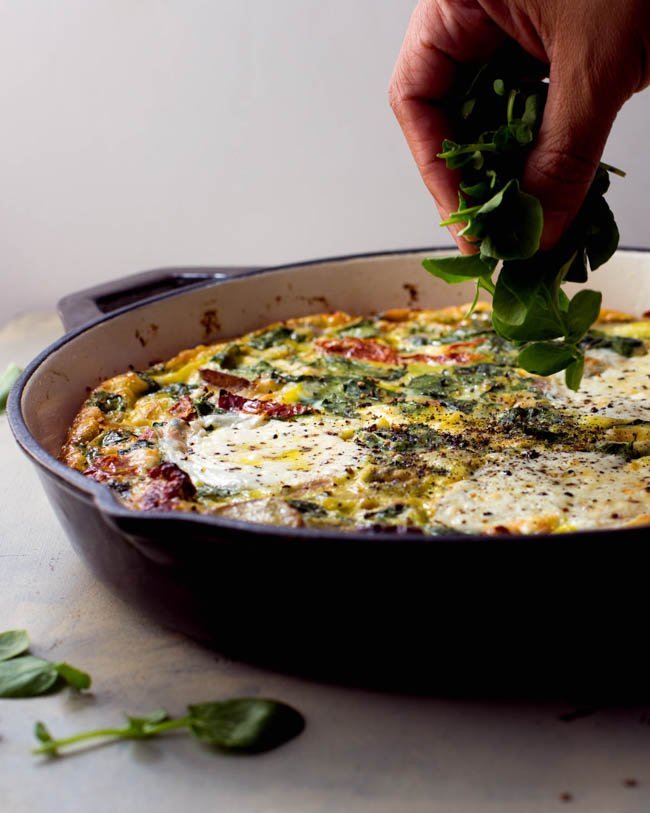
    We say Potato Crusted Watercress Frittata.

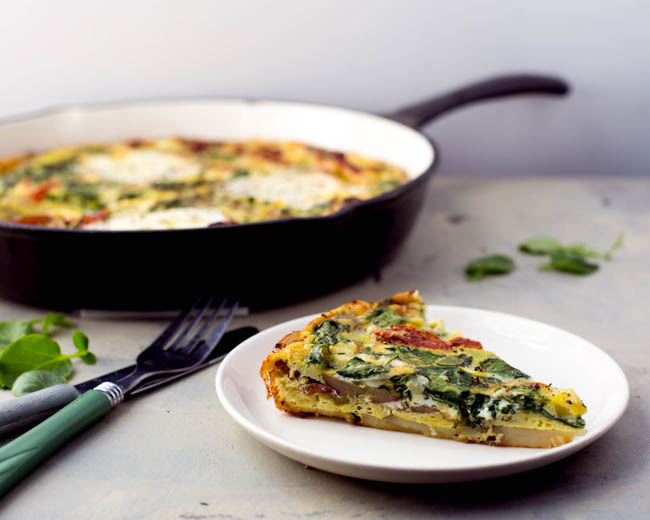
    Today we present a delicious breakfast recipe that you’ll want to add to your weekly rotation.

    This frittata is ridiculously easy to prepare, and you can make it once and eat it for the whole week. Life goals? We think so. This dish is also a one-pot wonder, meaning there is less to clean up after you’re done.

    For our busy bees who don’t have 10 minutes to sit down and savor breakfast in the AM (because snooze is life), we got you. This recipe can easily be sliced and packed to go. Warm this up in the office and enjoy it when you get to work.

    Convenience aside, our watercress frittata is a nutrition powerhouse. It has the perfect balance of carbs, protein and veggies to give you a steady stream of energy throughout the morning.  We promise that one serving of this incredibly filling dish will keep you full for at LEAST 3 hours. If not, we’ll give you a free copy of our 7 Days of Smoothies Ebook. (Wink.)

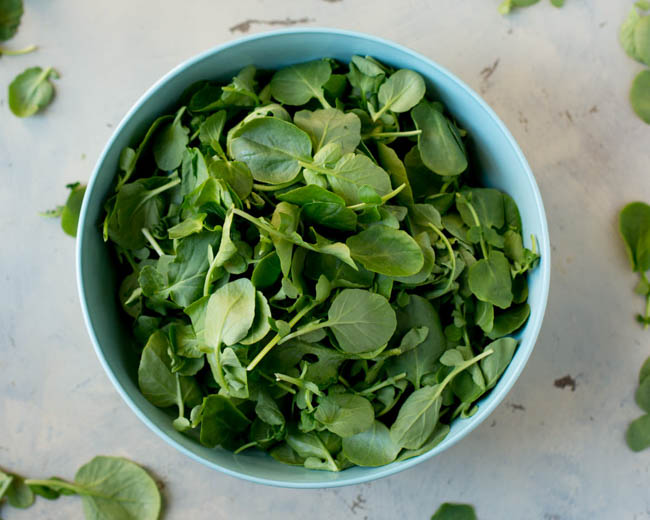
    We chose to highlight watercress in this recipe because it’s an incredibly nutrient dense vegetable. In fact, consuming 1 serving of watercress will provide you with more than 18 essential vitamins and minerals, including iron and vitamins A, C, & K.

    Many people don’t realize this, but watercress is a cruciferous vegetable (in the same family as broccoli, cauliflower and brussels sprouts). Cruciferous vegetables are generally known as cancer-fighters due to their high levels of phytochemicals known as isothiocyanates.

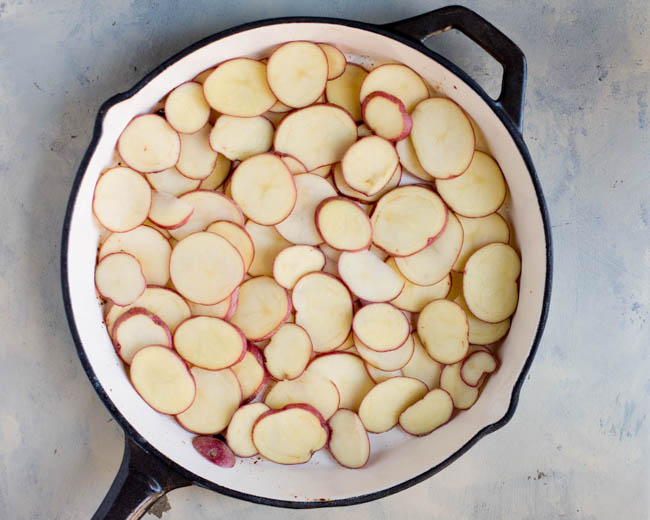
    Now that we’ve gotten the health benefits out of the way, let’s get to the recipe. You’ll start by preheating the oven to 400F.  Then thinly slice the potatoes (make sure to leave skin on) with a knife or mandolin. Add the sliced potatoes to a 12″ skillet, making sure the surface is completely covered. Some of the potato slices should also overlap.

    Next drizzle 2 tablespoons of vegetable oil onto the potato slices, and bake for 15 minutes. While that’s happening, heat the remaining tablespoon of oil in a pan. Add the onions and sauté over medium heat for 2-3 minutes. Add the watercress, lower the heat, and cook for an additional couple of minutes, or until the watercress is slightly wilted. Remove from heat and set aside.

    In a bowl, whisk the eggs, salt, garlic powder, gorgonzola, sun-dried tomatoes, and cooked watercress and onions together. Remove the skillet from the oven, and add the whisked egg mixture into the skillet, over the potatoes. Top with the mozzarella rounds, lower the heat to 370F, and bake for 25 minutes or until the fork comes out clean from the center. Allow to cool, and enjoy with cracked black pepper, to taste.

    Now it’s your turn. Have you tried watercress in a recipe before? If so how do you normally like to use it? Let us know in the comments below. We love hearing from you!

    5 from 1 vote
    Print
    Potato Crusted Watercress Frittata
    Servings: 6
    Ingredients
    • 6 small or 3 medium-sized potatoes
    • 3 tablespoons vegetable oil
    • 1/2 medium red onion, chopped
    • 1 bunch of watercress, stems removed, roughly chopped (equivalent ~2 cups)
    • 8 eggs
    • 1 teaspoon salt
    • 1 teaspoon garlic powder
    • 1/4 cup gorgonzola cheese
    • 1/4 cup sun-dried tomatoes, chopped
    • 3 oz mozzarella cheese, sliced in thin rounds
    • Black pepper, to taste
    Instructions
    1. Preheat the oven to 400F
    2. Thinly slice the potatoes (leave skin on) with a knife or mandolin
    3. Add the slices to a large 12" skillet, making sure the surface is completely covered with the potato slices. Some of the potato slices should overlap
    4. Drizzle 2 tablespoons of oil onto the potato slices, and bake for 15 minutes
    5. While that's happening, heat the remaining tablespoon of oil on a pan, and add the onions over medium heat. Sauté for 2-3 minutes, then add the watercress, and lower the heat. Cook for another couple of minutes, until the watercress is slightly wilted and set aside
    6. In a bowl, whisk the eggs, salt, garlic powder, gorgonzola, sun-dried tomatoes, and cooked watercress and onions together
    7. Remove the skillet from the oven, and add the whisked egg mixture into the skillet, over the potatoes
    8. Top with the mozzarella rounds, lower the heat to 370F, and bake for 25 minutes or until the fork comes out clean from the center

    9. Allow to cool, and enjoy with cracked black pepper, to taste!

    Filed Under: Breakfast

    • « Go to Previous Page
    • Page 1
    • Interim pages omitted …
    • Page 58
    • Page 59
    • Page 60
    • Page 61
    • Page 62
    • Interim pages omitted …
    • Page 96
    • Go to Next Page »

    Primary Sidebar

    Search

    Let’s Connect

    Meet Wendy & Jess

    Registered Dietitians & BFF's. We're probably busy eating right now.

    Subscribe to our Podcast

    food heaven podcast

    Podcast Hookup Codes

    food heaven podcast hookup codes

    Meet Wendy & Jess

    Registered Dietitians & BFF's. We're probably busy eating right now.

    • Diabetes Digital
    • Our Story
    • Recipes
    • Resources
    • Articles
    • Contact
    • Policies
    © Food Heaven Made Easy
    In order to provide you with the best service, our website uses cookies. By continuing to browse the site you are agreeing to our Privacy Policy I consent
    Privacy Policy

    Privacy Overview

    This website uses cookies to improve your experience while you navigate through the website. Out of these cookies, the cookies that are categorized as necessary are stored on your browser as they are essential for the working of basic functionalities of the website. We also use third-party cookies that help us analyze and understand how you use this website. These cookies will be stored in your browser only with your consent. You also have the option to opt-out of these cookies. But opting out of some of these cookies may have an effect on your browsing experience.
    Necessary
    Always Enabled
    Necessary cookies are absolutely essential for the website to function properly. This category only includes cookies that ensures basic functionalities and security features of the website. These cookies do not store any personal information.
    Non-necessary
    Any cookies that may not be particularly necessary for the website to function and is used specifically to collect user personal data via analytics, ads, other embedded contents are termed as non-necessary cookies. It is mandatory to procure user consent prior to running these cookies on your website.
    SAVE & ACCEPT