
• Skip to main content
  • Skip to primary sidebar
Listen to the Latest Podcast EpisodeAnd We’re Back! Introducing: Diabetes Digital
Food Heaven Made Easy

Food Heaven Made Easy

Black Registered Dietitian Nutritionists | Intuitive Eating Dietitians

  • About
  • Press
    • Diabetes Digital
    • Start Here
    • Podcast
      • Hookup Codes
    • Work With Us
    • Resources
      • Recipes
      • Blog
      • Cookbook
      • Books We Love
    Looking for nutrition counseling with expert registered dietitians?
    Get Started

    VA

    The Case For Mindful Eating

    February 17, 2023 by VA Leave a Comment

    We have a bonus episode for you! Do you struggle with mindful eating? Same. Everybody knows they should be eating mindfully, but no one is doing it consistently and we’re hoping to change that.


    This episode is brought to you by Siete Foods. We recorded this LIVE as part of their EPIC 2023 Wellness Summit. Thank you to the Siete team for hosting us at this event. BTW if you haven’t heard about Siete before, they are a Mexican-American food brand rooted in family, that makes delicious food products (we’re huge fans of the enchilada sauce and taco seasoning – check them out).
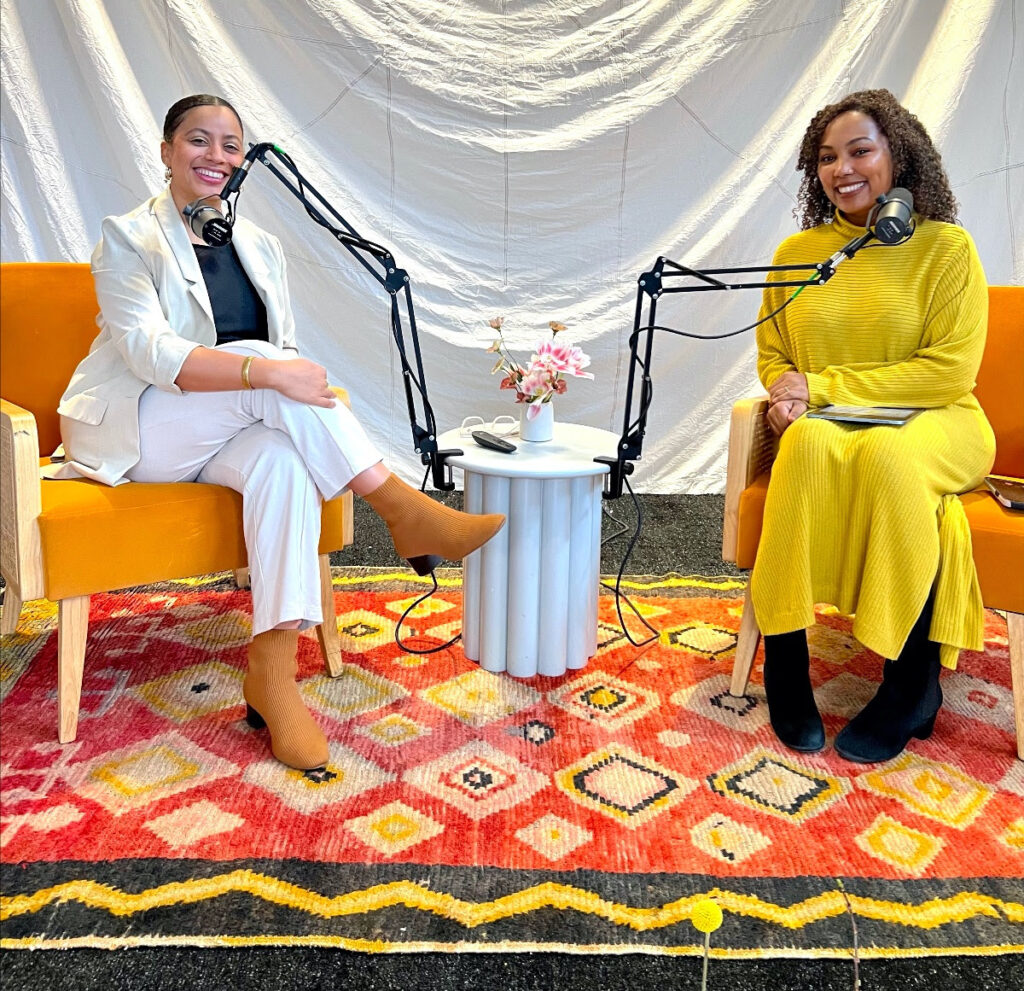
    In today’s episode, we discuss:

    • Why you should care about mindful eating
    • Our top mindful eating struggles
    • What the science has to say about mindful eating benefits
    • How to practice mindful eating in ways that are enjoyable
    • A LIVE mindful eating activity you can do at home
    • Common challenges that may come up when trying to incorporate mindful eating
    • & MORE

    3 ways you can support this podcast:

    1. Rate on iTunes or Spotify –  it literally takes two seconds
    2. Review on iTunes – takes 2 minutes
    3. Support our partners using our unique ‘HOOKUP’ codes below. This is how we are able to produce a FREE show every week

    Can you do us a huge favor?

    If you enjoyed this episode, please do us a huge favor and leave us a review on iTunes ….right now. The more reviews we get, the higher we are ranked in iTunes, which means we reach more people!

    Become a podcast sponsor:

    Our podcast reaches thousands of engaged listeners each week. If you are a brand interested in becoming a sponsor, contact us to learn more about our affordable rates.

    Connect with us online: 

    • Instagram @foodheaven
    • Facebook @foodheavenmadeeasy
    • Pinterest @foodheavenmadeeasy
    • Youtube @foodheavenpodcast 
    • Tiktok @foodheavenpodcast
    • Twitter @foodheavenpod

    Our podcast is released every Wednesday and each week we take a deep dive into topics like health at every size, food & culture, intuitive eating, mental health, and body acceptance. If you’re looking for a sustainable and inclusive path to wellness, come hang out with us to learn how to take care of yourself from the inside out.


    Transcript
    Email Download New Tab

    Wendy: [00:00:00] Welcome to. The live recording of the podcast. We don't do this too often. Yeah. So we're over the moon. Usually we're like bundled up in our homes. I'm usually in a closet cuz I live in New York City, . So this is definitely a change of scene. Um, so I'm Wendy, this is Dust. We're registered.

    Dieticians. Are there any dieticians here? Oh my God. Oh my God. So many, mostly dieticians in the house. So yeah, we're also diabetes educators. We started food Heaven over 10 years ago, which is crazy. It's been such a long ride and it came outta work that we were doing at Farmer's Markets. In New York City, actually, we used to work at a farmer's market in the Bronx and we were just really inspired by the work that we were doing with the community there.

    And we were like, oh, well how can we expand this information outside of just the farmer's market? So then we started recording videos and Jessica's apartment in Brooklyn. Um, and then from there it kind of just, Grew. [00:01:00] And you know, now we have this podcast, which we've been doing for over seven years. Um, and we explore topics like intuitive eating, body respect, nutrition, culture, the intersection of all of that.

    And then we kind of branch off and talk about relationships, money. Random things. Um, yeah, , real estate, real estate, . We're like, whatever we're interested in, we'll use the podcast as an opportunity to like talk to people who are really interesting about these things.

    Jess: Yeah. Get advice. Yeah. So we are so excited to be here at this event with Ste.

    Thank you for having us. This has been amazing. The food, the space is

    Wendy: alone. I'm like, I'm ready to move in here. It's

    Jess: incredible. , I'm like my bedroom.

    Wendy: Are you hiring? Is right over there. Yeah. I wanna work here. Wink, wink, .

    Jess: Yeah, we're ready to work here. Um, so yeah, as Wendy said, we've been doing our podcast for seven years.

    Feels like we're og. Dinosaurs. Ancient. Yeah. In the [00:02:00] podcast space. Um, but it's been really fun and exciting, and especially doing stuff like this live events. Today we are going to be talking about mindful eating, which I'm sure everyone's like, ugh, mindful eating. Like everybody knows you should be eating mindfully, but nobody is

    Uh,

    Wendy: myself included. And yes,

    Jess: this is really for us, honestly, like all the, the research that we did is like a reminder for ourselves. and we feel like food has just become a real obsession and people, you know, can get stressed around eating. Um, and also during mealtimes too, especially with the pandemic, everybody was super stressed working from home.

    And it can be very easy to just be eating in front of your computer, um, doing work, multitasking. And so we're gonna talk about some strategies for mindful eating that have really worked for. Um, anything else that we're gonna talk

    Wendy: about? Yeah, so we're gonna cover what mindful eating is. Also like practical ways to incorporate it in ways that align [00:03:00] with your food values.

    We're gonna go over some of the research and what it has to say about mindful eating, and then we're gonna do some activities where we'll put this all into practice and we're gonna be eating, which is my favorite thing to do. , um, air somer. Anyone will be like, we'll be chewing and everything. It'll be fun.

    Um, yeah. , that's kind of the outline of what we'll be covering

    Jess: today. Yes. So raise your hand if you have experienced burnout over the last three years. Wow. Okay. I see like one person with their hands down. What is your secret? . . You need to be up here. Okay. Um, so we have experienced burnout and are still healing.

    Yeah. I feel like we're still, yeah. Like we're not, yeah, we're still in it. It's like we're not over it yet. We're drowning. No help . We're doing better. We're doing better guys. Right, right, right. . Um, but for me, what really solidified it, and we [00:04:00] talked about this on the podcasts cuz the podcast cuz we did a burnout series.

    Um, was, I was on a trip with one of my best friends and I forgot everything. Like I forgot my computer, I forgot my charger, I forgot my socks. And she was like, oh my God, you really are burnt out. You have no mental capacity to do anything but like basic needs. And so that really hit home for me and I'm like, okay, I really have to deal with this burnout.

    And one thing that I realized for me at least, was that multitasking was a huge factor in that Can anybody. You're always, yeah, we're always like doing a million things at once. Um, um, I was always feeling scattered. Uh, Wendy, what about you? What's your relationship with multitasking?

    Wendy: Yeah. I feel like it's something that I know I shouldn't be doing, but I always am doing.

    And um, yeah, it just feels, when I'm not multitasking, I feel guilty cuz I'm like, I should be doing the most but I'm already doing the most right. And so it's a black hole that I'm

    Jess: trying to get. Yeah. Yes. [00:05:00] And the research shows that we can't really multitask well. Our brain cannot juggle between multiple things at one time.

    It really just alternates between those two things quickly, and for me it always manifests, you know, when you're trying to pay your trash bill. and they're like, oh, you have to press two to get to the next level, or whatever. And then you're also writing an email. You're also texting and you keep forgetting the number they say to press, so you have to call back like 17 times,

    Um, and so that's like just the epitome of multitasking where it tends to take much longer because you're not actually focusing on just listening to. You know what's happening or what you should be doing in the moment. Um, so raise your hand if, and also this is a safe space, so if you don't have to raise your hand, but just curious if you guys multitask during meals at all.

    No judgment. What are some of the things that you're doing?

    Wendy: Um, looking at pictures of my cat , um, yes, but [00:06:00] sometimes I'll, I'll like watch Netflix. Um, I'm watching Bling Empire New York right now. Not as good. I, I, I find it entertaining.

    Jess: Oh, cuz it's new. Yeah, cuz you're in York because it's New York.

    Wendy: The culture, you know,

    Um, but yeah, I mean it's like, it's kind of gross cuz my laptop always has like food stains all over it. Cause I'm like, type A . I have to like disinfect it every day. But yeah, I'm always like, you know, af Yeah, that's why we're doing

    Jess: this, that's why we're doing this. Yes. Um, yes, same. I usually don't eat lunch or I don't work while I'm eating, unless I'm eating a snack.

    However, I'm still keeping up with the Kardashians, right? I'm right watching T mz, uh, ,

    Wendy: which by the way, she had me do this t TMZ tour in LA and, uh, still not sure how I feel about

    Jess: it. , , it was really fun. Has anyone done a tmz? Nobody.

    Wendy: Oh my God. You [00:07:00] go on this like safari looking like truck and they like drive you through and like it's pretty embarrassing.

    I feel like people were making fun of us. They were absolutely

    Jess: making fun of us. It was like people were eating at like these nice restaurants in Beverly Hills and we're just like on the bus too. I know. , they were like, and they're like, you are whatever. Anyway. Yeah. Anyways, focus. . So multitasking can be really tricky and um, we are going to make the case for not doing that during mealtimes or at least doing it less.

    Right, cuz realistic. So there are three interesting studies that I found that I kind of wanna highlight, um, in terms of why it may not be the best thing to be multitasking during eating or being distracted. So, Study that I found, and actually there was a lot, these are just three, was this idea of taste perception, and they found that multitasking during the meal, um, a k a distracted eating can lower a [00:08:00] person's perception of taste.

    Now, what is taste perception? You may wonder it's the brain's, um, way of clocking the five senses. Does anybody know what the five senses are? You wanna yell them out? Dieticians, , , sweet sour. Salty, bitter. And what's the last one? Mommy? Yay. Mommy. . I knew that. I look at that . Okay, so we, the body relies on tastes perception in order to feel full and when we're doing other things.

    while we're eating, the brain is not able to register all the taste that it is experiencing and signal that it's full. So the study found that people tend to overeat when this is happening, right? And it's fine if we overeat sometimes. And I think for a lot of people they need to eat more anyways and maybe they're just, you know, eating what their body actually needs.

    They found in particular in this study, that people overate sweet and [00:09:00] salty substances. And I think if you're somebody who is struggling with GI issues, you know, after eating or feeling overly full, feeling uncomfortable, or maybe it's impacting your health issues, this may be something that you wanna pay attention, pay attention to.

    The other um, study was an Italian study and they looked at, um, college students and they measured the activity in their. And, um, they measured it before watching a movie. And then during watching a movie and before watching the movie, they gave, um, the participants a snack. And when they ate the snack, they had normal activity in their gut, um, in their stomach.

    Things were moving through their GI tracted. However, when they were watching the movie and eating the snack, their gut motility decreased significantly. And so what it was showing. That when we are multitasking, even doing something as simple as watching a movie, which I'm sure we all do, or watching tv, Netflix, and chilling when we are eating it can, um, have an impact on our gut motility and things kind of staying in our stomach.

    And there was also a decreased, um, [00:10:00] production of digestive enzymes, which I thought was really interesting. . And then the last study that we'll look at was chewing and rushed eating. Right? So has anybody ever, uh, eaten really quickly or feel like you might be swallowing your food hole? . ? Yeah. I have a lot of patients where they come in and they have these GI issues and really, oh, this is not swiping.

    Okay, , they have these GI issues and. A lot of times it's just they're eating so quickly and they're, they're, they're not chewing their food and studies show again that chewing might help to improve some digestive, um, symptoms and issues. And so I think it's not that we all have to be, you know, feeling like a monk during meal times, but just some simple things can make a huge difference.

    And so Wendy's gonna talk a little bit more about what the science says about some of the health benefits of mindful. .

    Wendy: Yeah. What happens is when you're stressed eating or when you're completely distracted, your brain is not registering that [00:11:00] you're actually supposed to be digesting. And I think that's where the connection comes, where it's been linked with a range of different digestive issues from like abdominal pain.

    There's some really interesting nu uh, research about nutrient absorption too, where you actually have decreased nutrient absorption, um, under the conditions of stress eating, um, bloating. Heartburn, a range of different things. And so we looked at some of the review studies and they found that mindful eating was associated with an increased awareness of hunger and fullness.

    There was also less cortisol secretion and healthy adult subjects, which was really interesting. Um, reduced episodes of binge and emotional eating, which is something we see happen all the time, especially in private practice. The emotional eating part, um, improve blood glucose levels and also in increased satisfaction.

    with food. So there's some interesting research there. Um, but before we go like too deep into it, we should probably talk about what mindful eating is and where it comes from. Um, so it came out of the Buddhist concept of [00:12:00] mindfulness and it really grew out of research that was done in the eighties where they looked at mindful eating in relation to a range of different conditions like depression, anxiety, also heart disease, chronic pain.

    Um, and we really like the definition from the center of mindful eating. Breaks it down into three principles, and so I'll share those with you all. The first one is that mindful eating is allowing yourself to become aware of the positive and nurturing opportunities that are available through food prep and consumption.

    They all sound very zen , um, choosing to eat. Food that is both pleasurable and nourishing to your body by using all of your senses to explore savor and taste. And then the last one is acknowledging responses to food without judgment. This is my favorite one because I think especially now in the culture of social media, food has become very moralized.

    It's like, this is good, this is bad. You're a bad person because you had some bread and it's. [00:13:00] Chill out. You didn't rob a church, you didn't kill a dog. Right. , right. Random examples, you know, you had a pina colada. It's fine. . Um, it's not that serious , but everything has become so more or less. So I really like that non-judgment piece because it allows us to see food as more objective.

    Um, where it's like, you know, we're nourishing ourselves. It doesn't have to be, you know, your idea of perfect every single time. You just kind of observe objectively how your body is feeling when you're eating different foods and you remove like, you know, all of these misconceptions that we've been told, especially through media about how we're supposed to be feeling when we consume certain foods.

    Um, so tell me about your. Incorporating some of these things into your life.

    Jess: Yeah, so as I mentioned, I think it's not all or nothing. I don't think you have to, every single meal, not have any distractions. That's not realistic, but I [00:14:00] think we can all incorporate little things here and there, even if it's one meal a week.

    yeah. Um, that work for us. And so for me, what I have found is when I'm feeling very stressed, um, is to just practice breathing, right? Something so simple as three deep breaths to help me not only connect with the present moment, connect with my body, and connect with the plate. Like what is actually here?

    What am I eating? Where did this come from? So that's number one. And that takes two seconds and it really helps. Maybe three seconds. And the second thing is to just notice what you're eating and savor every bite. And I think this one can be tricky depending, because sometimes, you know, may not be a Michelin star meal that you're eating.

    Maybe it's just like pbj, PB and j, but I still think that. Um, you can pay attention to the sound of the food, the textures, the tastes, all the different flavors. Uh, and just that one [00:15:00] little, you know, act can help you be more mindful within that meal. one of this one thing that me and my husband, um, do.

    That's kind of corny, but it helps us to, and I, I just am realizing that it helps with mindfulness with food. But when we go out to eat, we'll kind of act like food critics and. Talk about the meal in terms of what it looks like, what it tastes like, what we like about it, what we would change about it. And it might be like we had, we went to a Mexican restaurant the other day and we had chips and salsa and we were both saying like, oh, this is the perfect chip.

    It's just like the perfect amount of thinness, crispiness, warmth. This little layer of oil on it, it's not too much. And it really helps you just get excited about the food, get in the present moment, and it's something that's nice that you can do with someone else. Because often we think of mindful eating as just like you're one with the food and that's not

    It's not really realistic when you're out. Like when you said having cocktails with your boo. [00:16:00] and the the last thing that I like to do is very simple again, and it's just relaxing my stomach. How many of us sit down to eat and you notice that your stomach is like clenched? Up. Yeah. And it's tough because it's kind of like an automatic response, especially folks with anxiety, um, who tend to hold that anxiety in your stomach.

    And so I noticed that when that's happening and I'm eating in, kind of rushing through a meal, I tend to have more GI upset, more heartburn, more i b IBS type symptoms. And so just the act of the breathing and the just making a conscious effort to try and relax my stomach as much as possible, it. Works wonders.

    Yeah. What about you?

    Wendy: I think slowing down is the most important thing. Cuz as Jess knows, I like swallow food whole. Um, I think I have unresolved trauma from childhood where like, I feel like someone's gonna steal my food. Um, cuz I just like, [00:17:00] like two seconds and Jess is like, where, where'd the food go? And I'm like, I don't know.

    I need to slow down. So, you know, I think that that's been very useful for me. Um, just like being like, okay, you have 10 minutes to, you know, to eat this meal. Or maybe even 30 if you know you, you have the time and so you can really like paste yourself and even like talk through it, you know? Um, and also not skipping meals.

    So I think we can probably all relate, you know, being very busy professionals, like next thing you. It's lunchtime, you didn't have breakfast, you might not even be having lunch. And so I think it's helpful to have some designated time windows. It doesn't have to be like 12 o'clock, you're gonna have lunch.

    But just that knowing that you have these time windows where just like you make time for your meetings, you're making time to, you know, enjoy a meal. And it, I think that there should be flexibility there. Like I get, you know, that we should eat more mindfully in things, but sometimes that's just not possible.

    Yeah. So I think it's much better. Eat a meal [00:18:00] mindlessly than not eat at all. So even if you know you're commuting or you know, you have to like work through emails, just making sure that you are dedicating some time to nourish yourself so that you know your brain is, is being fueled throughout the day and you're getting all of the nutrition that you need.

    Jess: Yeah, I think my childhood food tra, I mean there's probably a few things so much Yeah. , but um, I tend to save a lot of food and

    Wendy: like hoard foods. You do? Oh my god. . Okay, let me side note. So Jess came to visit my family in the Dominican Republic and we were at a resort, which A resort. Hello? Unlimited food, right?

    We have our little fridge in our room. Packed with food. Jess is like stacking the food. It's all gonna go to waste cuz I know Jess and this happens all the time. She like, she stacks it and she stacks it and then it just goes to the garbage . And my parents [00:19:00] were like, that was the first time they met you?

    Yeah. And they were like, is she okay? Like they were like, are there issues at home? Like

    Jess: why does she, I know it's because when you grow up with a lot of siblings, does anybody here have a lot of siblings? Do you know where I'm going with this? It's like you, I had to hide food because you go grocery shopping and you have like your Cheerios or whatever, cereal, I don't know.

    And you're excited about it. And then you wake up and it's all gone. So I would have to like hoard food and save it in the back of the fridge or like wrap it in whatever foil so no one could see it or put like all these labels on it. . And I have to let that go. You gotta let it go . Yeah. Cause I have enough, but.

    Mindful eating. Okay, . So what is the difference between mindful and intuitive eating? I know a lot of people wonder that question and um, my patients too, they're like, oh, is this intuitive eating? And the truth is that there are a lot of similarities and there are some [00:20:00] differences. Um, has anyone here ever heard of intuitive eating?

    Okay. Of course, right? Mm-hmm. , a lot of dieticians in the room and other healthcare providers. Um, Wendy's gonna talk a little bit more about the differences in what intuitive eating is, but I'll talk about some of the similarities. . So one thing that we recommend doing as part of mindful eating that's also part of intuitive eating is just checking in with yourself throughout the meal process and asking yourself basic questions like, is this actually satisfying?

    There are a lot of times when I notice I'm eating something and you're just kind of on autopilot and you're like, mm, this actually is not good. I'm not enjoying this. Often when it's a treat sometimes where it's like this cookie's actually stale. Mm-hmm. and um, and you really. Don't have to continue eating it.

    So just taking that time to check in and noticing, is there a point in which you stop enjoying it? Because that's one thing too, like in the beginning, sometimes things taste really good, it's really exciting, but then [00:21:00] halfway through you're just eating it to eat it. So that's number one. Wendy already mentioned this one, but I think it's good to reiterate is making sure to eat when you are hungry and not skip meals.

    If there was one thing that I would say is most important to remember from this, it's eating consistently, um, not skipping meals because of course once you're to the point of starving, you're going to not eat mindfully. It's like almost impossible. So, , both mindful and intuitive eating. Have that one in.

    And then the third one, oops, that's not working. But , the third one, um, is, so one thing that I also like to do is I think about my stomach is a hundred percent. So a hundred percent full means that I'm completely stuffed and I feel sick, and I don't wanna be a hundred percent full. So for me, a comfortable place of fullness is maybe 80%, right?

    Where it's [00:22:00] like, okay, I had a meal. I feel good. I'm probably not gonna get hungry. So when I'm eating, I try to think, what percentage am I at right now? Right? So maybe I'm out to eat and the portions are bigger. Maybe I'm three quarters through the plate and I'm at 75%, but I want dessert. So maybe that's a cue.

    Okay. I probably need to. You know, consider stop eating this food right now. Or maybe I'm eating and I'm only at, I was starving and I'm at 40% and um, I'm almost done and maybe I need to get another plate. So for me, the percentage really helps, um, just think about volume of my stomach and know when it's time to.

    uh, to stop or to continue? Yeah.

    Wendy: Yeah. So with intuitive eating, it's a lot more multifaceted. Um, if you've gone on a diet before, if you have patients who have gone on diets, I'm sure you've seen how different food rules manifest, whether it's like, you know, now the, the intermittent fasting is a big one where you're like, only eating between certain times.

    Or my favorite cutting out [00:23:00] carbohydrates, which what does that even mean? But meanwhile, You're binging on fruits, um, , or like you're on a raw food diet. Like there's just so many different food roles now, um, especially with like this wellness culture. Um, and they're usually tied with like modifying your body and some kind of weight, usually weight loss.

    And so with intuitive eating, instead of focusing on how to change your body, the focus was really how to change. Feel in the body that you're currently in. And so you take into account different things like food access, culture, medical history, like all of the different things that can impact our food intake and our relationship to food.

    And then we use that to inform our approach with intuitive eating. Um, However, some of the principles, like honoring your fullness, um, recognizing your, um, your hunger levels, like all of those things overlap with mindful eating. And so we really see the benefit of integrating both, um, into our practice. So [00:24:00] we are now gonna do an as S M R activity with you all.

    Um, you have some

    Jess: chips. , but it's not really asmr. I

    Wendy: know, I know. I just said that.

    Jess: I know . Wendy doesn't watch asmr. I'm like, girl, this is not asmr. . I watch ASMR sounds, but yeah, but we'd have to be doing the sounds on the mic. Oh, . Okay. So don't eat the chips yet. . You can open the chips. Don't eat the chip unless you're starving and you need to this thing.

    Okay. I don't know how to use the. Folks at home grab something to eat. We're gonna do a mindful eating activity.

    Wendy: I wonder we have up until,

    Jess: we have until 1140, so, right.

    Wendy: Total. Yeah. Okay. So we sh we should talk in like 15 minutes. Yeah.

    Jess: All righty. Now, many of you may have [00:25:00] heard, you know, some of the things that we're gonna talk about and you already know them, but like I said, we're not always doing them.

    Take it all in. All right, so before eating your delicious chips from Siete, we want you to think about your, um, your stomach right now and your hunger level. So on a scale from one to 10, one being starving and 10 being stopped, just take a mental note of where you're at right now. What number would you pick, or if it's easier for you, like it is for me?

    What percentage are you.

    In terms of your hunger right now, think about it in the terms of is it pleasant? Is it unpleasant, or do you feel neutral about it? How and where do you feel your hunger? If you are hungry, for example, you might feel it in your stomach. I know for me when I'm [00:26:00] just starting to get hungry, it's more of a distraction type of thing.

    An irritability. And what food are you craving or desiring? Now let's talk about the eating environment. So where are you eating right now? Right? We are in a room, in a conference with a lot of people. Does that experience feel pleasant, unpleasant, or neutral for you? I know for some people, It can be triggering to eat around other people, um, or maybe depending upon the setting, maybe at work.

    People don't like eating around others. Others find it enjoyable. Others could care less what the setting is. If you're hungry, you're just gonna eat and not really, um, care about the environment, any distractions happening. Do you have your phone out? Are you taking notes? Okay, now we're going to begin the actual eating process.

    So everybody take a bite. [00:27:00] Have your chip. . . Thank you.

    Wendy: here. That crunch?

    Jess: Yes. So as you're taking your bite, I want you to think about, did it live up to your expect. Of course it

    Wendy: did. chips.

    Jess: Pay attention to your experience of the first bite. What is it like? What are the flavors? Is it sweet, savory, salty, sour, bitter, the texture, hard, crunchy, smooth, creamy, the aroma?

    Is it sweet, acidic, mild. What's the color? You can feel free to look at it too. You don't feel too silly in this big room. The shape, the eye appeal, cuz [00:28:00] that's a thing. The temperature, hot, cold, icy room temperature. The volume or filling capacity, is it something that's airy and light or is it more. And I'm gonna pause for just like 15, 30 seconds to kind of take it all in.

    Feel free to have more chips if you want.

    Wendy: All right, so here we have the Hunger Scale on the screen. Dieticians, I'm sure you're familiar with this, and so it's a tool that I really like using with people and even for myself because you're able to identify what pleasant. Hunger and fullness looks like for you, you wanna avoid being in the red zone.

    You know, like when you're in one, you're like, you're probably ready to choose someone's face off. And then when you're at [00:29:00] 10, you're feeling very uncomfortable. So you wanna find a sweet spot, which for me, it's usually around seven or eight. Um, you know, but it's different for everyone. Uh, Jess, what is it like for you?

    Maybe like five, six, because I feel like you always leave room for

    Jess: dessert. I do always leave room for dessert. Yeah. Yeah. So I'd say max. Eight.

    Wendy: Max is eight. Yeah. Okay. Yeah. So you wanna kind of just have this in the back of your head, you know, and kind of like thinking about, Hmm, how am I feeling right now?

    And also noting that there's a difference between mealtime hunger and snack time. Hunger, because you know, if you're hungry for a meal, you can have 10 bags of these chips. And you're still gonna be hungry. And so, you know, maybe you have a bag to hold you until the next meal. Um, but you know that really you should be having a meal.

    No amount of snacks is going to satisfy a mealtime hunger. And that's something that I see happen all the time where people are like just snacking throughout the day. They're grazing and they're like, I'm always hungry. I have so much anxiety around food. And I'm like, yeah, because you're, you know, you're [00:30:00] really just having maybe like one food group and you're having a lot of it throughout the day and you're.

    Getting the full nourishment that comes through having a complete meal. Um, and so, yeah, you know, I think this is something that can, that can be useful for us, but also to the people that we work with. Um, having people like really think through as they're eating during the eating process. Like right now, take a pause and be like, Hmm, what number am I at right now?

    Most of us had this like really incredible breakfast that was given to us this morning, so yeah, we're. I feel like right now I'm at a nine. Where are you ? I would say I'm

    Jess: at a

    Wendy: seven. You're at a seven? Yeah. Okay. You could go for dessert. I could go for dessert. Okay.

    Jess: Yeah,

    Wendy: definitely. Okay. Okay. Um, yeah, and so I think just making that, that distinction is.

    Is really important.

    Jess: Yeah. And that concludes our mindful eating activity. You guys also have, if you're here live, I guess, for the podcast, we'll, we'll talk about that one. But, um, you guys all [00:31:00] have your handouts so you could practice some of these things at home. And now we just wanna talk about a couple of.

    Tips that you guys can use with, um, with mindful eating at home. Things that have worked for us. Mm-hmm. . So one thing that people will always ask is, how long should my meal last? Or, we talked about the rushing through the meal idea. and I think it's really individual for, you know, how long it should, it should last.

    But if people really want a place to start, I might say a goal might be 20 minutes for a meal, right? Because that gives your, um, your stomach a chance to kind of signal to your brain that you're full. Um, and people who are eating in five minutes tend to. Have more GI issues, at least from my experience working with clients when you're kind of rushing through the meal.

    Um, but for people, 20 minutes can feel like a really long time. So I might suggest then maybe let's start with timing the meal for 10 [00:32:00] minutes and literally setting a timer on your phone and just taking your time a little bit more so that you can stretch that meal out. Mm-hmm. to last the 10. And then once you get to the 10 minutes and that feels easy, then try the 20 minutes and just see if that makes any difference for your satisfaction with the meal.

    Like we mentioned, any GI issues or distress that you might be having. So that is one thing. Let's see. Oh, another thing that I really like is from a dietician who was on our podcast years ago. She has a TED Talk, her name is Eve Laja, and have you guys heard of her? some people. Yeah. She talks a lot about binge eating and one concept that she uh, talks about is this idea of a speed bump, and what she says is, when you get your plate, Try to create a natural speed bump by dividing into like in a gentle way, nothing dramatic, but let's say you have a [00:33:00] sandwich and chips, so maybe you cut the sandwich in half and you have half the sandwich on one side and half on the other.

    She says, eat half of the sandwich first. And then that speed bump is just a natural built in pause to give you a chance to kind of reflect on all these things that we've been talking about. Like where are you at on the fullness scale? And then you can kind of decide, oh, actually I'm still hungry. I'm gonna, you know, eat half of what's left, or I'm gonna finish my plate.

    Um, or sometimes you may not know. Does that happen to people where you're kind of like, eh, I could eat more, I couldn. , like it hasn't fully registered. So then some, you know, it might be nice to just take a pause. Yeah. Um, for five minutes or, or sometimes 20 minutes and just see how things settle. . So that's another one.

    And then the last suggestion I have, because there's a lot of folks who they wanna do something while they're eating, right? Because we don't wanna say never do anything, ever and watch tv. Um, but we do know from the research that it is helpful to be more [00:34:00] mindful. So we might say, okay, what if we listen to a podcast, this podcast, , while you are eating?

    And that way you're doing something, but you still, you know, you can pay attention with certain senses, you can look at your food, you can be more engaged, but yet you're not completely distracted watching the drama on Bling Empire or something . Right, right, right, right.

    Wendy: Or maybe listening to music is like, music is good.

    You know, an

    Jess: nice. Yeah. But it has to be a certain type of, because like my husband the other day, he was like blasting this trap music. Okay. Like right before dinner. And I was like, I'm literally just looking at all these studies on how this is really distracting and we gotta like put on the bossa nova cuz this is not gonna work.

    Right. , I'm like, I cannot Little Ziva right now. Um, but so yeah, those are some tips.

    Wendy: Anything. Well, I'll go over some takeaways. Yeah. And then we'll, we'll do some questions. So say no to [00:35:00] multitasking, which is something, you know, we're gonna, we're both gonna work on. Um, mindless eating is linked with the range of, you know, food and nutrition related issues like we went over.

    Also, some strategies that might help include breathing through food, relaxing your stomach, not skipping meals, slowing down. And I really like the timing of meals. I feel like. A very practical one and like, you know, just create some time windows where you're like, this is dedicated to eating. I'm not compromising on this.

    Um, and you know, sometimes like if you don't really have a regimen, you might not even be hungry during certain part. Like I have so many people that I've worked with who are like, I'm just not hungry. You know, I can't relate to that cuz I would be , I would be ready to kill someone, but like, oh, I just don't get hungry.

    Ever . Yeah. Like what? Um, but you know, especially like during the morning hours or even during the, the early afternoon hours and so sometimes, you know, your body just has to adjust to something else. And so you might just wanna [00:36:00] start small with maybe having some fruit or just something that's easier to digest so that your body can catch up and then you'll start developing those hunger.

    You know, again, but that's something that we see all the time. But I think having those windows are important and then starting small, like Jess said, it's not like you're gonna sit down three times a day and you know, breathe through food cuz like who has the time for that? You know, but maybe dedicating once a week to maybe a family meal or, or having like a solo meal is really nice.

    Yeah. Um, and I, you know, I think it's something that we can come. Back to, because like, you know, I've gone through months and months where I'm just eating mindlessly. I feel like that's kind of where I'm at now. Um, but then, you know, now that you have this information, you're like, okay, you know, it's a reminder like, okay, I haven't been doing this.

    Let me kind of get back on track and try to do little things to incorporate it. So it's not like you have to do it all the time. Um, but it's trying to do your best to, to do some of these things. Um, . So yeah. Now [00:37:00] we'll do some questions. We actually had a couple questions that were already submitted, so we can start with those and, and then if you all have any questions, you know, we can answer those as well.

    It could be related to anything. We're an open book . Um, how are we doing with time? Yeah, we have 20 minutes. Okay. All right, so the first question that was submitted was about, um, mindful eating as it relates to communities that are experiencing food insecurity and how to incorporate it in, in, in that scenario, which I think is a great question cuz Justin and I have a lot of experience working with communities that are food insecure and I think the most important thing.

    You know, to read the room first, because if you're working with someone who doesn't have stable housing or who doesn't have a kitchen, maybe they're like renting a room, you don't wanna recommend, you know, breathing through food, it's like it's offensive, you know, it's really missing the mark. And so in that case, it's [00:38:00] just not appropriate, like, A lot of the things we discuss is not appropriate.

    You really should try to get them connected to like some of the local resources, whether it's like a social worker or E B T or things like that to help bring more food security to this person. Now, if you have someone who is able to buy meals consistently, but their money is stretched very thin, I do think that a lot of the things we covered are very useful because we've seen that there's a lot of disordered eating amongst people that.

    Experience food insecurity. Um, something that we see a lot is the restrict and binge cycle where maybe you've had, you know, the experience where you didn't have consistent access to food. And so when you do see food, you just have a lot of it. Um, even if you know now you're, you're stable when it comes to food, but you have that history, you know, there's a lot of trauma associated with that.

    And so a lot of disordered eating behaviors can. . And so, you know, some strategies that I have found helpful there are talking about [00:39:00] food preservation and proper food storage where you can say, Hey, you know, you can freeze these foods, you can properly store them, and now you have a meal for the next day.

    You don't have to worry about making, um, another meal. Another big thing culturally, but also that I see amongst communities, um, who have experienced food insecurity is this concept of cleaning your. Mm-hmm. , um, where, you know, your parents are pressuring you. They're like, you're not leaving until you clean that plate.

    Yeah. You know, my, my parents used to do that to me and like, oh my God. And so, you know, it's almost like you don't want the food to go to waste, cuz you're like, I have to finish everything. Like, I, you know, I feel so bad there's people who maybe don't have food and it, it's almost like you have this pressure on yourself to eat everything on the plate.

    Even past being full, you're like uncomfortable at this point. And again, in that. You can have that conversation about, like, you can, you can have it tomorrow. It'll be there. It'll, you know, it's gonna be less work on you. You don't have to make a, a completely different meal. [00:40:00] Um, I think also destigmatizing frozen foods, canned foods, convenience foods, because in this culture of wellness, it's like, oh, we don't, we don't do canned food.

    We don't, you know, everything has to be fresh. And that's just not practical. It's not practical for anyone really, I don't think, unless you're like living on a farm, I guess. I don't know. Like canned foods have a lot of great nutrition. I wanna plug in the scifi beans, the canned, they're so good. I just put 'em on a tortilla with cheese and that's a meal right there.

    Like, you know, and frozen fruits and vegetables, like, there's just so many nutrient rich options that are preserved that I think we should really promote to people because of their convenience and especially for people who are financially struggling. It's a great way to make the money go longer. . Um, and then meal prep.

    I think meal prep is really relevant to, to everyone, but especially people who are experiencing some hardship because, you know, just spending a couple hours a week laying things out and saying, [00:41:00] okay, this is what I'm gonna be doing for the week. You're less likely to, to eat out and spend money in that way.

    Um, you have less anxiety cuz you know, you have more organization around what the plan is gonna be for the days to come. . Um, so I think those are some things that might be helpful in Yeah. In these populations. Yeah,

    Jess: that's a really good answer. Um, the other question that we got was around mindful eating when you're eating with others.

    And I talked about one scenario, which is like the corny food critic thing, which I find really fun. Um, but the other. The thing that I read in a book, um, it was called Saver, about Mindful Eating, was just the idea of taking a pause before the meal when you're with other people. And I know in a lot of cultures you already do that is prayer, right?

    So it can be a pause, um, of gratitude. It can be, you know, a 30 to one, 32nd to one minute. Um, where you're thinking [00:42:00] about the, the food or looking at it or smelling it or whatever the case may be, but just taking that little break together silently, I think can go a long way. Just get you in that mindset.

    Wendy: Yeah. I like that one. Yeah. All right, y'all. Any questions? Any questions? Going once, going twice. We have one we have, we'll start here and then we'll. Hi. Hi. Hi. Should we pass the mic around? I don't know if I could, oh, there's one there. There's one there. . I got the.

    Jess: Testing , . Hey. Hey, my name's Emmy. I'm a dietician as well, and a, um, intuitive eating counselor too. Um, my question is about mindful eating with patients who have eating disorders or history of disordered eating. Um, I've seen a interesting pattern with my patients who are working on mindful eating, um, who maybe have extreme food anxiety and when they eat, they just can't get out of their head.

    The fears they have about [00:43:00] food or the rules or whatnot. And it of course really disconnects 'em from eating. And they actually have found that distracting themselves with like TV or whatever it is, helps 'em to get out of their head out of those rules. So they are more actually connected to the food, eat slower.

    And so I'm curious to know your thoughts on that or if you've seen that, um, in either of your practices. Yeah, that's a really great question and a good point. And that's why I think that it is no one size fits all because that makes total sense, um, with people needing the distraction and especially.

    People who tend to restrict, they might live more in their heads, right? So it's like, okay, well if that's gonna be a negative thing in terms of um, this mealtime, then maybe it is good to have a distraction. So I think just giving yourself or your patients the permission to experiment with different things and see what really works for you.

    And maybe the goal eventually is to feel okay in your mind and in your body with the meal, but maybe [00:44:00] in the beginning it's just too much or too painful. And so just taking. One step at a time. Can I say it one more time? Yeah. I just wanna say I'm a huge fan and Booth haven't made easy as like a personal mantra of mine.

    Like

    Wendy: whenever in the kitchen, I'm like, booth, haven't . Oh my gosh. Thank you so much. That's so nice. We have another question.

    Jess: Hi there. So I'm Starla Garcia. I'm a registered dietician in Houston, Texas, and I work with endurance athletes, um, in incorporating some mindful eating, intuitive eating practices in there.

    Um, my question is, um, so

    Wendy: during the pandemic I saw a big uptick of women of color that were experiencing a lot of stress in the work. And you guys gave

    Jess: a great, um, example of like adding in lunch times to like a schedule or like a calendar, just like making time for that. I'm curious of like other ways that you guys encouraged, um, managing stress and how to deal with stress, especially like in particular times of [00:45:00] distress, like the pandemic.

    Wendy: Yeah, I think especially for people of color, it's really important to validate experiences. So I think just communicating about some of these things is really important. Um, and especially in a workplace where maybe you don't feel like you're being represented, like you feel like maybe you're one of not many.

    Um, it's really good to just like have these conversations and that's why I really enjoy, um, doing the podcast with jazz because within. Fashion. There's really not many people of color. And we used to feel so isolated when we first became dieticians, like going to fci, like the nutrition conference. And we were like, oh my God, , like, you know, cuz we were living in New York City and our reality was so different to like the reality of dietetics, um, on a national level.

    And we were like, oh my God. Like we really feel, um, very out of. And so, yeah, I think just kind of like talking, um, about the stress that's [00:46:00] happening about your experience in the workplace, um, just in general about whatever frustrations it is that you have, um, I think can be a huge release, um, for

    Jess: a lot of people.

    Yeah, I agree. Just validating what people are feeling. And the way I always like to tie it back is asking how does that impact your eating? Right? So it's like you're feeling this way in the workplace, you're feeling really stressed. that can impact people's eating in very different ways. Like it might be where that person decides, I don't have time to eat, I don't wanna eat, I'm stressed.

    I don't want people, I don't wanna fellowship with these people. And so then it's like, okay, well you're undern nourishing yourself. Right? Or other people might be more, um, stress eaters or stress binges. Mm-hmm. . So I think that's another important question. And then just like supporting them in whatever.

    in whatever way you can for advocating for themselves within the workplace. Mm-hmm. and like if it's, you know, talking to their boss and saying, my dietician is prescribing that I need to block 12 to one to eat this meal. As I'm sure a lot of us with our [00:47:00] patients, and especially patients with eating disorders, like when jobs don't encourage you to have a lunch and you need to eat a lunch, it can be really tricky.

    So just helping them. . Mm-hmm. .

    Wendy: Yeah. And also, I just wanna say one more thing, like making sure that people are prioritizing their comfort level versus someone else's. Cause I think especially in work settings, you're trying to make everyone feel comfortable around you, but like maybe eating in the lunchroom is like very anxiety inducing and like you just wanna be by yourself or you're very overwhelmed by being around.

    People. And so, and that can really affect your digestion. Just like you're, you're so uncomfortable eating food because, you know, you're kind of forcing yourself to be in these settings. And so it's okay to eat by yourself. You know it, you know, you don't wanna like make yourself feel uncomfortable just so that you don't look a certain kind of way.

    Yeah. Thank you.[00:48:00]

    Jess: All right. Um, my name is Gabby Ubo. I'm a holistic nurse practitioner. Um, so kind of segue from the question she asked, kind of the similar to what I wanna ask. Um, so I just wanna, you know, get some tips about this question. So, um, some of the things I find out when working with some of my

    Wendy: clients, you know,

    Jess: I'm trying to go into, you know, Helping them with modifying their food to eat more healthy.

    And some of the things I have experienced, which personally too for myself, I've experienced that. Um, but, um, I've experienced some of my clients that. They wanna eat healthy. We've made all these healthy plans of what things they can, you know, change in their lifestyle, in their food, eating, all those kind of things.

    But, um, I've had some of them that they want, they, of course, they wanna change this lifestyle, but being the kind of cultural or their family, um, is kind of more like a stressor for. . [00:49:00] Um, I have actually had a client, which it was actually increasing her anxiety, um, which of course modifying her food would have helped, but she has this close knit family and they were all kind of, I would say, against what she's doing, um, which will be beneficial.

    But of course, um, they could not see that. And she has. , almost like she had to give up and she stopped being my clients and she apologized. She's like, I can't do this. It's increasing my anxiety because my family, she just had that strong, so much ties and she could not, and I've seen people with many other clients as well that deal with this when they're really trying to change their lifestyle.

    They become like they're isolated, like they're losing friends or even the family members are all. What are you doing? Um, and I'm sure some of your experience, so I just wanna maybe you can give some tips on how can you help these people, um, for this kind of things like this. So yeah, that is [00:50:00] something that we see a lot in terms of just some conflict, right?

    Like with the family, whether it's the family. trying to push food on you. I call them food pushers where it's like we talk about the hunger scale and in a lot of cultures they're like, what are you talking Like the hunger scale is irrelevant, right? Because it's like, but I cooked all this food and you need to, you know, it's a form of love.

    And, and while we can appreciate that, right, like sometimes it might go against our own comfort cuz maybe we are full. or we just ate, or we don't wanna have like a second or third portion of whatever it is. Um, so I think just having people understand that family typically means well, right? And like they just wanna connect with you through the food and show love through the food.

    And I would encourage people if they're trying to like quote, eat healthier. I hope that doesn't mean like [00:51:00] not eating any foods that they love or any foods from their culture because. Long term, probably not gonna be the best strategy. Um, so trying to incorporate those, the, the cultural foods, um, as well as any other foods they're, they're adding to their plate, um, can be.

    helpful. Do you have any tips on that? Because I know

    Wendy: mm-hmm. . Yeah. Yeah. And then there were boundaries, right?

    you gotta set boundaries. I mean, I feel like with family, it's like an open book. You just never know what's gonna come out of their mouth when it comes to what you're eating or even your body like. During the holidays, I was in Dominican Republic and it was outta control and I had to put a few people in their place because it was nonstop.

    And I was like, all right, what we're not gonna do is we're not gonna be talking about X, Y, and Z. And you'd be surprised. Like there, you know, my godmother was like, and I'm like, you'll be fine , [00:52:00] you'll be fine. But I put her right in her place and you know, everyone. Comfort levels to varying degrees. Yeah. So, you know, it's not like you have to go off on, you know, your auntie or something, but, um, you decide like maybe you wanna just change the topic or, or do it more gently.

    But, you know, for some people who've just about had it, it's like, You know, it's very frustrating and when there's just like constant commenting about what you're eating, what you're not eating, yeah. What you're wearing, you know who you're with, like mind your business. So, um, you know, I think just having those boundaries is really important because you have to prioritize yourself.

    It's not very sustainable if you're just trying to make family members comfortable around you. Yeah. That's not gonna. Very long. What

    Jess: do you say though? Um, because I did experience this when I was with your family. Um,

    Wendy: yep. , it's a cultural, I think

    Jess: it's a cultural, it's a cultural thing, right? But I feel like a lot of cultures can relate.

    Um, Where I'm feeling stuffed. [00:53:00] Yeah. And they're like, you didn't eat anything. You need to eat more. Right. Like, how do you navigate that? Yeah. Where it's like, I literally feel sick trying to, I mean, not anymore. I wouldn't do that, but trying to like, like you're saying, please other people and like not offend people, but they're like, wait, you barely ate anything?

    You're starving. You need this. You need that?

    Wendy: Yeah. Pack it up. Get me a Tupperware. Yeah, I'm gonna take some home. . . That's my favorite too. You just get to a point, like, I feel like at this point my family knows just not to go there. Yeah. Because I just be fire around with the comments. I'm like, no. Uh, and they're like, okay.

    They're like, we're not even gonna mess with this girl. . Listen, sometimes you have to. It's ridiculous. You know, as you get older, I feel like you're a little more good with the responses, but my god, yeah, it's nonstop.

    Jess: No, my husband's mom, God bless our lover, . Um, but she makes a lot of food and it is my favorite food cuz [00:54:00] he's Air Tree and they're, um, it's like, you know, Ethiopian Air Train and she's always like, oh my God, you didn't eat anything and so now pack it up, right?

    Yeah. But it. Buckets of food. It takes up our whole fridge for like a month. And uh, so now I don't know how to ask to pack less. Yeah.

    Wendy: But that's tricky. That's tricky. . Especially when it's your mother-in-law, cuz you don't want to be like, yeah, no, you cannot. You cannot,

    Jess: um, any other que Hopefully we answered a little

    Wendy: bit.

    Yes.

    Jess: That answers it. And that's like you said, I think as it's a training process. And, um, this is one thing too. I encourage my clients that they have to take care of themselves. They matter. And, um, as time goes on, they will finally come along and you create those boundaries. So I think you guys, that's very helpful too, too.

    Wendy: Thank you. Thank you. Yeah. Mm-hmm. .

    Jess: Can, you know who might,

    Wendy: oh, we're gonna get you the mic[00:55:00]

    Um, thinking about people who might be resistant to mindful eating, just thinking about the Society of Productivity and like, uh, taking that time. And I know you have some tips around like, you know, set a timer for five or 10 minutes or take a few deep breaths. But as far as those who come up with any and all excuses not to incorporate it, what is an approach that you would take?

    That's a great question. Cause we just did this episode on, uh, personality types and this person would be called a questioner.

    Jess: Questioner. And Or a

    Wendy: rebel. And a rebel, yes. Yeah. Like why would I do that? And it's almost like just anti-everything.

    Jess: Yeah. So we had, um, an expert on our this this week actually.

    And she wrote a book on this. Four different personality types that she's found through the research. Um, her name's Gretchen Rubin and one of them when it comes to forming habits. And so one of them was upholder, where it's like very easy, they'll just do anything, but they can also [00:56:00] be very rigid. There's also obliger where if they have external accountability, like if you're their, are you dietician by the way?

    No. Okay. Are you healthcare provider? Health coach. Okay. Yeah. So if you're their health coach and you're like their external accountability, um, They are more likely to do it. They need that. And then there's questioners like me, and I think you, where we need the research and we need to know like why exactly this, like it can't feel arbitrary.

    Um, so for that person, I think giving them. kind of some of the research that we discussed today, or that you can find and say, this is why this is gonna help you. You have these issues that you're coming in for. Here's, you know, some, um, some literature that might, you know, convince you that it's something that you do wanna do.

    And then the rebels. It's a little bit tricky, um, because

    Wendy: you kind of present them with the information and then you're like, all right, do what you want with it. . Yeah. . You don't wanna [00:57:00] like fuss with them because then they're gonna become more anti Yeah. So,

    Jess: and it's just not Yeah. Gonna work that. Yeah. So do you know, do you guys know motivational interviewing?

    Yes. Okay. For people who are listening to the podcast, we'll do an episode on that one. Yeah. But basically that's a technique to. Evoke change from within. So that's what I would use in that ca case. And also for, I mean, really everybody, but especially a rebel cuz it's like rolling with the resistance.

    Like what is the resistance? Um, maybe they have past experiences and it wasn't pleasant, or maybe it's like painful for them to eat mindfully because they don't, you know, wanna be in the present moment. So I think just kind of probably what you're already doing, digging deeper and figuring out like who they are and what's the potential why for them.

    also duty to your future self. That's one of the things that Gretchen Rubin talks about, and especially for rebels who wanna do what they wanna do in the moment. And they kind of resist like anyone suggesting [00:58:00] anything. Um, and so just saying like, okay, well what would my future self really appreciate and.

    Again, if you're someone who has some health issues stemming from eating really quickly or not being mindful, your future self is gonna like it if you eat mindfully for this meal. Mm-hmm. , I like that one.

    Wendy: Do we have time for another

    Jess: question? We don't. Oh, we're getting the uh, we are right on time. We're getting the wrap up and that wraps up the

    Wendy: future.

    That's how WRAP podcast. Thank

    Jess: you all for Thank you for being coming. This was amazing. You guys are such a good audience. We had so much fun. Thank you. Thanks so much for listening to another episode of the Food Heaven podcast. If you haven't already, make sure to connect with us online. We're most active on the Gram at Food Heaven, but we're also on Facebook and Twitter at Food Heaven Show.

    If you like this podcast, make sure to rate, review, subscribe, and share with a friend. Yep. Our

    Wendy: podcast is released every Wednesday and each week we take a deep dive into topics like health at every size, food and culture, intuitive [00:59:00] eating, mental health, and body acceptance. If you're looking for a sustainable and inclusive path to wellness, come hang out with us to learn how to take care of yourself from the inside out.

    We'll catch you next time. Bye.


    Scroll back to top
    powered by


    Filed Under: Podcast

    How to make online dating NOT suck w/ Hinge Director Logan Ury

    February 15, 2023 by VA Leave a Comment

    We’re talking online dating with a TRUE expert, Logan Ury. Logan is a behavioral scientist turned dating coach AND Director of Relationship Science at Hinge. In this episode we talk about all the secrets of how to be great at online dating. Should you lie about your age if you’re over 35? Is it OK to ghost if you’re not interested? Listen to find out.

    Logan Ury Hinge Dating Expert
     

    What we cover: 

    • Is dating getting WORSE?
    • What is behavioral science? 
    • How to create the best dating profile
    • What is a “beige” flag?
    • How to pick photos for a dating profile
    • How to make your online dating profile stand out
    • What photos should you NOT have on your dating profile
    • Is it OK to lie about your age on dating apps?
    • Should you video chat someone before going on a date?
    • Low cost date ideas
    • Logan’s BRILLIANT strategy for dating
    • Should you be searching for butterflies when dating?
    • How to date if you’re struggling with self confidence
    • How to not be awkward when flirting
    • Logan’s thoughts on “settling”
    quote card "someone's feelings about you are not represented by the amount of money they spend on a date."

    Resources mentioned in this episode: 

    • Loganury.com
    • Dating Bootcamp
    • Newsletter sign up at loganury.com

    3 ways you can support this podcast:

    1. Rate on iTunes or Spotify –  it literally takes two seconds
    2. Review on iTunes – takes 2 minutes
    3. Support our partners using our unique ‘HOOKUP’ codes below. This is how we are able to produce a FREE show every week

    HOOKUP CODES

    AG1 by Athletic Greens is a nutritional drink made with 75 super high-quality vitamins, minerals and whole food-sourced ingredients that deliver benefits like mood, immune system and sleep support, sustained energy, and so much more. Athletic Greens is giving you a FREE 1-year supply of Vitamin D AND 5 free travel packs with your first purchase. Go to athleticgreens.com/FOODHEAVEN.That’s athleticgreens.com/FOODHEAVEN.

    InsideTracker takes a personalized approach to health and longevity from the most trusted and relevant source: your body. By using data from your blood, DNA and fitness trackers, Inside Tracker gives you personalized and science-backed recommendations on things you can take control of to optimize your health – like food, supplements, workouts and lifestyle choices including ways to optimize sleep and stress. Get 20% off entire InsideTracker store with code FOODHAVEN. 

    Can you do us a huge favor?

    If you enjoyed this episode, please do us a huge favor and leave us a review on iTunes ….right now. The more reviews we get, the higher we are ranked in iTunes, which means we reach more people!

    Become a podcast sponsor:

    Our podcast reaches thousands of engaged listeners each week. If you are a brand interested in becoming a sponsor, contact us to learn more about our affordable rates.

    Connect with us online: 

    • Instagram @foodheaven
    • Facebook @foodheavenmadeeasy
    • Pinterest @foodheavenmadeeasy
    • Youtube @foodheavenpodcast 
    • Tiktok @foodheavenpodcast
    • Twitter @foodheavenpod

    Our podcast is released every Wednesday and each week we take a deep dive into topics like health at every size, food & culture, intuitive eating, mental health, and body acceptance. If you’re looking for a sustainable and inclusive path to wellness, come hang out with us to learn how to take care of yourself from the inside out.

    Transcript
    Email Download New Tab

    Jessica: So I have an icebreaker for you. . Maybe it's not an ice break breaker, I don't know, but a lot of people, especially after the pandemic, are saying that online dating right now is just a complete dumpster fire, and it's just not good and it's worse, is what I'm hearing.

    Do you have any stats to help give people hope and encourage them to listen to this whole

    Logan: episode? Ooh. Oh, that's a good one. . Hmm. You know, it's been so interesting because I started my job at Hinge basically the week the pandemic like went crazy in New York and in the rest of the United States. So I feel like I've been in this unique situation to track dating over the last three years.

    Really? Like very pandemic heavy. And so there was like all these interesting moments, like people actually were messaging a lot during the pandemic. People like were so excited to date in 2021 when the vaccine came out and all these different things. And then I was sort of hoping like people would learn all these lessons during the pandemic and then dating in 2022 would be better than ever.

    I'm also hearing what you're talking about, which is a sense of. Burnout or people feel like now that they can travel again, other people are really flaky and so just wanna echo that. I'm also hearing those concerns. I don't have a specific stat around like why, you know. No, it's a good question. I don't have a specific stat that comes to mind, but in general I can share that.

    The majority of couples meet online these days, and that's was true starting in like 20 17, 20 18, and it's only has increased since then. And so it's one of those things where if you wanna give yourself the best shot at love having an app being unhinge, that's. should be part of your dating portfolio. It doesn't mean that you can't go to bars, it doesn't mean you can't ask friends for intros.

    It doesn't mean you can't ask out your cute friend that you maybe wanna turn into more than friends. But it does feel like online dating is the best way that people can really like get their reps in, go on more dates, practice dating, see what kind of person they wanna be with. And so it's sort of like part of a healthy dating regimen these days, and it will continue to be that for a long time.

    Yeah,

    Jessica: that's helpful. , especially the fact that most people these days are meeting their partners online. I mean, it seems like most people I know who've met folks online, especially if it's within the last seven years. . So you are a behavioral scientist, turn dating coach, and I know everybody asks you this question, but for people who aren't familiar with you, I have to ask it as well.

    First, what is a behavioral scientist? And second, how do you turn a behavioral scientist into

    Logan: a dating coach? So that's such a great question. Yeah. So behavioral science is the study of why we make certain decisions, and so it's really combining two fields, psychology and economics. So economics is often assuming that people are rational, right?

    It's like if it costs this much, this many people will buy it. When it costs this much fewer people will buy it. It's really assuming that people are always doing. Uh, cost benefit analysis and pro-con list and all this stuff. And then psychology is really the opposite. It's thinking about like, okay, like people have all these quirks and people have biases, and why do we, um, you know, feel this thing because our mother did this thing to us.

    So it's really thinking about like, Why people are the way they are. And then economics is really thinking about decision making. And then behavioral science combines the two and is basically like, this is how our psychology affects our decision making. And this is why we often act in irrational ways.

    And so a common example would be people know that they should exercise more, eat healthier, and oh, am I veering? Is this good to, is

    Jessica: this okay? No, you're fine. Yeah. . Okay. Oh, you're talking about cuz the, the form ? Yeah, yeah, yeah. No, you're totally

    Logan: fine. Okay. I might start that one over. So I'm just gonna say like, okay, , a common thing is that people know that they should save more money and spend less money.

    But why is it so hard to do that? And even if on January 1st that's your resolution, like it's really hard to do it. And so, Behavioral science is really an explanation of why are we making these decisions that are against our own best interests? Why are we acting this way? And so I love applying it to dating because it's saying like, why do you always go after the fuck boys?

    Why do you feel like you need to end a relationship after three months? Like really understanding what's the psychology behind? how you act the way you do. And then in terms of dating, coaching, it's like I've had this interest for a long time. I tried to find different ways to make this my career, and I really started by doing free dating coaching for people and just learning like what were effective techniques, what are interventions that work, how can I help people?

    And really start to think about how can I use my knowledge of behavioral science and decision making and habit formation to help people change the way. . Hmm.

    Wendy: I love that. Yeah. Cuz I think a lot of people are like on autopilot when they're doing online dating, uh, because of the nature of the swiping and just kind of going through so many different profiles that you don't pause to think about what might be coming up for you or like what is the intention behind you being on these apps.

    So I really like that behavioral. Part of things. Um, and first of all, I love Hinge. It's like my favorite dating app. Good to hear . I tell everyone about it. Who's looking today? I'm like, go on Hinge. I had such a positive experience being on there. Um, and I wanna talk about dating profiles because I think a lot of people struggle to like put together.

    a dating profile that, you know, I don't know, is catchy, is like different, unique, but then you know, you go on there and it looks like everyone kind of has the same thing on their profile. , mm-hmm. . So what are some things that can help your profile stand out and like what are some dos and don'ts to creating a profile?

    Logan: Yeah. This is a great question and it's so funny, I think I just posted something on Instagram yesterday where this I saw that Really? . Yeah. She's so funny. I think it was like, hi, I'm Mark from Hinge. Um, I know the best spot in town for tacos, first round of me if it's

    Wendy: tequila. I've seen that so many times.

    Yeah. Looking for

    Logan: a good flirt to roast ratio. Some of these things are so cliche and so it, it really is important to avoid cliches. I've even heard this term lately called beige flags. So we know what red flags are. We know what green flags are. Beige flags are actually when your profile is just very basic or cliche and you fade into the background.

    And so you really wanna have things on there that feel specific, that feel like you and help you stand out. And so if you know that things like the dead fish picture are saying first rounds on me, if are cliche, then avoid. And so some of my tips are that you wanna have variety. You really wanna tell a story.

    So sometimes I look at people's profiles and I'm like, all I find out from this is that you have a dog and you're really into your dog. Or, all I know is that you love anime or you love sports. It's like they've really thought about one part of their personality and that everything is, is really. Feeding into that.

    And instead they can think about, okay, well I have the side of myself where I'm super into hanging out with my grandma and I learned to cook Italian food with her, and I'm gonna have a prompt that talks about that. Or, I am a big Beyonce fan and I'm gonna talk about that. And so just having variety and telling her story is the foundation in terms of photos.

    Photos matter a lot. I wish I could say that the photos and the prompts matter the same, but people are really gonna decide if they even wanna look through the rest of your profile based on the pictures. So that's the first step in terms of photos, you want that first picture to be a clear headshot. I can see what you look like.

    There's no filters, there's no sunglasses. Just, hey, here's my face. And then you also wanna have photos that show you doing an activity you love, you with friends and family. Show me you have a social life and um, a full body shot. That's something that people are looking. and then with the prompts. Do you know this thing in humor?

    I feel like I've heard it all the time. It's like the specific is the universal. It's like if you just say something like, I'm kind and passionate. It's kind of like, what does that mean? But if you say like, I suck at parallel parking, like by being more specific people actually really. Feel that more. Or I know a woman who rodee like, I don't know how to ride a bike.

    And so many men were messaging her being like, I'll teach you. How is that possible? Like I really think by digging into the specific quirks of yours, you stand out, it feels authentic. There's so many more opportunities for humor, and that's what people respond to. And so that on the prompts, that's really my number one tip, is creating this.

    Something that people can grab onto and to connect to. So if it's all the dog pictures, sure they can say, what a cute dog, what's your dog's name? But if you put something like, I don't know how to ride a bike, that's somehow an entry point into a conversation where people can really engage with you. Yeah.

    Jessica: Speaking of the parallel parking, I, that was my thing when I was online dating. Um, my superpower, because I'm really good at parallel parking. That's such a funny co. Yeah, and I would get a lot of, um, people who would message me and have something to say like either they suck or they're good. I agree with you.

    Like the more the specific things are universal, that's a great way of looking at it. Are there any photos people should not have on their

    Logan: profile? . Yeah. I'm curious to hear what you all think, but the ones that we found in our research at Hinge are people are not into those gym selfies. I think it's kind of a weird flex, maybe pun intended.

    Like I go to the gym, it's like, ah, we're gonna be able to tell from your photos, you know? You don't have to have the gym selfies. Selfies in general perform worse, and people really don't like photos of somebody smoking just generally considered a. Okay. And what

    Jessica: about when people have so many photos of friends that you can't tell who they are?

    Like do you put a circle around your face? Face? Yeah.

    Logan: Oh yeah. I'm so glad. Weird. Yeah, I'm glad you reminded me of that one. Yeah, I always call them Where's Waldo photos? Like the ones that come to mind are like, 10 guys on a boat where they're all like wearing baseball caps and look the same, or 10 women who are all bridesmaids and they all have the same hairdo and the same dress and you can't tell.

    It's like, honestly, I would just remove those pictures because why are you making us do work? Like it's not like people are gonna be like, wow, which one is she? Let me compare her hair length. They're just gonna be like, next. This is too hard. So it's like make it easier for people.

    Jessica: Mm-hmm. . Yeah. Grateful.

    That's helpful. I don't know why. I really liked online dating when I, and I would help all quote, help cuz it's like a passion of mine with the profiles and responses and things like that. Um, like what to say or how to hook people in or taking good pictures for people. Um, and so when I was asking like friends and family what questions they wanted you to ask, one thing that came up was, the idea of age, right?

    And like, you know, as we are getting older and um, you know, you put that on your profile, you can't change it. Do you feel like people should be honest about their age? Because I was listening to Patty Stringer and she was saying that you should actually lie about your age, um, and put like knock a couple years off, I think over 35 and

    Logan: it's no big.

    I've thought about this one a lot and I have a lot of empathy for why people would wanna change their age. Like I work with a lot of one-on-one coaching clients and it can just be so hard. It's like when I went from. You know, 34 to 35, I felt like I got fewer matches or 39 to 40. And it's like, yeah, this is one of the realities of people setting age filters is that you may see fewer people at that age, but from my experience, really talking to people who have been on both sides of this, just really challenging to start from a point, from a lie.

    And so I've seen tons of profile pictures that, you know, tons of profiles that are. . I know it says 49, but I'm actually 53, but I'm a really young at heart athletic person, and it's kind of like, they're like, I'm not my biological age, or this and that. So it's like I totally understand where they're coming from, but strategically, I haven't found that it's works really well because I think if you have it on your profile that it's not true, people are turned off.

    And then if you start the first date from that perspective, it's just a hard foundation to begin from. Yeah.

    Jessica: Yeah. Or do you wait until. Six months in and say, by the way, I know we're in a relationship and also I'm five years older than I

    Logan: I know told you. Then you're like, why is your email address a date that like, like ends in a birthdate that's would make you much older than you said?

    Like there's like, look at your license. Like I just feel like I would be so upset if I started a relationship with someone and then there was a big reveal. We all have things that we're self-conscious about. We all have tough topics that we need to share with the other person. This is just sort of adding on another one.

    But that being said, I do know it's tough and I really do speak to a lot of people who feel like I'm being misjudged by my age, and I, I really think that in the future, like. Not the near future. There's a possibility that like the concept of biological age is different. It's like if a lot of women are freezing their eggs, then their fertility timeline will change.

    Or somebody who's really healthy might actually like, have the lifespan that that's different. So I, I feel like the age thing for now is very frustrating, but I wonder if there's some creative solution in the future where there can be like biological age versus real. .

    Wendy: Yeah. Let me just wait till this fire truck

    Jessica: passes.

    Yeah, go for it.

    Wendy: Okay. Yeah, I don't know. I feel like starting off a new relationship, like I would have trust issues if someone is like telling me, especially if you're waiting six months. That actually happened to my friend, where like, oh no, you know, it was like a five year difference and like at this point she's already in a relationship with this person, so it's just kind of awkward, you know, where you're like, oh wait, you're five.

    Older, like, I don't know. So yeah, personally I would, I would kind of be side eyeing that person cuz like, what the f You know, like totally like that's something you need to be upfront about. Um, okay, so let's talk about this concept of being like super thirsty when dating because it's like there's a fine line.

    You know, between like doing the most and, and like, I don't know, approaching it with ease. It's like I, cuz I remember when I was dating, I, there were times where I kind of. I was on both sides, where sometimes like I might have been doing the most and there were times where I was just overwhelmed cause I felt like the other person was just going above and beyond, not in a way that I wanted.

    So, you know, like what is the protocol? Are there things that you recommend because, you know, there's like exchanging phone numbers before. The person in real life and like, is that a good practice or like, should you video that person before meeting up? Um, you know, what are some things that maybe you shouldn't bring up on the first date?

    You know, like I feel like there's just so much red tape around these things and like everyone has different comfort levels with this stuff. So what are

    Logan: your thoughts? . Yeah, I appreciate the question. Let me, let me try to tackle as many of those as I can. So one thing you mentioned was the video chat. So that's definitely something that became way more popular during the Pandemic than it ever was before.

    Um, I think before the pandemic, it'd be like, why do you wanna video chat me? Is this like an interview screener? This feels really formal and weird. And then during the pandemic it was like, well, that was the only way people could safely date for a long time. So it became normalized. And now I talk to a bunch of people.

    who use it as the first vibe check. So it's like, let me see if you look like your photos. Let me see if I'm attracted to you. Let me hear the sound of your voice. Yeah, let me see if we can carry a conversation. And so I know lots of people who do that. And my personal thoughts on video chats have changed.

    I feel like it used to feel too formal and now I'm like, if you feel like it's gonna make you safer or more likely to go on the date than go for it. Um, I was talking to. , gen Z daters the other day for this panel, and one of them was like, I always go on a video date first. The other one was like, I do a 10 or 15 minute, like, meet up, go for a walk and, and, and check it out.

    Like even this guy met up with her, like on her way to her manicure, like it, it was pretty quirky. But I think people really are into this idea of like, my time is precious. I am working on my mental health. I don't wanna waste my time. And so let me do this small step to make sure that I actually wanna do the longer date.

    Yeah. Yeah. I love that. I love that. Yeah.

    Wendy: And what are some like low cost dates? Because that's another concern for people. Like, I'm spending all this money on dating, I'm going on dates every week. Uh, and I think there's, uh, from my experience, there's like, still that expectation that men should pay within like heterosexual relationships.

    And so the feedback I've gotten from my guy friends is like, I'm breaking the bank, you know, going on all these dates like they're expecting me to pay. Um, so what are some creative ideas? Like, I love what you said, just taking a walk on, you know, the weight of the nail salon or something like,

    Logan: Totally.

    Yeah. I've actually been talking to a lot of people about this recently and there's a feeling of like, oh, like if you like the person, you need to spend a lot of money, or you can tell if someone likes you based on the amount that they spend. And I would really like to change the narrative on that and think more about.

    Creative dates that help you connect versus expensive dates. I think we have so many cultural myths around like, oh, if the guy likes you, he's gonna pay. Or if she offers to pay, it means she's not interested. Like I think that there's a lot of stories wrapped up around money, and at the end of the day, it's like dating's expensive.

    A lot of people are being laid off inflation recession. Like this is just a tough time in some ways. And so can we all just be a little bit more empathetic about it? And so I would say, I like the idea of maybe not splitting the bill 50 50, but saying like, you get this round, I'll get the next one and actually do it like that.

    Or pretty early on saying, Hey, you've paid for the last few dates, like I'll plan this one and this one's on me. I think it really shows a lot of character and just understanding that someone's feelings about you are not represented by their money. Somebody could have lots of money and spend it on you and not be that interested.

    In terms of cheap dates, I really do like the walking. , there's a lot of evidence that shows that when you sit directly across from somebody, it can be kind of stressful to like, think and make eye contact. Yeah. And that when you can. not be doing that. You can actually have better conversation. It's why I feel like when I'm in the car with someone, I can have better conversations and basically it's like it's easier for your brain to do either listening and talking or making eye contact, and it's harder to do both at the same time.

    So I do like the walking or hiking date. I like dates where you're both bringing something to the table like, Hey, let's have a picnic. Like you bring a few of your favorite items. I'll bring a few of mine, we can talk about it and then sit some. I also like. things that don't involve drinking. There's a ton of research that people are doing.

    Dry January, a lot more people are sober. Curious. There's just a move away from those two drink minimum first dates. And so thinking about like, what's an activity I love, maybe it's ping pong, maybe it's ice skating, maybe it's going to a comedy show. . Maybe it's playing tennis. Like what is just something that you're passionate about that would be fun.

    Maybe it doesn't have to feel like the sexiest thing, but it can get the other person to relax. You can do the activity and then go for a walk and talk about it. And that people will really like if you plan something creative because it helps you stand out. It's kind of like the beige flag thing. Like a woman I talked to you yesterday was like, I just don't wanna go on another dinner date.

    Like they're boring and they take a long time. Like I wanna do something else. So like it's more effort. There's really a lot to be gained by creative dates. Yeah.

    Jessica: Can you talk about the post date eight, like what that is? Sure. And why you created it.

    Logan: Absolutely. Yeah. So a lot of my favorite things that I talk about online and in my book came from direct relationships with my clients, where I'm like, okay, what's the problem here and how do I solve it?

    And so I was finding that. Clients were going on dates with a checklist in their mind, and their checklist was like, what school did he go to? How much money does he earn? Um, is he close with his family? Um, You know, is he good looking enough? It's like I have a list in my head that you need to reach, and I'm basically going one by one checking them off.

    And this really was not creating good dates. It was creating dates where you're evaluating somebody, you feel like it's a job interview, they're on trial. Like it's, it's really not conducive to. Flirting or to connection. And so then I was like, okay, well there's this research on gratitude journals that shows that if you have to write at the end of the day, five things that you're grateful for, you actually look for those things throughout the day.

    So let's say that you are. You know, taking the bus to work and you make the bus, you don't miss it. Five minutes after you make the bus, you forget about it. It's just like a thing that happened. But if you're doing this gratitude journal exercise, you're gonna say, oh, I'll remember that. And then that night you say, missed, uh, you know, made the bus and wasn't late to work.

    And so you can train your brain to look for certain things. So the post eight eight is similar. It's attempting to have you focus on certain things during the date because you know you have to do something about it later. So after the date, you ask yourself these eight questions, which include things like, how did I feel in my body around this person?

    Did they make me feel energized or de-energized? Did they make me laugh? What part of me did they bring out? And so by focusing instead on those things, you're actually present. You're in the moment being like, I'm having so much fun. Like I feel relaxed, or Wow. Like every time they talk about their job of success, I actually feel really anxious and self-conscious.

    And in the end, it makes you choose someone who brings out the side of you. That's great. That makes you feel confident instead of choosing someone who's good on paper, but actually doesn't make you feel good in person. .

    Jessica: Yeah, I think that's a brilliant strategy. Um, and I was watching something that you, an interview you did where you were talking about a lot of times the people who were good on paper, they actually, or you think that you're super attractive to, or there's all this chemistry, it's actually anxiety, um, because they're just giving you mixed signals.

    Totally. Is that, am I getting that right, ? Yeah.

    Logan: It's something I've thought about a lot because. , there's this feeling of, oh, I feel so excited when I'm around them. I feel butterflies, right? We talk about butterflies and we wanna have them, but if you understand that actually those butterflies are anxiety, or those butterflies are alarm bells going off saying, Hey, something doesn't feel right.

    It helps you reframe it, and so it's like if you go on a date with someone and they like you and they let you know it, you probably don't have that feeling because you're like, this is straightforward. They are upfront about the fact that they're interested. Whereas if you go on a date with someone and they seem like they're interested, but then they don't text you for a few days, but then they do text you, you start to go, do they like me?

    Do they not like me? And it's like in that, Feeling of not knowing. It can feel really exciting. It can feel like drama. You're sitting there waiting. It's more satisfying when they text you because you don't know if it's ever coming. Right. And so it's like, yeah, there is a feeling of excitement, but that excitement is also mixed signals and that it's unclear how this person feels about you or how interested they are.

    Yeah.

    Jessica: How many dates do you feel like someone should expect to go on before finding the. or D, how many people should they expect to go out with?

    Logan: Yeah. You know, it's an interesting one because like I generally don't love the idea of the one. I think it puts a lot of pressure on people and I've seen it backfire.

    So one example would be, you know, your friend is dating someone and it's going well for three months, and then they go to visit her family and. , you know, it doesn't go that well or the person doesn't feel that comfortable, something goes wrong and then they're like, oh, must not be the one, and then ends a relationship and starts over.

    So it's a feeling of like things with the one should be effortless, easy, passionate sex, great conversation, all these things, and it puts someone in a pedestal that they can never really. Meet, and instead, I like to think there's many different people that you could be with. You could be with someone who's really creative and maybe you have an inspirational life, but you have a lot less money.

    There's somebody who's super serious and really smart and makes you think a lot, but is less social. There's just so many combinations of people with your personality that you're gonna have a different life with. And so just thinking like, which path do I wanna choose? They're all valid in their own way versus like, well, there's a one and this person is'.

    Yeah, I completely

    Wendy: agree. It puts so much pressure on you and on someone else, and like you said, there are. Many options. It's really like, you know what is right at this moment. Because I think timing is also super important when it comes to dating. Like maybe this person might have been, you know, quote year one, five years ago, , and like your priorities have changed, you know, so it's important to like really assess everything that's happening.

    Um, For people who are like struggling with confidence for many reasons. Maybe it's like body image or it can maybe be just like being really burned out by dating and feeling like, damn, I'm never gonna find, you know, the person that I wanna be with long term. What are your suggestions? Like, do you just try to fake it and, you know, go into the date?

    Like , you know, coming across as confident. Uh, cuz I feel like that stuff can easily leak into dates and then it's kind of off-putting. Um, so what are your thoughts about that? .

    Logan: Yeah. I've talked to a lot of people who have this, and in my book I have this framework called the Three Dating Tendencies, different types of daters and what's holding them back.

    And they all have unrealistic expectations about dating. So just going through it quickly, there's a romanticize who's similar to the conversation about the one, like there's one person out there for me, I'll know it when I see it, if it's. Must not be my person. There's the maximizer who really wants to find the perfect person.

    I'll do my research onto the next one, like who else is out there? And then there's the hesitation who feels like they're not good enough and they need to improve in some number of ways before they can date. And so the confidence one often comes up with the agitator because they're like, I can't date now.

    Like, I've gained weight. I can't date now. I need a new job. I don't have enough money. My apartment's messy. Like there's so many stories that we tell ourselves about why we're not good enough, and I can only date once I am quote unquote. a hundred percent ready. But the truth is like there's no such thing as a hundred percent ready.

    Like we're all works in progress. We're all figuring it out, and there's so many parts of dating that you can really only learn by dating. You can't sit at home and read a book about attachment theory and suddenly know how to be in a relationship. You have to go out there and say, this type of person makes me feel this way.

    I'm really drawn to this. Turns out my type isn't my type at all, and really get better at that. So the first thing I'd say to those people, The only way to get better at dating is by dating. Yeah. The second thing I would say is that we all have things that we're self-conscious about and that we think makes us undateable, but actually they make people feel more comfortable.

    So for example, in my newsletter today I was talking about, um, A friend of mine who had struggled with alcoholism and he felt like this made him ineligible for dating. When he talked to people about it, they were turned off and it was really hard for him. But over time, he learned how to talk about it and own his narrative and say, this is a thing in my life.

    Here's how I've dealt with it. I'm really proud of myself. And he ended up meeting this woman who had her own struggles with a history of family abuse, and they were both nervous to disclose their thing, but when they talked about it, . I have baggage. You have baggage, our baggage matches. And it's really in those moments of disclosure where somebody feels more safe telling you what's going on with them because you've been real with them.

    And so thinking about the fact that you are not only lovable once you fit certain categories, you are lovable because you love yourself and you let somebody else in. Yeah.

    Jessica: That's really great advice. Let's talk about ghosting . So. , you posted on your Instagram that 63% of hinge users say that they've ghosted someone, but when you ask how they prefer to be treated when someone isn't interested, 85% said, tell me rejection hurts, but I, sorry, 85% said, tell me rejection hurts, but I'd rather.

    Why is there that crazy disconnect, do

    Logan: you think? Yeah, I mean, this actually goes back to your first question around the behavioral science thing. It's like, okay, if you know that it's better to not be ghosted and that it feels better when somebody just tells you the truth, why wouldn't you also. Take that behavior when you're the one rejecting someone.

    But it's like in the moment we avoid it because we think it's gonna be awkward. I don't want a confrontation. I don't wanna have to give them feedback. Uh, let me just do the slow fade and hopefully they'll figure it out. And so it's like we know the right thing to do, but we often don't do it. And so with ghosting, I've done tons of research on this.

    I'm really interested in the topic, and it's just a feeling of, in a digital world where you don't have to see someone's face and have empathy for them, it can be pretty easy to just say, all right, I'm not gonna respond. And eventually they'll get the picture. But it's really cruel to people because they might be sitting at home for weeks saying, well, I'm not gonna go out cuz maybe he'll pack.

    Uh, pop back up on the scene or, oh, Betty's really busy at work and you can make excuses for why someone's not reaching out and it's a waste of your time. So people much prefer when you say to them like, Hey, like, great meeting you. You're a really fun person. Like, I enjoyed our time together. Like, I don't see a future together, or I don't see a romantic match here and it's gonna sting in the moment.

    Rejection sucks. It doesn't feel good, but now you have a clear. What your future is, which is not with this person, and that helps you move on. And instead, when you ghost, you just leave someone in the sea of ambiguity. Yeah.

    Jessica: It's not fair to the other person and it probably will make you feel better about yourself, which is being honest and sitting in the discomfort of being honest and, and I think, like you're saying, most people are gonna be fine with it, especially if you tell them early on.

    And don't lead them on. I mean, people don't wanna waste their

    Logan: time. Like, imagine if you applied for a. and they just never got back to you. And you'd be like, well, do I have this job? Maybe in a month I'm gonna find out. . Like, it's much better to just say like, Hey, we went with another candidate. It's like, okay, it sucks.

    I didn't get that job, but you can move on. Like I've just seen people, like a friend of mine has been applying for jobs for a year and they just wait so many months to tell her, and I think it, it really weighs on her. It's like, guys, stop ghosting my friend. Like please tell her if she has the job or not.

    Wendy: Oh yeah. Or what drives me crazy is like when the date goes so well, you think and they're like making plans for future dates, , right? They're like, wow, I could really see us doing this, that, and the third. And then they go soon and you're like, what the fuck? Totally. Yeah. It's

    Logan: really confusing and horrible.

    Yeah.

    Jessica: A real quick, Wendy, sorry, I misread what you said. So I think we should do the fire. Now, and that's the last thing. Yeah. Oh, okay. Yeah. Sorry. Logan . We were just trying to, I'm all, we're like going through questions. We're

    Wendy: gonna end it with the fire round.

    Jessica: Yeah, I think fire round and then just wrapping up.

    Oh,

    Wendy: okay. All right. Sounds good.

    Jessica: Okay. So Logan, we're gonna do a fire round. These are

    Wendy: questions, can I just ask one more question? Sorry. Yeah, yeah. We're at 30 minutes, so I think we're okay. Um, cuz I wanna talk about like, approaching people in real life. So let me. I'll start

    Logan: here. Josh and I don't, I just, I'm, I, I, I'm on uh, Pacific time, but I don't have to be anywhere till 11.

    I'm all yours. Whatever

    Wendy: you want. Oh, thank you. Okay. Yeah, we'll finish in time though, but we have, we have some flexibility. Great. So, I know this conversation is about online dating, but you know, some people like to, with the old school way and just. Go up to people. It, it's funny because now I feel like it gives so many people, including myself, so much anxiety because of, you know, how online dating has really taken off.

    Whereas before, you know, it was just, I, I think it was a little easier before it was more normal to just like approach people. Um, so do you recommend that, you know, if you see someone or like, I don't know, what are some strategies for being like, hey, starting a conversation with someone in, in real. .

    Logan: Oh, I love this question and I think it's such an important topic.

    It kind of goes back to what we were talking at the beginning about like people are feeling frustrated with online dating, what should they do? And I was like, it's part of your regimen. Like you have the apps, you are going on dates. That's part of getting out there. But I also think in addition, you should be focusing on meeting people in real life too.

    And so I have a couple suggestions for this. One is to just do it more often, so when you're waiting in line at a coffee shop. Barista's really slow. Instead of looking at your phone, say to the person next to you, like, oh, um, what's something that's not awkward? Like you could just say, oh, like, have they called my name yet?

    Or something like this, or, have you ever tried this thing on there? Just like say like, What are you reading on your phone? And even if the goal isn't to get their number, you're not attracted to them. It could be like somebody totally that you're not interested in. It's practicing talking to strangers.

    And so a friend of mine, um, came to my dating coaching class called Propel and led a session on flirting. And his whole thing is a b f, always be flirting. and it's really like live in the world in a way where you're constantly interacting with people and you're saying, Hey, I love that pin. That's so great.

    Or where did you get your jacket? Or, um, you know, thanks for holding the door for me and just getting into conversations with people. Because if you only do it when you're extremely attracted to someone, you're probably gonna be awkward and not know how to do it. Yeah. Right. But if you just become that person that does talk to strangers, Scary and awkward as that may hear, may sound when you're listening to it right now.

    Then when there is somebody that you're interested in, you have that skill built up, and so the first thing is A B, F, always be flirting. The second thing is getting into conversations without a goal. So instead of saying, this was only successful if I got their number, it's this was successful because I talked to someone.

    Yeah. The third thing is really putting yourself in environments where you're likely to meet. . So in my book I talk about this events decision matrix, and it's basically a fancy way of saying you wanna go to events where you're likely to have fun because that's gonna bring out a good side of you. People that like the same thing will be there.

    and you should go to events where people are likely to interact. So if you love movies, you might wanna go to a movie marathon, but people don't really talk at a movie theater. Um, whereas if you love biking and there's a fixing your bike workshop, that's a great one because people will be talking at their table and they'll be interacting.

    And so really thinking what are environments where people are going to wanna talk to each other and where I'm likely to meet the kind of person that I'm interested. .

    Jessica: Mm-hmm. . Yeah. Oh, it's just so terrifying. to talk to someone. Like even for me, even complimenting someone not in a flirty way, just like, oh girl, I love your shoes.

    I get so scared. I don't know why. It's the anxiety where I'm like, oh God, they're gonna be annoyed. Or, but I think, yeah, just practicing is what I need to do.

    Logan: I agree with you. I actually am like, why is giving a compliment to someone so scary? And it's something Right, that I've been thinking. . Yeah. Okay.

    We're

    Jessica: gonna do a fire round to wrap things up, these are questions, um, that we got from friends and family. I'm gonna set my timer for five minutes.

    Logan: set timer for five minutes, , so that we put the pressure on .

    Wendy: I know. I'm feeling anxious for you. Love it. I know.

    Jessica: Okay, I'm just gonna jump right in. What are two to three good icebreaker questions Once you've matched with someone that aren't?

    Logan: Oh, great. Okay. So this is like talking on the app? Yes.

    Eh,

    Wendy: I'm kidding. .

    Jessica: Okay. Sorry. What's, what's maybe two or threes a lot. What's

    Logan: one? One? Yeah. Okay. Love it. I'm just thinking about what is a. . Yeah. I think the reason I'm hesitating is that I think it's really hard to have these go-to questions because they just do sound cheesy. So like I'm going through questions in my head.

    I've heard a million of them. It's like, what is something about yourself at this age that your 16 year old self would be surprised by? Like, what is something that keeps you up at night? It's like all of these feel really cheesy and I. Because they're not organic, and so the conversations that feel best are the ones that just flow.

    And so it's something like, oh, the craziest thing just happened. Like my manager just walked by my desk and said this. Or Last night I had a debate with my friend about this. What do you think it's like. . When you talk to your friends, you don't like send them an icebreaker. You're just constantly in conversation.

    And so people really prefer those conversations that feel more natural, and so share something about your life, comment on something about their profile, and try to get into a natural conversation. Those icebreaker questions just do end up feeling like cheesy and like you're asking them to everyone.

    Yeah.

    Jessica: I feel like when you go to their profile, it's just the first thing that pops into your. for me. And then when you do that more, it just becomes very easy to see something and be like, oh, I'm gonna comment on that.

    Logan: Okay. Yeah, and I think it's especially good to comment, oh, sorry, maybe I'm not doing the little No, go ahead.

    Go ahead, . I was gonna say, it's especially good to comment on something that's not obvious. So if somebody's like, I'm obsessed with superhero movies. The most obvious thing would be to say, what's your favorite superhero? Right? It's like everyone's gonna say that, but if you could be like, okay, gut reaction.

    You know, spider-Man and Superman are in the grocery store and they're competing for this. Like, who would win? Like that's outlandish, but at least they haven't been asked that before. Really try to think about what something that they haven't been asked a million times, because that's more likely to lead to an interesting conversation.

    And

    Jessica: we are halfway in. Okay. , that was really good info. Um, what do you do if you swipe past coworkers or someone you know, in a professional setting and you're mortified? This happened to me with a

    Logan: patient. Yeah. I would just say in that situation it's like, . Maybe they've seen you, maybe they haven't. I don't think you need to address it.

    I think it's much more awkward if it's like your friend's girlfriend or your friend's boyfriend, but it's like, Hey, like we live in a world where most people are meeting their partners through online dating. This is a reality situation. And so I would just say like, so I passed them and don't feel like you need to bring it up.

    Jessica: my patient became a stalker. But that's a whole other story. Oh no. Um, yeah. How many back and forth messages do you, uh, suggest sending before you set a date to meet up?

    Logan: Yeah. We've done research on this at Hinge, and it's not necessarily the number of messages, but it's like around the three to five day mark is a good time to say, Hey, let's plan a date.

    Wendy, did you

    Jessica: wanna take the rest of them?

    Wendy: Sure. Lemme just. or do you want me to do it? No, no, I can do it. I'm just trying to, okay. What if the person wants to keep texting even after you're saying you don't wanna be

    Logan: pimped? I have some different strategies for getting off the texting or off the app and onto a date.

    So it might be something like they start to tell you a story and you're like, wait, wait, wait. I really wanna hear the end of that. Tell that to me in person. Or I wanna see if you're, if we have as much chemistry in person as we do on texting and really like, Let them know in increasingly less subtle ways that you wanna move off it.

    And then if after a while you get a sense that they don't wanna do that, I would move on. Because there really are people out there that just wanna text or don't have time to commit or just want somebody to keep them company and like that's a waste of your time. So at a certain point, you should just call it.

    Wendy: Okay. What if, as New York would say, you want your eggs cracked and you want your name dropped, , you wanna get married, you wanna have kids, but you don't wanna scare that person off. At what point do you let them know?

    Logan: Yeah, this one's tough because there's always a feeling of, oh my God, I'm coming on too strong.

    But the more that I talk to people about this, the more that people are. what they call dating, like a C E O, like asking from what they want from the beginning. And it doesn't have to feel demanding or desperate. It can sound like this. Like, Hey, I've been dating for a while. I've had my fun ups and downs, you know?

    I really know that I would like to get married and have kids eventually. What about you? What are you looking for? It's not like, Listen, do you wanna be my husband? If not, leave the restaurant right now. . Like, it's not ridiculous. It's it's self-awareness and it's giving the person a chance to share. And you wanna create it in a way where the person might respond by saying, oh, I just got out of a big relationship, so I just wanna have fun right now.

    Like, maybe you're disappointed, but at least you know where they are and you're not gonna waste more time. So it's like take the risk of sharing earlier, because ultimately it's better to share more and have more data earlier on so you can decide, is this somebody that I wanna. , super helpful.

    Jessica: Last fire round, what are your thoughts on settling?

    I know you have, um, I've heard you talk about this before. .

    Logan: Yeah, I think settling is such a tough word. Like nobody ever wants to go at bed at night being like, this is fine. I settled. Like I think it makes people feel terrible and like they don't deserve more. I'm much more into the idea of compromise on things that don't matter.

    So compromise on something like height, maybe you think you need six foot, like actually what's the difference between that and five 10? Like it doesn't change the person's personality. Um, And then double down on the things that really do matter. So make your list of what you think you care about. And a lot of them are probably just nice to haves.

    And instead, focus on things like kindness, loyalty, how the person makes you feel. So compromise on the things that don't matter and double down on the things that really do. I love that.

    Wendy: Um, okay. Jess, are we asking another question or are we wrapping

    Jessica: up? No, I think just the one last like words of advice or like that kind of next step I'll ask it.

    So in wrapping, for people who are feeling encouraged and they're like, what is the next step I should take if I'm looking for meat and somebody online, what do

    Logan: you recommend? ? Yeah, I'll, I'll say two. So one is making your profile better. Like your profile makes a huge difference. If you have new pictures, it changes how people interact with you.

    You get into different conversations. And the second one is really looking back at your own habits and understanding what you've been doing. So maybe saying, wow, like the last 10 people I've gone out with, I've all met them in person. I should really invest more time in meeting people in person, cuz these are the people I tend to date or.

    I've been rejecting so many people for these reasons. Maybe I should be a little bit more easygoing about who I go on a first date with. So doing sort of a relationship audit and looking back and understanding your pattern so that you can make changes in the future because you don't wanna just keep doing the same thing over and over again, expecting different results.

    Right.

    Wendy: Love this. This conversation has been so helpful. I wish I had it when I was amazing. Actively dating. Uh, but yeah, I think our listeners are gonna, are gonna find it really useful. And for people who want to, you know, stay up to date with all this great information that you're putting out, how can they find you?

    Logan: Yeah, so they can find me on my website, logan yuri.com, and I send out a weekly newsletter, Logan's Love letter that they can sign up for there. Love that. I also teach a course on dating and I'm making a profile called Propel, and all the info is on my website, Logan yuri.com/propel. And they can either sign up or join the wait list for the next one, and then of course they can follow me on Instagram and Twitter and all the places on all the places at Logan.

    Amazing.

    Wendy: Yay. Thank you. That

    Jessica: was great. Thanks for having me. That was so, oh my God, you're so, um, I'm gonna stop.


    Scroll back to top
    powered by

    Filed Under: Podcast

    This Black matchmaker has an 84% success rate…here’s what she knows

    February 8, 2023 by VA Leave a Comment

    Does colorism play a role in dating? Do successful CisHet black men tend to marry non-black women? Do Black women have a harder time finding love? Today on the podcast we dive into all things dating with matchmaker Tennesha Wood. Tennesha is the founder of The Broom List, the first and only matchmaking service for Black professionals. This is the second episode of our Dating & Relationships series and you don’t want to miss it!

    Tennesha Wood Photo


    What we cover: 

    • Common struggles with dating while black
    • Whether or not colorism plays a role in dating
    • The top 2 overlooked places to find love (hint: must love dogs)
    • Tennesha’s success rate as a Black matchmaker
    • What matchmaking actually entails
    • How can you make the most of online dating? 
    • Will you find your perfect partner with a matchmaker?
    • What is it like to work with a matchmaker?
    • Should you be open to relocating for love?
    • How flexible do you need to be in relationships?
    • What are appropriate dealbreakers to make when dating?
    • Why is it harder for black women to date?
    • How does colorism impact dating in the black community? 
    • Is it a red flag if a man is over 35 and unmarried?
    • How much does matchmaking cost?
    • How much time and energy should you put into dating?
    • What questions to ask on date 1
    • & MORE
    Quote: "It is the hardest thing to find the love of your life. You can find a new job, or a new home, and that might not be easy but it's easier. When you find your person, move if you have to."

    Resources mentioned in this episode: 

    • Thebroomlist.com
    • Tenneshawood.com 
    • Instagram @tenneshawood

    3 ways you can support this podcast:

    1. Rate on iTunes or Spotify –  it literally takes two seconds
    2. Review on iTunes – takes 2 minutes
    3. Support our partners using our unique ‘HOOKUP’ codes below. This is how we are able to produce a FREE show every week

    HOOKUP CODES 

    Nuuly is a subscription clothing rental service. If you want more style, flexibility, and sustainability in your life, you need Nuuly. Head to nuuly.com and use code FOODHEAVEN20 for $20 off your first month. 

    Nutriesense lets you analyze in real-time how your glucose levels respond to food, exercise, stress, and sleep. Visit nutrisense.io/foodheaven and use code FOODHEAVEN to save $30 and get 1 month of free dietitian support. 

    Can you do us a huge favor?

    If you enjoyed this episode, please do us a huge favor and leave us a review on iTunes ….right now. The more reviews we get, the higher we are ranked in iTunes, which means we reach more people!

    Become a podcast sponsor:

    Our podcast reaches thousands of engaged listeners each week. If you are a brand interested in becoming a sponsor, contact us to learn more about our affordable rates.

    Connect with us online: 

    • Instagram @foodheaven
    • Facebook @foodheavenmadeeasy
    • Pinterest @foodheavenmadeeasy
    • Youtube @foodheavenpodcast 
    • Tiktok @foodheavenpodcast
    • Twitter @foodheavenpod

    Our podcast is released every Wednesday and each week we take a deep dive into topics like health at every size, food & culture, intuitive eating, mental health, and body acceptance. If you’re looking for a sustainable and inclusive path to wellness, come hang out with us to learn how to take care of yourself from the inside out.

    Transcript
    Email Download New Tab


    Jessica Jones: Let's talk about the state of dating today.

    Do you feel like online dating has made things better or worse

    Tennesha Wood: in general? I think that online dating has actually made things better because it's just provided more access to people that you would've never wise, never otherwise met. .

    Jessica Jones: You also, I saw in some interviews that you mentioned the fear of dating again, you called it fota, , that people, mm-hmm.

    were kind of rusty after the pandemic. Can you

    Tennesha Wood: talk a little bit about that? Yeah, so I think after spending, how, how long even was the pandemic? Like two years I think. Yes. I mean, it's still happening, but after spending two years in the house, you're in your sweats, you're working from home. Um, you weren't really having the same types of interactions.

    You weren't going out to bars, you weren't being social. And so when people were ready to get back out there, there was this natural fear of, you know, not only how do I approach people, how do I talk to people? . You know, do we, do we hug now? Am I supposed to wear a mask now? Is this a handshake? Like, so it added this extra level of just discomfort and fear when it came to just human interaction that we've all been used to on a certain level.

    So it wasn't even so much about dating, but we're like, in this new post covid phase, how do we interact? And then you add the dating layer on, of course, on top of their, you know, makes it all the more nerve wrack.

    Wendy Lopez: I wanted to circle back to the state of dating because just from like personal experience and like what I've heard from people, um, it seems like there's.

    Options. But then there really isn't it because, um, I don't know, it's like people tend to like easily disregard so many potential candidates online because there's this culture of, um, aesthetics being a priority and they're just being so many fish in the sea, cuz you have access to so many people. But then mm-hmm.

    I don't know, I feel like maybe you don't put as much energy into like, getting to know, you know, a few key people. It's just like, all right, I'm just gonna keep swiping and keep swiping. What are your thoughts on that? Because that's a struggle that I've had with online dating in the

    Tennesha Wood: past. Mm-hmm. . So that phenomenon is called the paradox of choice, where when we are given too many choices, we naturally forego or pass on more of those choices because we believe there is an endless bucket of options.

    And so if we knew there was only, you know, five. , we wouldn't, we wouldn't swipe by so fast. We would say, all right, let me legitimately examine these five options and see which of these five are the best. But as you know, you can spend all day swiping if you wanted to. Um, so I think we have to remember that these are people behind these profiles.

    These are genuine, legitimate people with lives, families hopes. . It's not just this avatar behind a screen. And I think, again, based on the endlessly of options we've gotten used to this, it's not real. It's almost like playing Candy Crush, right? And so I think when we come at it like that, where we think this is a person, this is a person who could potentially be the person I end up with and treat it with a little bit more care, I think that starts to shift our mindset a bit.

    And I also think. . A lot of people experience this burnout, and that's when they start to treat it like that. So it's like you really have to limit your time that you're doing this as well. So if you're just going on there every day and you're aimlessly swiping, like you get burnt out, you start to think of it as a game.

    Whereas if you go on there and you know what you're looking for before you even get on the app to swipe, it makes it so much easier and you set a limit, right? So, I'm gonna swipe, you know, through 20 people, or I'm gonna swipe for an hour and these are the things that I'm looking for. You know, it's so tempting to just look at the photo, think I'm interested or uninterested, and then swipe right without sometimes even reading anything that that person wrote.

    But think about it the same way you would if you were on an actual date. , what sorts of things would you wanna know about this person? Well, what are you looking for? You're not, you're not just gonna go on a date with somebody, look at them and be like, uh, there's nothing else I need to know. . That's it. And so I think if we started treating this a little bit more, like we would an in-person interaction, it, it would help with that.

    Yeah, exactly.

    Wendy Lopez: Just humanize people because it's, I agree. It is kind of like a Candy crush, , or like, you know, you're like, oh, I'm bored. Let me do some swipes. And it kind of becomes, uh, dating has become a lot of that mm-hmm. . And so it's almost like you have to be really intentional about like, okay, when I go in there, um, these are just some things that I'm gonna keep in mind.

    Mm-hmm. just to, um, really humanize that person and give them a fair shot too. .

    Tennesha Wood: Yeah. And do you know most people, I think that on average, most people look at a profile for less than six seconds before deciding which way to swipe. They spend a little more time when they're ex, when they're exam, when they think it's somebody that they don't want to go out with, they'll spend a little more time and dig a little bit deeper.

    But if it's somebody they do, they decide right away . And then if somebody, they don't, they might read a little bit and then swipe. on average, it's like less than six seconds that we're actually spending on these profiles. Yeah. Well, I

    Wendy Lopez: wanna talk about matchmaking because you know, that's an option too. Um, it's an option I couldn't afford when I was dating

    I wish I could have. Um, you're the founder of the Broom List, which is Yep. The first and only matchmaking dedicated to paying black professionals. Tell us what the process. Matchmaking looks like. Is it, do you think more effective than going the online dating route? How did you get into it?

    Tennesha Wood: Yeah, I think it definitely is a more intentional route.

    Um, part of that is that, you know, people do, it's an in, it's an investment, and so people do pay for the service and because. I think, you know, they have more skin in the game and they put more into it. Right. Um, so, and our process is, is pretty intensive in terms of the vetting that we do and the people that we work with.

    So, , you know, I sort of do all the work that you might on the first couple dates. Um, so before you even go on, you know, date one, I do that work ahead of time to make sure that this is a person who, um, has similar values. They want the same things out of life. You guys have personalities that would mesh.

    It's somebody that you're physically attracted to. . Um, and whatever other parameters my client sets as set as things that are important for them, I make sure those things are in play. So I do usually a two hour vetting with each client at least. Um, I do a home tour, so where I look around your house, like m t v cribs, um, and then I do a reference check where I talk to a friend or family member.

    Wow. So I do this for all my clients and all the people that I connect them with. And so at the end of that process, I set up a. , um, usually in person if they're in the same city. Um, and I've done everything from like indoor rock climbing to ax throwing, um, to just dinner and drinks cuz a lot of my clients are like, oh, I'm not trying to sweat on a first date.

    So dinner it is. Um, and then I think what's important about the process that you don't get. from just needing somebody online or, you know, from going out on a date is the feedback. So after the date, I talk to both people. Um, I talk about what they liked, uh, what they talked about, what they thought they had in common, if there was anything that they didn't like, and just get an overall feel for how both people saw it.

    And I always ask. , is this somebody that you want to see again? Um, because I don't like ambiguity, I just, I think it's a waste of time. I like knowing where everybody is at. Even if somebody says, no, I don't wanna go out with them again. I wanna know why. So that I could share that information with my client or their match.

    Because maybe there's a, a roadblock or something getting in the way that you're not even seeing that that is a potential turnoff for, um, for a match or a. . Um, and we need to know that. So you don't really get that unless you're bold enough. And I, I encourage this. If you've ever dated somebody or been on a date and somebody didn't wanna go out with you again, and you thought there was a connection, I would encourage you to ask why.

    You know, I had a really great time, but you know, I never heard back from you and I respect that, but I'm just curious as to.

    Wendy Lopez: Yeah, I did that once and uh oh, love

    Tennesha Wood: that. What happened? ,

    Wendy Lopez: I feel like I was kind of gaslighted a little bit, like, oh, you're crazy. And I was like, okay. You know, it's just so awkward with, um, , I feel like just meeting.

    People online. I think it was just, I don't think there was anything, you know, particularly I thought the day went really well. I felt like I was led on to think that it went really well, so why wouldn't it get a follow up? And then this dude just kind of ghosted and then I was like, oh, well I thought it went really well.

    What happened? And. . Yeah. He was like, it did go really well. Kind of like just making it seem like I was tripping. . Um, yeah. And I was like, okay, this is weird. But I feel like, again, it was like that whole culture of like, all right, onto the next date. That's how I felt. Mm-hmm. . Um, you know, but I think that is a, I think it's, yeah, I feel like you got some peace of mind too, because when you think it goes really well and then someone just kind of doesn't hit you back up, you think there's something wrong with you.

    So I think it's good to ask those.

    Tennesha Wood: Exactly. Exactly. And the worst thing is just, you know, not knowing and holding on to hope of, oh, I thought this could be something. And then you go into your head, there's all these questions and I'm, I'm just a huge advocate for knowing where you stand. And sometimes that is gonna lead to rejection, but that's okay because that wasn't your person.

    And now you can move on to finding your person. Exactly, exactly. When I was dating,

    Jessica Jones: I would always. tell people if and when. I wasn't interested in moving forward, even though for me that was so uncomfortable to do and I think, oh my God, they're gonna, I don't know, go off. But they always said, oh, thank you so much.

    I really appreciate it. It's really refreshing for someone to not just ghost and disappear, but to say, you know what? It's just not gonna work for X, Y, and Z. Um, but you're a great person wishing you best of luck. So I appreciate

    Tennesha Wood: that advice. . Yeah. And, and people, people really, really do appreciated it. Like we appreciate knowing the truth, even when the truth hurts.

    And I think if we were to get over this ghosting thing a little bit more, I honestly feel like, again, that would humanize everybody. And then you could be friends, right? Like you meet people, you go out with people that you're like, They're cool. Nothing wrong with him. Nothing wrong with her. It just wasn't my person.

    But it doesn't mean it needs to be thrown away all the time. It's not. We're on our way to the altar, or it could be nothing else. There's so many great people that you miss out on by doing it that way. Yeah.

    Wendy Lopez: Have you ever been in the process of like trying to match make, and then you're like, damn, this person would actually be a good fit for.

    I feel like that would be my dilemma and that's probably, I don't have a matchmaking business. .

    Tennesha Wood: You're like, I want 'em all right. There's definitely, there's definitely guys who I am like, wow, you are an amazing catch. Like, you know, I definitely, I have my favorites, like I have my guys who I am. , I y you should not be single.

    Like I have to find you the exact right match, but, uh, I feel like I have found my right match for me, so, so I'm not still looking, but there are some favorites. . How flexible

    Jessica Jones: do you have to be in order, like for people who are wanting to be in a committed relationship? Mm-hmm. , do you feel that they should open themselves up to.

    people in other cities and move for love. Cuz I know, and I hope it's okay to say, but before the call, you had said that you recently moved to Atlanta because of your relationship. So do you encourage people to consider that as

    Tennesha Wood: an option as well? Absolutely. Hands down. I look at it like this, it is the hardest thing to find the love of your life.

    I think you can find a new job. I think you can find a new. . And I think, you know, I'm not gonna say all those things are easy, but I think they are definitely easier. So when you find who you believe is your person, um, move if you need to, the rest will work itself out. Um, but I do hear people often sort of stuck in this mentality.

    Yeah. But I mean, you know, she has to be willing to, to move to New York or I'm never leaving New York, and I'm like, well, are you so happy in New York that you would give up a potentially great relationship and somebody to spend your life with? Like, is, is that, is it, it's so, it's, it's this ultimatum that they already go into the relationship with.

    You know, here's, here's my life, here's how it is. If you don't fit into my life exactly as it is now, this can never work. And that's not a good way to start any relationship. You know, there has to be a degree of flexibility. And so whether that be location, whether that, You know, certain preferences, you, you, you have to go into it with just flexibility and openness to what it could look like.

    You know, I'm not suggesting that you change who you are or give up values that are important to you, but every single factor cannot be that important to you, that you have no flexibility behind it. So when you're going into any dating situ, Think about, well, what are the three most important things to me?

    So if I had to pick three things and I knew those three things were guaranteed and everything else might have to be negotiable, what are those three things? And this is what I tell my clients. Like, what are your absolute, this has to be in place. I could never be with somebody who doesn't have these three qualities or factors.

    And if you're just choosing three, are you gonna make location one of. just deal breakers. That's gonna be the, the hill, you know, that's gonna be the hill we die on. Um, so I really encourage people to, against, you know, the location thing and, and, and making that so important. Um, I really encourage against the, the height or strictly physical attraction thing, cuz that, that, that changes, that, that differs, that fades.

    Um, and so when you think about what the three things. that'll help to guide you in terms of where to be flexible and where to be firm. Yeah. Create advice. Yeah,

    Wendy Lopez: that's a great point. Yeah, because what I noticed too is that some people even change their location. They're not even like putting where they physically live or where they are.

    They like opt in to, you know, , other people in different cities, and um, and then they're like, oh yeah, well I travel here twice a month and so maybe we can like go on a date when I'm in town or something. Um, you know, I think whatever works, but also like New York, I feel like, you know, is there's a good amount of options.

    Supposedly, I don't know that can backfire though in New York, but I feel like there are certain places where I'm like, oh man. Like I could see myself being like, I gotta relocate. Like, cuz my friend, she lives in Boston and um, she was showing me like her apps and stuff and I was like, oh my God. Like they're, they really weren't that many solid options to be excited about.

    And so I could see where it makes sense to be like, all right, well, , you know, maybe I'm visiting a city and I'm going on dates there and you know, you see what happens.

    Tennesha Wood: Mm-hmm. , and I mean, even now I think the, the benefit post pandemic is that a lot of workplaces have gone fully remote or at least part-time remote.

    And there's more of an understanding of, uh, a digital and flexible. . And so I, with that being said, like a, a lot of the clients that I have work from home and so they do have the flexibility to say, yeah, I can be, you know, where I live for two weeks. Two weeks, and then I can be somewhere else. I can, you know, work from DR.

    Or wherever. . And so I, I think now more than ever, the location thing is, is becoming a, a non-factor. And I think we should embrace that. And it, it just literally are opening up so many more options just by changing that one factor. Yeah, and I think especially,

    Jessica Jones: Is black people and you being a matchmaker focused on black people?

    We are not everywhere like we tend to be in certain cities like Atlanta, dc, New York. So I think if you are someone who is black and or looking for a black partner, I think it's helpful depending upon where you live, like you're saying to open, open things up.

    Tennesha Wood: Mm-hmm. , I have a question

    Jessica Jones: about this whole narrative of black women.

    having a harder time with dating, having a harder time finding love. Is this your experience or what are your thoughts on that? As a matchmaker, and I think this is when I see the articles and things, or I have seen them, it seems to be that they're re referring to heterosexual relationships more so that we're

    Tennesha Wood: having a harder time.

    What are your thoughts? . Yeah, I mean, I think we do have a harder time. What I think, uh, is, is the, the where I think the perception is wrong is why we're having a harder time. So I think it's often there are just not enough black men that are on the same level. That is the narrative. But if you dig into the numbers,

    It's actually not necessarily true in terms of if we're talking about somebody who is educated within a certain income bracket and is also unmarried, like they're relatively equal, right? It's not astronomically different. . But the, the problem is, as black people and as black professionals, we're not always having the luxury of being in the same space at the same time.

    And what I mean by that is, as you ascend in your career, you are t you are typically not around as many black people. So, you know, let's say I, you know, work for a corporation, I've now gotten promoted. I'm. director, so I make a little bit more money, so I decide to get a better place in a better neighborhood, right?

    All these things on and all these factors affect the amount of black people I am just naturally around. So if I move, if I switch to a different neighborhood, maybe it's a, you know, a better neighborhood, better in quotes. I may not be around as many black people. So when I walk into the coffee shop and I'm interacting, I don't have the opportunity to say, Woohoo.

    Look at, who's that over there? Let me see what's up. You know, when I'm at work and we go to happy hour after, and you know, there's coworkers and other people in the neighborhood. Not a lot of black people there either. So we just have to be more intentional about one where we spend our time. and, and two, creating those spaces, which is what I'm trying to do with the Broom list, is create that space and say, yeah, we all don't work and live in the same place, but let's be in the same space intentionally, and that way we can meet each other.

    So I, I wanna work to like squash that myth a bit because I think it, you know, It's, it's, it, it brings us to a pessimistic place. Exactly. So when you believe that something is not out there, you start acting in such a way, you know, you become really negative about it, or it's just like, well, I'm just never gonna find the thing because, well, it just doesn't exist.

    And then you, you sort of give up. But I want people to know it. It is out there. It does. . I talk to these men every day and like I said, I have my favorites where I'm like, how is this man ? Like, um, so it, it's there. It is definitely there. It's just not always in our, we're not just not always in the same space at the same time.

    Well, let me

    Wendy Lopez: bring an added layer of pessimism here. Um, . Cause word onto the street is that black men don't be checking for us. I feel like these are the conversations that a lot of my girlfriends have like, Black men, especially when they get to a certain level of, you know, quote unquote success. It's like they're checking for non-black women.

    Women. And if they are black women, it's like light-skinned women or women who fit like this white beauty ideal. And looking at like, you know, very successful athletes and actors. It's kind of like a common thing that we see all the time. Mm-hmm. , um, . And I know for my friends, like that's a big frustration.

    It's something that I've personally seen a lot where like, especially for my friends who are darker, they have a harder time with black men cuz they feel like they don't really be checking for them. Whereas I feel like with black women we're just way more loyal and when it comes to like black men than, and I feel like they're always a priority for us when it comes to dating, but I don't feel like it's it, you know, it's not the same way the other way around.

    So what are your thoughts on

    Tennesha Wood: that? Mm-hmm. . . And I think some of that is true, but I also think there's some myth in there. So 70% of married black men are married to black women, right? Hmm. So the large majority of black men that are married are married to black women. And so I think in popular culture, that's not necessarily what we see.

    So when we're looking. athletes and actors and, you know, people we are just used to seeing in the public eye. That's not what we see. So we associate, okay, well, all the black men I'm seeing, I'm seeing with white women. But when I'm looking at things and I'm, I have a very curated social media, meaning I, I follow certain pages, I look at certain things, um, and what I am seeing when I am looking at regular people every.

    People that, not athletes, not actors. Um, I see a lot of black love, you know, like, again, maybe that's cuz I, I have curated it in such a way, but I see a lot of black love. So again, I don't want to let the, the, the myth of what we see in popular culture, um, overtake the idea of what's actually happening. Now.

    Are there black men who prefer white women and women of other race? , absolutely. But they're not really my concern. You know what I mean? Like, I, I don't think it's our job as black women to argue that debate, that fight that if that's what you want, you're not, then you're not for me. And that's okay. Like, do you, like, I hope you're happy.

    Um, so I just think let's focus on the people that do want us, and let's not assume. , you know, nobody does cuz it's, it's just not the case. And I will say there is a degree of colorism that, you know, in the black community that we are affected by with what is considered, you know, the, the beau with the, with the beauty standards.

    Right. Um, and I'm not gonna say there isn't, and you know, if I'm being a hundred percent honest, I don't, I don't know. Fight that battle. You know, I don't, I don't, I, I can't make somebody attracted to what they're not. But what I do encourage people to do when they tell me, I want a woman that looks like this, you know, light skin, curly hair, this, that I ask why I ask, is it because.

    You think that's what's beautiful? Is it because that's what you think is the only thing that you think is beautiful? Like why are you attracted to that and and do you recognize what you might be giving up because of your attraction to only that like, So I, I, I more so try to make people understand their motivations for what they are attracted to, but I don't necessarily try to change what they are attracted to.

    But I do think it's good to have people just understand where that comes from. Yeah. I'm curious about your thoughts on older

    Jessica Jones: men. who are single. So for example, I lo I am, I feel the matchmaker of my friends. Like I love trying to set people up. And yesterday actually, , I met a guy who I was like, Ooh, who can I set him up with?

    And he was, he seemed like a great guy, friend of a friend. And I text my friend about him and she was like, Ooh, girl. I don't know. Like he's. Over. I don't think she's like, he's over 38 and not married. Like that's a red flag. What are

    Tennesha Wood: your thoughts on that? Um, how old was she? ?

    Wendy Lopez: 38. 40

    Jessica Jones: Is it a red flag for it for men? Is that a red flag or is that a double

    Tennesha Wood: standard? Total double standard. Sometimes people have just not met the one. Right. But also a lot of the people I work with, they are in the, they tend to average age like 37 to 42. And the, the reason that they have not met the one is because for a lot of them, I won't say all of them, but is because they spent a good chunk of their, you know, twenties and thirties building up their careers and their educat.

    And then they get to a place when they're like, you know, 37 and they're like, oh, oh my God. Like, I, I really want this thing. Um, and then they start to sort of feel the urgency of that. Um, so I would look at a person's life holistically, you know, and, and simply ask if you're curious. So like, you know, you seem like a great catch.

    How can I ask why you haven't been married? Have you just never met the person? Is marriage something you even want? Um, before just judging it as a, oh my God, it's a red flag. He's 38 and never been married and 38 is not that old .

    Wendy Lopez: I know, right? I feel like that's everyone, at least doubt, especially people are getting married in their late thirties.

    Jessica Jones: Yeah. It's not old right at all. But it's just again, these stereotypes that like, oh, something must be wrong. with the person because they're not divorcing or whatever. Um, oh, I had a follow up question and I just forgot

    Wendy Lopez: it. Um, well I'll jump in cuz I have a follow up question. Okay. I'm just curious, like what are your success rates with matchmaking?

    Tennesha Wood: Yeah, so our success rate is 84%. Oh, we judge that. Yeah. So we judge that on, um, amount of people that meet somebody that's, that they continue seeing in some capacity. That's great. Amazing. I'm

    Wendy Lopez: going to

    Jessica Jones: Yeah. Tell everyone

    Tennesha Wood: about you. Okay. So that's why, that's why the betting is so important cuz I don't, you know, by the time you get on the date, I want it to be somebody I almost am like a hundred percent sure about that.

    You're gonna like, yeah, yeah.

    Jessica Jones: Do you, in terms of pricing, and I was gonna ask this at the end, and you don't have to say exact pricing. , how affordable is this for people? Like is it a thousand dollars investment? Is it like a monthly

    Tennesha Wood: thing? $10,000? Yeah, this, this always, I think people, people don't know a lot about matchmaking or at least as much as they do at this point about online dating and using apps, and so they really don't have a concept of the cost.

    So sometimes it does surprise people when they see any matchmaker, not just me. I've talked to other matchmakers about this, and they're like, what do you mean it's in the thousands? So it's, it's in the th it starts in the thousands generally, right? And just dependent on. The service and how personalized it is can be more or less than that.

    But you should expect to pay at least several thousand dollars for matchmaking, no matter which service you go with. And so, you know, that being said, it is an investment. And how I look at that is, well, how much did I spend on my car? You know, my last car was $40,000. And if you would've said to me, Hey, , I'm gonna introduce you to your partner and this is the type of guy he is, and you guys are gonna work out and you're, you're gonna be happy.

    Uh, it's $40,000. Give up your car. . I'd be like, okay, um, I'll take the broken down car for the life of happiness with the man I want. Um, so I look at it as, as that, as an investment, right? So, and I think it's the most important in. that you will ever make because it will affect every other area of your life.

    So the partner you choose will affect your happiness, your health, your career, your children, your family. So I think it is the single most important decision you will ever make is, is who you decide to partner with. Yeah. To make or. , and

    Jessica Jones: you're working with people who you said are 37 to 42, which is so refreshing by the way.

    And those people, most likely, as you said, have been focusing on their career. So they're probably in a place where they can make that investment. So it totally makes sense. And as soon as you said you do a house visit and you do a two hour, I was like, okay, yeah, this is gonna, this isn't gonna be like , you know, something that.

    And it shouldn't be. Yeah. Like, it's not gonna be a dollar store type of deal. . Uh, but it, and the interesting thing is for me, I would like somebody who was making that investment if I was looking for a partner, because I know they're serious. Mm-hmm. Hmm. , um, .

    Tennesha Wood: I was talking

    Jessica Jones: to someone else, about trying to hook them up and um, if you're listening, girl, I'm sorry to air this, but, uh, she was saying that she didn't wanna pay for the dating, a dating app or whatever.

    She's like, oh, I don't, I don't wanna pay for this. Like, they're making me pay for a couple months at a time. And I was like, girl, you have the money. It's probably like $30. You are looking for love. And if. You are trying to find someone on here like this is a better bet in my opinion, because they are paying for this too, and that means they're serious.

    So I think what you're saying makes total sense about, you know, putting in the money to get the results that you want, and it is the most important investment you will make.

    Tennesha Wood: Mm-hmm. And think about all the things that. we spend money on so frivolously, you know, so whether that's like a, I'm going on a trip for the weekend, or I'm going to brunch, or I'm buying this new bag, or whatever it might be.

    In my opinion, these are not the things that are gonna bring us lifetime happiness, you know? Um, and so whatever it is that you decide to invest in and spend your money, . Really think about the long term of that. Think about what that is gonna bring you long term. You know? So, like I said, I spent $40,000 on my last car, but like, and I loved it, you know, for the first couple weeks I was like, Ooh, look at my car, look at me.

    And then, and then I was just like, eh, it gets me around from point A to point B, you know? But with my partner, daily. I think, oh my God, I love this man. I think, oh my God, I'm so glad I met him. And like, so think about just long-term investment when you think about any purchase. But if you're thinking about matchmaking or paying for an app or you know, anything that will, that, that will bring you joy for throughout your.

    how

    Wendy Lopez: much time and energy should someone be putting into dating? Because I know for some people, like, you know, they go all in, but then if it doesn't work out with someone, they just end up getting really burned out. Or like some people keep spreadsheets, for example, of like the dates that they've been on

    Yeah. I wasn't trying to shout you out. Like, you know, just like really going in on like, you know, taking it like super serious. So like, yeah. What are your, what are your thoughts on that?

    Tennesha Wood: I think it should be taken, you should do it intentionally. , but like, don't let it stress you out. Don't feel like, okay, I just got home from a date.

    Let me log exactly how it went and lemme give a, a star rating. Didn't by his name. And let make sure to send a follow up email. Like, don't make it a job. Right. Don't a job. Um, but do like, it should be fun. Dating should still be fun. Even if, when you have a. So to meet somebody and to find somebody that you genuinely value and connect with, that should all still be fun.

    And if you are finding that you're not having fun at any point, take a break. If you are finding that you are interacting with people who you don't feel like you can be yourself around who you're not having fun with, that's a good sign that that's probably not your person. So keep that at top of mind.

    Like, am I having fun when you're out on a. , really think about how you feel on the date and what that person brings out of you. You know? So am I feeling relaxed in this interaction? You know, am I feeling like I can be myself? Am I laughing, you know, like, think about these things, not, you know, don't put the pressure on of.

    Um, I mean, does he, does he, is he the marriage type? Does he want Mar, does he want marriage? Does he want kids? Does you know, what are his five year goals and plans like Date one should really be about, am I having a good time? Am I getting to know this person? You know, you don't have to plan, you know, five years out on day one that's gonna stress you out.

    Like, yes, it is important to. , understand that you and a person are on the same page, so it's okay to ask questions like, you know, oh, I, I, I love kids. You know, I, I spend a lot of time with my, my friend's kids and like, I can't wait to have some of my own someday. That's fine. That's sharing a part of yourself and hopefully they're, they also share that part of themselves, but don't put so much pressure on, you know, just.

    Figuring out what this relationship has to turn into or has to be first date is really just having fun and figuring out. If you want a second, it can get more serious and we can dive deeper after that. So, Dating should not be stressful. I loved dating, like I loved going out on dates. Like, me too. Yeah.

    Yeah. Fun. Yeah. Part of what I do is me vicariously living through my clients. Like literally I'll be like, um, I have a date tonight. Like, and I get all excited and I sit there by the phone waiting for them to get home so I could be like, oh my God, how did it go? ? Yeah.

    Wendy Lopez: That's such a good point because like, there is like so much stress tied, tied to expectation really.

    And I feel like when you enter it with the open heart, it's like it also affects the dynamics of the date. Cuz if you're entering it stressed out and like just kind of closed off, you're gonna give off that energy to the person that you're going on a date with.

    Tennesha Wood: Mm-hmm. . Exactly. Exactly. Yeah. , just to clarify on the spreadsheet.

    so the spreadsheet is not like I was very chill with

    Jessica Jones: dating. It wasn't like, oh, da, da, da. If anything, the guys were more intense than me that I was dating. The spreadsheet was just a funny thing because me and my friend were kind of dating at the same time and we were trying to remember how many dates we had been on.

    It doesn't even have names. It's like Apple One, like a guy worked at Apple and I can't remember his name. Apple. Two personal trainers, three. Like it was just stuff like that. And so it was just funny to kind of find that in my Google Drive. Um, and I have no recollection of any of these people. But anyways, so when it comes to someone who's trying to meet someone special, and let's say somebody is burnout from online dating.

    Do you feel like people should broadcast that they're looking for love? Like tell your friends, family and say, Hey, if you know anyone, try to hook me up.

    Tennesha Wood: Absolutely. I look at the, the dating game, very similar to the, the job game. You know, if you were looking for a new job, you would apply to different places you.

    Tell your friends and family that you're looking for this type of job, in this type of field. Um, you would network, you would go out to networking events specifically for that industry. So I think you should use all available resources when it comes to dating, including still going out. So even if you're online, Still go out, still sit at a bar, still talk to people, still sit, still smile, still engage in conversation, like use that muscle.

    Um, but yeah, your friends and family is a really important part of that too. Like if you let them know what you're looking for and the type of partner that you're looking for, like that's another set of ears and eyes out there for you. You know, as a matchmaker, I regularly. Go up to men, women in the grocery store, and I'm just like, Hey, just curious, but are you single?

    If so, you know, I have clients that might be a good fit for you. I'd love to like chat a little bit more. Um, if I have a friend that I know is single and I meet somebody that is, you know, a good potential fit, I'm, I'm gonna connect them. and you know, any good friend would do that if they know what it is that you're looking for.

    And so I'd say have as many advocates as you possibly can in the search for love. Hmm. . Well,

    Wendy Lopez: in wrapping up, can you tell us about some things that might be helpful in preparing for the first date? Like do you think it's helpful to look this person up? I know that's a common practice, or maybe like FaceTime with the person before you meet up in person or, um, I don't know, just kind of like, give yourself a pep talk before you, like, go into this date.

    What are, what are some things that might.

    Tennesha Wood: I think from a safety perspective, it's always good to just do a little bit of a search, you know, so just Googling somebody, um, making sure that the things that you know, they've said thus far are correct. Like if they say they work at X company and you look up their LinkedIn or where they went to school, things like that.

    Um, I think that's totally fine and, and you should do that if to, if that helps you feel safe. for some people it also helps 'em feel a little bit more at ease and a little bit more safe to have, you know, a phone or FaceTime conversation beforehand. I think that's totally fine. Um, I do think in interactions like that though, you don't wanna, you don't, you don't want it to be too much of a, of a date before the date.

    Like you wanna save something for when you guys are in person. Um, because I think there's so much more nuance when you're in person and it's better to just judge somebody that way, um, versus, you know, over text or sometimes even over like zoom. There's, there's just little, little things that can get lost in translation.

    So I think in-person dates are best, um, are best whenever our best one ever possible. Um, but what I do discourage against is when people, you know, are, 52 weeks back on somebody's Instagram and, you know, are making guilty Yeah. Are making judgements about that person based on that. And, and not only making judgements, but making decisions.

    So, you know, oh my God. I just, I, I don't like the way that, that he dresses and you. It seems like he was still hanging out with his ex 52 weeks ago and, you know, creating these narratives and stories without ever having met a person I would caution against. Um, so again, do a, a scan that makes you feel safe about going out with this person.

    Um, but don't make judgments or decisions on who they are, you know, based on what your, what you saw on their Instagram, you know, 52 weeks. . Yeah. Great advice.

    Jessica Jones: I have one hot tip really quick. Mm-hmm. of the place that I think if you're sick of online dating, the best place to meet somebody and it's the dog park.

    Mm. Yes. Since I got my dog and I go to the dog park all the time, I find there are such cool, attractive. People, you could spark up conversation, you could talk. It's easy cuz you're talking about their dog. People love their dog. So if anyone is looking for love, check out the dog

    Tennesha Wood: park . Mm-hmm . And that, that actually brings up a good point in that whenever you go somewhere that has a specific interest, it's easier to talk to people.

    So, you know, if you're really into wine and you go to like a wine bar, it's easy to spark up conversation of, you know about, well, do you like this red? Oh, well, I. , you know, I'm not a wine person like that, but you know, you can really get into talking about that specific topic or if it's at the gym, you know?

    Oh, like do you normally, what? What sorts of workouts do you do? And for women out there, by the way, where I see a plethora of men is at the gym in the. Like that's true there. I feel, I am like, I am way outnumbered. Like so, you know, when we walk into spaces and we say like, it's like there's like 80 women here and two men, like at, at brunch on a Sunday, you know, girls brunch.

    Yeah. Probably, um, you know, on a Tuesday at 7:00 AM at the gym. No, you're gonna be outnumbered. . There are a lot of people at the gym.

    Jessica Jones: Okay. So where can people find you? How do they work with you? And also do, what types of relationships do you focus on? Just so people are clear, is this heterosexual relationships?

    Do you focus

    Tennesha Wood: on queer relationships at all? . Mm-hmm. . So I, uh, work with all black professionals. So whether you are heterosexual, uh, gay, queer, or however you identify in that way, um, I do work with all sorts of black professionals. Everybody that I work with is over 28, um, has at least a bachelor's degree.

    earns at least 75 K. And then the most important factor is that they're actually looking for a serious relationship. So if you are at a place where you're like, I, I just wanna go out on a couple dates, um, here and there, this process probably isn't for you. So this is more for people that are looking for genuine and lasting connections.

    That's what I help them find. Um, you can find me at thebroomlist.com or tenneshawood.com. My Instagram is @tennishawood. Um, and yeah, I'm always looking to work with great people, so please reach out if you are in a place where you are single and ready for genuine connection. Yay.

    Wendy Lopez: Thank you. Thanks Tanisha.


    Scroll back to top
    powered by

    Filed Under: Podcast

    The Science of Happily Ever After with Ty Tashiro

    February 1, 2023 by VA 1 Comment

    Do you ever wonder what science has to say about maintaining a fulfilling long-term relationship? Today on the podcast, we interviewed acclaimed relationship scientist, Ty Tashiro. His book, The Science of Happily Ever After, shows how our decision-making abilities falter when choosing mates and how insights from social science can help us make smarter decisions. 

    You don’t want to miss an episode of our dating and relationships series! We are going to speak to everyone from Tennesha Wood the founder of the first ever matchmaking firm dedicated to black professionals, to Logan Ury the author of How Not to Die Alone & director of relationship science at the dating app Hinge. And of course we can’t talk about relationships without talking about divorce, so we will interview Chaute Thompson, a counselor who helps couples and families grow healthier relationships.

    In This Episode We’ll Cover:

    • What “happily ever after” really means
    • Why we only get 3 wishes for an idea partner
    • Why the seeds of marital conflict can be traced back to your first dates
    • How to improve the quality of your existing relationship
    • Why is it so hard to date these days?
    • What is wrong with online dating?
    • What is the best age to get married?
    • What is the worst age to get married?
    • How to swipe smarter on dating apps.
    • What traits make a great life partner?
    • What is the number 1 trait to have in a satisfying relationship?
    • What is a novelty seeker and why could that be a dealbreaking trait?
    • 3 things to look for successful online dating (hint: it’s not compatible zodiac signs).
    • Does wealth really matter in relationships?
    • Are soulmates real?
    • What does it take to make relationships work?
    • Should you feel a spark when dating?
    • 1 thing you can do NOW to improve your relationship.

    Resources mentioned in this episode:

    • tytashiro.com
    • The Science of Happily Ever After by Ty Tashiro
    • The Science of Why We’re Socially Awkward by Ty Tashiro
    • Ty Tashiro on Instagram

    3 ways you can support this podcast:

    1. Rate on iTunes or Spotify –  it literally takes two seconds
    2. Review on iTunes – takes 2 minutes
    3. Support our partners using our unique ‘HOOKUP’ codes below. This is how we are able to produce a FREE show every week

    HOOKUP CODES

    InsideTracker takes a personalized approach to health and longevity from the most trusted and relevant source: your body. By using data from your blood, DNA and fitness trackers, Inside Tracker gives you personalized and science-backed recommendations on things you can take control of to optimize your health – like food, supplements, workouts and lifestyle choices including ways to optimize sleep and stress. Get 20% off entire InsideTracker store with code FOODHAVEN. 

    Can you do us a huge favor?

    If you enjoyed this episode, please do us a huge favor and leave us a review on iTunes ….right now. The more reviews we get, the higher we are ranked in iTunes, which means we reach more people!

    Become a podcast sponsor:

    Our podcast reaches thousands of engaged listeners each week. If you are a brand interested in becoming a sponsor, contact us to learn more about our affordable rates.

    Connect with us online: 

    • Instagram @foodheaven
    • Facebook @foodheavenmadeeasy
    • Pinterest @foodheavenmadeeasy
    • Youtube @foodheavenpodcast 
    • Tiktok @foodheavenpodcast
    • Twitter @foodheavenpod

    Our podcast is released every Wednesday and each week we take a deep dive into topics like health at every size, food & culture, intuitive eating, mental health, and body acceptance. If you’re looking for a sustainable and inclusive path to wellness, come hang out with us to learn how to take care of yourself from the inside out.

    Transcript
    Email Download New Tab


    Jessica Jones: one of your TED talks, you say that love stories that live happily ever after seem harder than ever. And I feel like I would agree , but can you elaborate on that and just what is a state of modern dating and marriage from your perspective?

    Ty Tashiro: Yeah, sure. That's. Sometimes it can feel like things are harder than ever. And uh, I know in my own life, just among friends and colleagues, like, everyone's like, ah, this is so hard to date right now. And so part of it was just curiosity. And fortunately there's a long history. A romance. And so anthropologists and sociologists, uh, can provide actually fact-based things about how romance went over the course of, uh, centuries or even the past 5,000 years.

    We have some evidence staying back that far. So, um, I, I say it's hard right now for, uh, a number of reasons. Um, one, if you just look at the number of people who are coupled in long-term relationships, uh, it's never been. Than it's been over the past 10 years. So, uh, that as a starting point suggests that, hmm, and maybe something's a little more difficult about this because when you ask people, do you want to be in a lifelong partnership?

    92% of people say yes they do. And uh, among people who are still single at any age, the majority of those folks want to be in a relationship. So it's not that people's interests in being in a relationship has waned, it's rather that there's something that seems to be more difficult, uh, about it. Um, I think there's a number of factors that, that go into that.

    And one thing that seems to be more difficult that we're still wrestling with, of course, is online dating and the, the app dating. You know, believe it or not, when I first started, uh, writing the, the book for the science pathway ever after, it was about 10 years ago, 9, 9, 10 years ago, app dating wasn't even a thing at that time, which is stunning.

    So when we did the, the second edition, I couldn't believe that that hadn't been a thing just 10 years ago. So we have this new technology, uh, it's a source of great frustration, for a lot of folks. I mean, I, I, I support people using it. It's a great way to obviously increase the number of potential partners that you could meet.

    Uh, but sure as a frustra, Process for a lot of folks. And one of the things, and we again, this a little bit more is as we go on, but the interface itself kind of encourages. Some of our worst behavior . I I think when it comes to making wise choices about a partner and also just the way we interact with each other, I, I think, is less civil, uh, on some of these platforms.

    So I think, I think that's one problem. Uh, another thing that's happening is that, and I think this is a good thing, so don't get me wrong, I think this is a very good thing. Um, women have so much more opportunity now, and obviously there's. A ways to go on on a lot of things, but compared to, let's say like the 1950s, uh, women are much more empowered than it used to be.

    And so when it comes to heterosexual relationships, that has disrupted the balance of power, and I am. all about that . I think that's, that's nothing but good. But there's another thing where we're still in this period of adjustment where we have some of those old narratives still lingering around about, um, kind of a one size fits all for relationships.

    And then there's this more progressive way. Of viewing relationships and I, I think people should be able to do what they wanna do, but that also then creates a little bit of complexity that wasn't there before. So I could keep going on and on . Yeah. About this topic. But those are a couple things.

    Wendy Lopez: It's a lot, I mean, with what you're saying, I'm just wondering with online dating, , do you feel like it is setting us back when it comes to getting to know people?

    Or do you feel like it's the way that we approach online dating and kind of like you said, like the behaviors that, um, that we put out when we are online dating because we're behind a phone versus like interacting with someone in person because it's like online dating it. I think it's here to stay . I think it's gonna become a lot more ingrained in our culture.

    And so, you know, it's like, well, how do we use it in a smarter, more humane? Way so that it can work for people. Cuz I agree. It's like, it's so frustrating. You know, when I was on the apps, I'm like, oh my God. It's almost like you have to go through this to meet someone now. Mm-hmm. . Whereas before that wasn't the case.

    Ty Tashiro: Yeah. It seems like kind of the only option available sometimes. Yeah. . Yeah, exactly. Whatever the old meat cutes and uh, uh, in real life kinds of meetings, it seems really. to hear those now, but, uh, it would be nice to have that option. Yeah. You know, I, I think it's a broader problem with technology in general.

    Uh, you know, certainly on social media, for example, , uh, people are having some fatigue and difficult with, with that as well, you know? Yeah. Uh, so I, I, you know, online dating is just another manifestation of this. I think I, I'll give you just a couple things though that I, I think are critical when it comes to online dating.

    You know, one, one of the biggest issues is how. Physical attractiveness is so the main feature of a lot of these interfaces. So if you just think about the user experience, you know, over the years what's happened, obviously it's gotten to things like Tinder or these swiping apps where the thing that's, uh, visible on your phone is really just the picture.

    Some made up name , somebody has maybe their age, uh, where they're located, may maybe. Job or something like that. But you know, people will make decisions based solely on. That picture, which is basing the decision then solely on physical attractiveness. Uh, someone did a really great analysis of hinge data and they looked at thousands of hinge users and how they interfaced with the app.

    And one of the kind of simple questions they asked, I thought was a really interesting one. , which was how long do people spend before they swipe? So say, yes, you're a possibility, or no you're not. And it was only about two seconds that they spend on each person. Obviously if you kind of think through, so what were you able to look at in two seconds?

    It's pretty much just the picture, right? Yeah. Um, and I think sometimes this is really the second. , the apps have made us view dating as now this thing of abundance where the grass is always greener. Mm-hmm. . And so we're, we don't treat potential partners like this rare resource or, you know, something that's, that's really special to find.

    It's become more this. Almost gamified, almost like commodity. I hate to use that term because that sounds so objectifying, but I think that's partly what that does. Then, you know, if you feel like there's just these infinite possibilities, if you perceive that's the case, um, you know, tho those are, that's a medium then for some bad behavior or some, some less than optimal behavior.

    So I think there's the, the quantity. Problem. And then there's also the issue then of the interface itself and just really not encouraging us to focus on the things that matter the most. Yeah,

    Jessica Jones: we're actually having the behavioral scientist from Hinge on the podcast as part of this series. I don't know by the time this airs, if that episode will have aired already, but we will get some great data from them as well in terms.

    you know, what's going on behind the swipes and just optimizing profiles and things like that. But in terms of happily ever after, right, because we're sold the stories, you know, Disney movies, what does that even mean anymore? Or is it something that's like unique to each individual and you have to figure that out for

    Ty Tashiro: yourself.

    Yeah. Huh. That's, that's a great question. No one's asked me that question, actually. So, um, we still do have it for sure, even though some of the childhood fairytales things we began in Disney, for example, um, I think have evolved in like some, some healthier ways, uh, less gender stereotype ways. For example, um, the notion of happily ever after still exists, uh, goes.

    Really hundreds of years. It, and it's really actually we can kind of pinpoint it goes back to the late 1880s. So just a short history here. But, um, for most of the history of romantic partnerships, it was just this really pragmatic kind of arrangement. It was usually based on strengthening families ties or, or power.

    A lot of times there were economics involved. , you know, there would be livestock and land involved in these, uh, marriages, for example, that were oftentimes arranged by folks in the community. It wasn't really until the. Really the late 18 hundreds, whereas the romantic movement, which, uh, pervaded art and music and all kinds of other things, people had this actually unique notion that the moral life, the ethical life was one full of powerful emotion that not to experience powerful emotion was actually to waste your potential as a human.

    which was actually this really novel kind of concept. Well, this also purveyed the way we viewed romantic relationships as well. And so, believe it or not, uh, around that time, that's where we start to see people and not only saying that it should be your preference, but that it's actually your moral imperative to find this happily ever after, this euphoric experience that's gonna endure for decades, really.

    And um, I think what we found over the. Hundred 40 years or so. That's really hard to do, . If not, uh, I'm not gonna say it's impossible, but it is really hard to do and it doesn't really coincide with I think, what's realistic and and healthy. So I think it's good to say, Hey, I want a relationship that's gonna be very satisfying and maybe not euphoric at all times.

    Butterfly in the stomach. happy, but really satisfying. And it's gonna endure for whatever that means to you. And for most folks, that still means for for a lifetime. So a lot of researchers, that's what they look at. They look at is the relationship happy? Does the relationship stay intact? And that kind of maps on to happily ever after, but,

    You know, when you look at how many people actually fight happily ever after, it's, it's gets a little bit depressing. So, ,

    Wendy Lopez: what,

    Jessica Jones: what are the numbers on that? ?

    Ty Tashiro: Well, okay, uh, , it's, it's, it's not great. So the, the worst rate for first marriage is, is about, In the low 40%. So 41 to 43% is the divorce rate for first marriages.

    Mm. Now, there were some clever sociologists at Harvard who were like, Hey, wait a second. There's a lot of people who never file for divorce, so they don't get counted. But for all intents and purposes, they'll never see each other again. They're gonna live separate lives, but they just don't legally s.

    Divorce, um, that's an additional 10 to 15% of marriages will end that way. So permanent separation. So conservatively we could say about, let's say 51% of relationships aren't ever after another, about eight to 10% of relationships are chronically unhappy. So more years are unhappy than happy in the marriage.

    And so if we kind of add that all up, , your chances of finding happily ever after are about 40%, which doesn't sound great. And uh, but I always like to say I'm a glass half full kind of guy. And this, in this sense, I guess 40% full kind of guy. Um, but that does mean that 40% of people are. Have this happily ever after idea in mind, let's say a reasonable version of that.

    And they're actually making it happen. And that's incredibly, that's incredible that they do that. And we all probably know, um, some couples who are older adults and they, they made it to that happily ever after. And you sit there and you talk to 'em. and you just realize how rare that is for folks to find that.

    And you realize all the work too, right? That went into making that happen over the course of decades. Yeah. .

    Wendy Lopez: Yeah, I mean, I, I think that those rates actually make sense, , because, you know, I, I think especially now people are getting married older. Um, I think that might change things, you know, when it comes to like statistics too, just like knowing yourself a little bit better and what your needs are, but even this whole concept of like, I mean, I'm not happy.

    100% of the time. Just me alone. I can't imagine like adding another person into the mix. And so I feel like that whole concept needs to be reframed, and like just something that's, you know, like you said, more rooted in reality. Um, in thinking about like, I don't know, things that people should consider for having long lasting, um, healthy marriages, um, what do you think is helpful?

    Like, is there research. Maybe the age, like maybe, uh, getting married a little bit later in life or, um, I don't know, other things that, that might skew the rates to be more in favor of, you know, sustaining the

    Ty Tashiro: relationship. Yeah, your hypothesis about that is a great one. So age, uh, that does matter in some unintuitive ways, I think.

    Um, but what is common sense is there's a, a cliff actually around 19 and 20 years old. So if you marry under 20. Uh, done. It's, yeah, not great not great on, not great on average. So, uh, probably doesn't surprise, uh, many folks have some, you know, small percentage will make it, but that's not, not great. It, it seems to be, if you get kind of into the mid twenties around, you know, 26, 27, you get some additional protective benefit for, um, finding a happily ever after.

    Uh, but it's not, it's not huge, you know, at, at that point. But yeah, you know, kind of getting to, and I think the. your intuition about why that would be the case seems to pan out into data. So it's like you just know yourself better. Um, you've been through some tough things in life and you've, you've made it through, built some resilience, uh, but you also know what you want, uh, from a partner and what actually might be important to you.

    And I think we also, I know for me, at least as I got through my mid twenties, I got just more graceful with people and just more understanding. . Hey, nobody, none of us are perfect. And it's not about like, it's, it's, you get less selfish too, I think. And something, it's more this attitude of like, Hey, how can we help each other out here rather than, how can we be maximally happy at, at, at all times?

    So yeah, age can certainly be a good thing. Uh, you know, one of the things that I've been interested in is just the notion that people don't think about relationship problems sometimes. Until they're already in a long-term relationship or a committed relationship. And there's a lot of things you can do actually when you're just choosing a partner, whether it's on that app or the early days of dating, they're actually really predictive of your likelihood of finding a happily ever after.

    So I think if people can pay attention to the trait and characteristics that actually matter in a great partner, that's one of the most important things that they can. What are those traits? ? Uh, so there, there's a, there's a handful. Um, you know, in the book I go through nine different things. Let's, let's use maybe personality as an example here.

    So there's really dozens of different personality traits. Uh, for your listeners. They could probably think about some of their own personality traits or the personality traits they might want in a partner. And quickly, that list could, could add up to a lot of different things. Researchers over the past couple decades have taken a close look at this.

    And they're really clever studies where they'll recruit participants when they're still single and they get personality assessments on them sometimes before they've even met their partner. And what they do then is they track those people over the course of decades. So now some of these studies are 30 or 40 years old, and they can say if you had certain personality traits before you ever met, , what were the odds that you would end up in a happy and stable relationship 20 years later?

    And believe it or not, just based on people's personality traits from when they were single, uh, you can really powerfully predict some of their future relationship outcomes. Mm-hmm. So, uh, one of the models that's popular in psychology psychology's what they call the big five model of personality. It's, um, extrover.

    Openness to experience. So kind of how interested you are in new things and new possibilities. Uh, agreeableness, it's kind of how kind and, and nice you are. Uh, conscientiousness. How much do you have your act together? , uh, basically organized. Are you and neuroticism or the opposite? That emotional stability and.

    When I look at those five factors, uh, there's some really clear findings that emerge. And one of them is that my number one draft choice for a trait in a partner would be emotional stability. Um, because it's so powerfully predictive of. Not only your satisfaction, but also your partner's satisfaction. So neurotic partners are less satisfied with the relationship.

    Their partners are also less satisfied with the relationship because neurotic folks tend to be moody, uh, pessimistic, prone to anger. Uh, just a lot of things that would make a relationship difficult. Um, they're also more likely to divorce or, or, or break up. Uh, one of the most, one, one of the studies that I.

    I found fascinating was that when neurotic people pair with someone who's emotionally stable, you would think, okay, great, uh, you got. actually exactly the thing that you need , you're kind of emotionally unstable and you found someone who can study you. And what they found in that study over time was that it's almost like the neurotic partner couldn't stand the success of it all.

    And so they would actually, the neurotic partner would be the one to terminate the relationship. Um, cause they were just kind of uncomfortable with the, the stability in, in the partner. So that would be, uh, the, the top factor. Uh, another one would be agreeableness. And I, you know, sometimes people are like, okay, that makes sense.

    But I also push back on that cause I say I, I think like nice people actually get a bad rap in dating. So let's imagine someone brings out a partner. Uh, to meet the friends, the initial public offering of a partner to the friends, and that partner leaves to go get some drinks or something or whatever.

    And then there's that huddle that happens. So what do you think? Uh, uh, and, um, everyone kind of weighs in real quick. If people said, oh, I think he's really. , you'd almost feel insulted that that was like the first thing that they, that they said. Uh, but in fact, in these studies, what they find is that, people who are nice, kind, agreeable folks have better relationships.

    They're more empathic, they're more empathically accurate, so they'll kind of get what you're feeling more often. Uh, there's more, uh, relationship stability. There's more sexual satisfaction in those relationships. So there's all these like benefits that come out of it, but is this underrated trait when people select partner?

    Um, the last one I'll, I'll bring up is novelty seeking, which is kind of this openness to experience. Um, novelty seekers are so much fun to date. They're, they're kind of the best because you'll do all kinds of exciting things. You'll do all of these spontaneous things, and it's just this thrilling kind of ride.

    They're also really likely to get absorbed in, in whatever's novel or new, and so they will be totally into you. Um, now that's all great and it burns bright. Novelty seekers are also prone to boredom. Um, so they'll get bored with things including you. Um, they're also prone to bad decisions, so they make a lot of impulsive decisions that can and poorly things with substances or infidelity or other things that can be real deal breakers and relationships.

    So, you know, there, there's a trait. Gosh, it's really attractive at the start, but if you're talking about a happily ever after, it's not a great trait to select on. And so if you tick those three things and you prioritize those, Then you would dramatically improve upon that 40% likelihood of finding a happily ever after.

    And you could bump up well above like a 70% chance. Uh, my estimation has been around 78% chance. So you, I think any of us would take that going from 40%, 78%. But when you watch what people actually do, like in speed dating studies or online dating studies, and things like neuroticism fall to like eighth or ninth in the priority list as far as what people are looking for in a partner, they tend to emphasize other things like physical attractiveness or a wealth socioeconomic status, uh, that don't have as much of a return on investment in the long run.

    Mm.

    Wendy Lopez: Yeah. Hi, Zodiac. Sign .

    Ty Tashiro: Yeah, yeah, exactly. Yeah.

    Wendy Lopez: Yeah. It looks like those aren't making the list, huh? No , right?

    Jessica Jones: I'm thinking like as you're talking a lot of my, um, exes. we're novelty seekers. Mm-hmm. , um, which is why they are exes. But you mentioned looks and money and this is something you have chapters on both of these in your book, and I wanna dive into them because I was telling my husband about this, and especially the looks.

    is those things not being as important as we think they are. And he's like, no, there's no way. And then I played him one of your interviews and he is like, oh, okay. It makes sense . So can you explain why looks and money aren't as important as people think that they

    Wendy Lopez: are?

    Ty Tashiro: Yeah, sure. Um, well, and, and go on your partner too for being cool about that.

    Sometimes when people have that conversation, they're like, what? I'm not good looking. Or , whatever. But, uh, yeah. But no, it's, uh, You know, they, they've done once again, like a dozens of studies on this, and they see how does, what's the return on investment from having a good looking partner? And it's not, that's zero, but it's not great.

    There's a lot of better things to choose, like, you know, someone who's kind or emotionally stable. Uh, so looks, you know, I always say you don't want, you don't want kissing your partner to feel like you're eating your veggie. You know, you want to be attracted to your partner, but the mistakes that people made, well let's,

    Wendy Lopez: let's not use that reference cuz we actually love eating

    Oh you do? Yeah. Oh, I heard you use that, right? Yeah. Sorry. Let's say like eating land. Overcooked

    Ty Tashiro: veggie. There we go. There we go. Cook the wrong way.

    Wendy Lopez: Yeah. Burned vegetables. Yeah. Got,

    Ty Tashiro: we got for a sec. This would be the wrong podcast to use that . Use the example. So, um, yes, , we get it though. We get, we get, yeah.

    Something un palatable. Let's, let's, let's say . Yeah. So you, you wanna be a attracted to your partner. Certainly. I'm not saying it's, it's not important, but the mistake that people make is they try to maximize their value on that. So in other words, they're trying to get the hottest partner possible. Um, and when you do that, you're just ruling out.

    other possibilities. So for example, let's say someone wanted a partner on a scale of zero to 10. In their mind, let's just use this as a, a simple example. They want someone who's at a hotness level of eight or higher. Uh, that would mean that they would swipe left on 80% of the people. Now they might not think much about that, but when I see somebody do that, all I can think about is that somebody's getting ruled out.

    Was maybe of amazing character and who was really interesting and, you know, had all these other qualities that would've been fantastic in a long-term relationship. But they got swipe left cuz they were a six or a seven, you know, and, and sometimes when people just slow down, they think about it, they're like, you know what the, the range of folks I'm attracted to, it's much broad.

    Than how I'm behaving in choosing a partner. And so I think that's what I would tell folks is like, Hey, if we can ha have looks as part of it, but let's just move that down the list and let's also be more open-minded, uh, and inclusive about that, then I think that would be the good advice. Uh, same thing happens with, uh, money or socioeconomic status.

    Uh, people try to maximize value in that sense and. , the return on investment is not great from that either. And so when couples are strained, so you know, let's say below the poverty line, for example, and I'm not making judgment about that, but I'm just saying that if a couple's below the poverty line, there's all kinds of stressful things that the couple has to deal with.

    And some of those things are systemic that, that come with that. But um, in that case, socioeconomic status does seem to matter, but once you get past, um, really, uh, just, just a little bit past the poverty line, wealth doesn't really matter that much at all, and it really caps out at around $75,000 of household income.

    So, you know, believe it or not, uh, having a partner who makes $75,000 versus $750,000, there's no difference in your long term happiness or stability. between those two income levels. .

    Wendy Lopez: Wow. That, that's great to know. Love to hear it. . Yeah, . I was aiming for a millionaire, but Looks like . No, I'm kidding. Yeah. Um,

    No, but I, I really enjoyed what you said about, you know, aesthetics because we've spoken about this on the podcast before. Just like, I think it's also important to question. where these beauty ideals are coming from, where you're like swiping, you know, on these people that don't fit your ideal of beauty when those ideals are usually informed by like white beauty standards or fat phobia or racism.

    So I feel like it kind of also warranted deeper conversation. I, you're like, oh, well I'm only into like, I don't know, light skinned guys, or like, I want someone who has a six pack. And it's like, well, you know, kind of start asking yourself some questions about that. , um, I wanted to ask you about, Soulmates because I think as I'm getting older, I'm seeing these conversations about soulmates, dwindle, thank God.

    But when I was in my twenties, it was like, how do, how to find my soulmate? It was, there were so many conversations about this and like, I don't know, I've always kind of questioned like, what does that even mean? ? I don't know. Um, but how do you feel about this whole. of a soulmate because I, I feel like it kind of, I, I think you can connect deeply to many people in your life.

    There's a difference between connecting to someone and then actually having a long-term relationship. That makes sense. Um, and I think that, you know, it, that can happen several times throughout the course of. Your life, but you know, it's usually promoted as like this one person that's out in the world that, you know, you have to find and have this like, you know, just out of the world connection with.

    So thoughts.

    Ty Tashiro: Yeah. It, it's kind of has this magic imbued, right? Yeah. The, the soulmate idea that there's gonna be some mysterious universal force that brings you together. Yeah. And then everything's gonna be, uh, now you're both like Levi meditating

    Wendy Lopez: or something.

    Ty Tashiro: That's exactly , that's exactly what happens in the movies, right?

    and uh, and as much as we're intelligent people and can be adults about things, Those ideals. You know, believe it or not, we carry those over to adulthood. So, um, Gallup did this really interesting poll and they asked people, do you believe in soulmates? This was, this was about a decade ago, but um, the studies I've seen recently haven't changed much.

    About 92% of people said they believe in soulmates. So it is this really pervasive ideal and it's that fate has delivered the ideal person for you. There's usually a one and only, and if someone found. awesome. Like . I'm so happy for them that they, that they did. But there are some potentially damaging things that come along with that because also included in the soulmate ideal are things we call irrational beliefs in relationships.

    So you also believe, uh, statements, for example, like level Conquer. Now, I hope that's true. Uh, but , you know, sometimes it takes a little bit more than that. Sometimes it takes compromise and sacrifice and, you know, a lot of hard work to conquer something in a relationship. It's not just that, that euphoric love is gonna fix everything and make everything better.

    Uh, people who believe in soulmates, uh, are also more likely to believe in migrating. So there's that ridiculous. I know I've had, so I'm, I'm not judging anybody here, but it usually comes out as well. If you don't know what's wrong, I'm not gonna tell you what's wrong. , I was kind of in buys this idea like, you should know what I'm thinking.

    And if you've ever been on a receiving end of that, you're just thinking like, I actually don't know what's, what's , what's wrong here? I'd just like for someone to tell me. Um, but that's also another destructive belief that comes along with the soulmate ideal. Um, it would be nice. Fate delivered someone to you and it wasn't your intentional behavior that was needed to make it happen.

    It would be nice if some magical loving force was this balm overall, the challenges you'd have in your relationship. But you know, I think anybody who's had a long-term relationship knows that's that's not the case. And so, yeah, you know, I think it's good for folks just to be like, Hey, I, I, I would. to keep my mind open, to the magic that's to be had in romantic relationships.

    Uh, because I think there, there is some and we should enjoy that. But also for everything else, uh, let's apply some, some hard work and some determination and commitment to make things work. And so I think as long as folks can accommodate both of those ideals, that's maybe a healthier way to move. . Yeah.

    And I

    Wendy Lopez: think with online dating, you know, a lot of us set ourselves up for disappointment because we're like, I didn't feel the spark on that first date. Mm-hmm. , and you know, like, Sometimes that takes a little bit of time. And so it's like you might be cutting yourself off from like so many great connections that, you know, maybe the first few dates were a little cold because, you know, the awkwardness of like meeting up with someone, especially someone that you meet, um, online.

    But what are your thoughts on that? Like when should you feel a spark eventually? Like when do you know if you should give this a shot? Um, for people who are, you know, out in the dating. , when do you know that maybe it's time to not follow up with this person because it's just not happening.

    Ty Tashiro: Yeah. Yeah.

    That's a, that's a tough, that's a tough one, right? And I think we've all been there trying to figure out not a great or like mediocre first date maybe. And is it worth your time to have the second date or, or the third date, even if the second date was a little bit better, but still mediocre? Um, you know, we always say in uh, In social science, it takes three data points to make a trend.

    So maybe give it three shots, and, and see what happens. You know, there there's a soulmate ideal and there's that spark idea, and that's, that's, sure, sure. Nice when it, when it happens. But I also think it's really nice when you meet somebody, maybe they're just a friend, not even the online date. Um, and there's not that powerful attraction at the start, but as you get to know, They start to become attractive to you as you get to know their personality and how the two of you interact together.

    I think that's sometimes even like more awesome, right? To find that kind of situation. And for when we cut it off after the first state, then we preclude that opportunity from happening. So I, I like to tell folks, Hey, remember that? possibility where someone grows on you and how cool that is, and maybe let that guide your, you know, your, your choices.

    The one other thing I'll say about that is sometimes there's red flags that are deal breakers and you've made, you know, along this idea of getting clear in your mind about what's important to you before. , you start making relationship decisions. Uh, it goes this idea of if you've come to certain things where you're like, I'm not gonna tolerate that because I deserve more in my life, and that person has those qualities, then yeah, get out.

    It's, it's not worth your, not worth your time. So, um, there's the mediocre or like, just kind of good, that's one thing. But if it's the red flag and you're pretty positive about it, then, then go ahead and cut. That's

    Jessica Jones: great advice, , because I feel like a lot of people extend things that they shouldn't extend and they cut off things that maybe they shouldn't cut off too early.

    Yeah. So I feel like it's not instinctual and we really need to be potentially doing the opposite of what

    Ty Tashiro: we usually do. That's that's right. Just kinda fight our intuition. Yeah. Uh, a little bit on that, but yeah, I think that's, and it, I think interestingly, I think sometimes it's hardest for nice people to enact that latter advice to, you know, the person has a red flag, quality, you know, nice, agreeable, kind.

    People wanna give people the benefit of the doubt, which is a good quality. But, um, when it comes to dating, if someone has those non-negotiables, then yeah, uh, it's not, there's much better things you could be doing with your. Run for the hills.

    Can I tell you a quick, quick story about that? Yeah. So , I had a, I had a roommate, uh, it was a couple years ago at this, uh, conference and it was this accelerator for these startups and we just kind of been thrust together. He had been on a mission actually, uh, and was of that faith and, uh, it, we had, we had these conversations that were just, cause I'm not, you know, I, I, I didn't.

    Uh, with, with that religion. And, uh, but he said something that I thought was really interesting about relationships. So he said, you know, you go around knocking on doors and I'm spreading a word. Um, at the end of each day, apparently there's this list of, I can't remember, it's like five or eight questions or something that you go through with your partner.

    Uh, you've been knocking on doors with all day and their relationship focused question. , like, Hey, was there something I did today that was, that bothered you, uh, that you didn't bring up? Was there something I did? Was there something I could have done better today that would've supported you better? Uh, the questions along these lines.

    And, you know, as a, as a relationship guy, I was like, what a great idea, you know, to do that. And this fella had, um, continued that habit with his. . And so, uh, it wasn't every day that they did it, but a couple times a week they would sit down and have this really intentional conversation about, uh, the state of their relationship, which I thought I thought was a pretty cool, well, I, I thought it was pretty cool kind of thing.

    So yeah. Anyways, it's kind of random, but Yeah. Yeah, yeah. But when it comes to maintenance, it's, uh, just even those two questions, you know, what's something that not, not great or not ideal, and then. , what's something I could do to support you better? I, I thought, wow, that's, that's really a powerful thing to do.

    Jessica Jones: Okay. Okay. So in wrapping, what is one piece of advice for people looking to find a partner that they can be happy with

    Ty Tashiro: long term?

    Yeah. You know, I, I think, uh, we would always do this in my class actually. I taught a class on psychology of romantic relationships, and at the end of the semester, I'd have students just old school on pen and paper . Um, list the 10 qualities they want in romantic partner and just off the top of their head.

    And then I'd say, Hey, now go back and rank order that list from what you, when you're thinking with your rational, careful mindset, what's most important for you? For a happy and stable long-term relationship. And inevitably those lists would look very different. And so, uh, for your listeners, I think something, believe it or not, that's really powerful to do.

    It just. , it just takes a little bit of time, is to go ahead and make that list of 10 qualities, characteristics you want in a romantic partner, and then just take the time to do the hard thinking about, Hey, how do I rank order those things from most important to least important? And then keep it somewhere that you're not gonna lose track of it.

    And if you're single, uh, ask yourself, does this person. Actually meet these characteristics that are so critically important to me. And I think what people a lot of times find is that if they're not mindful about it, those things can fall to the wayside. That's great advice.

    Jessica Jones: Thank you so much for being.

    Part of our podcast for people who are interested in learning more about you or picking up a copy of your first book. I know you have another book as well, but, um, can you let them know where to find you?

    Ty Tashiro: Oh, sure. Yeah. Thanks and thanks for having me. This has been a real great conversation and, um, folks wanna learn more, they can go to my website, which is tie to shero.com.

    Uh, the book we've been talking about today is called The Science of Happily Ever After, and they can just find out where books, where books are. Thanks, Ty.

    Wendy Lopez: Thank you. Thanks, Ty.


    Scroll back to top
    powered by

    Filed Under: Podcast

    Rewiring Your Brain: The Science of Habits with Gretchen Rubin

    January 25, 2023 by VA Leave a Comment

    Last month when I asked who you wanted us to interview for our habits series, 90% of you said Gretchen Rubin. Today your wish comes true. For those not familiar with Gretchen, she is one of today’s most influential and thought-provoking observers of happiness and human nature, especially as it pertains to habits. Gretchen is the author of Better than Before, The 4 Tendencies and The Happiness Project and in this episode she shares the secret to creating health promoting habits that will work for you. Listen to this episode with Gretchen Rubin to learn how to help yourself based on your personality type and tendencies. 

    Gretchen Rubin

    What we cover:

    • Gretchens #1 tip to being happier. 
    • Why it’s important to know your nature before you try to adopt habits.
    • How to figure out your personality type.
    • What are outer vs inner expectations?
    • How do you know when you need an accountability buddy?
    • How monitoring your current habits can help you create change. 
    • 3 strategies to create change.
    • How to start making healthier habits.

    Resources mentioned in this episode: 

    • gretchenrubin.com
    • The Four Tendencies quiz
    • Better Than Before by Gretchen Rubin
    • The Happiness Project by Gretchen Rubin
    • The Four Tendencies by Gretchen Rubin
    • Happier with Gretchen Rubin Podcast
    • @gretchenrubin on Instagram
    • Outer Order, Inner Calm by Gretchen Rubin

    3 ways you can support this podcast:

    1. Rate on iTunes or Spotify –  it literally takes two seconds
    2. Review on iTunes – takes 2 minutes
    3. Support our partners using our unique ‘HOOKUP’ codes below. This is how we are able to produce a FREE show every week

    HOOKUP CODES

    Nutriesense lets you analyze in real-time how your glucose levels respond to food, exercise, stress, and sleep. Visit nutrisense.io/foodheaven and use code FOODHEAVEN to save $30 and get 1 month of free dietitian support. 

    Can you do us a huge favor?

    If you enjoyed this episode, please do us a huge favor and leave us a review on iTunes ….right now. The more reviews we get, the higher we are ranked in iTunes, which means we reach more people!

    Become a podcast sponsor:

    Our podcast reaches thousands of engaged listeners each week. If you are a brand interested in becoming a sponsor, contact us to learn more about our affordable rates.

    Connect with us online: 

    • Instagram @foodheaven
    • Facebook @foodheavenmadeeasy
    • Pinterest @foodheavenmadeeasy
    • Youtube @foodheavenpodcast 
    • Tiktok @foodheavenpodcast
    • Twitter @foodheavenpod

    Our podcast is released every Wednesday and each week we take a deep dive into topics like health at every size, food & culture, intuitive eating, mental health, and body acceptance. If you’re looking for a sustainable and inclusive path to wellness, come hang out with us to learn how to take care of yourself from the inside out.

    Transcript
    Email Download New Tab

    Wendy Lopez: You started off writing about happiness, but then you moved into talking about habits, which is so specific. Tell us about what made you decide about habits.

    Cuz it, it is such a specific topic and as dieticians, it's so relevant to us, so it's something that we're really interested.

    Gretchen Rubin: Well, you know, when I started talking to people about happiness, and especially after the Happiness Project came out, what I realized is that a lot of times people knew perfectly well that something would make them happier.

    Like if they got more sleep or they ate more healthfully or they spent more time with friends, or they spent more time outside, or they got back into tennis or whatever. But they weren't doing it for whatever reason, even though they knew that it would make them happier. And when I started really trying to understand it, I realized it was actually a problem of habit formation.

    That for some reason people knew that something. Would make them happier, healthier, more productive, or more creative. But they were not approaching it as a, as a habit challenge. So that got me very interested in, you know, how people successfully make or break habits or, or why they don't. And, and that got me really, really deep into the world of, you know, how and why can we change our habit?

    Yeah,

    Jessica Jones: we were talking before we started recording about just how, as a dietician I have incorporated your work into my private practice. Um, because understanding how somebody, uh, adopts habits can be really helpful in figuring out why certain methods haven't work for them or what may work for them. So can you talk about that?

    Like, why is it so important to know your nature before you're able to adopt new habit?

    Gretchen Rubin: Well, this is the, this is the thing is you really have to know yourself and what works for you. And I think a lot of times, and, and I was definitely one of these people myself, where we think, well, there's the right way or the best way, or like the one, the most researched way.

    And if, if somebody just told you the right thing to do, then you could change your habits. But. That doesn't work or we would all have perfect habits. And I think, and, and I think a lot of times people get discouraged if they've tried and failed to, to form a habit, and they might try over and over and they say, well, this works for my sister-in-law.

    It works for my best friend, or it works for my sweetheart. It should work for me. Instead of saying like, well, Just because something works for somebody else doesn't necessarily make mean it'll work for me and vice versa. Just because something works for me doesn't mean that I know how to tell everybody else what to um, and you really have to think about yourself.

    When have I succeeded in the past? What kind of things helped me change my behavior? Um, because there is, there's no magic one size fits all solution. Um, you know, you can't just like download a one pager from the internet and follow the instructions because we're all so different. I mean, you see this with morning people and night people, you know, you often see the advice like, oh, something's important to you.

    Get up and do it first thing in the morning. Which is great advice for rewarding people, but like 30% of people are like really night people and they're at their most productive and creative and energetic later in the day. And so it's not that it's not good advice for some people, but it's not good advice for everyone because for some people they'd be bench better off trying to do something challenging, uh, when, when it fits more into their energy.

    Uh,

    Wendy Lopez: Right. Or their personality, which is someone that, which is something that I wanted you to touch on because, um, sometimes like someone's personality type can also affect how they go about creating habits and like just maintaining habits as well. Yes. And you write about like the upholder, the questionnaire.

    Yeah, the rebel, the up obliger. So I have a question about just like, you know, how that all plays into habits, but also is it possible to have like a little bit of each habit kind, like, I feel like with personality types, I'm like, oh, well maybe I'm a little bit of the questionnaire and a little bit of the upholder.

    Um, is that possible or do you really, do most people like resonate mostly with like one personality?

    Gretchen Rubin: Well, here's the thing. Really, people are very s like they're very strongly within one type. If you feel strongly that you are a little bit of each one, that's a sign that you're a questioner. Because questioners are like, well, if it makes sense, I'll act like an upholder , but if it doesn't make sense, I'll act like a rebel.

    And I'm like, you're saying you'll do what? Whatever makes sense. You're like, well, why would I do. That's questioner. So really believing that you're a little bit of each is itself a signal of questioner. Um, but I can go through all four and should I go through all four and explain this? Yeah, that would be helpful.

    Yeah. Okay, so this can sound a little dry, but it gets very juicy. So like, listeners stay with us. . Um, this is a framework called the Four Tendencies. Um, and as Wendy was saying, it divides people into Upholders, questioners, obligers and rebels. And what it's looking at is something very specific, um, but very significant, which is how you respond to expectations.

    So there are outer expectations like a work deadline, and then there are inner expectations. Um, I wanna keep a New Year's resolution. So depending on whether you meet or resist outer and inner expectations, that's what makes you an upholder, aquest, or an obliger or rebel. So upholders are people who readily meet outer and inner expectations.

    They keep the work deadline, they keep the New Year's resolution without much fuss. They wanna know what other people expect from them, but their expectations for themselves are just as important. So their motto is, discipline is my freedom. Then there are questioners, questioners question all expectations.

    They'll do something if they think it makes sense. They need reasons. Justifications, they tend to love research, they tend to love to customize. These are the people who are asking why, why, why, why, why? Um, and uh, so they're making everything an inner expectation. If it meets their inner standard, they will do it, no problem.

    If it fails their inner standard, they'll push back. So their motto is All comply. If you convince me why, then there are obligers. This is the biggest tendency for both men and women. Obligers readily meet outer expectations, but they struggle to meet inner expectations. So these are the people who say, why is it that I can keep my promises to other people, but I can't keep my promises to myself?

    Or they say, why do I struggle to make time to self-care? Or, I need to make myself a priority? These are the sign of obliger. So the secret for obliger is, is very straightforward. Even to meet an inner expectation, they need outer accountability. If you wanna read more, join a book group. If you wanna exercise more.

    Take a class with an instructor. Who knows If you don't show up, work out with a friend, who'll be annoyed if you don't show up. Take your dog for a run. Raise money for a charity. Think of your duty to your future self. There are a lot of ways to create adder accountability when you know that's what you need.

    So obligers really go the extra mile for other people, but they have to have that outer accountability if they're gonna meet their inner expectations. So their motto is, you can count on me, and I'm counting on you to count on. And then finally, rebels. Rebels resist all expectations, outer and inner alike.

    They wanna do what they wanna do in their own way, in their own time. They, they tend to love a challenge, but if you ask or tell them to do something, they're very likely to resist. And typically they don't tell themselves what to do. So their motto is, you can't make me and neither can I. Yeah. So obliger is the biggest tendency. Rebel is the smallest tendency. Um, but I do think that almost ju just about all of us do fall within one tendency.

    Jessica Jones: I was gonna ask about the obliger and questioner scenario because I felt like I was half and half, but now that I'm hearing from you, if you're questioning it, you're a questioner. That makes sense cuz I do question everything. And if it is something that I believe in, and for me it's all about the research.

    Yeah. And, and what works for me too and what makes sense. I will do it, but, um, if it, if I don't buy in, I'm not gonna do it. Or if you're not convincing me, and really I have to convince myself by doing the research on my own. Yes. Um, but okay, so when we talk about these four tendencies, You write in your book, you're the upholder.

    My husband's an upholder. Um, I have a lot of patients who are rebels, like I think upholder. People think upholder is good, right? And rebel is bad. But you say that it's like each one has pros and cons. Can you talk about why there's no hierarchy with. In these four

    Gretchen Rubin: tendencies. Yeah. And I should say, if you, most people know what they are just from like, the way we'll talk about it, they'll, they'll figure it out.

    But if you wanna take a quiz and like get an answer and a little report, you can just go to my website, go to gretchen ruben.com/quiz and you can take a quiz and get a report that will have all this. But, um, okay. So, um, wait, what was your, I'm sorry, I just blanked out on your question. Yeah, so my

    Jessica Jones: question was, can you talk about how there's no hierarchy in all of these?

    Yes. Yeah.

    Gretchen Rubin: Yeah. All of these tendencies have a lot of strengths, but also sort of the corresponding weaknesses. And so when you look at the people who are happiest, healthiest, most productive and most creative, it's not the people of a particular tendency. It's the people who really figured themselves out and they've figured out how to get what they need, how to create circumstances that work for them.

    Okay, so you're a questioner. Married to an upholder. I'm an upholder, married to a questioner, and it's really valuable for me to have a questioner cuz I sometimes too readily. Do things and it's very helpful for me to turn to him and. Do you think I should do this? And he'll say, why would you do that? And so I found a way to get that questioning element into my life in a way that's really helpful.

    Um, a lot of Obligers figure have figured out, even, even just sort of unconsciously that they need accountability. So they'll sign up for classes or they'll give themselves a tough boss, or they'll, they'll create situations where they have the accountability that they need and then they can achieve their aim.

    Everybody can achieve their aims, but you might have to like set up your circumstances and your situation so that you have what you need because like an obliger needs accountability. But of course a Revel might resist that accountability. So the, so a structure that could work really well for an obliger could actually not be good for a Revel.

    They can both do what they wanna do, but they would have to set things up differently to suit their tend. Yeah.

    Wendy Lopez: Can you give a couple examples for each personality type of like, just practical things that someone could do, for example, if they are an upholder, to be able to, um, create habits and actually stick with them.

    Gretchen Rubin: Yeah. So first Upholders, that's the easiest to talk about because this is the kind of thing that comes easily to p pollers, maybe even too easily to upholds, because upholders sometimes have, what's tight is tightening when the rules get tighter and tighter and tighter and, and they can get kind of cramped.

    And they have to remember like, if these rules aren't serving me, I can use my inner expectation to put it, put it aside. Um, so they're pretty good. Like what they need is very clear expectations, both outer and inner. So like, what am I asking of? What exactly does that look like? I want it to be very concrete.

    It can't be something like eat more healthfully. That's pretty vague. Really break it down so that I can execute on that. And upholders tend to like things, like to-do list calendars. They like those kind of execution tools. Question. It's all about the why. Why are we saying that this is a good idea to do?

    What is the reason? What is the rationale? But beyond that, like how is it customized to you? So you can't say something like, You should get up and go for a walk every day before breakfast, cuz it's, you know, a mile for before breakfast, cuz it'd be. Why before breakfast? Why a mile? Why am I walking? Maybe I should be skipping.

    Maybe I should be running. Maybe I should be running backwards. Maybe I should be swimming. You know, why? Why, why, why, why? So really, once they have that, why they resist anything arbitrary. So if you throw out a number, okay. Why five, why not seven, why not three? Um, you have to really be able to back up all of that.

    That's true. Right? And, and then they're, and then like, if you're dealing with clients or customers, a lot of times they just, they need a lot more reasons. Um, and that can make, also make you defensive. Sometimes people feel almost attacked by people who are asking a lot of questions, cuz it makes them feel like they're not, they're questioning their judgment or undermining their authority, but questioners are just trying to understand.

    Once they have that understanding, they will get on it. Questioners sometimes can fall into analysis paralysis. This is when their desire for perfect information makes it hard for them to move forward or make a decision. So you can sometimes remind them, Hey, You know, don't get it perfect. Get it started.

    If you start, you can experiment. If something doesn't work out, you've learned, uh, you know, it's more efficient to get started than to wait for perfection. You can do all these things to help get over that analysis paralysis. For an obliger, it's very simple. They need outer accountability, like they just, and, and it's not priority.

    It's not self-care. It's not getting clear on what you want. It's not putting yourself first. It's about creating auto accountability. and there are so many ways to create outer accountability once you realize that that is what you need. And, and Obligers are very different. Like some obligers can use what I would consider very imaginative forms of accountability, like thinking about their duty to their future self.

    Um, but some need like actual accountability from a real person. Some if they pay like, oh, I'm paying this nutritionist to meet with me every week. I have to do it some, it's almost. . Well, listen, I paid for that hour and she gets paid even if I don't show up. So if I don't show up, she gets the money and she gets the time back.

    That's better for her. It's like, oh, no, no. I want you showing up. You know? So you need to create that outta accountability and they're so imaginative. I, it's hilarious what Obligers come up with. So ingenious. Yeah. And then with a rebel. Revel is, I would say the trickiest, um, they're the most different from the other three.

    And what, what works with revels typically is identity. So it's not, you're not doing what you're supposed to do or what you said you would do or what other people expect from you, or what your doctor says, or any of that. It's like, this is your identity.

    You're a person who loves to tap into her body and feel energetic and healthy. You're a person who loves to experiment with like interesting new recipes and ingredients. Um, you love to exercise because you love to feel strong and vital. , and maybe you've fallen away from that, um, but now you're gonna get back into it.

    You've always been an athlete, you've always been a nature lover, you've always been a dog lover. Um, you respect your body. So it's, it's like tying into an identity because once the identity is, is, is really articulated, rebels will put that identity into the world, or you can give them information, consequences, choice.

    This is when you give them the information they need, tell them the consequences of their action or inact action, and then you let them decide. You can be like, Look, I mean, we know from research what, you know, pre-diabetes looks like. You know, it's this, this, and this. And what we found is people who develop diabetes well, they need, they, they're dependent on medication and you know, this, this, and this.

    Up to you, you know, no nudging, no reminding, no e, e often not even encouraging. It's just like this is the information, these are the consequences of what you can choose to. And then it's up to you. And, um, what's, what's hard for others than rebels to remember is that sometimes when we try to remind and encourage, we actually get in the way of the rebels because we ignite their spirit of resistance.

    And so often with the rebel, you're better off just like backing away and like letting things them do things in their own way, in their own time. And the more you try to get in there, um, the more you may impede. Yeah,

    Jessica Jones: it reminds me of when I used to work in a clinic and a lot. Patients would be referred to me.

    And it's not that they wanted to necessarily see the dietician on their own. It's like the doctor saying, oh, you need to do this. Yes. That's where I would get the rebels in my private practice. It's mostly Obligers. Mm-hmm. , I would say because the accountability of working with someone. Um, but with the rebels, I think from a dietician perspective, they're great for motivational interviewing.

    Right. One of the concepts of motivational interviewing is like rolling with resistance and kind of as you mentioned, talking about the pros of doing something and the cons of not doing anything and putting the ball in their court and helping them Yes. Come up with the why for themselves and not being so pushy, which I think a lot of healthcare providers we are, we feel like we're helping by being really pushy and telling people what to do, but knowing people's personalities and that that's not gonna work for certain people.

    Um, it can. Empower them to make that move if they choose to at whatever point. So that's super helpful.

    Gretchen Rubin: No, a hundred percent. And so with the questioner, you wanna give them the why, why, why? All the information, all the data, all the research. Whereas the other tendencies are kind of overwhelmed by that.

    They don't need that. , the obligers, like they really benefit from that accountability. And, but then the rebels, uh, and one thing rebels will say to me sometimes, because I'll be like, well, sometimes like you actually hire somebody to help you do something, but then they tell you what to do. Like, I'm hiring you to help me refinance my mortgage.

    But now you keep asking me for all these forms. And what the rebels say is sometimes it can help to be like, to remind a rebel. I'm here for you. I'm doing what you want. You know, and so you remind them like, I'm basically under your control. You are telling me what you want because that's what they want.

    This is my choice. This is my freedom. This is an expression of my desires. And the more you're like, and like you say, the why, it's like, and and reminding them of like, well, why would you want this? What are the consequences? It's like, I'm here to help you to get whatever you want. You tell me. And then there kind of have that feeling of being in the driver's seat, which is so important for the Revel.

    Yeah. Because if you say to them something like, well, this is what the doctor says, they're gonna be like, well, no one tells me what to do. You know? Mm-hmm. , I don't follow doctor's orders, , you know, because Yep. Just the phrase doctor's orders, right. . Yeah. It can be a turn off. Yeah. It really can be a turn off.

    So in your book,

    Jessica Jones: um, better than before, you also talked about strategies Yeah. To help, uh, make or break habits. Right. And, uh, we're doing this habit series and, um, you've done a lot of research on these topics. So let's say somebody wants to feel better physically and improve their health, and they wanna create the habit of exercise, aside from the four tendencies.

    Any other strategies that are some of your favorite, like, I don't know, one or two to try to get started?

    Gretchen Rubin: Yeah, there are some str, some strategies are very particular and only work for some people or only work sometimes. And then some work a lot of the time. So one of my favorite strategies, and it works really well for exercise, is pairing.

    So the strategy of pairing is when you take two activities, one is something that you wanna get yourself to do, like exercise, and you pair it with something that you either really enjoy doing or that you basically have to do.

    So if there's a podcast that you really love, like this podcast or a really exciting audiobook, um, or you know, just some or something that you have to do, um, like somebody was telling me that, Got herself to floss because she's like, well, you can't brush your teeth until you floss. And she's like, well, I would never start my day without brushing my teeth.

    So now she has to floss. So that's the strategy of pairing. Mm-hmm. . Um, and then another strategy, uh, that you can use kind of in either direction. Um, these are the twin strategies of convenience and convenience. So to kind of a hilarious degree, we're more likely to do things if they're more convenient.

    Um, and then the, the strategy of inconvenience is like, well make something inconvenient. So those are two, um, two that really work very universally.

    Jessica Jones: Yeah, I love the inconvenience. Um, even with something as simple as trying to be on my phone, Les. Um, yeah, so the inconvenient thing is like deleting Instagram. Permanently. And then also, uh, downloading, downloading an app where it like blocks me from even re downloading Instagram, um, . Cause it's like even deleting.

    It's not enough. And then, yeah, even simple things like not sleeping with your phone in the, in the room with you, like putting it in another room. It just makes it so when you wake up, it's not like the, a huge distraction as it normally would be if it's like right there. And I'm like, okay, like what's happening online.

    So I think that that. The convenience and inconvenience is really helpful.

    Gretchen Rubin: Here's another one, uh, on that with the phone is you can turn your, your phone to gray scale. Like here, let me get my phone. I'll show you what it looks like. Oh, oh, no, I, it would take me a minute to turn it on, but, um, if you turn your, it's very easy.

    You just do it in settings and it, then your phone is in black, white, and gray instead of color. And what, it's just much less convenient. It's like much harder for your eye to figure out like where the links are. And of course, photographs are not as interesting. The whole thing just a much less compelling, and yet you can still do everything you need to do.

    Like if you need to check your email or you need to use a map or so. You can. Um, but it's just harder on your eyes cuz you don't have color to give you all of that, all those cues. And also to make it, you know, so enticing. So you're right, there's a lot of ways to use inconvenience to just, um, direct us away from, uh, behaviors that we're trying to avoid.

    Do you permanently

    Jessica Jones: have it on gray scale? That was

    Gretchen Rubin: my question. No, you know, I'm not, that, I'm not that enticed by my phone. Okay. I don't find that to be a big temptation myself, so, um, I don't, but, um, it also works great if you have kids who always wanna be on a device. Mm. Um, you can just say to them, oh, I'm sorry it's broken.

    We'll have to, you know, we have to get that fixed one day because they're, it's like, it's not that much fun to watch cartoons if it's in black and white. Yeah. I'm gonna do that permanently. Mm-hmm. . Yeah. there you. Alright,

    Wendy Lopez: so with habits, like we talk a lot about smart goals, when you know, just creating goals that are practical, achievable, how specific do people need to be with habits?

    Is it helpful to be like just super to the tee about what it is that you're gonna be doing and how you're gonna do it? Or does it depend on the personality type?

    Gretchen Rubin: I'm with you. I think you wanna keep it very specific and very concrete and very manageable because it's very easy to have these vague resolutions like, I wanna, uh, get more fun out of life, or I wanna save more, or I want to eat healthier.

    But it's like, I think, I always think with a habit, you wanna, you wanna articulate it in a way where it's, If you get in bed at night, it's like, did you do this? Yes or no? Um, like I have the Happier app. I created this app that has all these habit change tools in it, and one of them is don't break the chain.

    That's the most, to my surprise, that's kind of the most popular thing. It's like, do you know? Did you, and maybe it's a habit that you don't intend to do every day, not every habit. It's something that you wanna do every day. But it's like, did you do this today? Because that's another strategy, strategy of monitoring where you just. Whether and how much you're doing something. And what the, what's really interesting is research shows that even if you monitor some, a behavior, even without trying to change it, so like, let's say you're trying, you monitor how much you spend or you monitor, how much time you spend reading to your children or whatever it is.

    By monitoring it, just the act of monitor monitoring it, you will tend to do a better job. You'll do it more or less whatever you're aiming for, just because you're aware of it. And so monitoring is one of these things where if you feel like, oh, I can't even deal with trying to change anything, just monitor how much you're doing it, and that might help you just move in the right direction.

    And so, but the only way you can monitor something is if it is very concrete. Oh, and another thing I think is important is to focus on, uh, action, not outcomes. What are the actions that I would take that I think are gonna lead me to that aim? If I'm like, I'm gonna write a thousand words every day, I can, that is an action that I can follow. Um, and then, but then outcomes are often, um, they're just harder to control. Yeah. Sometimes they're totally not within our control and sometimes that we just don't have a good sense of what's.

    What's real, what, what our actions are leading to. Um, but actions are very much within, um, uh, what we can consciously direct. Yeah.

    Jessica Jones: How did you come up with all of this? I know I've read, uh, your, well, you have several books, but, um, , but better than Before, and I, from what I remember, you talk about there. Like that.

    There weren't that many books on forming habits. So can you talk about like how you came up with the, these different tendencies and Yeah.

    Gretchen Rubin: And these. Yeah, so I wrote The Happiness Project and then everybody kept saying to me like, well, how did you get yourself to do all these things? And I thought, well, I just decided to do them.

    And I thought they would make me happier. And if they did, I just kept up with them. And people were like, wait, what are you talking about? And then I was like, okay, something is coming easily to me that's not coming easily to other people. And around the same time, my mother was saying that she wanted to give back the habit of exercising.

    And I was like, okay, well how do you form a habit? And I realized like there's a lot of research kind of about habit formation. and there were a lot of people who sort of advocated like very like specific things, like this is the answer. But it was very obvious to me on reflection that like, well, this can't be, this can't be a universal solution because.

    It's so obvious that it doesn't work for everyone. And as I started to talk to people more and more, um, I began to realize like how much variety there was, um, in how people successfully did it. And then I also started noticing, well, like for a really, like with an important and challenging habits, something like exercise.

    There's kind of a lot of pieces to it. People might be doing a lot of different things to try to really put, solidify that habit. And I just, it was very, I was all like tangled up in my head and I was doing all, I was reading all this research and like I just couldn't figure out how it all mapped together.

    And then finally I'm like, okay, I have to come up with my own system. And that's what led me to identifying the 21 strategies. Cuz once I got all those 21. I was like, everything that I heard, like any other thing I heard fit into one of those categories. And the four tendencies came about because I saw these really striking patterns in how people respond even to the idea of habits.

    And I was trying to figure out like some people just. Like if I said, uh, how do you feel about New Year's resolutions? That was a question that I would often ask to get people talking about how they felt about habits. Certain group of people would be like, well, I would never keep a New Year's resolution cuz January 1st is an arbitrary date.

    I'll do it whenever it makes sense. And I was like, huh. They they always use that word arbitrary. And I was like, that's so interesting cuz the arbitrariness of it never bothered me particularly. But for some people that is, Absolute deal breaker. Then I, and that's what started me thinking like, oh, there are questioners.

    And then I, I told somebody at a cocktail party that I was writing about, about habits, and she literally stepped back. She was so horrified by this subject. I'm like, Ooh, I love the subject of habits, . I think it's really juicy. And she's like, why would you write about such a horrible subject? And then turns out, she's one of my original rebels, and she told me so many things in that conversation.

    That really gave me my first insight into the way the rebel perspective just sees things so differently from me as an upholder. Um, so that's really how I started to, um, to like dig into this, this subject of habits, which can be very confusing because there's so many parts to it that if you don't have like the big picture, they can feel very dis uh, disjointed.

    Yeah.

    Jessica Jones: Or it's, it's very much like this work for me, therefore will work for you. Yeah. Is a lot of the advice. And it's like, actually

    Gretchen Rubin: everyone's different. . Wait, and can I say somebody who writes about it? I now know that a lot of people who write books like I do, we're all upholders. Mm-hmm. And we think, oh well if you just do what I do, it'll work for you.

    And it's like, yeah, anything works for an upholder cuz that's the kind of p per people they are. Yeah. Um, but I'm like, but very few people are upholders. We gotta think about the questioners and their obligers and the raffles. What works for them. Cuz they got their own tools and their own strategies.

    They're working really well for. Yeah, in

    Wendy Lopez: wrapping, can you talk to us about, like for someone who's like, okay, I wanna start creating better habits while also taking into account like my personality type, what's one thing someone could get started thinking about or doing to get

    Gretchen Rubin: this going? Okay, great question.

    Because it can feel very overwhelming. So where do you start? So a really great question to ask yourself is when have I succeeded in the. Because a lot of times, if you think about when you, when you succeeded in the past, it has clues. So like I was talking to somebody who was like, I hate cooking. I can't eat healthy food.

    I have to eat out all the time cuz I hate to cook. And I said, well, was there any time when you like ate healthy meals at home as an adult? And she's like, well there was this time when I le, I lived in this group house in DC right after college. And I was like, okay, tell, let's talk about. What she realized, and you might say, how does a person not know this about herself?

    But she really, truly had not understood this about herself. She didn't mind cooking. She hated food shopping. Hmm. And when she lived in that group house, she had one of, you know, there are these people, my husband's one of them, they love to shop for food, they love. My husband once went to the grocery store three times in one day.

    They love to shop for food. Sounds like me. Yeah. And so she had this roommate who would like bring home like all this like fresh, wonderful food. And then she enjoy and she didn't mind cooking at all. She didn't love cooking, but she didn't mind cooking and she realized that was for her, the sticking point.

    Well, that's a very different problem to solve, especially now. There's so many ways to get like food. Um, and uh, and so looking at a time when you succeeded or like a lot of obligers, it's like, well, is there a time in the past where you successfully exercised? It's like, oh yeah, my best friend and I signed up for this class and it was kind of expensive, but we never missed a class.

    And it's like, right, because you have accountability. If you're going with a friend who's gonna be annoyed if you don't show up and you're paying for a class or you're losing the money and your instructor's expecting you to show up. There's some classes where like you're taking a slot and if you don't show up, somebody else missed a chance to go.

    So, okay. So that's a sign that you need to create that for yourself in the future. So looking to the past can be really helpful. Another thing I would say is, Think about your body because that's the strategy of foundation. And if you are exhausted, um, if you are overwhelmed, it's just very hard to work on your habits.

    So you wanna think about getting enough sleep. Getting some exercise cuz ex we think of exercise as tiring us out. But really it gives us energy, uh, and it also helps us sleep. So if you have trouble sleeping, it'll help you, uh, sleep better. Um, and it's just so good for memory and mood and immune function.

    And then finally, this isn't true for everyone, but it's true for a lot of people is clearing clutter For a lot of people, outer order contributes to inner calm and a sense of energy and a lot, like a friend of mine said, I finally cleaned out my fridge and now I know I can switch careers. Um, there's something like if you have like a clean.

    Uncluttered environment. A lot of people feel like that helps them with self-regulation and it's kind of irrational. But over and over people have told me that they feel that connection, and I definitely feel that myself. So if you think about. Sleep, exercise, eating and drinking enough and, and, and healthfully and then clearing clutter.

    Some people are just clutter blind. My sister's like this. She doesn't see it. She doesn't care, doesn't matter to her. Okay, fine. Don't worry about it unless somebody in your house pretests. But for a lot of people, outer order really does give them that sense of energy and focus that helps them stick to a good habit.

    So helpful.

    Jessica Jones: By the way, is your sister, um, a re.

    Gretchen Rubin: My sister's an obliger.

    Jessica Jones: She's an oblig. Okay. Cuz you guys do your podcast together, right? Yes, I've heard her. Okay. And you guys are like Yes. Talking back and forth about, uh, yeah. Like forming different habits. Yes. Um, well, can you let our listeners know, uh, where they can find out more about you and all the work that you're doing?

    Gretchen Rubin: Yes, absolutely. So if you go to my website, gretchen ruben.com, you can find everything there. There's the quiz. We talked about the four tendencies quiz, which is free, and like three and a half million people have taken that quiz. Um, we talked about a few of my books like, uh, better Than Before, which is about habit formation, the Happiness Project, which is all about happiness.

    Uh, outer order, inner calm, which is like quick tips for how to create outer order, which is just like a fun little book. And then there's a whole book about the four tendencies. If somebody wants to go really deep into the four tendencies. Um, there's my podcast. Happier with Gretchen Rubin. Um, I've got a newsletter.

    You can sign up a free newsletter that comes out once a week with five things making me happy. You can sign up on my website or you can follow me on social, all the usual places as Gretchen Rubin. And I love to hear from people with questions and comments and observations and suggestions. Um, and my next book is called Life in Five Senses, um, and that's coming out April 18th.

    And it's all about how we can tap into our five senses to be happier, healthier, more productive. Ooh, more creative. So that's love that. Super fun. Yeah. Cool. Well

    Jessica Jones: thank you so much. It's very full circle to have read your books and then have you on the podcast and yeah, especially for the new year, it's perfect timing, so I really appreciate you g, taking the

    Gretchen Rubin: time.

    Oh, I so enjoyed it. Thanks so much for having me. Thanks, Gretchen.

    Wendy Lopez: Yay. Thanks so

    Gretchen Rubin: much. That was so fun. Oh,

    Jessica Jones: yes. Yay. Yeah, same. That was, yeah, I can't wait for the next book. Oh, yeah, that sounds real. Like, you mean like five senses, like literal senses, like touch, taste? Ooh,

    Gretchen Rubin: yeah. Yeah, yeah, yeah. Oh, this is perfect timing then.

    Yeah, it was super fun. Super fun.

    Jessica Jones: Excellent. Amazing. Well, thank you so much, Gretchen. Have a great rest of your day. Bye, Gretchen. You too. Bye-Bye. Bye.

    Scroll back to top
    powered by


    Filed Under: Podcast

    5 Tiktok Nutrition Trends We Wish Would Die Already + What to Do Instead

    January 18, 2023 by VA Leave a Comment

    It’s that time of the year when we’re being hit with the usual scammy new year, new you content. We’re seeing it all from detoxes to gut cleanses and we’re very much over it. Want to learn how to identify practical habits that will work for you beyond 2023? Listen in to today’s conversation with Sammy Previte + Jenna Werner, dietitians and hosts of the What the Actual Fork podcast. 

    diet trends Jenna Werner
    diet trends sam previte

    What we cover: 

    • Why you should skip the detox diets and cleanses
    • Evidenced based ways to actually improve your health 
    • Our thoughts on sleep, step and calorie trackers 
    • The top tik tok wellness trends that should die already 
    • & MORE

    3 ways you can support this podcast:

    1. Rate on iTunes or Spotify –  it literally takes two seconds
    2. Review on iTunes – takes 2 minutes
    3. Support our partners using our unique ‘HOOKUP’ codes below. This is how we are able to produce a FREE show every week

    HOOKUP CODES 

    Nuuly is a subscription clothing rental service. If you want more style, flexibility, and sustainability in your life, you need Nuuly. Head to nuuly.com and use code FOODHEAVEN20 for $20 off your first month. 

    Can you do us a huge favor?

    If you enjoyed this episode, please do us a huge favor and leave us a review on iTunes ….right now. The more reviews we get, the higher we are ranked in iTunes, which means we reach more people!

    Become a podcast sponsor:

    Our podcast reaches thousands of engaged listeners each week. If you are a brand interested in becoming a sponsor, contact us to learn more about our affordable rates.

    Connect with us online:

    • Instagram @foodheaven
    • Facebook @foodheavenmadeeasy
    • Pinterest @foodheavenmadeeasy
    • Youtube @foodheavenpodcast 
    • Tiktok @foodheavenpodcast
    • Twitter @foodheavenpod

    Our podcast is released every Wednesday and each week we take a deep dive into topics like health at every size, food & culture, intuitive eating, mental health, and body acceptance. If you’re looking for a sustainable and inclusive path to wellness, come hang out with us to learn how to take care of yourself from the inside out.

    Filed Under: Podcast

    • « Go to Previous Page
    • Page 1
    • Page 2
    • Page 3
    • Page 4

    Primary Sidebar

    Search

    Let’s Connect

    Meet Wendy & Jess

    Registered Dietitians & BFF's. We're probably busy eating right now.

    Subscribe to our Podcast

    food heaven podcast

    Podcast Hookup Codes

    food heaven podcast hookup codes

    Meet Wendy & Jess

    Registered Dietitians & BFF's. We're probably busy eating right now.

    • Diabetes Digital
    • Our Story
    • Recipes
    • Resources
    • Articles
    • Contact
    • Policies
    © Food Heaven Made Easy
    In order to provide you with the best service, our website uses cookies. By continuing to browse the site you are agreeing to our Privacy Policy I consent
    Privacy Policy

    Privacy Overview

    This website uses cookies to improve your experience while you navigate through the website. Out of these cookies, the cookies that are categorized as necessary are stored on your browser as they are essential for the working of basic functionalities of the website. We also use third-party cookies that help us analyze and understand how you use this website. These cookies will be stored in your browser only with your consent. You also have the option to opt-out of these cookies. But opting out of some of these cookies may have an effect on your browsing experience.
    Necessary
    Always Enabled
    Necessary cookies are absolutely essential for the website to function properly. This category only includes cookies that ensures basic functionalities and security features of the website. These cookies do not store any personal information.
    Non-necessary
    Any cookies that may not be particularly necessary for the website to function and is used specifically to collect user personal data via analytics, ads, other embedded contents are termed as non-necessary cookies. It is mandatory to procure user consent prior to running these cookies on your website.
    SAVE & ACCEPT