• Skip to main content
  • Skip to primary sidebar
Listen to the Latest Podcast EpisodeAnd We’re Back! Introducing: Diabetes Digital
Food Heaven Made Easy

Food Heaven Made Easy

Black Registered Dietitian Nutritionists | Intuitive Eating Dietitians

  • About
  • Press
    • Diabetes Digital
    • Start Here
    • Podcast
      • Hookup Codes
    • Work With Us
    • Resources
      • Recipes
      • Blog
      • Cookbook
      • Books We Love
    Looking for nutrition counseling with expert registered dietitians?
    Get Started

    VA

    12 Years of Food Heaven– Somethings Gotta Change

    May 10, 2023 by VA Leave a Comment

    It’s been 12 years of Food Heaven… now what? In this episode we go back to the beginning to talk about our start, our best moments, and why we need to change. We talk about the pros and cons and highs and lows of being in the biz and get real about finances, creativity, and why we need to switch things up. Have an idea for us? Email fo**********@***il.com!
    food heaven

    What we cover:

    • How we started
    • What has inspired the pivot
    • Behind the scenes of partnerships
    • Why our creativity is waning 
    • Our favorite brands to work with
    • What they don’t tell you about content creation
    • Being the talent isn’t all fun and games
    • Always being “on” even when we’re off

    Resources mentioned in this episode:

    • Internet Elder on Substack

    3 ways you can support this podcast:

    1. Rate on iTunes or Spotify –  it literally takes two seconds
    2. Review on iTunes – takes 2 minutes
    3. Support our partners using our unique ‘HOOKUP’ codes below. This is how we are able to produce a FREE show every week

    HOOKUP CODES

    AG1 by Athletic Greens is a nutritional drink made with 75 super high-quality vitamins, minerals and whole food-sourced ingredients that deliver benefits like mood, immune system and sleep support, sustained energy, and so much more. Athletic Greens is giving you a FREE 1-year supply of Vitamin D AND 5 free travel packs with your first purchase. Go to athleticgreens.com/FOODHEAVEN.That’s athleticgreens.com/FOODHEAVEN.

    Can you do us a huge favor?

    If you enjoyed this episode, please do us a huge favor and leave us a review on iTunes ….right now. The more reviews we get, the higher we are ranked in iTunes, which means we reach more people!

    Become a podcast sponsor:

    Our podcast reaches thousands of engaged listeners each week. If you are a brand interested in becoming a sponsor, contact us to learn more about our affordable rates.

    Connect with us online: 

    • Instagram @foodheaven
    • Facebook @foodheavenmadeeasy
    • Pinterest @foodheavenmadeeasy
    • Youtube @foodheavenpodcast 
    • Tiktok @foodheavenpodcast
    • Twitter @foodheavenpod

    Our podcast is released every Wednesday and each week we take a deep dive into topics like health at every size, food & culture, intuitive eating, mental health, and body acceptance. If you’re looking for a sustainable and inclusive path to wellness, come hang out with us to learn how to take care of yourself from the inside out.
    Filed Under: Podcast

    Creating a More Conscious Life with Hey Fran Hey

    May 3, 2023 by VA Leave a Comment

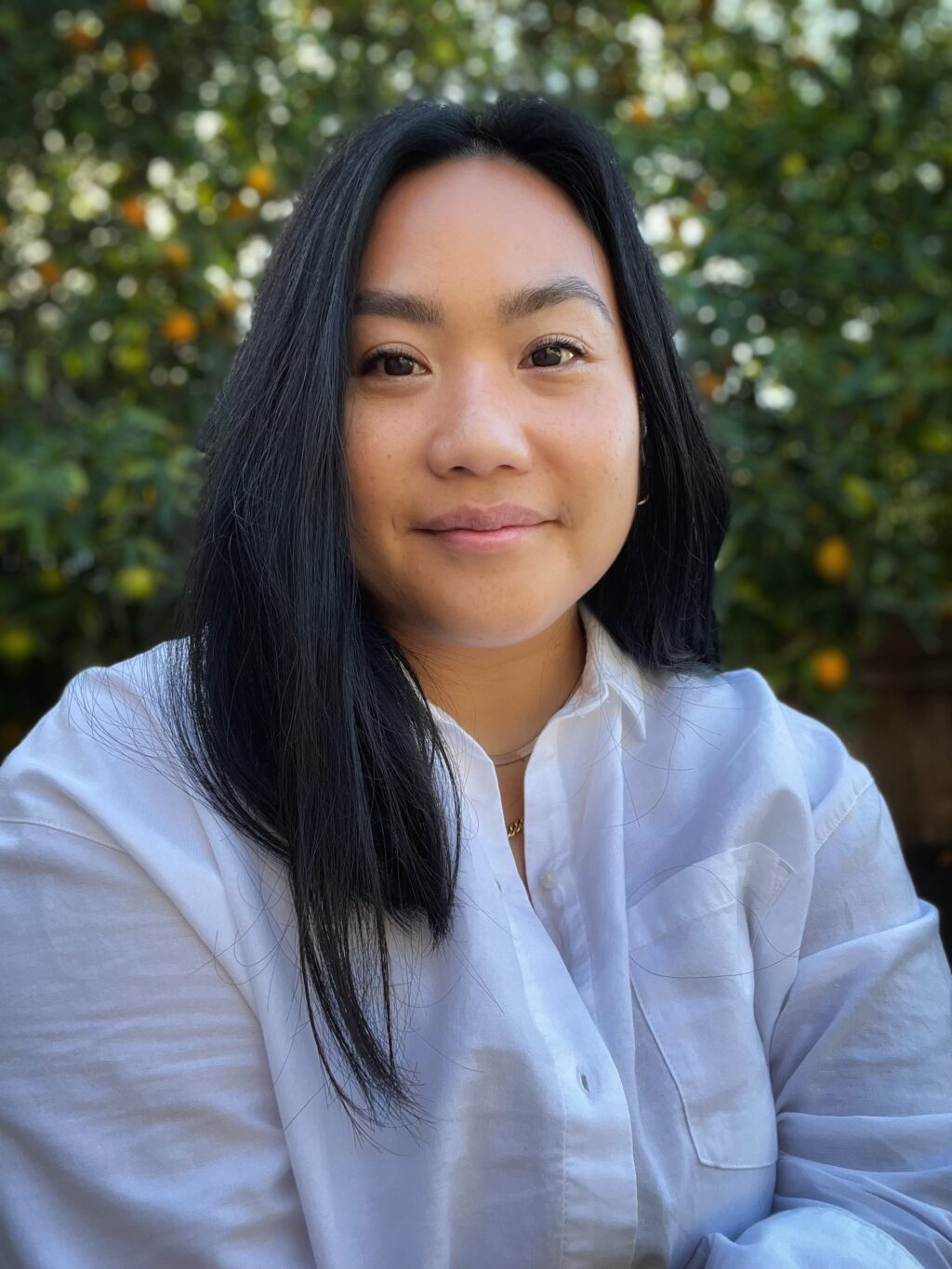
    ATTENTION multitaskers and workaholics- this episode was made for you. Fran Medina is a spokesperson for more conscious day-to-day living. After moving from New York to Portland, Francheska shares what it’s been like to slow down, stop multitasking, and create her life in a new city. This episode will leave you feeling inspired to get out in nature, slow down, and stop working so dang much!

    fran medina

    What we cover: 

    • How living in NYC is different from Portland 
    • What it’s like to be black in Portland
    • How to make friends in a new city
    • Why does it feel awkward to make new friends in our 40’s?
    • How to slow down in life
    • Giving up consistency on social media for peace
    • The process for vetting which brands to work with
    • What is a digital architect?
    • How to NOT multitask
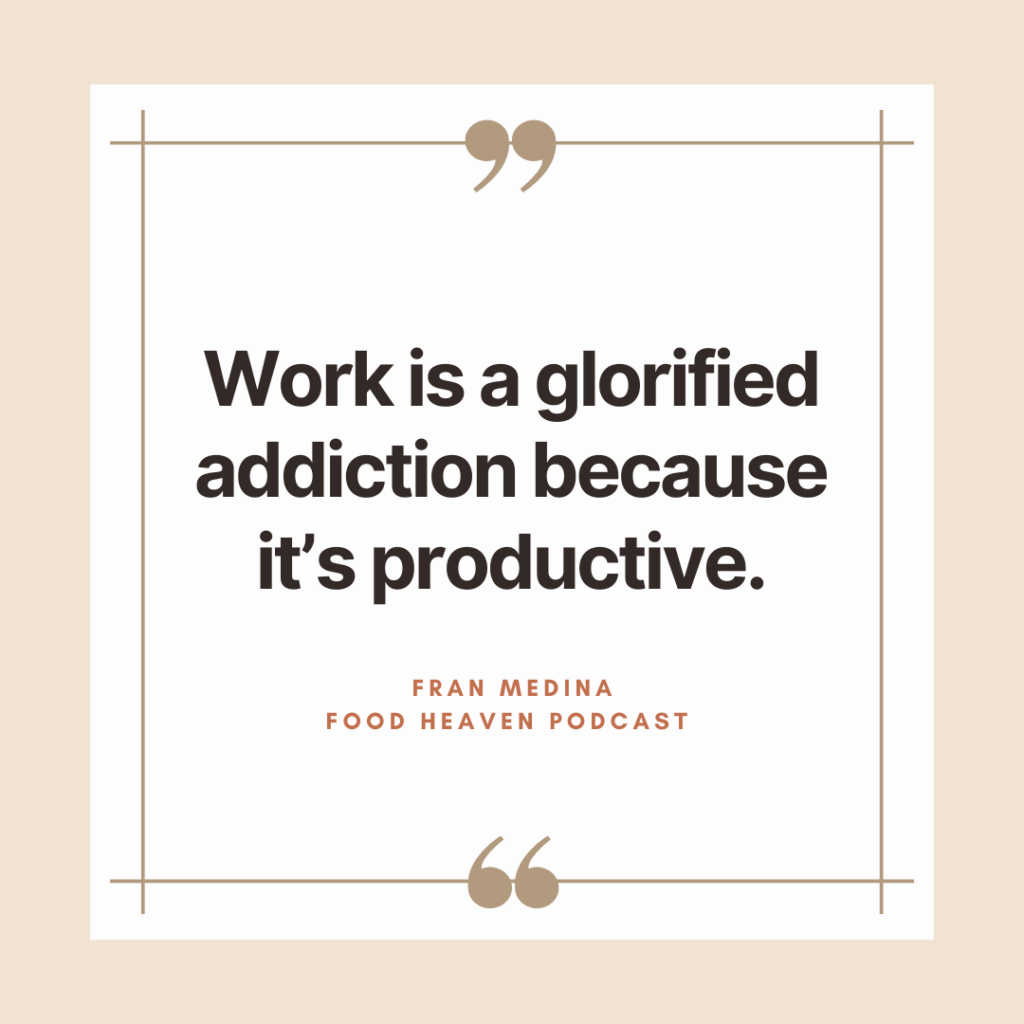
    • Work is an addiction
    • Why you should listen to the Living for We podcast

    Resources mentioned in this episode:

    • patreon.com/thefriendzonepodcast
    • facebook.com @heyfranhey
    • instagram.com @heyfranhey
    • twitter.com @heyfranhey

    3 ways you can support this podcast:

    1. Rate on iTunes or Spotify –  it literally takes two seconds
    2. Review on iTunes – takes 2 minutes
    3. Support our partners using our unique ‘HOOKUP’ codes below. This is how we are able to produce a FREE show every week

    Can you do us a huge favor?

    If you enjoyed this episode, please do us a huge favor and leave us a review on iTunes ….right now. The more reviews we get, the higher we are ranked in iTunes, which means we reach more people!

    Become a podcast sponsor:

    Our podcast reaches thousands of engaged listeners each week. If you are a brand interested in becoming a sponsor, contact us to learn more about our affordable rates.

    Connect with us online: 

    • Instagram @foodheaven
    • Facebook @foodheavenmadeeasy
    • Pinterest @foodheavenmadeeasy
    • Youtube @foodheavenpodcast 
    • Tiktok @foodheavenpodcast
    • Twitter @foodheavenpod

    Our podcast is released every Wednesday and each week we take a deep dive into topics like health at every size, food & culture, intuitive eating, mental health, and body acceptance. If you’re looking for a sustainable and inclusive path to wellness, come hang out with us to learn how to take care of yourself from the inside out.
    Transcript
    Email Download New Tab


    Wendy: Fran, are you in Portland right now?

    Jess: now.

    Fran: Portland, Oregon.

    Jess: Woo.

    Wendy: Okay. Okay. So for those of you who don't know, friends are a girl and she moved from New York City to Portland, which

    is such a big change in every sense of the word.

    So how

    long has it been now that you've been living

    there?

    Fran: Oh man. About a year and like four months. Four or five? Yeah, a little under a year and a half. I know time

    Wendy: Oh my God.

    Okay. Tell us how's it been going? I know in New York City, like sometimes you feel like it's very insular, like you feel like you're kind of living in a bubble and you've created an entire life. Outside of that. So how have you, you've been feeling about the move. I remember like when we last spoke, you had just

    moved there and you were like, wow, this is like a big adjustment.

    Things were so different over here. So how has it been

    going?

    Fran: I mean, it's definitely still an adjustment. I always wonder like, do New Yorkers ever fully adjust anywhere?

    But honestly, it's been, it's been a great adjustment, a lot of learning, especially with how to be in community because I didn't

    realize New Yorkers were so, It's a very individual city, right?

    You're just like, go into your apartment, you go to work and get in your Uber, whatever to get a jump on the train. And here it's like my neighbors wanna have conversation, and when they see me, they're like a, like the mailman knows my name, and he's like asking me about my day every time he drops the

    Jess: Wow.

    Fran: And there's a part of me that was annoyed by it, like I noticed. And then I was like, why are you so annoyed? Like,

    these are people, granted, some of them are nosy, but for the most part, they're just trying to be like, Hey, you are a part of our community now and we are just trying to get to know you, you know?

    And. There was that New York like paranoia that I kinda

    Wendy: Yeah.

    Fran: with of like, why are you all in my business? Why are you asking so many questions? And it

    was just funny

    cause I had no idea that I was even that person.

    But I've never lived in like a suburb, you know? I didn't grow up in that. And I've always lived in buildings, apartment buildings my entire life.

    And so living in a house, even having to tend to a backyard and, and, you know, worry about the front yard and the porch. And it is just funny. Like, I feel like I've stretched into a whole new version of myself that is, is excited and curious, but also anxious. Like, I gotta be rolling out garbage bins every

    Tuesday.

    What is this? Like, you know, I had to learn to drive cause ain't no train, no two train, three blocks away

    and there's no bus, you know, that's easily accessible, which is sad, but.

    It's also cool for me because as a New Yorker, a lot of us don't even have our license.

    Wendy: Yeah.

    Fran: don't even ever make it a thing to become drivers.

    Cause you don't really

    need

    to in that type of city. Where transportation is is so crucial. So here I like learned to drive. I got my first car at 40 years old, like,

    Wendy: Oh,

    Jess: I

    Wendy: exciting.

    Fran: it's, it's really cute. So it's been an adjustment. But

    it's been great.

    I think I've expanded in a lot of

    ways that I didn't anticipate in a

    lot of ways that I did.

    Wendy: I Love that. Do you think you're gonna stay there?

    Fran: I don't know if it's a forever thing. I will

    say

    that just because it feels like this is a

    very, like what Fran needs right

    now

    thing

    and I'm feeling it out. Who's to say? Maybe I will, maybe I won't, but I'm not getting that feeling.

    You know, that this is like, oh, I wanna, you know, plant some roots here and maybe buy a house and have companies like, I feel that way, but then I don't, so I'm just kind of

    Wendy: Hmm.

    Fran: plant it by ear and seeing, because it's, you know, it's not a lot

    of, like, speaking of community, there's not a lot of our community

    here.

    And there's a part of me that feels like, oh, that's exciting cuz it can be something that I.

    Like turned into a mission somewhat because even just me living here a year and a half, a lot of people have moved here. And a lot of people, you see more black people just period. Like it's, there's I think more of a migration happening to the Pacific Northwest.

    And I'm sure a lot of that had to do with quarantine and covid where people were like, I wanna be around nature and this is beautiful out here. So I get the attraction and the calling. So I'm seeing a lot more black people. But you know, it's challenging being in a city where I don't even know what our percentage is.

    Like 2% I don't even,

    Jess: yeah, it's pretty low.

    Fran: low.

    Yeah. So that presents it's own unique

    challenges. So that's what kind of makes me

    wonder if I could stay here long term. Cause I don't find myself being as social. Out here which I need to be, cause I'm such an introvert and I will stay home for a month.

    Like, gladly not leave my house. Not even a problem. But I don't wanna be that person, you know, like I wanna grow out of a lot of that. So I don't know that I can do that here.

    Jess: yeah. It's funny you say that cuz. Last time I went to Portland, which I think was 2021, and I was texting you and you, you were not there yet. I don't think you were about to get there.

    Fran: October,

    Jess: Yeah, and my hu and I, I did love Portland, but my husband Joseph was like, it's a no for me. Just because there's, yeah, because of the lack of black people. And then also it being you being hyper-visible as a black person. Again, you, you're saying that there's more black people now, but then there wasn't, and also just a little bit of awkward vibes, I think.

    Because yeah, it, I th I think that the white people in Portland,

    they wanna go out of their way to make you not feel uncomfortable. And in doing so, it's like uncomfortable. Yeah. It's like we would go eat somewhere and, you know, everyone's sitting and there's no seats and everyone's like

    getting up for us. like take my seat, take my seat. And we're just like,

    okay. Like this is awkward.

    Fran: That is Portland. Every lawn has that, like Black Lives Matter and it's written on people's windows and it's like, all right now.

    Jess: Alright, alright. So yeah, he's, he's like, no, but I loved it in the nature and the hiking,

    do you find yourself doing a lot of

    like hiking or There was farmer's markets

    there.

    Yes.

    Fran: And that was the biggest thing for me here. You know, honestly, it's been the saving grace cuz you could throw me in the woods and I'm gonna be fine. And it's kind of, it's, it's kind of, It's helped me with not having so much of the community and social aspects because for me, nature is social for me.

    Like it's so spiritual and that's a lot of the connection that I feel like I wasn't granted access to in New York. I mean, you go to Central Park layout, that's as much nature, or you have to drive out to the cat skills, you know, two, three hours out to really get that feeling. But here it's such a blessing.

    Like, I'm like, this is wild. Like I have hummingbirds that come to my window every day and I put their nectar out and like a hummingbird feeder and we chill and like 10 minutes away, if I'm not having the best day, I just go drive out to like the waterfalls and the hikes and everything's right there, five, 10 minutes away.

    Beautiful mountains with snow caps. I mean, it's like unreal.

    The land out here is unreal. It looks straight out of like those Mercedes car commercials where they're like turning the road like the trees. It's, it's just stunning and I needed that connection deeply.

    Didn't even, like, I've always been crunchy granola girl, but

    Jess: but

    Fran: this is different.

    Like I just feel, the first day that I went to a waterfall out here, I was shocked cuz I just started crying

    Jess: Aw.

    Wendy: Oh.

    Fran: and I didn't know where that came from.

    it was something a lot deeper, you know, in that moment, just that feeling of like, oh my God, like

    Wendy: Mm-hmm.

    Fran: water, nature, fresh air, just feeling like expansive in that moment.

    You know? You don't realize how guarded and small you have to make yourself in New York just to

    Wendy: Mm-hmm.

    Fran: But I hear just being able to take that deep, fresh breath, you know, and sitting in the car just eating, like, you know, you make your little charcuterie board when you go hiking and your cheese and your fruit, and I was like, this is it.

    This is it. And just the simplicity. I feel like this has brought me back to the basics. You know, like in New York, I felt like I had My climb was different. It was more like, what's next? What's the five year plan? What, you know. And here it's like day by day, like I'm just happy to be in the sun. And the excitement now is like buying a hammock,

    you know what I'm saying?

    And going for walks and exploring new neighborhoods and it's just become a lot simpler. And I like that cuz I feel like I was getting farther and farther away from that, you know? And, and I'm still rocking obviously business wise, but my priorities have shifted. I think my value system has shifted since I've been out here.

    Jess: Hmm. What about friends? How do you, is someone who, Is someone who, you do seem very pop, like a popular girl. How, and You seem to have a lot of friends. How's that going

    in Portland? Or how are you making friends?

    Fran: know, I'm lucky cause my partner extroverted as et o he's a Gemini and he makes friends with anybody. Like he's just that person, very magnetic. So he's made a lot of friends that have in turned become, you know, my friends somewhat. I've met a couple people that reached out to me, you know, usually like, oh, so-and-so told me you moved out here.

    I'd love to take you out to dinner. Hung out with them. But you know what, I'm realizing I'm not the best at maintaining new friends at this age, cuz I'll kick it with you if I meet you. And I'll come home and be like, I liked her. She was like, cool. And then won't text you back or follow it up, you know, or follow it up like, Hey, let's like cat like go oh, oh, they'll hit me like y'all, let's like link again.

    I'll be like, yeah, yeah, yeah. And then don't do it. And I'm like, what is that? Because it's like, if I like them, but it's like I'm so comfortable in the friends that I have that I don't think I'm maintaining those new, like learning how to create new attachments to new people. I'm finding that I'm not doing the best job at it.

    And I'm like, is it a block? Like, cuz my partner would be like, but you said you liked her. Why don't you go like, hit her and, and go for a hike or something. And I'll be like, yeah, yeah, you right

    Jess: I feel you on that.

    Fran: well what is that? Cause it's like, girl, if you wanna make friends, you have to make the effort too. It's like

    dating like.

    Wendy: Yeah.

    Fran: It's

    not gonna turn into anything if you don't pour attention and

    energy

    and attention into it. So I can't necessarily complain that I don't have a social life if I'm also not, you know, trying to create one. So I'm in that weird space of trying to figure that out. Yeah. Cuz I just miss my friends. I'm a Taurus so it's like, I'm very like comfort, you know?

    Like I, I have who I have, I love who I love and I think this is probably gonna be another

    thing of living out here of just like, okay, time to like step into new connections and, and

    feeling those out. Cause I have met really sweet people.

    Jess: it's like

    Fran: no reason to not hang out with them

    Jess: Yeah. I'm

    sh

    Fran: like none.

    Jess: I get it.

    I'm the same. I'm like, I have my friends. We go back ways and

    Fran: It's like hard to beat that, you know? And you know what, I'm not a chit chat person.

    Jess: person.

    Fran: And That's

    a lot of what the early days are. Right. Lots of questions and like that, I don't know, I just, I just be like, Ugh, let's just talk about aliens

    already and

    Jess: Get deep.

    Fran: Yeah, like, I'm like, ready

    Jess: Same.

    Fran: Ease

    in, you know, ease in.

    So lots of

    Wendy: Right. It's a skill. I think especially as you get older, it's like, ugh. We become so set in our ways. We become so comfortable with like the relationships that we've cultivated, that it's definitely a skill. And like I have found myself being super awkward or, and like I'm, I don't con generally consider myself.

    Self to be that awkward person. But like I do find that now that I'm a bit older, I'm just like a little more hesitant. I feel like I'm like the weird girl in the room. Like in my kickboxing class, I'm like, oh my God, I feel like everyone is just like chit-chatting and I'm like, that awkward. And I, it, it's just, yeah, it's just not me.

    But that's what it's been lately. It's very

    Fran: I completely understand you cuz we've all known each other for quite some time. Like I feel like well over a decade at this point, and none of us are socially awkward. We're like, you put us in the room and we're cool. It's like just, but I don't know. Now we're in my forties.

    I've totally turned into that emo girl with the bangs.

    It's just like no new friends.

    Jess: right? No new friends. No new friends. No. No new.

    Yeah.

    Wendy: I feel you

    100%. And I know you mentioned that like now that

    there's not as much stimulation and chaos from New York City, you've kind of realigned with your interests and also just like you're seeing things differently

    from a creative standpoint with the work that you're doing. So You mentioned there was a lot of chaos, overstimulation being in New York, and now that you are in a different place, You've had some realizations, you're approaching things differently, so I'm wondering like, how does that look like for you with, you know, your creativity with the work that you're doing?

    Has there been any shift there in the way that you're approaching

    things?

    Jess: things?

    Fran: Absolutely. Like I think that there was a realization of like, my life was way too centered around work. And you don't realize that it's, you know, it's funny, my best friend and I were on the phone and he was like, how's, you know, how's this year feeling for you? And I was like, oh, I'm working so much less.

    Right? And he goes, so what does your schedule look like now? When I rattled everything off, it was still so much

    shit that he was like, he was like okay.

    And it was

    that feeling of like, I'm such an

    overextending, overworking, workaholic. Or at least that's what I've become, that I don't even realize that my schedule now is just a normal work schedule.

    You know, where in New York, I was so overextended and working in the excess that it just felt normal to me. Like I'd almost gotten comfortable and grown around the discomfort of that lifestyle and was just like, fine with it. And then when I got here, I thought it was gonna be all waterfalls and hikes, but it was actually a big crash mentally, you know, spiritually, emotionally, where

    I

    just felt.

    So it's almost like when you're in a loud club and then you leave and your ears are pulsating, your body's your nervous system is like, what the hell? And you go home, you have to kind of sit still for a second. You know, I. And I think this is what that is metaphorically, you know, and literally it's just that stillness for a second where I'm like, reorienting, reconfiguring my nervous system is like, woo, Lord, okay, this is what like normal life is.

    And

    Jess: And

    Fran: now I realize like, I wanna make time

    to cook and make, and like, play with puzzles, like, you know, go for walks and like learning to drive and getting better at that. And just my life not being so work centered, which is like, we're, so, we're d we're

    society's designed that way, so you kind of feel like you don't have a choice.

    And I'm blessed to have stepped out of that mentality because now like, yeah, I'm still working and I am working a lot, but it's like I make time for so much more like, Before Monday through Friday was very structured for me. Like you couldn't even ask me to come, go out half the time cuz it's like, no, I have my set thing, I can become very rigid.

    And now it's like if I wanna go get ice cream on a Tuesday or sit on a bench somewhere on a Wednesday in the middle of the day, like I, I give myself space to do that. Cause I'm like, the day is whatever you need it to be. Stop making it so rigid, you know? And, and what really was funny to me was one day I was like super stressed out, had to fly to New York for a campaign.

    It was like a Wednesday morning. It was super sunny and beautiful out. I'm stressed, raging in this car, headed to the airport and there was this group of girls laughing, sitting on the side of a bench drink eating ice cream. And they just were like having such a blast. And that contrast of like, gosh, look at what I've designed my day to feel like, because I wanna be. Of status of note, you know, and it just was like a lot, something about that made me crack that day. Like I need to really figure out what I want my days to feel like. Cuz making it so work centered just had me anxious and stressed and overwhelmed and over stimulated more often than not. And it's like, is it worth it?

    Because I wanna make a certain amount of money and be in a certain place in life. It just,

    that's why I'm like, I had to change my value system cuz what's the point of making all this money if you're tired and can't even enjoy

    Jess: Exactly.

    Wendy: Yeah, I agree. Was that scary for you? Like, cuz you know, there's also like the fear of missing out, especially with work stuff where like initially when you're making that shift you're like, well damn, maybe like with me

    not working as much, like certain opportunities will pass me

    or things like that. Was that ever something that

    came across

    for you?

    Jess: for you?

    Fran: No, I can't say I didn't have any like business fomo because in a weird way, I've

    always been that. person that

    has always kind of been half in, half out as far as. You know, the industry cuz I, I don't give too much of myself. I give just enough to maintain. So once I pulled back, I just, as far as business, I was, you know what's weird?

    I thought like, oh shoot, if I'm like in Portland, I'm gonna be out the way. I'm not gonna get as much work. But it actually increased because it was like, people were curious about the perspective of my life out here. So I actually in the last year, made more money working less and living out the way than I ever have in all my years working as this brand.

    Like, I literally had my most lucrative year

    with creating space in my schedule. Which is so weird, right? Cause you think it was gonna be the opposite. And it just goes to show what we think. We have to work so hard to like, reach certain marks and like I hit that. Mark and beyond and was still, you know, on my hammock reading books and chilling back here.

    So that was like a big lesson for me too.

    Jess: Yeah, that's a great lesson and I could relate and and I also appreciate you keeping it real and sharing kind of what you have been going through. Cuz I know that, I mean, I can relate and I think so many other people can relate and it, from the outside

    looking in, I think sometimes people think, oh yeah, certain people

    have it all figured out and we're all just in this together trying to not fall apart.

    So I wanna switch gears and talk about So Shall Media,

    Fran: Mm-hmm.

    Jess: which we've had you on before to talk about that because I feel like. Social media obviously is crazy and you are one of the few people who seems to not let social media rule you and you do it on your own terms.

    Yeah, I always use you as like the

    gold standard.

    Like look at Fran, Fran posts like 10 times a year,

    Fran: Not even.

    Jess: not even

    right.

    know. Like three. But it's like really, I think you post when, when it makes sense. So how have you been feeling with social media lately and just what is your updated outlook?

    Fran: I mean, it's still pretty much the same. I only post when I have something to post. I don't really feel that like you have to do it daily, but I do suffer for it in the sense that like my peers have far surpassed me as far as their numbers. You know, they are, some of my peers are in the millions on social media, and I, I don't have those numbers because I don't keep that consistency.

    But I'm okay with that because I also feel like.

    Jess: as

    Fran: like a trade off. Like you want the numbers or you want more of business in life to be on your terms. And I prefer that. Like I'm okay. I'm more peaceful. I don't have that pull, like I won't go on social media for a day or two and I don't feel like, ah, man, my brand's gonna tank.

    You know? It's like, it's fine. And luckily my base, because I've been doing that for so long, they get it and they understand and those who get it, get it, they're still there. They know they might not get a post for a month or two and they're patient and it's cool and it works out for me. And to be honest, I've actually untethered even more. Cuz I have found that social media heavy as it's always been, it feels a little darker, like even darker these days and a lot heavier. And a lot of that seems intentional, you know, especially like on Twitter. But I, yeah, I made it a point, like this year I was like, I wanna read more. You know, we were little, we would read a lot.

    Like at least I feel like me and my friends, we were always our heads buried in books, whether it was goosebumps or whatever. And I wanted to kind of recreate that feeling. And it started off with me being like, you know, read a page at least like no matter how hard your day has been, read a paragraph but just read every day.

    And that turned into couple pages and then chapters. And now I've found that instead of reaching to my phone, I'll reach for my book. And I'm so proud of that. It's so simple, but it's makes me happy cuz I feel like that's part of an untethering that I've been wanting to work on for so long. And I'd be so proud of myself or going for walks and not taking my phone.

    You know, obviously getting back in touch with my body, being out here. I think during quarantine I definitely had a mind body disconnection

    cause I was so in my head just trying to get through the emotions of the past three years that I think my body, I just kind of like let it go to the wayside.

    And now been reconnecting with my body in a really cool way. Just stretching before bed long walks, having conversations with my body, like what's painting, what's aching, what do you need? You know, how can I comfort you? And, and rebuilding those relationships. So a lot of I r l in real life shit going down, you know, and it's been really good.

    So social media will always be a blessing cuz it's afforded me so much, you know, like I'm working with N P R right now because of social media. That's a blessing. That's like, One of the markers I'd been wanting to hit as a podcast producer. But I'm so thankful that I figured out how to reach those marks without giving more of myself than I wanted to.

    And to me that's like the best blessing

    Jess: Yeah,

    Wendy: that is

    amazing. And yeah, we saw, I mean, we're always like keeping up to date with all of the amazing things that you're doing, and I think with the brand partnerships, It can be really hard to find ones that align and that pay the bills that actually compensate well. And so like the ones that you're doing, I'm like, oh my God, it's such a perfect fit for you.

    Like, it just seems like it really aligns. And so I'm wondering like, what is your process for vetting brands? Making sure that it all makes sense because in our experience doing this

    for, you know, over 10 years, it's like there's a lot of partnerships that

    you sign up for that maybe initially makes.

    Sense, and then it's like a train wreck,

    Jess: wreck.

    Fran: A lot of those.

    Wendy: yeah. Yeah, yeah, yeah. I'm sure you've ha you've had those, you know, in the past too, but you've done this for so long, so like, do you have a, a certain

    thought

    process or like approach that you take on just to make sure that it's the right fit?

    Jess: right thing.

    Fran: Well, I think honestly speaking, when you're first coming up, you just gotta take what you get, you know? So it's definite, like you just happy to be there. So early on, you know, I had to do what I had to do to survive. We live in, in New York, there was rent, you know, and, and you just have to kind of be realistic with your situation.

    I think when money started becoming more comfortable, where like I could start saying no, you know, so it was a journey. It was a process that I was afforded.

    As the success continued and then I was able to kind of carve out my voice a little more once I was safe, you know? And that's the reality of it. In the beginning, I wasn't safe.

    I was just trying to like survive. But then when I got into, I shifted into thriving, that's when I could kind of. You know, buck up a little bit. Like, I'm not taking that,

    Wendy: Yeah.

    Jess: Yeah,

    Fran: you know, I, I can't do this. And then, you know, that was the blessing of it. So now I've carved out my voice so prominently, so strongly

    that brands kind of know Fran wouldn't, probably wouldn't do this.

    You know, they don't even really hit me like that. And I do tend to get more projects at this point where people are like that for sure she would do this, you know, it's in, it's in perfect alignment or at least it's close enough that we might get a conversation going with her. And a lot of times people will let me j adjust and modify as I see fit, which is really cool too.

    So, yeah, initially it was not like that at all, but now it completely is and it's a blessing cuz it's almost like you create your compass, right? Like the more people see the road you're on, then they just. They're like, okay, okay, this is, this is Fran. This is what Fran's trying to do, so let's get her these projects that are following that, that road that she's kind of paved for herself.

    Wendy: Hmm.

    Jess: It's so inspirational for people who Yeah. Who are listening where I think you're right in the beginning you do have to maybe take more just to survive, but yeah, we got those spells. But just yeah, putting out there what you wanna put out there and getting back what you wanna get back. And it's very clear and anytime you do something, I think people are excited cuz you don't do many things.

    I'm curious, like, how do you define yourself

    professionally? Like, do you call yourself a podcaster or Yeah. What

    is, what's your elevator pitch?

    Fran: what's funny? I I people always, cause I had to

    write a bio recently and I was like,

    ugh, how awful to have to talk, like, describe yourself cuz how can you, I'm terrible at it. I had to hire my friend to do it and I loved seeing how she described me. Cuz I think sometimes we will play small in a lot of ways.

    I don't know if that's cultural or just societal. Like, even her using certain language to describe me, I was like, Ooh girl, you know, like, I'm gonna hire you for my pr. And she's like, friends, you not realize is like, really you, you know, this is the work you've done. But I really call myself like a, a digital architect, you know, where it's not so much.

    Anything specific I've created, I don't live with myself. Cuz if I say podcast producer, then that's all I'll get. If I say content creator and people think you're an influencer. So I just say digital architect, where I just continue to carve out spaces based on where I'm at and how I'm feeling and what I feel called to in that moment.

    So I feel like that term has probably been the most aligned I felt. Describing myself.

    Jess: I love

    Wendy: about to hire her like.

    Jess: I

    need,

    Fran: no, I came up with that one,

    but

    Jess: Okay,

    Fran: like.

    we gotta put that in there.

    Jess: listen.

    Wendy: hire you then.

    Fran: you know? I was like, is that too gas? We calling myself that. She's like,

    no girl.

    That's

    Wendy: That's dope. Yeah, and it's so unique. I don't think I've ever

    heard that before. That's

    dope.

    Jess: love it.

    Fran: Yeah. Thank you. Thank you.

    Wendy: Ugh. Alright. All right. So, oh, go ahead, Jess.

    Jess: I was gonna ask about, okay, what helps you recenter

    yourself and also stimulate, stimulate yourself creatively because the work that you do is giving so much. And I feel like, especially me when I was burnt out and I'm still recovering, but it's definitely better and my creativity is coming back.

    But I had no creativity for a long time, literally none. And I'm a creative person, so how do you make sure

    to recenter and, and channel that creative energy?

    Fran: honestly, that's why the, the business model I've designed for myself, where I only come online if I have something to share, you know, I only work on projects. When I feel like I have something to contribute, that'll make it great. You know, it's like that's part of that design. It's the ebb and flow of creativity.

    I've never wanted to feel like a factory, cuz I'm not, I'm, I can't pump out content every day. I can't even pump out content that's gonna be consistently great. Like, that's just not, I don't see how that's possible. Like, so taking, giving myself that space has been a blessing cuz it's not expected of me.

    No one's expecting Fran to post every week or even every month. But they know when I do come with something, it's gonna hit a certain way cuz they know that I've like taken time away and then have poured into whatever that new project is. And so that's why it is worked out that way by design, cuz it's literally structured around my creative moods, you know?

    And, and I, and like that's what's been so great because, I'm not putting on, and I'm not trying to be that person either. That's like, oh, I must rest. It's like, no, I don't have it. Like

    Wendy: Mm-hmm.

    Fran: I just don't have it to give a lot of times, and I can only do what I can if I want the content to have integrity and substance and really feel like me, you know?

    And so lots of rest. Lots of rest. I remember, I feel like it was on this show, and maybe when you guys came on on mine that I was talking about like I get nine to 10 hours of sleep at night. I don't play like my weekends. I have boundaries too. I don't work on the weekends unless I absolutely have to, where it's like, you know, sometimes you have to travel for campaigns and stuff, but for the most part, I do not work on the weekends and I don't work on Fridays.

    So, cuz I'm like, Fri, you need those three days. You know, Friday is where my body is like completely shut down so I probably just need to just be still maybe veg out watching Housewives of Potomac or something,

    shout out to Dustin. And then like Saturday's exploration, you know, that's when I have a little more energy.

    I've powered up a little bit cuz I rested on Friday and that's when I wanna be out, you know, hiking or exploring or especially being out here, meeting new people, looking at different neighborhoods and just like hiking all these things. And then Sundays like wind down, you know, in preparation for the new week.

    So that's why I'm like cleaning. Kind of getting my mind around like, what's a new week gonna feel like? And I feel like those three days are crucial, you know, like super crucial. I hate that we try to fit everything into a Saturday and Sunday. And even Monday I've started to slow it down in the sense that it's more of an adamant day where I'm responding to emails and not necessarily creating off out the gate of the week.

    You know, like that's where I am, kind of getting my mind wrapped around like, what's, what's going on now? What do I need? What needs my energy and attention, you know, and, and how to do that. And so really just like designing my week

    in a way that will bring the best out of me creatively. So lots of slowing down and it's become very spacious.

    I'm doing a lot less, but what I am doing just feels like it's more, you know what I mean? Because it has my full mind less multitasking. That's another thing I have cut that out. I think in this day and age you get rewarded for doing 10 million things, but then those 10 million things don't get your full mind.

    So don't really hit like you need it to. And I found that doing less is ends up giving a lot more and that works out way better for me.

    Jess: How do you not multitask?

    Fran: I just, I had to stop. Like whatever I'm working on has my full

    mind, you know? So I have less things that I schedule for the day instead of trying to squeeze in everything. It's like that's not gonna end up coming out that good. You know how it is, like you'll be on your reserve tank. Of energy trying to be in a meeting, giving ideas, it don't make any sense.

    Like it's, they're just not gonna get the best out of you. So I've scheduled a lot less, and like I said, this has been over time, you know, like I'm also, what, 15 years, 14 years in the game at this point. Like at this point in my life, I can create that spaciousness. And cuz I've, I've, I hate to say that we earned it cause that's, so, that's some capitalistic shit.

    It's like, I've earned this place.

    Jess: I paid my dues.

    Fran: paid my, I suffered to get up here, but it's the truth. That's just the world we live in, you

    know? And it's almost like you have to suffer to design

    that space. And I hate that cuz not everyone gets there. And some people work so hard their entire lives and it's just, that's a whole other conversation.

    But for me, I, I almost am like my mom, you know, as an immigrant, this is what she came here for, for me to be able to have a more spacious life. So I feel proud to be able to do that for myself.

    Jess: Yeah.

    Really quick. Other question about that. Do you only do meetings a certain day or time or like how do you divide

    output of creative work

    versus meetings and all that thing, all that other stuff?

    Fran: Yeah, I mean, it depends. I'll be real. Some people, if I really

    like you, like y'all, I'll mute y'all whenever,

    like it's whatever works for us. But when it's like a company, you know, I'm more rigid where you ha we have to fit around my ca like capacity.

    And before, you know, you'd be like, oh yes, yes. Like whatever works.

    But now I'm like, no, I have Monday for you and I have Thursday for you, and let me know what works for you. And just even feeling safe. And knowing that I can't, I can speak that way, you know? And I can have that rigidity around protecting the space, the spaciousness that I've created, because you really do have to protect that, especially as a workaholic.

    It bleeds in, it comes back out. You know, it's a constant, it's an addiction. I always say it's like, work is like a glorified addiction just because it's quote unquote productive and, but it's still a problem. It's a problem. I saw myself not eating,

    like powering through the day, not eating, not even moving my spine, not getting any oxygen because I have to work.

    Like that's wild.

    And didn't wanna play that game no more. Sometimes you don't even get water. Your head's pounding when you go to bed. You're like, what kind of life is this? Just cuz I had to get this project out.

    I mean, what? I just didn't wanna do that no more. I like it now where my mornings are slower. You know, I'm drinking tea, going for walks, working on what I want to, like I said, it's, my output is much more solid because I have more space.

    Wendy: Yeah, that's

    so inspiring. I just love your approach and yeah, I just think there's so much burnout, especially in the online space with the work that we're doing because like you said, it's like it becomes very performative. It's not coming from a place of creativity, it's coming from a place of like keeping up with algorithm algorithms and trends and.

    So it, it, like, it kills creativity. Creativity, if anything. So it's just like so inspiring that you've been able to do things your way and that you're like fulfilled with the work that you're doing and that it's meaningful and like I

    yeah, it's just, it's a lot

    to think about for me cuz I'm just like, wow, you know, it's really something to aspire to.

    Fran: Yeah. And it's crazy cuz even with the spaciousness, like I was telling you earlier, how when I was running down my year with my best friend, like it's still a lot, you know? And I think we don't realize how much we do on a daily basis until you really step back. And so, so even with the spaciousness I'm describing, I'm still battling workaholism.

    Like, because it's still a lot of stuff that gets done, even with me cutting down and, and you know, having boundaries and rigidity around certain days. It's still a lot. We give so much of ourselves, especially as entrepreneurs, it's never ending. And it, it's so, we play so many roles and fit so many hats and it's just like, wow, I have to be this boundary.

    If I'm gonna stay sane, like I have no choice because that burnout is awful. And, and by the time December comes around, you know how you just feel so depleted, you can't even enjoy your holiday cuz you're just like a zombie, like a shell of a person. Cuz by the time that time of the year comes, you gave so much.

    and, and then you get, what, a week off, two weeks off com, and then you write back at it in January. It just don't make sense. I had to even adjust that with the friend zone. I was like, y'all, we gotta take six weeks off. And they were like, are you crazy? Like, we cannot do that. People stop listening to the show.

    There's so many new podcasts, we can't play that game. Even our, the CEO was like, okay, but that's a lot of ad money you're losing. I was like, I'm okay with that because there's no way that I'm gonna finish the year in December and then by January 7th just be back with a whole new year of shows. It's just not sustainable. We record every week for the past seven years.

    Jess: It's a lot

    Fran: What human can do that and function? And luckily they understood and now they can't live without the break. They're like, woo, our break's coming up, you know?

    Jess: Is it, do you take off December And then half of January or,

    Fran: Exactly. So give some breath work for the end of the year, and then come into the year, you know, breathing into what the New Year's asking of you. Very woo woo. But to me it's been a blessing. I personally don't like starting January really busy because I'm still like decompressing from the year. I like it slower so I can like,

    you know, gather myself, get, get my footing, like what did I learn from last year?

    Kind of like taking all the things that happened. It's a lot of processing. And I, like you said, Wendy, the, the way that the algorithm and just social media and business models are now, it's like there's no room for you to breathe. It's a choke hold the whole year round. And I just, I was feeling the burn of that, you know, and I was like, if I'm. If I'm gonna keep doing this for more years and have output that I'm proud of, something's gotta give and it can't be me. So I had to tinker around with what that looked like until it felt right. And it's still a work in progress, you know, like I definitely still, even

    with the spaciousness, still will have burnout like

    Jess: Mm-hmm.

    Fran: So yeah, it's a lot to figure out.

    Jess: Yep. Yeah.

    it's very much more, more and more, yeah.

    Fran: Mm-hmm.

    Yeah,

    Wendy: I'm also wondering, like,

    in thinking about,

    Future and like, you know, like just you have so many great things happening now. Do you think too far into the future or like strategize about like, what that can look like? Like just doing certain things so that other things can happen

    for you in terms

    of work?

    Or do you take it more like day by day? How do you approach that?

    Jess: that?

    Fran: Day by day.

    Wendy: Yeah.

    Fran: Because I, it just gives me too much anxiety if I start, because then I start getting in my

    head like, well, am I still gonna be podcasting when I'm in my sixties? And then if I'm not podcasting, like am I still gonna be on IG posting target campaigns? Like it, you, I get so anxious because I'm like, am I gonna be after having a career like this?

    What does this translate into in your fifties and sixties and seventies? Will I have enough money? What if I live till I'm a hundred? Like I'll just go ham? Especially with social security, we are not even guaranteed that anymore. It's like there's so much worry and concern. You see these banks failing. We literally don't know what's gonna happen in the next 10, 20 years.

    And so, I don't wanna do that to myself. So I'm gonna take it day by day and pour into what I need to and just trust that the path is unfolding cuz it has in the past 15 years. It is not, let me down. I never knew what a podcast was. Now look at me, this is like my whole life now. And that's because I just like trusted each decision and kind of just like surrendered to whatever was, you know, staying open to whatever was, was coming my way.

    And that feels better for my nervous system. So

    Wendy: Hmm.

    Jess: yeah,

    Fran: I just take it day by day and do my best and, and have

    faith that

    that's gonna unfold. How it means to.

    Jess: and we're also the first generation, and really I think us folks who are 40, are turning 40, well, I don't know. We're the first generation of people who

    made a business online in

    this way, so we really don't know

    Fran: what that looks like.

    Jess: that looks like.

    And yeah, like are

    you.

    Fran: a retirement plan of a content creator?

    Jess: I know.

    Wendy: Right,

    Jess: And now there's like a whole generation of new content creators and, and the mentality of of them is very much like they're young and they do have more energy and their, their output is just

    so much greater. Although they are getting

    burnt out at like 22, which

    is wild. But

    Fran: Also didn't that's all they've known, you know, like they came into it watching us. we didn't we didn't see us, we created us. And so we still had that sort of half and half out where like we grew up

    outside, you know, we grew up traveling

    to see family. We grew up, but now these young kids, all they know is social media and it's their life in a way deeper, all consuming way that it really wasn't for us.

    I mean, I was 15 I think when I first got into my first like AOL chat room, remember back in

    like,

    Jess: Sure. Do

    Fran: you know,

    Jess: age, sex, location.

    Fran: Yeah, I was already 15. I had already been in high

    school, you know, and experienced a lot

    before that. Even like got integrated and even at 15, it's not like I had a cell phone that I was like, with apps like social media, it wasn't a thing.

    You just waited till you got home. If nobody was using the phone and you had access to the internet and you know, chatted on AOL for a little bit. It wasn't so much a part of my life like it is for these kids. So I feel for them cuz I think that output is really all they know and I just hope that they take care of themselves while they navigate this all-consuming digital space.

    You know, because look at us, it wasn't a huge part of our lives, but we still are consumed by it cuz it's an addiction.

    Wendy: Yep.

    Fran: So it's like, ooh. I feel for them. Yeah, it's, it's gonna be a learning process I think,

    for all of us.

    Wendy: Mm. Good Lord. Well, Tell us. So you have this NPR podcast. Tell us about that. Tell us about like other cool things that you're up to. Like, we're just so excited living vicariously through you with all of, I'm just

    like, oh my God, this is so dope. So tell us about the podcast, what it's about and anything else that you're excited about.

    Jess: about.

    Fran: Yeah, I mean the podcast, I'm super proud of it. It's called Living For We, and it's part of this N p

    r idea stream collaboration where a p a study was released in Pittsburgh during quarantine, actually, where the mayor at the time of Pittsburgh hired these university researchers to create like a livability index to show like how much better Pittsburgh was, right than like every other city.

    Cause apparently Pittsburgh for the past couple years has been like

    the best city to live in. You know, when they dropped those lists, like it's best for education and for like, income and work opportunities and healthcare, and it just ranked very high. But unfortunately for him, while he was trying to get these researchers to do it as a flex, These researchers were also race scholars from the university.

    So they were like, there's two different livability indexes happening here.

    This is for the white people. Yes. But you have not taken into account what the black people in your city have been experiencing. And they were afraid that this information was gonna be buried. So she was very slick and, and submitted the livability index to him.

    The same day she submitted it to the news, to the Bloomberg News, so that way it could not be buried. She ended up losing her job, death threats, you name it. But she was like, it was worth it cuz I had to let these mayors stop flexing when there's a large part of their demographic that's being largely ignored.

    And in that, in that index, she ended up being like, you know what? I'm gonna do this for all the cities and.

    That were, that had at least a hundred thousand black people living in it, at least, right? At minimum she did it for those cities. And Cleveland came in dead last high. Like infant mortality rate was highest suicide rate was highest arrest rates, murders, I mean, you name it.

    It was just horrifying information. And imagine if we had found that out about Pittsburgh and Cleveland was doing even worse. So these researchers from Cleveland called from a company called Enlightened Solutions. They decided to team up and, and interview black women from Cleveland to create data based on their actual experiences and see if it matched up with what the livability index had provided.

    And from that, it turned into this project noir is what they called it. And that's where N P R came in. They were like, We should turn this into a podcast. We should take the livability index information, tie it into the project noir deck and the the interviews with black women in Cleveland. Flesh it out.

    Who do we hire? Hey, Fran Hay. She can help us format this in a way that's palatable to the millennial. Ears, you know, cuz it's very dense, it's very heavy. And I got blessed to be hired to figure out how do we turn this into a show that people will feel, you know, but also taken in small doses because it really is a lot for the average person.

    And we've been formatting it since August actually since July. And the first episode just dropped earlier this month, March 1st. Perfect time for international Women's Month. It kind of aligns so divinely. And, and that's what that project is, just giving the black women in Cleveland a voice because it took this white researcher.

    them to listen to this when black women and black researchers have been saying this for years. And so it was bittersweet with the white researcher because while she did get the info out there, it was still frustrating that it took for her to say it for all of this to happen, even down to us formatting this podcast.

    So it's frustrating, but at least it's getting the work done and I'm very proud of it. We had Tamir Rice's mom, who you know, was a 12 year old that was killed in Cleveland. She was on the podcast. We've had Aisha Bell Hardway, who was like a police monitor that was hired after that happened when they were kind of trying to be like, oh, let's put a black woman, you know, like to kind of save face and just what she had to endure.

    The public scrutiny of kind of being in the middle. And just a lot of incredible conversations. We have eight year olds talking about what they experience in their neighborhoods. We have 94 year olds sharing how the landscape has changed since the forties, you know, so really powerful podcasts. It's based on black women.

    So it's been very hard getting it circulating, which has been a challenge that I didn't anticipate. I didn't, I forget, we're such a small percentage of the world, right? So the average person is not gonna click to find out what's happening to black women in Cleveland, you know? So, That's been a challenge, but it's such beautiful work and I felt really honored that from something that I was like, oh, what's a podcast that now I'm helping format such important research and data with people from our community who need that, that assist.

    You know? And I'm, I, I'm like, look how life works. That's why I don't plan ahead because I never would've thought I would've developed this skillset. I couldn't have planned for this, cuz it just wasn't something I would've saw. It was, you know, sometimes we can be very limited in what our five year plan is cuz it's based on who we are right now.

    And so I'm thankful to have stayed open cuz this is a dream come true. It's, it has its challenges, but for the most part I'm like, I think this is probably my best work. to be able to say that 15 years in, it's like a blessing, you know? But it's absolutely my best work.

    Jess: Wow. Oh my gosh. I can't, how many episodes is it? Or is it one

    episode?

    Fran: It's, it's gonna be 12 in total, but it's only two episodes out now. And then the third one comes out next week and it comes out every other week. Yeah,

    Jess: love that. Give you time to actually listen.

    Fran: a lot. It's a lot. I'm like with, with some spaciousness.

    Jess: we need, yeah, it's, everything's just so quick. I'm like, okay, I read. The week is good. I can

    Fran: time to digest.

    Jess: Yeah,

    it sounds great. Well thank you for sharing that. Any other places people can find you? I know people, most people probably know you from the Friend Zone

    podcast and then the binge and the Woo

    Fran: Yeah, I mean, the Friend Zone podcast, of

    course. That's every week, every Wednesday,

    and we're about to hit our seventh year, which is nuts. Then of course we have our Patreon at the Friend Zone podcast, and that's where we have additional content where each of the hosts has their own show.

    And then we have a show together where we just binge silly stuff just to lighten up the energy, you know? And then also I've been working a lot with Target just because they've received these annual budgets now that focus on black content creators, and it's called Black Beyond Measure. It's like a new initiative that Target created.

    And I've been able to flex my directing skills, which has been really cool. Cause I, I love being behind the scenes. Like I feel like I shine a lot more.

    Jess: more,

    Fran: And being more of the like researcher and creative that kind of puts all the puzzle pieces together. I can be in front of the camera and that, that's cool, but I'd much rather just be kind of behind the scenes and I've been stepping into those roles a lot more, obviously with the NPR show and then working on directing these content pieces for other black creatives through the target medium.

    And that's been fun too. Yeah, so a lot more target collabs coming up this year with some dope creatives, obviously the NPR show and friend zone, and then I'll just be asleep otherwise, and my little hammock in my backyard.

    Jess: Girl,

    you and me both taking Fridays off. Okay.

    Fran: Okay. Needed. Okay.

    Jess: needed. Ugh. Oh my gosh. Well, thank you so much. This was honestly amazing and it gave me a lot to think about for my own

    life and schedule. I'm gonna be making

    some changes. Yeah, this is always great to

    catch up.

    Fran: Yes. Thank you for having me. It's, it was nice to be able to share what life has felt like since moving out here. So, and you know, I love y'all. I feel like we've been in this together navigating all these changes in this every evolving digital space. Yeah. You know, and, and I think we've done great cause it's, we're getting older and we still out here surviving, thriving.

    Jess: here.

    Fran: Thank you. And I wish you guys the best with the Food Heaven brand, cuz y'all are just the coolest, y'all know I've always been, president of the fan

    club. That's the

    term that I can, you know, I'm the president of the Food Heaven Fan club now.


    Scroll back to top
    powered by

    Filed Under: Podcast

    Why is Nobody Talking About Social Determinants of Health? W/ Your Nutrition BFF

    April 26, 2023 by VA Leave a Comment

    Listen- even as dietitians we’re the first to admit that health is not entirely determined by what you eat and how you move. In this episode we interview Clara Nosek, an outpatient registered dietitian by day and content creator/internet troll by night, to give insight into the other factors that impact health. Listen to hear about the social determinants of health and how they play a part in your life.


    What we cover: 

    • What are the social determinants of health?
    • How the nutrition meme queen came to be
    • Healthcare’s focus on the symptoms versus the root problem
    • How food insecurity impacts health
    • Convenience foods that are budget friendly
    • How chronic stress impacts your life and nutrition
    • How trauma impacts health
    • Boundaries you can set to improve your health
     

    Resources mentioned in this episode: 

    Claras Newsletter

    Instagram @yourdietitianbff

    Tiktok @yourdietitianbff

    3 ways you can support this podcast:

    1. Rate on iTunes or Spotify –  it literally takes two seconds
    2. Review on iTunes – takes 2 minutes
    3. Support our partners using our unique ‘HOOKUP’ codes below. This is how we are able to produce a FREE show every week

    Can you do us a huge favor?

    If you enjoyed this episode, please do us a huge favor and leave us a review on iTunes ….right now. More reviews means a higher ranking on iTunes, which means we reach more people!

    Become a podcast sponsor:

    Our podcast reaches thousands of engaged listeners each week. If you are a brand interested in becoming a sponsor, contact us to learn more about our affordable rates.

    Connect with us online: 

    • Instagram @foodheaven
    • Facebook @foodheavenpodcast 
    • Pinterest @foodheavenpodcast
    • Youtube @foodheavenpodcast 
    • Tiktok @foodheavenpodcast
    • Twitter @foodheavenpod

    Our podcast is released every Wednesday and each week we take a deep dive into topics like health at every size, food & culture, intuitive eating, mental health, and body acceptance. If you’re looking for a sustainable and inclusive path to wellness, come hang out with us to learn how to take care of yourself from the inside out.
    Transcript
    Email Download New Tab


    Jess Jones: Before we get into this week's episode, I have a new venture that I am so excited about. I've not been as excited about anything in a really long time, and I wanna quickly share it with you. So I have started a newsletter on, it is called Internet Elder, and you can find [email protected]. Basically, the newsletter is about how in a world obsessed with staying young, I wanna talk about getting older.

    I am an internet elder. I am an elder millennial. I'm turning 40 this year, and I wanted a place to process and also connect with other geriatric millennials like me. I started internet elder as a platform where I could look back to look forward and share my reflections on everything from modern marriage to girl boss burnout and how my approach to all the things like food, money, friendships.

    Style and decor has evolved over the decades. I'll also interview friends and older role models living unapologetically in their second chapters. So with a combination of personal anecdotes, practical advice, lessons learned, embarrassing throwbacks and recommendations. This is gonna be a community where we can celebrate our collective experience as the last analog generation, and also explore new ways to navigate this next half of our lives.

    I'll be releasing new pieces of content every single week. So whether it's an article, I'm getting back to my journalism and writing roots, or a voice note or a video or a curated list of recommendations. There'll be something every week, and I think you're really gonna like it. So if this sounds like something you're into, head on over to internet elder.subs.com.

    That's internet elder.sub.com. All right, let's get to the episode. Welcome back to another episode of the Food Heaven podcast. Today we are having a conversation with somebody that I've been dying to have on this podcast for a really long time. Her name is Clara Nasik and she runs the popular Instagram account.

    Your nutrition B F F. Clara is an outpatient registered dietician by day and a content creator slash internet troll by night. This is her bio I'm reading, by the way. Her love language is memes and infographics, and she loves to listen to audiobooks at 1.2 Speed. We're gonna be chatting about social determinants of health, which is something I always see Clara post about on her Instagram account because she is very social justice oriented in the work that she does as a dietician.

    For those of you who have not heard about social determinants of health before, you're not alone. That's why we're doing this podcast episode. But briefly, they are economic and social conditions that influence individual and group differences and health status. So a lot of times people like to blame the individual like, oh, you're not eating enough vegetables or, You should be exercising more without pulling back and realizing that we have these social determinants of health that really play a big role in our health status.

    So we're gonna dive into that today with Clara. Some of the things we talk about are why these determinants of health matter when it comes to what we eat and how we live, how the healthcare system can fail us. She is an outpatient dietician, as I mentioned, so she's gonna share some of her stories and insights, working with patients directly and kind of what has been helpful and how she's able to incorporate information regarding the social determinants of health to the work that she's doing, and just her thoughts on how we can actually try to make.

    Things better and promote health equity. We also get into culture and how that has a huge impact on how we view food and how she tries to make sure to consider cultural differences when working with clients. As a dietician, we get into healthy eating on a budget, how chronic stress and trauma can affect health in a lot of ways, and how we can prioritize our health without getting caught up in diet culture.

    Clara also shares her favorite wellness practice that is absolutely free. This episode is full of a lot of gems, and if you're someone who has not heard about social determinants to help before, you definitely need to stay through this conversation, even if you had, it's a great conversation. Now, before we jump in, I want to read a listener review.

    This one says, hesitant. Ooh, and it's from, I have everything I need and they write. While I've been having a hard time for the last few months, I've been pushing myself to get back into wellness and improve my mood, physical, mental, and emotional health. Overall, the task has felt daunting. However, listening to your podcast has helped me lean into the areas where I seek improvement in a way that feels real and far less intimidating.

    Thank you. Food Heaven. And then they left a sunflower. I love that review so much and appreciate you for taking time out of what I know is a busy day and giving our podcast a chance because it sounds like as many people are just in general with podcasts, you are hesitant at first. I know there's so many pods and it's hard to know what's worth listening to, so we appreciate that you gave bars a chance and left that really kind review.

    If you have not already, you know the drill, just head on over to iTunes or Spotify and leave us some stars. Drop a review. We will most likely read it on this podcast. The reviews are the highlight of our day and we read every single one of them, and it really helps to keep us going. Now, with that, let's jump into the episode.

    So if people don't follow you on Instagram, they should, because in my mind, you are the meme queen, and I'm curious, where do you get the inspiration to create all these great nutrition memes? And does it come naturally to you or is it, I don't know. I just feel like you do such a good job at it.

    Clara Nosek: My God, thank you.

    It comes from my over consumption of television and social media. I am what some may call chronically online, so I am like always consuming content, which I'm trying actually. I'm really trying not to as much anymore or being more mindful of how I scroll. But I think that the communication part of it comes really from being a parent.

    So I think about how I communicate things to my kids. Hmm. Like really complex cuz my daughter will ask me like the craziest questions and I really wanna honor her curiosity. And so I try to bring that same energy to my content because it's like, how can I explain this very complex thought. In a very concise, humorous way, so that way it will be more well received generally.

    Cause sometimes it's, I get in little tiffs here and there. Yeah.

    Jess Jones: Are like with the RD community or.

    Clara Nosek: Yeah. RD community. Sometimes it's just people passing through. Okay. But if it is a thought that goes against current thought that you might have any biase you might have in place, anything that you currently know, having something question that can be jarring.

    And so I'm not averse to being met with like resistance and like kind of having to walk someone through that thought process. And so, which is why I feel like I've really embraced infographics. Yeah, because it kind of is like a very easy, simplistic way, which is funny because like that is kind of how I see it in my brain before.

    So like sometimes I'll like have an idea and I'll just like brain dump it this mess onto a piece of paper and then from there I can like take out what I need and like make a pretty graphic on Canva. Yeah.

    Wendy Lopez: And put Real Housewives on it,

    Clara Nosek: right? I think it's like little razel dazzle, little razel dazzle, little spice.

    Wendy Lopez: I mean, yeah. Make it a little more

    Clara Nosek: interesting. Make it relatable. Yeah.

    Wendy Lopez: Yeah. That sounds like a great marketing tactic. And like you need to do all of our graphics. We need help in that department. So we're gonna talk about social determinants of health, which is a very complex. Topic. Mm-hmm. And I'm happy that we're bringing you on to talk about it because there's like a lot of nuance there and I don't even know that I fully understand social determinants of health.

    So I think it would be good to start at like, what does that even mean and why does it matter when it comes to the food that we're

    Clara Nosek: eating? Yeah. Okay. So social determinants of health. They're basically like all the things in your life that can affect your health. So like where you live, where you work, where you play, where you learn any of those things in conjunction with like your genetics and how that impacts your health outcomes.

    So if say a person lives in a neighborhood without access to things like fresh fruits and vegetables, They might not have access to all the nutrients that their body might need. Yeah. I love

    Jess Jones: that answer. Very straightforward. What about, okay, so with the healthcare system in general, I think a lot of times the healthcare system can fail us when it comes to social determinants of health because they make things so simple and one dimensional like.

    You have diabetes, so therefore you need to cut out all these things and eat this and it's gonna be solved. Do you feel like the healthcare system contributes to inequalities when it comes to health outcomes? And how do you kind of see that play out as a dietician who works in in healthcare?

    Clara Nosek: Yes. Okay.

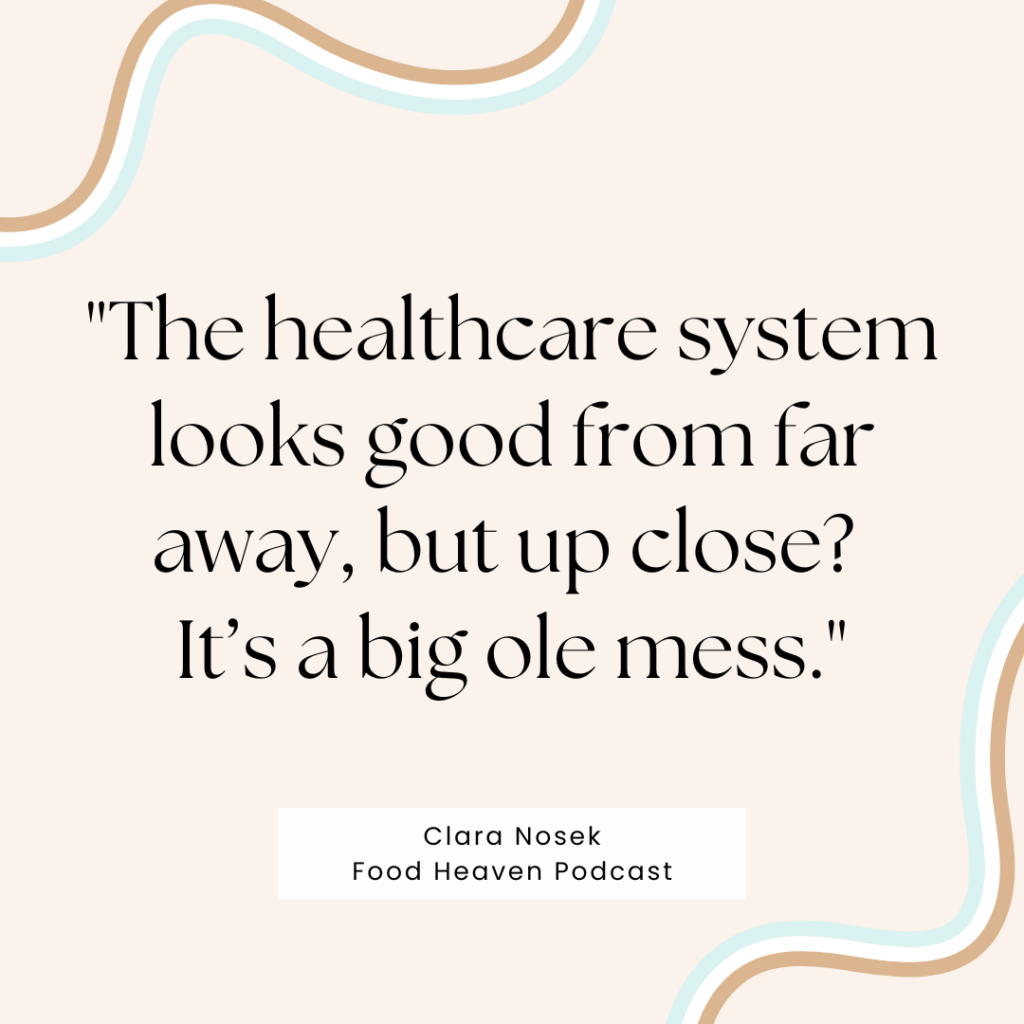
    So I think of it very much. Did you guys watch Clueless? Like the movie? Of course. Okay, so you know that line as if literally, so like the healthcare system in America is like a full on Monet, right from far away it looks good, but like up close. It's a big old myth, right? So a lot of those factors that are considered in social determinants of health that are outside of the medical system can negatively impact a person's health outcomes.

    And then when you combine that with. The racism, the discrimination, the biases that are not checked within the healthcare system. It kind of compounds those inequities and makes it more difficult for people, specifically those in marginalized communities to have access to higher quality healthcare. And so like you get people who.

    Either can't afford it, right? So like Bipo folks are most more likely to be uninsured or underinsured, which means they can't afford to get the healthcare that they need. And then when they do seek the care, when they're like, all right, fine, it's time to go. It's often met. With those biases, those unchecked internalized biases, racism, discrimination from the providers, which ultimately then will perpetuate that harm right then that they're like, I'm not gonna listen to this person.

    They don't get me, they don't see me, they're not listening. What's the point of going? And so it kind of is just like this vicious cycle of like a state of unwell and. It's like so much more than just the healthcare system. So those communities are more likely to be food deserts or in food apartheid and where they don't have access to like fresh foods, fruits and vegetables, proteins like that are readily available.

    For them. They're usually places that are in higher polluted areas. They might be unsafe in the, in terms of like just the area. They might not have areas for like sidewalks for walking, right? So a lot of the times you get this recommendation, right? The American Heart Association recommends 150 minutes of moderate activity daily or not daily, weekly.

    How can you do that if where you live is unsafe? How can you do that? If you don't have access to parks to walk around, you don't have sidewalks to safely walk on the street. You don't live in an area that like feels safe enough to walk around in. And it's kind of like all these little things tend to build up and so it's working as it's supposed to.

    I think a lot of Western medicine treats symptoms. And so if you think of medicine in that lens, then it's working because it's a lot of these are your symptoms. Let's treat that, no problem. But there's no real getting to the root issue of a lot of these health outcomes that we're seeing. Yeah, and I feel

    Wendy Lopez: like food and exercise are usually at the forefront of the recommendations that are given.

    It's like, eat all of this stuff, and it's like, yeah, these conversations about access are always overlooked. I'm wondering with social determinants of health, like what are some things that. You think should be considered that maybe a lot of healthcare providers, including dieticians might not look into that could impact our eating choices.

    I know you mentioned food access being like a really big one where you live, poverty, things like that. But what are some other things that might be a little

    Clara Nosek: more nuanced? I think that it would be really great to assess. Like make it part of the intake to assess history or current status of food insecurity.

    Hmm. Right. So even if you're not currently facing food insecurity, if you had food insecurity as a child, if you faced it in early adulthood, like those adverse life effects events, yeah. Could have ripples, right, that you might not like consciously be aware of, but it could show up in the way that you choose to eat food.

    And so a lot of the times you see healthcare professionals kind of with a sweeping recommendation to avoid all breads, rice, pastas, tortillas, any of those. Staple foods and it is in that recommendation that there is that triggering of restriction where there's not a physical restriction, but you'll still have that like mental thought, that anguish and feel kind of that same insecurity that was there before.

    So I think like assessing for that is really important. Assessing for safe housing. Are you employed? Are you, do you have transportation? And I think they do that. Now, maybe, maybe not. But yeah, so I think doing those, so like I work in the health education department at my hospital and we have a long list of community resources, but I think a lot of other departments might not be aware of those.

    And so I think it's really important for clinicians to kind of have. That connection with their local community to know like, where are the food banks? Where are the assistance programs? Where are the job training programs? Or at least know where to direct patients to. I also think that we should really start addressing health literacy as well as digital literacy.

    So it might not necessarily have to be a healthcare issue. It might, right? Because everything is digital now. You have a lot of your doctor communications like from your phone, but like helping patients learn how to read all, like do they know how to read labels? Do they know how to build a meal? Do they know how to navigate healthcare systems?

    We're all supposed to be keeping a cu up on ethics. Right as dieticians, I think including a required CU on patient-centered care, like at least trauma informed care is really important as well, because I think a lot of those. Life events really play a important role in the way that a person lives their life.

    And so like if we are looking at a person and trying to provide them medical nutrition therapy, trying to provide them healthcare, we have to like really take a look at the whole person. Yeah. As opposed to just like the symptom that's like on the surface level. Right, and

    Jess Jones: I feel like that's what usually happens is it's just the surface level symptoms or I think it's doctors making a lot of assumptions about people based on their biases or just stereotypes and not even really taking the time to understand, like you're saying, who this person is.

    What is our health literacy. Digital literacy too, I think is so important. I, those are all really great tips. So let's take it more to a personal lens. So let's say somebody's listening or they have a family member who doesn't have food security, and maybe it's not easy to make nutrient dense food choices.

    There are a lot of barriers in the way, like I said, not having access. What are some things that you recommend people get started with if they're feeling like access is the primary issue that's keeping them? From eating a more nutrient dense

    Clara Nosek: diet. So I always like start with level one as like eating is something, something is always better than nothing.

    And that's like literally like the hardest part, right? Because a lot of the times I. You're getting a lot of this food is toxic, this is poison, this is bad, this oth carbs are bad, fats are bad. Protein's bad for your heart. And like all of these conflicting messages, and then it's time to eat. And it's like, well, I don't know what to eat, so I'm, I'm not gonna eat anything.

    And that is like, step one, something is always better than nothing. And then step two is what I like to, I'll call, I'll call it their besties. So your protein and your carbohydrate, those are the besties. And once we can get in the habit of like, breakfast is a protein and a carb, lunch is a protein and a carb dinner is a protein and carb, then I'm like, I'm like, okay, let's ramp it up.

    Right? And then I kind of bring in like the plate method, and then that's when I really heavily, heavily, heavily emphasize the joys of convenience foods, frozen fruits and vegetables, canned fruits and vegetables. Dried grains, beans, PEs, legumes, all of those. So a lot of those are very budget friendly.

    There's a, a question of whether or not there's a place to safely store them when we talk about like frozen or perishable goods in that capacity. But typically you can either do like a dried good or anything like that. So then that's when I kind of bring in, I love the plate method, so then I kind of do like, okay, can we get half a plate of vegetables?

    Can we get a palm size serving of a protein and then another fist or a cupped hand of a carbohydrate? I'm like, and I don't, I don't really care what kind of carbohydrate is it is because like a lot of the times people come in, they're like, my doctor told me I can't have white rice anymore, but I don't like brown rice, so I'm just not gonna eat anything.

    And it's like, so they've been eating nothing, right? They've been eating veggies and a protein, and they're like, I'm so tired all the time. And they're like, you know, I, I just drank coffee. And so then. It becomes like breakfast is coffee, lunch is a fart and a salad, and then dinner is the entire pantry.

    And it's this vicious cycle of like, how can you undo that? So if you want to eat in a health promoting way, really working through. Knowing that eating something is better than nothing. Pairing your carbs and protein and then trying to use things like the plate method will be e. Very easy, sustainable, flexible ways to go about eating and really leaning heavily on convenience, processed foods, frozen fruits and vegetables.

    Canned fruits, vegetables and proteins, dried grains, legumes, these peas, lentils, all that fun stuff, and really working towards supporting your body and getting to a place then where you can feel like you have energy to like, okay, let me try all these other dishes. Let me add the spice at the variety, at the, the little razzle dazzle of like, whatever.

    But it doesn't have to be like a strict, avoiding all foods and not, and like not every meal is gonna look like that. Right. So it's like removing kind of that pressure to eat perfectly all the time and just knowing that like you are supporting your body in that moment is really like all you can ask another person to do.

    Yeah,

    Wendy Lopez: yeah. Similar to like people having that all or nothing approach to like, if it's not completely. Healthy, whatever that means, then I'm just not gonna eat at all. I feel like people do that a lot with fruits and vegetables. I was just having this conversation with someone yesterday where she's just like, if it's not the best quality then you know, it's like what's the point of even eating it?

    And so when you talking about like buying frozen buying can for people who have that. Thought process. What are some conversations that you have with them to kind of like destigmatize process plant foods, because that's something that comes up a lot I think for people trying to eat healthier. They're like trying to do it the farm to table way, even though that's not very like practical

    Clara Nosek: for most people.

    Yeah, oftentimes like frozen produce is picked at the peak of ripeness and then preserved flash frozen in that state, so it has all the nutrients. And typically I think when you bring home fruits and vegetables, oftentimes you get salad soup in the back of your fridge or. It might be a little bit wrinkly because you let it sit in the CRISPR for a little too long if you're not using it right away.

    They essentially are losing nutrient value, and I think that stems really from this place where we always feel compelled to optimize everything in life, right? You wanna like optimize your time, you wanna optimize your nutrition, optimize your health, and it puts a lot of responsibility on the individual.

    And so just knowing that like you don't have to do that, and that is literally just capitalism reaching into your life, just trying to add to stress, add to the stress of life, and it doesn't need to be there. Like those fruits and vegetables are great options. They're great time savers. If we're thinking of it in terms of like ways to add nutrition, those are a hundred percent great ways to do it.

    Yeah,

    Jess Jones: those are all great ideas. So let's talk about chronic stress and trauma, right? So many of us have experienced that and we all know that it can impact our health in a lot of different ways. Or actually sometimes people may not even realize how closely those things can be aligned with their health and health outcomes.

    What are some things that people can do to take care of themselves? And heal from trauma or just feel better. They don't have anything to do with the food that they're eating because I think we often put all this pressure on food, but there's so many other things that we can do that would be helpful. I

    Clara Nosek: think it really starts with if you are able really setting and practicing boundaries.

    I'm working on mine, my own boundaries, but I really think that moving away from screens like less screen time is huge. So before I got sick this week, I was really working through like those like low dopamine mornings. So like my alarm will go off, I won't touch my phone for like at least two hours. I'll do a lot of other things.

    I'm really working on Monotasking, so I watched, I think it was a TikTok. I was reading an article which on TikTok, and they were talking about how like our brains are not meant for multitasking. We're not supposed to. And how like that can contribute to underlying stress as well. Stress and anxiety. Just having to always be in so many different places mentally.

    So like I really have been consciously trying to monotask, trying to have those like very. Concerted screen time, time zones in my day. I think that getting outside, if it's available to you, the vitamin D, there's a like grounding standing in grass. There's something about like just being outside and. Yeah, just kind of like protecting your peace, like if it's available to you.

    Just having a lot of those, like if it's not a hell yes, it's like a no. Yeah. For me, a lot of the time I think of it like, what was I doing before the internet? Right? Like very much early nineties, what was life? Mm-hmm. And like trying to coplay was like early nineties core, pre-internet core. Let me go outside.

    Let me like paint a picture. Let's just like do stuff. Yeah. But yeah, speaking to like the stress and all that stuff, like, I always talk to my patients about how like, you know what, if you are stressing about everything that you're eating, That will play a role in the way your body digests the food. Like there was that research article like people who are in a calm state and eating will absorb their foods much better than someone who's like in a heightened state of stress.

    Yeah. And so if you are like, oh my God, what I'm eating is poison, then it's like, ugh. You're gonna give yourself bubble guts. Yeah. Every time everything is gonna hurt your tummy. Everything is gonna not sit well. And it has nothing to do with like what you're having. It's just the fact that you're already ramping up yourself to not absorb any of it.

    And so I think really working towards like being conscious with what you're consuming, not just food, like the internet, social media, the radio. People who are like, this is toxic. This is toxic. Just adding to your stress, if that is not sitting well with you until you can like really heal. That like energetically be in a place of calm, I'm really big on like, let's not consume that.

    I remember like in early pandemic, I was like, mm, I'm just gonna delete Facebook. I don't need to see any of this. I'm just

    Jess Jones: gonna not, nothing happening over there. Yeah.

    Wendy Lopez: You haven't missed

    Clara Nosek: out on anything.

    Wendy Lopez: No. I feel like no one is using Facebook anymore. It's a thing of the past. I wonder if Instagram will get there one day.

    I think so. I think it's headed there. Yeah. I think it's getting there, getting old. It's, yeah. So for listeners who wanna learn more about the work that you're doing and want to stay up to date with all of your great memes and infographics, where can they find you?

    Clara Nosek: So you can find me on Instagram and TikTok mostly at your dietician, B f F, or you can subscribe to my [email protected].

    I think that's pretty much it. Yes. Keeping it low key. Yeah.

    Jess Jones: Yeah. Keeping it low key in 2023. That's my motto. Thanks so much for listening to another episode of the Food Heaven podcast. If you haven't already, make sure to connect with us online. We're most active on the gram at Food Heaven, but we're also on Facebook and Twitter at Food Heaven show.

    If you like this podcast, make sure to rate, review, subscribe, and share with a friend. Yep.

    Wendy Lopez: Our podcast is released every Wednesday and each week we take a deep dive into topics like health at every size, food and culture, intuitive eating, mental health, and body acceptance. If you're looking for a sustainable and inclusive path to wellness, come hang out with us to learn how to take care of yourself from the inside out.
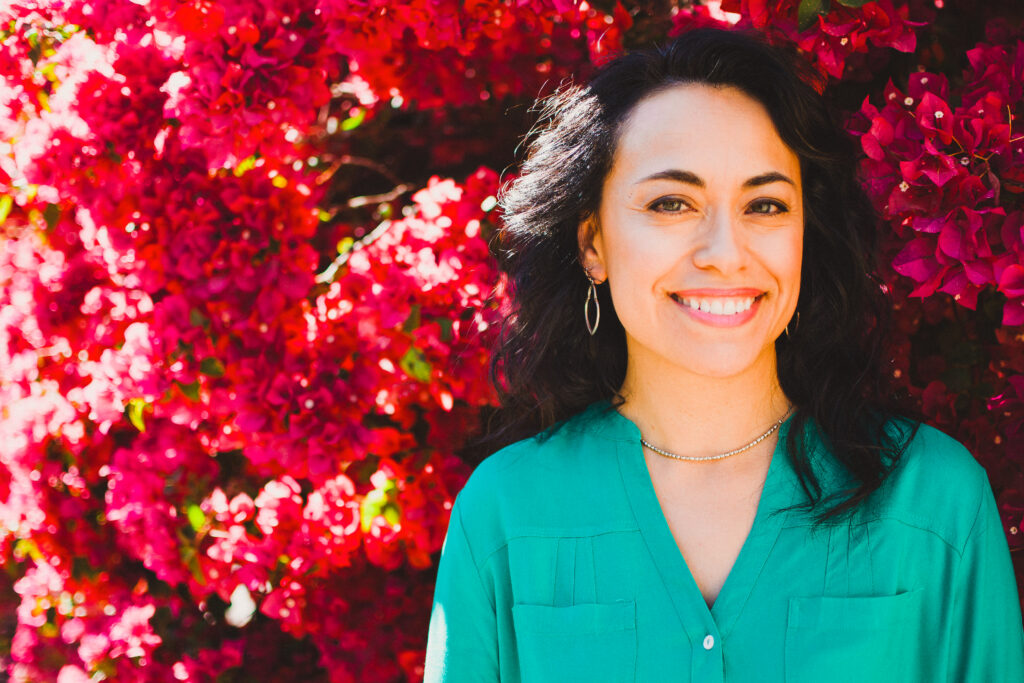
    We'll catch you next time. Bye.


    Scroll back to top
    powered by
     

    Filed Under: Podcast

    How To Make Healthy Eating Work For You

    April 19, 2023 by VA Leave a Comment

    Are you overwhelmed by the immense amount of all or nothing nutrition guidance on the internet? Are you totally lost on which health promoting behaviors will actually work for you? We get it- that’s why we asked Registered Dietitian Christy Wilson to share how she helps her clients find what works for them. She is the owner of Christy Wilson Nutrition, LLC, a nutrition communications business focused on teaching folks that healthy, nutritious foods are budget-friendly, beautiful and easy to prepare. Listen to this episode to learn more about what actually impacts your health and what you can stop worrying about!

    What we cover:

    • What is a relationship with food? 
    • Is weight loss the answer? 
    • What does it mean to listen to your body?
    • What are the common signs of hunger? 
    • Should you be symptom tracking after meals? 
    • Is BMI important?
    • Is health all about the food that you eat?
    • How can you tell if you have an intolerance to a food? 
    • How does stress impact digestion?
    • How to stick to your health promoting behaviors
    • How to figure out what works for you to improve your health

    Resources mentioned in this episode:

    Christy’s Website 

    Christy on Instagram @christywilsonnutrition

    3 ways you can support this podcast:

    1. Rate on iTunes or Spotify –  it literally takes two seconds
    2. Review on iTunes – takes 2 minutes
    3. Support our partners using our unique ‘HOOKUP’ codes below. This is how we are able to produce a FREE show every week

    Can you do us a huge favor?

    If you enjoyed this episode, please do us a huge favor and leave us a review on iTunes ….right now. We reach more people when we get more reviews!

    Become a podcast sponsor:

    Our podcast reaches thousands of engaged listeners each week. If you are a brand interested in becoming a sponsor, contact us to learn more about our affordable rates.

    Connect with us online: 

    • Instagram @foodheaven
    • Facebook @foodheavenmadeeasy
    • Pinterest @foodheavenmadeeasy
    • Youtube @foodheavenpodcast 
    • Tiktok @foodheavenpodcast
    • Twitter @foodheavenpod

    Our podcast is released every Wednesday and each week we take a deep dive into topics like health at every size, food & culture, intuitive eating, mental health, and body acceptance. If you’re looking for a sustainable and inclusive path to wellness, come hang out with us to learn how to take care of yourself from the inside out.
    Transcript
    Email Download New Tab


    Christy

    Christy Wilson: The following podcast is a Dear Media Production. Hi, I'm Wendy. And I'm Jess. And you're listening to The Food Heaven Podcast, your online resource for inclusive and accessible wellness.

    Welcome back to another episode of The Food Heaven Pod today. I am so excited because we have our dietician Fran on the podcast. Her name is Christie Wilson. She's a Latina registered dietician nutritionist based in Tucson, Arizona. Shout out to Tucson. I loved it there. And Christie is the owner of Christie Wilson Nutrition, L L C a nutrition communications business.

    Focus on teaching people that healthy, nutritious foods are budget friendly, beautiful and easy to prepare. Christie practices from an all foods fit lens and passionately believes that culturally relevant foods always belong at the table. Today we're gonna be chatting with Christie about this idea of figuring out what works for you.

    You always hear dieticians. Healthcare providers talk about that concept of do what works best for you, but what are some practical ways for figuring that out? So we get into Christie's nutrition philosophy. As someone who has been practicing for 20 years as a dietician, we talk about what to do if you are constantly getting bombarded with messaging that you have to lose weight, but that's not really the root of what your struggles are, what your health problems are.

    If you get into Christie's thoughts on symptom tracking, for example, if you feel like you're constipated and you make dietary changes, does she think you should track your symptoms to see how they may correspond with what you're eating? We also chat about the idea of getting mixed messaging. We often, as dieticians will tell patients one thing and then their doctors are telling them something completely different, and kind of how we reconcile the discomfort that might be happening from getting mixed messages.

    We talk about is nutrition always the answer? What are some other things that we can look at in order to improve our health and wellbeing? And for people who have identified things that are helpful for them. And I give an example for myself of what's been most helpful for my T M I constipation, how you can stick to those things in a way.

    That feels good and not that you're being so rigid. And of course, before we get into it, I have to read a listener review. This is from IR Sheets and it reads great info, super easy to listen to. I just found the podcast and I'm really loving it. Great. Easy to understand and tangible info. Plus they both have such great voices.

    Thanks. It always feels awkward like hearing yourself talk or hearing your own voice, but it's nice to hear. Some people think we have good voices and they said it's very easy to listen to them. Highly recommend. Thank you IR Sheetz for that lovely review. We appreciate it and a special shout out and thank you to the 2,500 of you who have left a rating or review thus far cuz I don't want you to think that that goes unnoticed.

    We appreciate your ratings reviews so much and it makes our day anytime we get a new one. So if you want to. Do us a solid head on over to iTunes and please give us five stars. And also Spotify if you listen on Spotify or Google. So wherever you listen to your podcast. We appreciate it so much. And with that we're gonna jump into the episode.

    Okay. We are going to get into the conversation about how to figure out what works best for you. But first, I know you've been practicing as a dietician for 20 years. Is there any universal nutrition advice that applies to everyone? For example, what is your specific nutrition philosophy that you kind of try to share with patient?

    You know, when it comes to anything like universal or that, like something that applies to everybody or the masses, it kind of gets a little sticky. But I'm thinking about it, and it's not like sexy or exciting or anything like that. It's like moderation is sustainable, you know? And I think that, I love that It's, again, you know what I.

    Patients moderation. I, I kind of preface it with like, this is nothing new and exciting, but I think that the topic of sustainability is something that we really need to emphasize when it comes to creating habits, healthy habits, habits that will, that we can stick to for the rest of our lives. And of course there's exceptions, but I think that that is something.

    That allows somebody the freedom to, or the permission if they need that, to go off track now and then to enjoy celebrations that include foods and drinks that may not be part of, you know, their typical day. Another thing that I hear a lot too is listening to your body. You know, as a dietician it makes sense, but I also think it's kind of vague.

    Mm-hmm. Especially for people who. Don't have that body awareness. Or maybe especially with hunger cues, like they might have a history of ignoring their hunger cues or their fullness cues. And so listening to their body might mean not eating for most of the day. So are there any body awareness practices that you recommend that align with, you know, proper nourishment throughout the.

    I think the sort of universal, my stomach's, growling, you know, that sort of thing. I think that's something very relatable to most people and that's usually the one that I talk to patients about really at any age. Cuz I see little kids, I see teenagers, I see adults, I see elderly folks, you know, in every stage of health.

    But I think that one, like that is a cue that is a. Of hunger for most people. But then that can go away and you know, like a lot of things, you ignore it, it'll go away. But then the body has these other sort of layers or like steps, you know, you ignore the hunger pings, they will go away. Next thing could be headache.

    The next thing could be fatigue. The next thing could be dizziness, you know? So these are also sign. Like the next step in signs that your body is telling you, trying to send you these messages that it is time to eat. You know, you gotta stop and eat. So I'm curious about how you feel about symptom tracking, because in this conversation of how to figure out what works for you, I feel, again, like that can be pretty vague and some people might need some structure around figuring that out.

    So for example, if someone is constipated and they make changes to their diet, right? Maybe you might suggest. Trying to add more vegetables or drinking more water, or even, you know, stress management. Let's say they try one intervention, do you recommend that they like, track how those symptoms correspond with what they're eating or what change they're making?

    I think tracking anything in general is there's, there's utility to it. You know, it can be quite useful, especially if you are, you know, having chronic constipation or something's triggering, you know, nausea or diarrhea. You know, nothing, not a good feeling, but I think that tracking too long. Can be a slippery slope with anything.

    And a lot of times patients will say, well, should I start writing down what I'm eating or tracking exercise or whatever? It's good and bad. I, I think, you know, like I said, if it's, if it's something that helps a certain symptom, You know, the examples that we just gave, constipation, diarrhea, nausea, anything like that.

    I think it allows people to be able to narrow down what could be the cause of certain, you know, to feel a certain way or any sort, whatever, bodily function. So I think that that could be a really good thing because then they could sort of like really, you know, tease it out. But for other things, I, it's not something that I usually.

    Recommend for people or to do it within a certain comfort zone. For instance, if patients are asking me about tracking, not so much for the purposes of, you know, helping with nausea or constipation or diarrhea, but more so with tracking their food intake. I'm not a big fan of it, especially if there is any disordered eating behaviors, history.

    But it's good to know that information first because it can be triggering. But the example I give patients with respect to like exercise is I say, you know, I would never wear one of those exercise trackers on my wrist. It's not me. I don't need something like, An alarm telling me I'm not active enough or reminding me, or like, yeah, like I don't need that.

    Like I already know I need to get up and move, but I will use a tracker while I'm on a bike ride because I do wanna know how far I've gone. And you know, that's just sort of something for me that it's limited and I do like that because it is encouraging to me otherwise. I don't need something telling me all day, you know, like reminding me of stuff I'm not doing in my head.

    I've already got that, you know, recording going. So I think that tracking, depending on what it is, could be a good thing. But I think it's also could be something triggering for some people. Yeah, yeah, it could definitely, uh, veer on the side of disordered eating, and I think it's really hard for people who are, you know, trying to figure out what works for them.

    Trying to just strike a good balance. It's hard because we get so many mixed messages. Yeah, from media, but also healthcare providers. Like I just had a patient who told me yesterday that they met with a nutritionist. I don't know if this was a dietician or if it's just, you know, a random one of those nutritionalists online.

    I don't know. Mm-hmm. But this person told them to eat, you know, mostly protein on their plate so that they can. Be more full with meals and this way they'll eat less and lose weight. And she's like, I, you know, I'm like hungry all the time. I'm binging. And it's like, it's really tough when you know people come to you because they're like, well, I spoke with another.

    Nutritionist or I spoke with my doctor and you know, in mm-hmm. In healthcare, it's like the doctor is really like, I feel like the person who has the most power Yeah. In a patient's eyes, and so, What do you recommend in, in that case when like, you know, you have someone who's just like really confused, can they figure out what's working best for them?

    If they're constantly just getting all types of different messaging? It's so difficult to contradict something that a healthcare provider, whether they're legitimate or not, has told someone. And it's really interesting to me. As to what people really view as valid and credible information. And I think during Covid, this was a really good example because here you have people who've dedicated their lives to immunology or yeah, you know, medicine and are recommending.

    Like the vaccine. And then you have these conspiracy theory folks who do a Google search and like spout out their point of view, which totally contradicts the science. Yet people really put faith into this like outlying opinion, which is what it is, or it's very cherry picked science. That. I mean, with the internet you can find anything to support any like way crazy, you know, point of view.

    So for patients that are getting a lot of mixed messages and they're just throwing up their hands and they're like, I came here like as a last resort, rather than us being the first people they come to, we're oftentimes the last people that you know, they're coming to, they're like, I don't know what else to do.

    I think intuitively a. Patients do work. Clients or people, they do know what to include in their daily intake, but whatever challenges they face, whether it be financial stress, Illness. You know, there's barriers to why people don't eat a certain way and they're not, you know, but, but still, the guy with no shirt in the grocery store is telling them, you know, don't eat cereal, don't eat, you know, whatever processed food.

    And that could be frozen vegetables. You know, don't eat that. So I think it's really important to start. The basis, the basis of how to start including foods that we know over and over and over. Science has told us that these foods do promote good health, you know, plant-based foods, clean protein sources, and give people options, and really come up against the whole conspiracy theories or the folks who are.

    Just shaming people for not being able to afford the $50 steak or, you know, the nice fresh salmon at the grocery store. Like Cann Hammond's fine. Cantu is fine. Frozen vegetables and canned vegetables are absolutely healthy foods that you can include. And as far as weight, I really don't focus on that as much.

    Their doctor might, as much as you know, whoever else they're talking to might. The point is for people to be healthy for a long time, and if that means that the B M I is at 30 or 25 or 35, if their cholesterol is good, their blood pressure's good, they're happy, they're active, they're eating meals at regular.

    What the hell with the bmi? Yeah. Again, there is an old-fashioned way of assessing health and weight and God, I wish we had something else to use, you know, in the medical field, but right now it's still it. Yeah, it's quick. Unfortunately, it's free. It's lazy. Yeah, it's lazy versus taking, you know, certain labs.

    That's what I personally like to use and especially when I was in a clinic, is let's get their labs and see yes, how their hel like their metabolic markers are, and if their health is something that they have the bandwidth to focus on. And also, Social determinants of health. Mm-hmm. Which we're gonna talk more about on this podcast.

    Not everything is in your control either. Yeah. And then there's some risk factors that are modifiable and some that are not modifiable. Mm-hmm. So it's, I think it's just very complex and yeah. It's interesting that the people who kind of rise to the top, mm-hmm. In the nutrition space, most of them are dieticians.

    They have a very black and white way of looking at things. Like this is the one answer. That works for everybody, but it's, it's more tricky than that. So I guess my follow-up question is there's so much pressure put on nutrition, and I think also us being dieticians, of course we love food, we love nutrition, but I have had a lot of.

    Clients where I look at what they're eating and I feel like it's the most optimized it can be without it becoming disordered. Right. But yet, mm-hmm. They're still having these symptoms. What do you do in that case? Like at what point is nutrition maybe? Not the answer or not the root cause of what's going on for them and, and mm-hmm.

    It may be time to look at other things in conjunction with nutrition. Yeah. You know, it can be frustrating not only for the client, but for you as the, you know, nutrition provider. And I think there's a lot of credibility when you say, I don't know, you know? Mm-hmm. I, and there's no guarantees when it comes to nutrition.

    We know what science tells us, but sometimes there, you know, there is that next step that needs to be taken if somebody's really trying to stay off of cholesterol medicine, blood pressure medicine, diabetes medicine, and that is just, it's continuing to progress despite. Doing everything right, eating the foods that you've recommended.

    They, they consume. And I honestly, I used to be of the narrative of food is medicine. Like, because that's what we're taught, right? The academy tells us we're the nutrition professionals. You know, we, we, we can do it. But I think there's a lot of damage that has been created with that narrative of food as medicine because it's not.

    We know food has medicinal values, but it can't replace what medication can do in a lot of cases. In some cases, yes. Can people like heal themselves with eating a certain way and living a certain lifestyle? Yes, but not always. And we also need to be realistic about that. There's also like an underlying.

    Almost shaming thing to that phrase as well. It's like if you can afford to eat a certain way, if you don't have so much stress in your life, you know, maybe food can have more medic of a medicinal benefit, but you know, there's sort of like a little bit of an e. Slant to that phrase that food is medicine.

    And I think we can be overly optimistic about the power of food. And it's not always about nutrition. It's not always about the food. It's about other things that impact your life. Stress. Financial stresses. Where do you live? Are there grocery stores or only fast food restaurants close to where you live?

    And like you said, those social determinants of health are a huge influence on people's health. We know that stress affects blood sugar. We know it affects blood pressure. So is it all about food? No, but as dieticians. We can help people along with making recommendations about what to include in their diets, what to minimize in their diets.

    So I think when people. First go into the field of nutrition. It's like, oh my gosh, everybody doesn't eat like plate method and we're all gonna be happy and healthy. And it's like, hold on. There's a lot more influence that goes into what people eat, why people eat the way they do. It's the who, what, where, why, sort of questions that we also need to find out.

    Our clients to really have an impact and help them because that is what we're here for. We're here to help. Contrary to popular belief, dieticians don't exist to make your life more complicated, right. We're here, we're not the food police. No, and, and like I, yeah, I wish people would just stop viewing us that way, but that's gonna take.

    Yeah, me too. Well with the plate method, so I, I mentioned this a little earlier, how I feel like protein is like one of the most prized macronutrients and something that I see happen a lot is people saying that they have some kind of intolerance and it's never to protein. It's always carbohydrates. It's always a carbohydrates.

    Always, always. I was just like, okay. I mean, which of course, I mean there are certain intolerances and allergies that are completely valid, but it's just like it happens all of the time. And how do people distinguish? Like is this an intolerance or is. Diet culture, because we're constantly being told, oh, you might have a reaction to this.

    You might have a reaction to that because it contains this. Right? Because, and then I feel like it's almost like, you know, we go a little crazy in our minds and we mm-hmm. We might have like that placebo effect where we're like feeling things because we're constantly being told that we should be filling things when we eat.

    Foods, you know, and I think that that also ties into figuring out what works for you. Cause you know, if you're just like, oh, I can't eat this, I can't eat that, cuz I might be having an effect. It's like, then that makes it even more complicated. So how do, how do people kind of like filter out all of that to figure out if they actually are having a reaction to something?

    Gosh, that's a tough question. A lot of times when people have come to me and they have a suspected allergy or intolerance to a certain food, they always seem to be, not always, but a lot of times it's stress. Hmm. You know, I got, so, especially when I worked on campus with college students, it's like everybody had GI.

    And it was like, I don't know why yet. You know, it's like they're taking 19 units of classes and they have the exams and you know, all these things and it's, but it's so hard. Like you can't say, I mean, Not having stress in their life is not an option. So I think with folks who do have a lot of GI issues or intolerance issues to certain things, you want to more so encourage people to eat foods that are easy to digest, especially if like eating out, if they're eating out a lot, you know, it's K kind of like tamper it down as far as the variety of what you're eating.

    I think. You start getting people say, yes, this makes my throat itchy. Like yes, that is an absolute, you do have some sort of body reaction going on and it could progress and be dangerous. So like in that case, it's not something like, Hey, it's an intolerance. Like, yeah, itchy throat, it's like red flag. But as far as like gut issues, Oh my gosh.

    There's, that's a, that's a really hard one to, to combat because I think a lot of times it can be, Like sort of that, like you said, placebo effect or it's like I've been told I shouldn't be eating something and so now when I eat it, I kind of have a stomach ache. You know that sort of thing that happens.

    Yeah. And gosh, I mean there are time a dozen people telling you not to eat a certain thing or there's this one ingredient in the ingredient list. This person on Instagram or Facebook said is no good. And you know what? I did feel sick after I ate that. I think I did feel sick. And so it's like it just snowballs.

    And then you get people that are like coming in with these sort of crazy theories about foods that are making them. Not feel good. Course. Well, that was happening a lot with the sg. Like everyone was like, I was just gonna say, it reminds you of the msg, the Chinese food. I'm, I'm getting headaches.

    Restaurant syndrome. Right. And it, and you know, like, maybe it's the salts that's. Kicking your blood pressure up and now you have a headache or like, you know, those memes during covid and when like there were no groceries, it's like the bread shelves were empty and they're like, and all of a sudden everybody's gluten intolerance just went away.

    Right. Everybody's like, oh, I see. I didn't see those. That's, that's a good one. Really intolerant to gluten. Why? Right. Oh yeah. It's very tricky as you can see everyone. It's very hard being a dietician. I've been working with people because it's just, it's a lot. And in the GI issues, so when I was working in University Health, same thing, right?

    Like I would have patients who came in for severe GI issues, but. When they were like, finished with finals and on break they went away. Mm-hmm. And then as soon as they started back in school, they were back. And I'm like, Hmm. Yeah. What is he telling us? You know, we, we would talk about the FOD map diet.

    Mm-hmm. So much, which is, you know, this very, and it's a process to sort of like weed out all those different types of carbohydrates to see if there is one that's bothering you. Yeah. I mean for, to ask somebody to go on a diet like that and they're a student living on campus uhhuh, or you know, it's just a lot to ask people to do.

    It's like, Hmm, let's do this like weed out diet. That's really complicated. It was just hard to. Well, I have a question about, let's say somebody does make some changes, like let's use constipation for an example. I'll use myself. Okay, so I have found things at work. For constipation also, I think figuring out the root cause.

    Right. So for me, yeah, it's probably mostly thyroid or other medications that I have. Mm-hmm. Or was taking, and I have found things that are extremely helpful. One of the main ones is, well obviously stress, but then I would say nutrition wise, it's eating vegetables. I mean so simple. Cuz sometimes, you know, you just get really busy and you're not eating, eating vegetables or drinking water and it change.

    Everything. Everything. So, so, but we all know that like eating vegetables takes a little, can take a little bit more prep. I personally know that it works for me, but sometimes I'm not in the mood to do it. How do you encourage people to stick to things that they have identified that actually work for them?

    Yeah. Long term, even though sometimes they might be not be like in the mood. Yeah. I think that, When it comes to sticking to eating habits that you know, you feel better when you're following them, it can go in a couple directions. It's either you follow something that's rigid and doesn't include something, doesn't include foods that you enjoy.

    Then it feels like very strategic eating. Again, is there any joy in that? No, not really. It's very, you know, Ugh, there's no appeal to it. It's just like I'm eating because I wanna poop every day. Right. You know. Not fun. No, not fun at all, which is why we know that strict. Don't work. There is no sustainability to eating in that way.

    So I think like in your case, like eating vegetables, you know, is, I mean, we all know it's good for us, right? We all know that. But when you, again, kind of coming back to the listening part, when you, when you're sort of asking the right questions to a client and you're asking them what their favorite foods are, and you're tapping into that, What tastes good, you know, maybe it's not raw vegetables or it's like the sad salad that somebody feels like, oh, you know, it, it feels there's no joy in that.

    Not to say salads aren't delicious, but it is not the be all end all way of eating vegetables. So my, you know, I'd. My patient. Have you tried roasted vegetables? Have you tried, you know, preparing them in a different way? Have you tried using these seasonings? So that's when sort of the culinary part of it really comes in handy.

    Yeah, and I, that's my like, I love that. I'm like, let's cook together. But I think that because taste rules and it always will when it comes to why we eat what we eat, taste. Trump's everything else. It, it's, it's more influential over the health benefits. It's more influential even over cost. You know, people will splurge on eating a food they really enjoy.

    The other thing is finding out. What foods they enjoyed eating as a kid, or what foods did your grandmother make or your mom make? Or did you have a really good dish at a restaurant that included vegetables? Like maybe you can find a recipe that is similar to that. So I think when you start again, kind of highlighting the importance of taste and you know, working with them as far as.

    What their food budget is and things like that. Then stress time, like how much time do you have to prepare something? Could you use frozen vegetables? Like if you like the soup, like, and it has some tomatoes in there, we'll throw some more in there. Or it has one rib of salary, throw three in there.

    Instead, like, you know, just find easy ways to incorporate, you know, in this case vegetables, but it's really any food into your kind of daily diet. Yeah. I love that, Christie, it was such a treat having you on. For people who wanna stay up to date with all of the great things that you're doing, where can they find you?

    What are you up to? Where are you based? So I'm based in Tucson, Arizona, and I work at a community health clinic, and then I have my own nutrition communications business. My website is christie wilson nutrition.com. And then on social media, I'm mostly active on Instagram. I do it with TikTok, but you know, it's just me.

    It's ridiculous and just being sassy when it comes to like influencers and stuff like that. So Facebook, Instagram, TikTok, and then Twitter, which I'm not as active on anymore, but it's Christie Wilson. Nutrition is kind of, Across the board. The board? Mm-hmm. Except for Twitter. My handle on too Twitter is Christie's chomp.

    And I thought that that was just kind of funny. And so I, what's chomp mean? Like eating chomping

    soy? Of course. I've had my account forever, so I just kept it. It's kind of tongue. Thanks so much for listening to another episode of the Food Heaven podcast. If you haven't already, make sure to connect with us online. We're most active on the Gram at Food Heaven, but we're also on Facebook and Twitter at Food Heaven Show.

    If you like this podcast, make sure to rate, review, subscribe, and share with a friend. Yep. Our podcast is released every Wednesday and each week we take a deep dive into topics like health at every size, food and culture, intuitive eating, mental health, and body acceptance. If you're looking for a sustainable and inclusive path to wellness, come hang out with us to learn how to take care of yourself from the inside out.
    We'll catch you next time. Bye.


    Scroll back to top
    powered by

    Filed Under: Podcast

    In Defense of Processed Foods with The Nutrition Tea

    April 12, 2023 by VA Leave a Comment

    In case you were wondering, YES- you CAN eat ingredients you can’t pronounce! Processed foods have a bad reputation but Shana Minei Spence joins us in this episode to set the record straight on canned food, frozen, and other processed products. Shana is an “all foods fit” dietitian based in New York who gives unbiased nutrition information to ACTUALLY improve your health and not elicit shame.

    What we cover: 

    • What are the levels of food processing?
    • Are ultra processed foods ok?
    • Why “everything in moderation” advice is misleading
    • Should you really NOT eat foods with ingredients you can’t pronounce?
    • Processed foods are safe
    • Do canned foods deserve their bad reputation?
    • How to choose canned foods wisely
    • Are frozen foods as healthy as fresh foods?
    • Are frozen meals nutritious?
    • How to pick the perfect balanced frozen meal 

    Resource mentioned in this episode:

    Find Shana Spence on Instagram

    Shana’s website www.thenutritiontea.com

    3 ways you can support this podcast:

    1. Rate on iTunes or Spotify –  it literally takes two seconds
    2. Review on iTunes – takes 2 minutes
    3. Support our partners using our unique ‘HOOKUP’ codes below. This is how we are able to produce a FREE show every week

    HOOKUP CODES 

    Way is a mindful eating app that helps people find peace in their relationships with food and their body. For a limited time only, when you visit eatmyway.com, you will receive 30% off your subscription and a one-week free trial.

    AG1 by Athletic Greens is a nutritional drink made with 75 super high-quality vitamins, minerals and whole food-sourced ingredients that deliver benefits like mood, immune system and sleep support, sustained energy, and so much more. Athletic Greens is giving you a FREE 1-year supply of Vitamin D AND 5 free travel packs with your first purchase. Go to athleticgreens.com/FOODHEAVEN.That’s athleticgreens.com/FOODHEAVEN.

    Can you do us a huge favor?

    If you enjoyed this episode, please do us a huge favor and leave us a review on iTunes ….right now. The more reviews we get, the higher we are ranked in iTunes, which means we reach more people!

    Become a podcast sponsor:

    Our podcast reaches thousands of engaged listeners each week. If you are a brand interested in becoming a sponsor, contact us to learn more about our affordable rates.

    Connect with us online: 

    • Instagram @foodheaven
    • Facebook @foodheavenmadeeasy
    • Pinterest @foodheavenmadeeasy
    • Youtube @foodheavenpodcast 
    • Tiktok @foodheavenpodcast
    • Twitter @foodheavenpod

    Our podcast is released every Wednesday and each week we take a deep dive into topics like health at every size, food & culture, intuitive eating, mental health, and body acceptance. If you’re looking for a sustainable and inclusive path to wellness, come hang out with us to learn how to take care of yourself from the inside out.
    Transcript
    Email Download New Tab


    Jess: So you blew up on Instagram by making , by making nutrition posts that are very relatable and also funny, right? Yeah. Um, and your posts have a message and specific, specifically, you talk about intuitive eating and health at every size.

    So I'm wondering, did you always view nutrition through this lens? And if not, what made it change for you?

    Shana: Yeah. So no, I did not always view, um, nutrition like that. I was very much, um, I guess you can say I reformed the way, the way I thought for sure. Like I became a dietician in 2018, like I used to work in fashion.

    Um, and so I was very much with that weight centric lens and all about the diets and, you know, just eat healthier, like all. You know, all that stuff that I talk about now. And so I didn't even know about Intuitive eating until I went to fci. Um, that year. It was like in Philly. Um, and then they were giving the talk and I remember thinking, what is intuitive eating?

    And then I think it was just something just clicked right? And I. I was just, I don't even remember exactly what it was, but I remember it being very relatable and rethinking everything that I just learned in school. And also reading anti-D diet, like one of my coworkers. So I work, um, for public health and one of my coworkers.

    Actually recommended anti-D diet. And that, I think that was the change. That's when I realized, oh, maybe I didn't learn everything. Maybe I need to rethink some things. And that's sort of when I began shifting. Um, cuz I always tell people if you scroll down, like all the way down, like I know I have a lot of posts, but if, if you start all the way at the beginning, you can see where I was like telling, you know, I wasn.

    about fad diets, but I was definitely with that. Oh yeah. It's just so easy to eat healthy. Just like I don't, I don't even know what I was posting, but it definitely wasn't what I was saying now, . Yeah. And I keep those up on purpose because I tell people it's a change. Like we all don't start, you know, just coming out of the womb being, you know, intuitive eating , so Yeah.

    Jess: Yeah, for sure. Mm-hmm. , same, same, same, same. Um, follow up question to that. You, like I said, you, you blew up on the

    Shana: gram . I dunno how that, I dunno. by the way, like, yeah, like, do you get trolls or like, oh my gosh. How, how is it being, it's ridiculous. , it's, well, what I do act, what I started doing is limiting my comments.

    Um, oh, so in order to comment, you have to follow , which I know, which sounds so, so smart. You know, and I'm all about having a dialogue and discussion, but unfortunately it's sort of necessary. Um, and I don't expect everyone to agree with me. Like I follow people. I don't agree with a hundred percent of the time, but I think.

    That really definitely stops, like the trolls and the people who are just looking to ruin your day, you know? Yeah. And, um, because I, like, I, it's just me managing. I don't have like a social media manager or anything like that, so it kind of helps me. Sort of keep the comments in line, because what I notice is people also like to go after people who also comment.

    So it's not just me. It's like, oh, they're, they start commenting on other comments. I'm like, okay, this needs stuff. Oh, . So I just limit the comments and I don't care. It, it works for me. . Um, I know people think that's like a cop out. I, I do not care. Um, it's, I don't think so at all. I think it's

    Wendy: preserving your sanity, because I think also with these like threads, they kind of take a life of their own and then Oh yeah.

    You log off for five minutes and you come back

    Shana: and literally five minutes. Yeah.

    Wendy: It's like there's like monsters that have been created, you know? Yeah. With within the span of a few

    Shana: minutes. So that's

    Wendy: a great idea

    Shana: actually. Yeah, that's a really good idea. It's just, it helps. Yeah. And it, it's, it's not a perfect solution cuz of course people will just follow, just to comment, but it definitely helps because not many people do

    So that's, that's sort of the solution that I have. Yeah. Do

    Jess: you now, because I know you mentioned you work in public health and I've seen on your page that you mentioned that as well. Do you still work in public health and have this thriving

    Shana: account? Yes. Yes. I work full-time. Yeah, I have like a nine to five.

    Um, I work for the Department of Health actually. Oh,

    Wendy: that's how Jess and I, uh, first started. Yeah. Had started, yeah. Like 10 years ago or something.

    Shana: Where are you guys? Um, what is that program? The Stellar Market? Yeah. I saw something. Yeah, I did that also. Oh my God.

    Jess: It's like everyone started in Stellar .

    Shana: Yeah,

    So, um, so now I just work for, eat, well play hard, but, um, oh, nice. Okay. Yes. So I still work for Department of Health, public Health, um, which is why I'm always talking about like social determinants of health and all those things. Yeah. Because it's near and dear to my heart, nice. Amazing. But. . Mm-hmm. . I love that.

    Well,

    Wendy: today we're gonna be talking about processed foods and you wrote this amazing article. Wanna break it down a little bit? So let's start by talking about what processed foods

    Shana: are. Cause I think there's a lot of confusion. Um

    Wendy: mm-hmm. , there's different types of processed foods. Um, should we make distinctions?

    Tell us a little bit more about the.

    Shana: Sure. So I think that there's always, um, confusion just because of how it's presented in the media. It, you know, the media, um, whenever we're talking about articles or even just, you know, folks writing posts or whatever they're. , they're scare tactics, right? That's how it grabs someone's attention.

    So even something well-meaning, you know, saying, well, yes, we want people to eat healthy. We want people to be the healthiest they can be. It can sort of be misconstrued into, oh my gosh, this. , these foods are horrible, they're toxic and you know, they're, they use language such as that. And my hope is just to show people that yes, there are different levels of processed foods, but that doesn't mean that we have to demonize these foods and they don't have to be scary.

    Um, I think. . There's also, cuz I'm, I'm not a food scientist myself, but I like to follow food scientists because that's their job, . And I think that's, it's important to know where you're getting your information from. Um, because like I mentioned before, I wasn't always in this realm of thinking. I was, I was one of those people that was scared of like, I don't know, red dye, you know, number four and, you know, all of those things.

    I, myself was like, why is this in our food? And then I started. learning and absorbing the knowledge and realizing, wait a second, it's not all scary. Um, you know, and so that's, that's why I write so much about processed foods. I encourage folks to follow people, um, who are in this field as much as possible.

    But processed foods are basically any food that has been. , um, handled, right? Even if it's our produce, like even if it's our organic produce that might have, um, something on it in order to protect it or as long as it's handled, that's what we call processed. Um, unless you are, and I always use this example, unless you go to an apple orchard, pick the apple and eat it right there, your food is processed, right?

    So, , which you might not, they're different. Wanna do,

    Wendy: I wrote an article about that cuz there might be, you know Right. VCs on there. So

    Shana: Yeah. It's side note, it's and that's, yeah. Well, and that's why we processed the food, right. To make it safe, to make it, um, and also to get off like, inedible parts, like all these things that's part of food processing.

    And um, that's, that's sort of why I, I wanted to write the article, why I always talk about it, because process doesn't have to be a scary word, . Um, and we made it a scary word. And yes, there are different types. There's minimally processed, right, which is the produce. Um, and then there's ultra. Ultra processed.

    Um, which I think now people are starting to say, okay, that's the scary one. Like that's what we're gonna concentrate on. But even then you have to realize like, oat milk is ultra processed, right? Our tofu or meat alternatives, if you're vegan or you know, not vegan, if you're using that, that is ultra process.

    Those are still nourishing foods. They're still providing nutrients, but they're still ultra processed so we don't have to use these scary words. Um, so that's my hope. Um, that was a lot of rambling, but that's overall like what my goal is whenever I'm talking about this subject for. ,

    Jess: yeah. Mm-hmm. . Yeah. That makes a lot of sense.

    Mm-hmm. , what do you say to people who are like, well, oat milk is ultra processed, but it's fine. Mm-hmm. , but having, uh, what is something, I dunno, like a twinky, like that's different. Like, do you have any thoughts on that?

    Shana: Yeah, and I always say they're not the same and, and no one is saying they're the same.

    You know, like I think in the article, Um, what foods did I compare? I think it was like a can of soda and like oat milk or something like that. And no one is saying that those two are the same types of foods. They're not providing the same nutrients at all. But at the same time, we just have to stop using ultra process as a scare tactic.

    Yeah. Um, and I think that even with soda, am I recommending it be, you know, should you drink it every day for every. . No, I, I do not recommend that as a dietician. Um, also like we think about our teeth, right? Not a dentist, but that's one thing. But it's, when you think about it, soda is providing, um, sugar, right?

    And sugar. We also demonize, but. It's still providing energy that our body uses. You know, am I saying that we should be eating a ton of sugar? No, but sugar isn't as scary as we make it. So it's, it's how we word things. And also we have to realize we think in such black and white, um, in, in terms of like nutrition, I'm noticing it's just black and white.

    There's no room for nuance, there's no gray area. And I know on social media, um, it's very hard. Like, I don't know how many characters you're allowed on Instagram. Not a lot, right? So it, there's only so much we can say, even in an article, there's only so much you can say. Um, but there's not a lot of nuance, you know, so we're not saying that like a salad and a Twinkie is the same thing.

    But what we are saying is that the Twinkie doesn't have to be demonized. Sometimes it's okay to eat foods that you enjoy. We're not saying that you should be eating it at every meal every single day, but it's not this horrible food that's going to cause, you know, all these illnesses, um, if you have it sometimes.

    So yeah, that's, that's sort of, that's sort of the goal. , yeah. Yeah.

    Jess: Wendy, are you. Wendy, oh, your video went away and we can't really hear you. Um, I'm gonna jump into the, no, we can't. . I think it's your internet. Oh, no. Do you wanna log out and log back in?

    We can't hear you or see you. . Um, just in the sake of time, I'm gonna keep going. . Oh, sure. Okay. Um, cuz we have a lot of questions and we're already halfway through. So what, and just Josh, you can edit this. Question or this, uh, point out. But Shauna, so when I ask questions, I'm not saying that I agree with these.

    I'm just asking what people want to know. Oh, yeah. Course. Don't a

    Shana: basic bitch.

    Jess: So is there a balance of process to not process that you recommend or like ultra process, like the Twinkies for example, you often hear people say like, oh, I follow the 80 20 rule. And even back in the day when I was a dietician, I used to talk about that like mm-hmm 80% is like whole foods and fresh and then 20% is fun foods or whatever.

    Like is that nonsense? What are

    Shana: your thoughts? I still think that can even. Sort of in the diet tea realm. Like, I get why we say that. Um, it's, it's sort of, it's better than, you know, sort of like the clean eating kind of, uh, rhetoric that's, you know, kind of roaming around. But even, even saying something for me personally, right?

    I'm not saying it's right or wrong, it's just my personal views. Like I'm, I'm not even a fan of saying, everything in moderation or like moderation, um, because it still sounds. , those are bad foods. Mm-hmm. . And I don't like when we put foods on a hierarchy because there's so much that goes into why we choose foods.

    Yeah. And yes, it's preference, but also like here I go with my public health background, right? Like we there. The reason we choose foods is what we have access to, both in proximity to stores, but also food insecurity also. Um, what we have access to financially. preferences, all of that stuff is why we choose the foods we do.

    So even telling someone, well, like, yes, you can have it, but in moderation that might be the only thing someone has access to. So it's still, it's still is very much requiring nuance when we're talking about what someone should be eating. Um, and again, that's hard to do. Over a post or even, you know, cuz everyone's individual so

    Right. You know, that's the key. Yeah. ,

    Jess: that's the thing. It's like, I think dieticians, it's a little tricky because we are trying to um, you know, not give too many blanket statements cuz we know that it's individual but then that doesn't

    Shana: sell . So it's like Exactly,

    Wendy: exactly. That's why

    Jess: it's kind of like a lot of the.

    Influencers who do nutrition, they, they blow up like crazy because, , they have a message that sells. And it's, it's almost like eat like me, eat like me and look like me. But we know that that's not the case. That's

    Shana: problematic. Yeah, it's problematic. Exactly. .

    Jess: Um, now okay. You often hear on Instagram, I'm going with everything that's on Instagram , so.

    Sure. Yeah. If you, if you can't pronounce the ingredients, it's bad.

    Shana: Oh gosh. Yeah. What are your thoughts? ? I, that's so annoying too, to. It's like, and it's so, it's so funny. Be, well it's not really funny, but I like, I used to think that way too. Um, oh, me too. Because when I was in school, right? Yeah. Like, um, becoming a dietician.

    I remember when I was, uh, like part-time and I think I was like teaching, you know, younger kids nutrition classes and that's like one of the that's one of the things I told them. I was like, can you pronounce it then don't.

    Wendy: Uh,

    Jess: sorry to everyone who we've ever said that to. This is a public apology.

    Shana: So seriously, cuz I'm just like, oh my god.

    One of those kids, if they ever saw my Instagram now, they'd be like, miss Shauna . I remember when you said so, but anyways, I digress. Um, so not a fan of that now, um, because now I have become wiser, right? Because a lot of. Those things that we can't pronounce are vitamins and minerals that are spelled out in their chemical name and form.

    And so it's, it's so funny because I'm a huge fan of food science babe. Um, Erin, yeah. And she, she goes through this all the time, and it's so funny because she, she's brave enough to do this. I. You know, I don't, uh, pick apart people's posts cuz I'm too scared. But I love that she does, um, because she always shows, okay, this person is demonizing.

    I don't know, some, I can't even think of a name off the top of my head, but she'll like, Say what this person is demonizing and she's like, um, actually that's like vitamin E . It's just spelled out right. Or something. Yeah. Or something like that. And it's like, oh my gosh. You know? It's just that we don't think like that.

    We just, we want something cleaner. Yeah. And I think this, this probably will be like a whole nother episode, but it sort of also goes into this whole like clean eating sort of way. Like the cleaner ingredients, the better, which is elitist and. Form of supremacy, but we don't have to go there. But basically that's sort of where it stems from.

    Like lesser is more, um, I'm eating clean. I, I'm eating things I can pronounce, and it's like, well, if you look at the chemicals in a banana, right? Even if it's organic, it's like all of these things or these names we can't pronounce. So that's why I, I don't recommend. Following that tactic ever again. And I apologize to those children that I that I taught years ago.

    Yeah. .

    Jess: No, but I think it's, it's helpful to evolve, right? I think it's all about when you know better, you do better. And, um, you know, we, I feel like the culture, the die culture is so strong and you get sucked up in it. And then once you see clear clearly, it's like, oh my God, it's embarrassing. What have I done?

    Shana: and

    Jess: also, And also just, you know, like you, you have an amazing platform that is talking about all these things now, and that is reaching, you know, more people and setting the record straight. So I feel I could totally, totally relate to, um, to just switching gears. . Mm-hmm. . Yes. Um, side note, everybody who's wondering where Wendy is, if you were thinking that her internet went out.

    So we are waiting for her internet to come back and join us, but in the meantime, I'm gonna keep going. , . Um, okay, so another question we got is, um, oh, here she is. There we go. Oh

    Wendy: my God, you guys, my internet went out. So I'm on my phone. Uh, so just, I won't be able to see any live notes through Google Dots. I don't know what the hell just happened, but I have no internet.

    Oh, no.

    Shana: Yeah, .

    Jess: Dang. Oh God. Don't worry. We, we kept going. You kept going. Okay. I told everyone that you, your internet was out. Wendy's back,

    Wendy: everybody. I'm back. Oh my gosh. Are you recording? Uh, I'm still recording. Yeah. Um, okay. So where are we? . Oh my God. So

    Jess: we are, um, we are at, uh, I'm just gonna ask the next one.

    Oh my God,

    Wendy: I'm back jumping after. Pick them back. Um, Well, yo, what is going on? I'm back. Okay. Let me just join through my computer then, or whatever. We, we'll just keep doing it here. Um, I would just say keep

    Jess: it like this. Yeah. Cause we don't have a

    Wendy: lot of time. Right, right, right. Okay. Where, where are we?

    What were you guys talking about? So

    Jess: I'll, I'll do the next one that you can jump in after. Okay. Um, yeah, so we're at the canned boots, uh, oh, wait, no, sorry. We're at the chem. No, we already asked the chemicals one. The chemicals. Okay. Um, . Did I ask the chemical? Well, it's kind of similar to the

    Shana: somebody. One, you can't pronounce the foods.

    You can't.

    Jess: Yeah. That's kind of similar, right? Um, the chemicals. Mm-hmm. . Yeah. Okay. So a lot of people worry about canned foods. Mm-hmm. , right? Because canned foods get a bad rap. But you say , that there's a place for canned foods on your plate. Mm-hmm. , why? What is your case for canned foods? Like why should people.

    Be more comfortable with them and then also follow up to that. What about people who are concerned about sodium? Anything there?

    Shana: Yes. Um, and I always say, again, it's preference, right? It comes down to, um, canned foods are just more shelf stable. They last longer. Um, I have a habit of forgetting. vegetables and produce in the fridge or in the pantry.

    Um, so canned foods, frozen foods, of course, but canned foods are definitely shelf stable. Um, they're also more cost effective. Um, again, like as we all know, the cost of food these days is rising, rising, rising. Um, so it's a lot of folks are just looking for things to be cheaper. Um, but also you wanna get nutrients.

    And the thing with canned foods, or I should even like canned vegetables, right? It's still giving you the same nutrients as say, a fresh, uh, like if we're doing like green beans, for example, you're still getting nutrients from the canned food. And yes, sodium. can definitely be a concern. It is a concern. I always recommend rinsing off that solution cuz most canned foods are in that solution.

    Um, and you can rinse 'em off. Even beans for example. I always suggest doing that. If sodium is a concern, simply rinse them off and they are good to go. Um, even with canned fruit, cuz a lot of times they're in, um, you can choose between like a hundred percent fruit juice or like, uh, a syrup. . If, um, if you have a choice, I always recommend the juice.

    Um, but same thing, you can just rinse things off. And if that's a concern, it's a valid concern for sure. But there's still solutions. Um, it doesn't mean that it's a scary thing taste wise, yes, it's going to be different from say fresh. Um, produce for sure. And if you have access to fresh, you prefer fresh, by all means go with fresh.

    This, this isn't saying not to, but for some people, again, that's all that they might have access to, especially price-wise. Access wise. A lot of times when you go to food pantries, soup kitchens, that's all they're giving you are the canned foods, cuz they want something shelf stable and non-perishable, which is important.

    So it's not saying, oh, these people are getting quote unquote bad foods. It's just, that's what shelfs, that's what is shelf stable. It's, it's still providing nutri. . Yeah. And also like who

    Wendy: wants to cook beans from scratch? I mean, some people, my mom does, but it's easier. Yeah. I don't mm-hmm. , um, , nope.

    Shana: Takes so much time.

    Exactly.

    Wendy: Yeah. It just doesn't make any sense With the Insta Pot, I guess I just got an INTA pot and now I'm like, wow. Nice. My world has been open to a lot of things, but um, yeah. If it weren't for that, I don't even think I would entertain the idea. with the chemicals. Just real quick, neith, did you guys talk about like specific chemicals?

    Um, or what, what exactly

    Shana: was the conversation about chemicals about?

    Wendy: you're cutting out.

    Jess: Oh God. Um, are you on your phone or?

    Wendy: Yeah, I'm on my phone cuz the wifi say that. Oh. Oh

    Jess: no. So we just talked about the idea of like, well, we can hear you. We can't see you. It was cutting

    Shana: out, but, oh, maybe not to the video. Yeah.

    Jess: Yeah. Maybe turn the video off. Um, we were talking about like the, if you can't pronounce it, it's bad.

    Mm-hmm. and like, you know, certain things, um, .

    Shana: Okay. Being

    Jess: like vitamins, names and things like that.

    Wendy: Got it. Mm-hmm. . I was gonna ask you Shauna specifically, cuz I know there's like, there's fear around like gums specifically. And I know one ingredient that a lot of people ask us about

    Shana: is

    Wendy: the Carin. I don't even know if I'm pronouncing that right, but it's in a lot of the plant milks.

    Um, do you know anything about this? Because if not, we could just skip it. .

    Shana: I, I don't, I always, I always tell people to check out, cuz you know who always writes about that? I, I've already mentioned Erin, uh, food Science babe. Mm-hmm. . Um, and there's another person on TikTok, I forget her handle, but she's another food scientist that like breaks it down really well.

    Mm-hmm. . Um, just because they have a way of wording things that I cannot express, cuz that's not. Exactly. Okay. No, it's not my field. But yeah, I always tell people, um, to really just follow the food scientists because that's, that's their work, you know? Yeah. Like we follow, and I, I forgot to mention this before, but I think people.

    are just so prone to following folks who look a certain way, a certain body aesthetic, and it's very easy to just say, oh my gosh, this is scary. You know, you have people roaming the grocery store, and this is just me ranting, like you have people walking around a grocery store pointing to random foods, calling them bad, and it's just like, That might be all someone has access to and that doesn't make the food not nutritious.

    And most of the time guaranteed they'll go back and they have some product that they're selling and it's some powder. Yeah. And I'm like, your powder that you're selling is ultra processed. And it also has all those gums and preservatives in it to make it shelf stable. Right. But it's like, you know, so anyway, that was a rant, but , I'm, yeah,

    Jess: no, I'm laughing.

    I'm laughing because my mom just sent me one of those people, um, that the

    Wendy: food babe, um,

    Shana: oh gosh.

    Wendy: Yeah. Talks about

    Jess: in, I'm not gonna say his name, but it's some random. White guy and he, and the thing she sent me, right , it was like top 10 fake foods you're eating and how to avoid them. My mom sent it with no explanation and I said, mom, I don't like this guy.

    She said, oh really? Okay, . And I said, he's fear mon. I'm reading the text. I'm like, he's fear mongering based on no evidence. Look up food science babe. .

    Shana: Yes. She was like, okay. Yes, yes, exactly. Exactly. That's

    Jess: funny. So yes, food science, babe. And we asked on our

    Wendy: podcast, please come on. Right. That

    Shana: would be a great episode.

    Oh, that would

    Wendy: be such a great episode. Yeah. Yeah. So let's talk about frozen foods. Um, I feel like canned foods usually get a worse rep than frozen. But frozen, I think the jury's still out. So what are your thoughts? Is it a good way to, you know, incorporate. More plant foods, especially the ones that are, you know, harder to get in certain neighborhoods or really

    Shana: expensive.

    Definitely, I think frozen foods for sure are the more accepted processed food. Um, and you know, cuz. We always like to say, oh, it's picked at like peak ripeness. And so, you know, frozen foods in some ways are like, you know, now people are like, oh, they're actually superior than fresh, which I don't even like cuz there is no superior.

    It's what you have access to. But yes, frozen, excuse me, frozen are completely fine to use. Um, and again, also, , they last longer than fresh. Um, you know, uh, in the freezer. But one thing that I will say is frozen still requires, um, if we're like digging a little bit deeper as far as like what you have access to, frozen still requires a bit more then can't, and canned, I already mentioned same still providing nutrients, but canned foods, like there's some people, when we think.

    Access and we think about someone getting a meal on the table. We have to first think, does this person have a stove? Do they have access to like their, you know, gas stove or whatever, electric stove, whatever, um, canned foods. You can eat it from the can, like is it going to be. Super tasty to some people or a preference?

    No, but that's the point of it being in a can. Um, when we think about natural disasters and, you know, the electricity going out and all that good stuff, or not good stuff. Sorry, all that stuff going on, , it's like canned foods. You can eat it from. Straight from the can and you're getting nourishment. Um, again, am I saying that it's super tasty to eat something at room temperature?

    No, but that's the whole point of canned food. That's why it's shelf stable frozen foods. Still require freezer. Um, some people don't have access to that. And I think some people, you know, it's easy when you're kind of removed from certain situations when you know it's easy, especially in larger cities to just assume everyone has access to food.

    You know, oh, I live in New York, I can just walk down the street, not everywhere. In New York, you can do that. So it's, it's super important to realize, again, we always have to think in terms of access and proximity. , um, to things, but to your, to your actual question, yes. Frozen foods are fine. . Yeah. Yeah,

    Wendy: yeah.

    I also think it, you know, sometimes we have to use a little bit of common sense. I hate to sound like that person, but like, you know, like some people have beef with like frozen meals, but then they're okay with. Frozen fruits and vegetables. Um, you know, and I think especially now with like, there's a pretty good range of frozen meals.

    I know that before, like they pretty much all sucked and like it's not something Yeah, I would've had, but. Yeah, I feel like especially with Trader Joe's, like if you're able to access that, oh yes. Like there's actually frozen meals that taste good and offer, like pretty balanced nutrition. Um, but mm-hmm.

    they're still somehow demonized, um, because they've been cooked and then frozen and, and it's just like, ha, this

    Shana: isn't really adding up. , it's not. And there's also like a hierarchy of frozen foods, . Cause like each Trader Joe's is like, oh, it's cool and accepted to be shopping at Trader Joe's. But like the frozen foods, you know, that we get like, what's that?

    What was the one, um, was it Stouffers or something like that? Yeah. It's like, oh, those are so bad for you. But those same people are like buying Trader Joe's. It's like, oh. Frozen is frozen. , it's all about the branding

    Wendy: too, right? Because like even how things, yes. The packaging look visually, like if it's looking more chic and up to date, people are gonna feel, um mm-hmm.

    you know, a little more confident buying those things. And I've, I've definitely fallen prey to that with like their body stuff. , I mean, I love, I love their. Stuff and like their hair stuff. But like if, if

    Shana: the packaging

    Wendy: is cool, I'll be more drawn to it and like, it might be trash, it might be like actually the equivalent of like, I don't know, v like whatever, you know, whatever.

    Like the local pharmacy has like a discounted brand, but I'll be like, Ooh, it looks cute, so let me try it and let me spend like $10 more. Yeah.

    Shana: Mm-hmm. marketing. Yeah, for

    Jess: sure. And all marketing. Mm-hmm. not a hundred percent I would say, but I feel. 99 . Yeah. You know, cause I, there is difference to certain, whether it's food or whether it's, um, cause I'm thinking of like hair care type stuff.

    But I feel Hello?

    Shana: When I'm here.

    Jess: Oh, are you? Is someone like pressing

    Wendy: buttons? No, I'm sorry.

    Jess: Ignore. Oh, it sounds like the microwave or something. . Um, , Josh, can we edit that out? Okay. Uh, let's see.

    Wendy: Oh my god, I'm sorry. I dunno what's going on. ? .

    Shana: Now I hear it. You putting on the microwave like what's going

    Wendy: on? Wow.

    Um, there's a lot happen

    Shana: the beginning. Okay, so

    Jess: we were talking about frozen meals, and this is our last question before we get into our game. Mm-hmm. . Um, but are there any nutrients people should look out for, for example? , um, carbs, fats, protein, or like, is there anything you kind of recommend is a go-to If someone's like, let's say they have access and they can buy the frozen meal that they want mm-hmm.

    and this is supposed to be like a meal meal. Like what should they look for

    Shana: nutrient wise? Yeah. I think, um, a good, and even like, uh, good. I, I guess I would say balance. Meal, right? Because all of those things are important for our bodies. Protein, carbs, fat, we need all of it. And I think that even something that has, um, fiber, I think like, um, not, and I know that this won't be every meal or every food, but you know, I always tell people like, especially look for the colorful vegetables, right?

    Because again, thinking in terms of actually being a dietician, we want you to eat. , all that stuff. Um, it's providing vitamins, minerals, but really just making sure you're getting in enough protein, you're getting in enough carbs, right. Especially fiber, um, even fats, like, um, well this was back in the day now, not so much, but, um, people sometimes are scared of fat.

    Um, unless it's from an avocado, but like we need fat , you know? So I think it's important to sort of look at the whole picture too. and see what your whole meal is consisting of. Um, and I think that's, that's sort of the goal, um, whenever we're eating is to look for that balance.

    Jess: For sure. Yeah. That makes sense.

    So this 10 track game we have Yes. Time for game. Yay, Josh. Cue the game. Music,

    Wendy: you

    All right, so we're gonna just throw out different. Foods and you can tell us quickly. It's a fire round, so you can't really take more than a few seconds. Um, how you're gonna add that to a nourishing meal?

    Shana: Are you ready? Okay. I think so. My goodness. Okay. Okay.

    Wendy: canned piece. .

    Shana: Oh, okay. Well, in my defense, I'm allergic to cheese , but I would say, I would say stir fry.

    If I wasn't, I would say stir fry . Okay. Okay. Okay. That's a good one. good. You did good. Ca canned peaches. . Oh, yogurt. I love, um, canned peaches with yogurt. Um, my absolute favorite. Mm-hmm. . Um, I don't know. I like the taste of canned peaches, . I know it sounds weird, but I had them too. No, they're so good. That sounds like a great, with some like crunchy granola.

    Um, anyway, yes, I like that idea. Leon Texture, frozen cauli flour. smoothies. Oh yeah. Um, and I learned this from Clara, your dietician bff. So I I saw her do it. And it doesn't add like taste to smoothies, but it makes it, um, the texture like smooth. And you're also getting in the fiber. And it's not, and like the taste, like you're not, um, uh, the taste isn't like being obscured.

    Uh, with cauliflower. It's kind of like spinach when you add it to smoothies. So I like, I like to add it in smoothies, so love that. Game changer. I have some

    Jess: frozen of cauliflower that I'm gonna add. Yeah. Um. Okay. What about a bag salad? You know, they sell those bag salads, but they may not be enough for a meal.

    Shana: Oh, yes. I love, okay. I have like five in my fridge right now. So what I , so what I add are I have cans of tuna, tuna fish. Um, sometimes I just, uh, use that just adding some seasoning. Um, I, I usually add like a lemon pepper. sort of seasoning, um, like olive oil, add it to the bag salad also, um, if it doesn't already come with like dried fruit or nuts, you can also add that to complete it out.

    Um, also I'm a big fan of getting rotisserie chickens, like the pre-cooked ones. Mm-hmm. and just having that in the fridge for the. , those are also really easy to cut up and add to salads, getting in protein. So those salads are the best things ever because I, I will admit, I'm not a big fan of cooking, um, or chopping or dicing, like

    I can do it, but I would choose to make it easier. So like I have a bunch in my fridge and that's, that's what I do. Okay.

    Wendy: Tortilla. .

    Shana: Ooh. Um, I would say beans, canned beans, um, and just having like a protein, um, uh, with some cheese. I think that's a good, honestly, that's kind of a good meal sometimes. Uh, salsa, like a jar salsa.

    Jess: I'm here for all these like super quick meals.

    Shana: Yeah, I'm, listen, I'm the queen of processed foods. . .

    Jess: Ooh, episode title. Um, .

    Shana: You should change your, I regret saying that I regret , right? The trolls or not. Gonna come after

    Wendy: you. Right? Right.

    Jess: That's such, you have to think about this gold. Oh God. Why can't you just be for who you're for?

    And everybody else can kick rocks and follow who you wanna follow, please. It's like not that serious,

    Shana: Lord. It's okay. Oatmeal packets. O wait, oat milk packets. Oat

    Jess: oatmeal packets,

    Shana: like individual oatmeal. Oh, okay. Yes. I was like, what are oat milk packets? Um, oat oatmeal packets. Yes. So , so I, I actually do this quite a bit when I go to the office, so I always have like a portable.

    Uh, Mason Jar. It's super easy to pour the packet. I also keep dried fruit at my desk along with nuts. Um, so if you also work in an office where you have access to a microwave, super easy to add to it. Um, I'm not big on the flavors. I like to, I like to make my own, but if you are super rushed on time, you.

    Also use the ones with the flavors. I buy the flavorless ones and just add to it. Um, so nuts, dried fruits. Um, I also have like a little thing of honey at my desk. I have like a whole thing at my desk, like it's . I have like all these different foods. I also have like a, um, they got. So, yeah, like a corner store.

    I'm like prepared. Yeah. Little mini bodega. .

    Jess: Yeah. Where I would like, I literally would go shopping on my lunch break for the week and pretty much just bring it all to work. And fill up the work fridge? Yes. Like in the freezer. Cause I would buy all this, everything you're saying, like the frozen meals and just be like, poop.

    Yeah. Great.

    Shana: It's frozen

    Wendy: pizza, which by the way, for those of you who don't have a lot of people at home and buy a pie of pizza, and you're like, what am I gonna do with all these pizza? Because before I would just feel pressured to eat it all, and then I wouldn't feel so great the next day. You could freeze it and.

    It actually tastes amazing. I just started freezing, like just, you know, New York City pizza and I was a little hesitant, but then I reheated it and I was like, oh my God. Like this is, this is it right here. Anyway, side note. So frozen

    Shana: pizza. . Yeah, no, same. All of that. Um, and I, I like to with my stash of pre-bagged salads.

    I'll either have salad on the side or, um, whatever veggies, like if I do sometimes have my produce right, I always have leftovers of, let's say if I make a big batch of Brussels sprouts. Depending on the taste. Uh, like sometimes I just put it on things or like in pastas, but I put it on top of the pizza, heat it up and it's totally fine.

    Um, peppers, also peppers that are, you know, getting wrinkly. That's also a great way to kind of dice them up, put them on pizza.

    Jess: Delicious. I love that. Mm-hmm. . Okay, last one. Canned soup. .

    Shana: Ooh. So what I like to do is , I like to get, and I usually have, um, from either takeout or sometimes again, like Trader Joe's or any grocery store has like frozen rice, um, like already made, meaning you just pop into the microwave.

    I like to add rice to my. Um, and also again with like my rotisserie chicken, depending on the soup of course, but you can make it complete by like adding in some sort of protein. Um, so I usually add in like rice chicken. Um, again, like if there are leftover veggies in the fridge, I just pop those in and it's like a good hearty, like complete meal.

    Um, so that's what I like to do. It depends on the soup for sure, but it, it usually works most of the time. ,

    Jess: no, these are all such great ideas and it just gave me the idea that for anyone who wants them all in one place, because I'm sure people are listening and driving and you're not gonna re remember Exactly.

    Just DM us. Um, processed, processed food. No, just processed the word. Processed . And I'll send you. , I'll type out her ideas and send them back to you. So, ah, yes. DMS process. Um, and in wrapping Shauna, this was such a great conversation. Thank you. I learned a lot. I'm gonna be trying a lot of your ideas. Um, can you let our listeners know where they can find your incredible work online and how you work with people?

    If.

    Shana: definitely. Um, so my handle for pretty much every , every social media is the nutrition tea. Um, pretty easy to find that way. Um, Instagram, Twitter, trying to figure out TikTok, I'll, all of that. Yeah. , . Um, and also my website. So I, I do take on clients. Um, I'm at a pause right now just with work, but you can always find any information on my website, the nutrition tea.

    Um, so yeah, that's where you can find me.


    Scroll back to top
    powered by

    Filed Under: Podcast

    Does Your Vagina Need Cleansing? And Other Good Questions with Our Fave Gynecologist

    April 5, 2023 by VA Leave a Comment

    Girlll you better put that Summer’s Eve down right now! You all had so many questions about vaginal health and we brought the best of the best to answer them all. Dr. Heather Irobunda is an Obstetrician Gynecologist based in Queens, New York who shows women, specifically women of color, that you can feel safe and supported by your gynecologists (not creeped out or shamed). Listen to hear answers to most asked questions about vaginal health that you NEED to know.

    What we cover:

    • What age should you start going to the gynecologist?
    • What age should you get your first gynecology exam?
    • How often should you get pap smears?
    • How to advocate for yourself at the gynecologists appointment 
    • Best tips to advocate for pain management at the gynecologist’s office
    • You’re not crazy for having a painful experience with IUD insertion
    • How to pick a gynecologist that’s not a creep
    • Should you be cleansing your vagina?
    • Are yoni egg’s useful? 
    • Do we need products to balance vaginal pH?
    • How to know if hormonal birth control is right for you
    • Can you get pregnant while on birth control?
    • What to do if you get yeast infections after using sex toys
    • Postpartum vaginal health
    • Changes in sex during menopause 
    • What to do if you have recurring bacterial vaginosis or yeast infections
    • Which brand of lube you should have
    • Should you use water based or silicone based lube?

    Resources mentioned in this episode:

    • Heather on Instagram
    • Heather’s Website
    • Heather on TikTok
    • Heather’s Podcast

    3 ways you can support this podcast:

    1. Rate on iTunes or Spotify –  it literally takes two seconds
    2. Review on iTunes – takes 2 minutes
    3. Support our partners using our unique ‘HOOKUP’ codes below. This is how we are able to produce a FREE show every week

    HOOKUP CODES 

    Way is a mindful eating app that helps people find peace in their relationships with food and their body. For a limited time only, when you visit eatmyway.com, you will receive 30% off your subscription and a one-week free trial.

    Can you do us a huge favor?

    If you enjoyed this episode, please do us a huge favor and leave us a review on iTunes ….right now. The more reviews we get, the higher we are ranked in iTunes, which means we reach more people!

    Become a podcast sponsor:

    Our podcast reaches thousands of engaged listeners each week. If you are a brand interested in becoming a sponsor, contact us to learn more about our affordable rates.

    Connect with us online: 

    • Instagram @foodheaven
    • Facebook @foodheavenmadeeasy
    • Pinterest @foodheavenmadeeasy
    • Youtube @foodheavenpodcast 
    • Tiktok @foodheavenpodcast
    • Twitter @foodheavenpod

    Our podcast is released every Wednesday and each week we take a deep dive into topics like health at every size, food & culture, intuitive eating, mental health, and body acceptance. If you’re looking for a sustainable and inclusive path to wellness, come hang out with us to learn how to take care of yourself from the inside out.
    Transcript
    Email Download New Tab


    So Heather, you have so many resources for women's health on social media and it's a really smart way to make a lot of this information more accessible to people. So what made you start putting out this information online?

    Cause I feel like, especially for doctors, I like, I feel like they're just always busy running around . It seems like they don't have time for anything. So it's really cool that you're able to like integrate social media into your work. Yeah, so I mean, it is busy, so I feel like I'm wearing like five hats, but for me it's really important because I feel like oftentimes all of this information is gate kept.

    Right. In a, in a weird way. Right. So I. We all should know how our body functions. We all should know like what a period is, what ovulation is, just what is considered normal, what's not. And a lot of times we don't get that from like, you know, sex ed or health ed in school or from your parents cuz your parents don't know, you know, things like that.

    And so I just. That I shouldn't be holding onto this information. I should make it accessible. And more and more my patients were coming in saying, oh, I saw that my favorite influencer or someone, um, said that she had endometriosis, or she's having issues with her periods, or she's pregnant and I wanna know more information.

    And I'm like, well, maybe I should give this information to people where they're actually finding information, which is online. Yep. Sure. Makes sense. Are you also, are you also on TikTok? Oh, I'm on TikTok. Which is funny because it's like a whole struggle torque situation. I'm all like, let me shake my one butt cheek and tell you about your period.

    It's like a hot mess. I gotta do Enjoy it. Yeah, I enjoy it. So it's like, it's serious, but. As in I'm giving you good information, but a lot of times it's like I'm following whatever trends. I'm just having a good time. You're having fun with it, and that's what's most important. Exactly. Yeah. I think that's great.

    Okay, , we have so much to cover and we figured we get started with the basics. Mm-hmm. . So number one is, cuz I have a friend actually who's never been to the gynecologist. How early that happens. Yeah, that happens. That happens. Yeah. How early and often should someone be seeing a gynecologist? Okay, so the way how we like to look at it is that your first gynecology appointment, if possible, should not be an appointment that you're actually gonna be getting an exam.

    Hmm. So the recommendation is for those of you guys who have children or, or those of you who are younger, maybe in high school or whatnot, is that we actually want you to go to the gynecologist as a teenager, not for a checkup. Sorry. And that's my dog, cuz she loves to be in the business. But, um, not for our checkup.

    Not that you need to like, have someone examining you that's not important. But to come to see us. To get to know us, um, we can go over what normal things are like in terms of your periods, if you're having any pain, what to expect. And we want one appointment like that in your teenage years. But your first exam should be around age 21, unless you're having issues before then.

    Okay? And that's when you get your first pap smear. Okay. And then what about the frequency of pap smears and any other test that we should be getting? Every time I go, I'm honestly hearing something different. Five years, three years, one year. Like what is the, the updated recommendation? Right, and so this is where it gets confusing because what's funny is that like I trained not that long ago, but quite a few years ago, and they were changing the recommendations almost yearly in terms of the pap smear guidelines, just because pap smears are screening tests for cervical cancer, and we've learned so much information about it over the last few decades because we've done so many pap smears and so we know kind of what the process is.

    For things to develop from slightly abnormal cells to cancer. So we know that we were being very, very aggressive in our screening before. So now what we recommend is if you're under the age of 30, that and you have, um, a normal pap smear, you don't need to come in to get one until three years. So like every three years under the age of 30, if it's normal and we're not actually testing for HPV V, which is a virus that some strains.

    Make you at increased risk for cervical cancer. We don't screen for that until after age 30 because we know that under age 30, most of us are very, very much able to clear that infection on our own without any sort of intervention from a doctor. So that's the reason why we screen every three years and we don't screen for H P V after age 30.

    It's every five years. and we do screen and as if we screen for HPV as well. So that's if it's normal, if it's abnormal, it depends on what the abnormality we see in the cells are, because there are a variety, different types, like about 10 different types of abnormalities we can see from being like, Almost normal to like very, very concerning, like cancer.

    And so depending on what we see with those, we'll determine what interval or what timeframe we'll be screening for and what we're screening for and what we do. Okay. And then aside from the pap smear, I feel like that's kind of the go-to test. Are there like other tests after 21 that people should be getting regularly or is that the main one?

    Oh, so even before 21 and before 21, you don't necessarily need an exam for it. But a lot of times after age 21, we do the testing with an exam just because it's like we're already down there and it doesn't really. Increase the amount of time of the exam. Like usually a lot of times the same swab you do for the pap smear can do it.

    But things like sexually transmitted infections, so things like, um, what we swab vaginally for are things like gonorrhea, chlamydia. We also check for another STD called, UM, trichomonas, or trichomoniasis is the, um, infection. Uh, there's also blood tests that we do, like h i v, hepatitis B, hepatitis B, syphilis, all these things you should be getting checked out, especially if you're.

    Sexually active, and especially in the ages between 18 and 25, you're at higher risk for things like chlamydia and gonorrhea. It's actually very, very, um, prevalent in that age group. So we do recommend that when you're under the age of 21, a lot of times we can do that testing through urine. Um, like for battery and chlamydia, you don't even have to have a pelvic exam for.

    Okay. Okay. Now, a lot of our listeners had questions about advocating for yourself in medical settings because I think, especially for black women, there's a lot of trauma related to going to the doctor's office, and it's really hard to communicate your needs effectively because it could just be like, very scary, very intimidating.

    Um, so do you have any suggestions for like, how to get that conversation going or like things that patients can do to feel a little more c. So one big thing I like to tell people first off, is that sometimes we get stage fright, right? Because when there's a power dynamic in the room, like yeah, or, and even if you're just like a naturally shy person or whatnot, you just don't like to, you know, go out of your way or.

    Yeah, I get it. Trust me, I was there before I was a doctor. Like I now have no shame. But before, like I used to feel kind of that same anxiety. I recommend writing your questions down in like your notes section of your phone or something like that. Like, or you know, a piece of paper or something like that.

    Like know what you wanna say because sometimes like. Even if you had every intention on asking a question, you might just get overwhelmed by the situation and then forget what you wanna say. And so it's really important to write down the questions that you have and make sure that they're answered. Um, another thing is remembering that doctors are also humans.

    I am a human being. That scary white dude who maybe your doctor is also a human. Remember that we are humans. We like, you know, go to the bathroom just like you do. We need to be hydrated, just like you do all of the same things. Um, we get scared as well. So I think remembering that is helpful. And then knowing that that doctor that you're, or you know, medical provider that you're standing in front of is not the end all be all.

    Your medical care, right? So like even if you get an answer that you're not really comfortable with, or if you don't have the interaction that you feel like you should be, that person is not the only doctor that you can see, right? Even if you don't have insurance, even if you don't have good insurance, you know, even if you don't have money, whatever the case is.

    You know, think that you're not entitled to anything better than what's in front of you because you know there may be another person in the practice, another provider that can, that you can talk to, that you relate with better. Even if there isn't anybody, there's patient advocates that you can contact if you're feeling like things are not going well, there's a head nurse, somebody in that.

    Can help you bridge that gap. So just don't feel like all is lost if you have kind of an off interaction with the provider who's sitting in front of you. Yeah. Yeah, it's so frustrating and I think especially with like pain management, cuz like, you know, someone might go in for like a pap smear or in my case for an I U D and it was just like excruciating.

    And I've had several situations where providers are like, Oh, you're fine. Or it's really not a big deal. It's almost over. Like they kind of disregard that pain. So what can patients do, like if, you know, if they're trying to seek some pain relief, like are there options available for some of these procedures that they can ask for?

    Oh, so this is one of my favorite things to talk about because it's, trust me, I've had like the same exact situations. Like I had an I U D placed years ago. It was eye-opening to say the We . Yeah. And I was already, seriously, I was an OB G Y N resident, right? And I was like, oh, you know, I put these in. I know they're not fun.

    And I, and I've always been honest with my patients. It's not a breeze. Like this is not pleasant. That's good. Like, you know? Yeah. Like cuz I feel like that it's just wrong to not be very upfront about that. And yes, some people are going to be okay, but like most of us, It's not a pleasant experience. Right?

    So one big thing I always tell people too is that if you have any history of like a traumatic, um, experience, like not only with like within an exam, like a GYN exam, but in general anything regarding kind of your genitals, that's something you may want to broach. If you feel comfortable just being just, and you don't have to go into details about what happened, you can just say, listen, I've.

    A few bad experiences when it comes to exams or procedures, and I'm very nervous and anxious about what's going on here. And then a lot of times there's things that people can offer you depending on what they have available. Um, sometimes it can be like local an and local anesthetic, so that would be, um, like actually like injecting, like lidocaine in the area to see if that helps.

    Sometimes it's a topical anesthetic. Sometimes they'll have you take some. Um, it's, I don't think it helps that much, but for some people it does, like taking like some ibuprofen or some sort of medication before that. Sometimes people offer things like, um, nitrous, which is like laughing gas with. It depends on, unfortunately your insurance coverage sometimes, and also the facility that you're in, if they're equipped to take care, you know, to give you some sort of an.

    But having that conversation and asking them what they can do to help you opens a lot of doors and it sh and unfortunately it should be guided by us as the providers. Like we should be leading that conversation instead of patients like we should be the ones to say, Hey, like, so you're getting a procedure and this may be like anywhere from not that bad to, oh my God, this is the worst thing I've ever experienced in my life.

    And. , here are some things that we can offer you to make it better. Because I've had patients tell me, like when I'm like, okay, like I can put some numbing medication in the area and stuff like that. They're like, oh, just do it. And I'm like, are you sure? And they're like, yeah, and, but that was their choice.

    You know what I mean? Yeah. I think unfortunately we don't offer that choice very often and. And then we tell people, oh, like this shouldn't be that bad. And then you're wondering if you're crazy for having such a horrible, painful experience when it's like very, very common as someone who puts IUDs in all the time, where it's like, that is not a pleasant experience.

    And what, I'm a person who had one too and it wasn't a, a pleasant experience. So I think really, Trying to ask what options you have for pain control. Um, also knowing that you can stop the procedure at any time is important. It is your body. You still have agency over it. You still have autonomy over it.

    You should not feel like you can't say no, and you can just, like, you can say no in sexual encounters or outside of an exam room. Outside of a hospital, you are able to say no. Especially if you're doing something that is completely elective, like getting a pap smear or getting an I u D or whatnot, like you do not have to complete that.

    Yeah. Oh my gosh. I just feel like we need more of these conversations because this is honestly the first time I'm even hearing this. Like you can say no or um, advocating for yourself cuz I've also had horrible experiences and this is kind of a random. Observation. I don't know if it's a question, but most of the time my bad experiences have been from men gynecologists who try to tell me like, oh, it's no big deal.

    It's not painful. Or when I say, you know, actually, I know myself and I'm gonna have a hard time with this. They offer, offer me like an ibuprofen or something that's laughable. Um, and also a lot of these men, Are creepy. I'm sorry. Like I don't, I've had like these male gynecologists who I l later look and see.

    They have like these very creepy, like these old white men, like very creepy reviews. And I'm not saying that's always the case or it's just inappropriate comments or. I don't know. It just seems like a violation, the whole thing. How do you, uh, as someone who is a gynecologist, and maybe I'm, this is reaching, but like, how do you decipher who is a creep?

    or not? . , I mean, that's a great question. . It's really hard, but it, it actually, it's very interesting you say that because I feel like. Kind of what guided me into gynecology in a way. So when I was in between my first and second year of med school, right? I kind of always have been interested in like, you know, reproductive health, things like that, just because I didn't know that much about it.

    So it was like the thing, but I, I think like, Scared me the most and I felt like a, and then I got very interested in it, but I had a really like awful experience, um, in between my first and second year of med school when I was doing my basic training for the military. So I was in a military gynecologist as well.

    Like your girls been a lot of places. . But . Um, like this, this totally told me. Our system is broken for GYN and we need to fix it because I was randomly selected during my basic training to get a pap sear. Who the hell does that? Like who randomly selects people to get like, I was not due for one, but the army took like 20 of us who were at basic training that year and was like, you have to get a pap sear.

    We own your body. Whatever we go to. Clinic and we're all lined up in front of exam rooms like one, like one next to the other. And we're told to go in undress from the waist down, sit on this like exam table and put on a sheet. I was on my period and my periods are epic. I talk about my periods on my stories all the time because I like to overshare about my bodily functions.

    But um, yeah, so my periods are heavy. They're just. Wild experiences. And so I was like in the th like second day of my period or something like that, and I'm like, and I pull one of the assistants assigned. I'm like, Hey, I'm on my period. Like I have a tampon in. Like, I don't wanna take it out. Like, until we're like, ready to do the exam, do you still wanna do the exam?

    They're like, yes, we can still do the exam. You need to take it out. Like everything off and out. And I'm like, I'm bleeding. Like how long am I gonna be sitting here? They're like, oh, it's gonna be. An hour and a half later, he was sitting on a bed, like bleeding all over over the place. Oh my God. And I was like so embarrassed.

    So like just, I couldn't get up cuz I was afraid that I was gonna put like leak blood all over the floor. And then when I came in, like when the like doc came in, he was this like old white man and he was, and I was like, I'm so sorry. Like I know that there's like a lot of blood and like whatever. And he was like, Oh, don't worry.

    It's fine. It's probably not that bad. And then as soon as I put my legs up, he was like, oh, it's soupy in here. And I was like, oh, badly. And I like wanted to cry. I was like, this is actually, oh my God, the worst experience ever. And I was like, no one should ever experience that. No one should ever deal with that.

    Like we have to do better. This is. Not any way that any person should be treated. No woman, no man, no. No one should be treated like that. And so it's like, and it was creepy and it was, and it was weird and it was messed up. And I just feel like, you know, we have to do better. But in terms of figuring out whether someone's a creep or not, I mean, Google Review.

    Yeah. Question Mark . Good place to start. . Good place to start. Not after asking around the question mark, but sometimes you know, you end up in situations and then also too. Yes. A lot of, unfortunately, gynecology has been male, a male dominated like medical field for a long time, which is weird and. Makes no sense.

    But there's also a lot of women who carry on the work of the patriarchy in our field because I heard some of the most awful, um, comments about. Kind of how people react to pain or experiences or birth or whatever from female gynecologist where it's like, I don't know how she got pregnant if she can't tolerate it like a pelvic exam, because I would hope that her partner's penis is bigger than da, da da da, da.

    Where you're like, that's really awful. Because one thing I like to remind people who get really upset, they're like, I'm so sorry like that I'm not handling this well. Girl and like, and they're like, they're, you know, doing, they, they're okay with having like intercourse and they don't have any problems with that.

    And I'm like, girl, we don't have like the stadium lights on, your legs up. Right, right. Two people in the room that you don't know. Right. And throwing instruments in there. Usually if you're having a sexual encounter, it's, we, we set the. Sometimes dinner's involved. , why ? Yeah. You know, it's not like this experience where it's very sterile and cold and bright even.

    Mm-hmm. Mm-hmm. . Yeah. Ugh. I'm just disgusted. Um, . Sorry. Yeah. I would hate story cause that's true. true. And it's so personal. It's so true because it's true. And so many people have similar stories or worse stories. Messed up. Yeah. Yeah. And it's sad because it shouldn't, it, there should be the utmost sensitivity involved with, uh, GYN care and I just feel like.

    There's not. Um, but I, I appreciate doctors like you who are changing things and making it just much more approachable and comfortable. Um, okay. I wanna switch gears a little bit and talk about cleaning your vagina. Um, so another favorite topic of, I know , right? So my, um, friend, her mom would always say A healthy vagina cleans itself.

    Having said that, smart woman. Smart woman, right? Smart mom. . There's so many. And so my friend will always say that she's like a healthy vagina. Cleans yourself. It cleans itself, but there's so many products everywhere. You go left and right and they're talking about, oh, you should use this or that, or Deodorized, whatever.

    What are your thoughts on that? Hello, capitalism y'all. Everybody's trying to make a coin, right? Yes. Every single body, everybody's trying to make a dollar. Okay? And that's where that stems from. It's like, Soap is not a bad thing in general, right? In general life soap, soap is really not a bad thing in terms of washing most parts of your body, right?

    But nothing should go inside your vagina because yes, it cleans itself. Usually if we go in there and do anything, like in terms of trying to cleanse it, um, it revolts because it doesn't like to be bothered. It likes to cleanse itself. And if there's something that's concerning you about the smell or the feel of the vagina, you probably need to see a doctor instead of going to the feminine care aisle or whatever they wanna call it.

    The thing is though, healthcare is expensive, right? And so it breeds kind of. Culture of, let me see what I could do myself, , because I don't want to necessarily spend the time, money, or, um, be shamed or have a bad experience in a gynecologist's office. So let me see what I can do for myself in these aisles.

    And unfortunately, most people do more harm than good in these aisles because it's not necessary. And then the other part of it, So the inside's, the vagina and then the outside's. The vulva. Right. And like, especially, and I noticed this is something that I actually talked about with one of my, um, dermatologist friends who actually is a black woman as well.

    And we were talking about kind of in general how we as folks of color, especially black folks, um, We get really aggressive sometimes with, um, the cleanliness of our skin in our bodies. like, and it's not a bad thing, but it's sometimes we do harmful things to ourselves in the name of cleanliness. And then it makes you wonder where that comes from, right?

    Like, why we. Feel like unless we literally scrub the top layers, not layer layers off of our skin, or put something that's really strong on our bbar, near our vaginas, or in our vaginas, do we feel like we're clean, right? Like, because, um, the joke that we all like tend to have is like, oh, white people don't like, you know, they don't wash their legs.

    They don't do this. Right? They don't do that. But sometimes they're not dealing with some of the skin conditions we are that we do because we use these harsh chemicals and these harsh practices to cleanse ourselves. Like what is that? Like what? Like I feel like somebody needs to like dig deeper, but.

    Honestly with the Volvo on the outside, right? All you need is like a very light cleanser and all these pH balanced, whatever. It's all hoopla. Bs, . It's bs. Y'all Like your body knows how to balance its own pH, and if it's not doing so, it's because there's usually an infection. that is causing it to be imbalanced.

    And you know what? You don't need a cleanser. You need antibiotics, girl. Like you need antibiotics. It's not a cleanser that's gonna fix that. And then on the outside, like people don't realize your vulva is very, very sensitive skin. It's like baby skin. As I say. I'm like, please, like if there's a smell that happens, it's not time to get.

    You know the strongest cleanser in the world to fix that, it's actually, you have to go more gentle because it's your body's way of telling you that something is out of whack and it just needs a res like to chill, right? Yeah. And usually either just water and if you need an antibiotic or an antifungal, you can get that or something that's unscented.

    Doesn't even lather up like that. And yes, do some of those, um, cleansers in that feminine aisle, do that maybe, but. A lot more expensive than like, some, like cil, which is cheaper than most of them. And it'll not only cleanse their, it'll cleanse your whole body. Um, and it's, you just really wanna stay simple and base like, like very clean.

    And I feel like. All of these multicentered things, summer Agil, and I know I'm gonna get blamed for this. Some other ones out there that are also owned by, I hate do it. Well, I, I have it in my bathroom, but you know, I, I fell into the trap of capitalism. What I have to say, , . Cause I, I know water is best, but I'm like, chow.

    Let me, lemme support Buck business. Lemme go little. Listen. I almost did too. That's why I say I'm not about that. I'm never above it. But the thing that I say though, This, I say this stuff with an asterisk, right? If it ain't bothering you, I'm not coming for you. Hmm. So if you use it and you're fine, I love that journey for you.

    I, I'm happy. I'm not gonna tell you to change it, but if you come to me and you're having problems, I'm gonna tell you what you gotta do, what you gotta change. There we go. You know what I mean? Yeah. And it's simple. It's like, cuz people are like, well that doesn't work for me. And I'm like, I'm just telling you.

    Or like, or I haven't had a problem using any of these products and I'm like, I'm just telling you what will work for probably 95% of the population and the, and, and the product that some peop some of these people are using will work for about 50% of the population, maybe even less. You know what I mean?

    I have to go by what I know, like will work for most people. Yeah. It's so interesting with the. The black people and the cleanliness because mm-hmm. it. There's, you will. Reamed or like you're black card revoked. Okay. Like whenever I tell my friends I don't use a washed cloth, they are like grasping their pearls.

    Sometimes I do, but like I, it's not my default. I grew up with one. I know. I know, I know. But or anything like with cleanliness, they're . I, I can go on and on. The dog, the, this, the that. Like I'm not having dinner at your house. Um, but it's interesting cuz it's like, yeah, where does that come from? Where it's, we just had, uh, a black dentist on our podcast and she was talking about.

    How, um, people like to brush their teeth, like they're scrubbing a burillo pad and it's actually all about soft brushing. And I'm like, oh wow. Why are we so aggressive with the clinic? Yes. Something to think about because there's no one who's cleaner than a black person. True. But at the same time, yeah, we take so much pride in that, but it's sometimes it's not really helpful because we also suffer from things like dry skin and all of that.

    Um, exactly. Yeah. So speaking of all these gidgets and gadgets, um, my same friend group, , we had a bachelorette party and one of them brought these yoni eggs. Um, and we were talking about

    Dr. Heather's, like out here. I, I know y'all slide. Just want me to slide off my chair. Don't show . So is the yodi eggs, like they're pa vag steaming the yi pearls like. Okay. Ba based on your face. I'm, I'm hearing that , this is not a good idea, which isn't my first time hearing that it's not a good idea. So tell me It's really not okay.

    Y'all like, there are a few things that I'm like, you really just like, if you like I am again, I'm like, choose your own adventure. I'm here for you for the ride. Like, and, and I won't even like come for you unless you want me to come for you. Like if you want, if you want that energy, I can give it to you, but I don't normally, I don't lead with that.

    I lead with things happen. You gonna do what you gonna do. . And we live. And we learn, right? And it's like I've done a whole bunch of messed up things. We can get into that another point, but especially pre like med school where it's like witch cha, witch chave, . But those yoni Ooh, chow. I have seen some things.

    I have seen some things. I've had to fish them out. Y'all. I've had to. Yeah. Cause people put em in there and they're like, I can't get em out. And I'm like, oh my god. And they're like, and I'm like, I have a cell. It hurts. Whatever. And so I've had people come in for like emergency appointments where us go and fish 'em out.

    Um, people who get raging, infect, like of all of the things that I have, um, like seen people get infections from some of the yoi, post yoi infections. Wow. Are like, they're, it's yeast in back in bacterial vaginosis or bb, but they are rough. Like it, it. Not, not pleasant. Um, and then like, I don't know if you guys have seen those ads, especially like, I mean, they're all on Instagram and stuff where they're like, look at all of the toxins that have shed from my, like, vagina.

    No. And I'm like, and it's like pieces of flesh, right? It looks like, and I'm like, yu. That is not toxins. That is actually like the top layer of the inside of your vagina, like coming off in an inflammatory reaction, oh my God. Like that's not good. Like . That is not like a, not what should happen. So it's like you're not relieving yourselves of purging yourselves of any toxin, toxins, relieving yourself with any toxins.

    There's claims that like the yoni pearls and stuff like that. Um, are good for things like endometriosis, fertility, um, fibroids, all of that stuff, which a lot of black women we suffer from. And cuz like one big thing that we need to know, especially fibroids and fertility issues, we're actually, we have a higher rate of infertility than.

    Our white counterparts, we have a higher rate of fibroids than our white counterparts. We don't know how bad our endometriosis is because it's so underdiagnosed. Mm-hmm. in our community. So we're trying to self-medicate a lot. Right? Yeah. And so yoni eggs are used for our yoni pearls. And they're just, they, they will not treat those things because what's in those, those herbs that are in there just have not been shown to be helpful for those things.

    And instead, a lot of times people are having chemical reactions in their vaginas to it, and it's not, it's not good. And like the best case scenario out of it is that it won't harm you and that you just spent the. Um, the worst case scenario is that it can cause you to have some, like chronic pain, infection, things like that, and vaginal steaming.

    This one is interesting for me because like, again, people put herbs in, I say herbs and spices in there, right? , and it's like, mm-hmm. . Again, these herbs and spices, often essential oils, all of that stuff most times. Like irritant to there because like they cause allergic reactions. But even if you were just gonna use a steaming pot of water, right?

    Just make sure you don't put your vagina back close to it because people have gotten burnt before. From it and things like that, from the steam. But typically it's not going to harm you if there's no like chemical irritants in there. But it may be helpful for pain relief, like if you're having your period, or like if you're someone who like suffers from chronic pain, but it's not really.

    Like gonna do anything magical, like, you know, it's not gonna cure your fibro, it's not gonna cure your chronic pelvic pain. It's not gonna do those things. But you, there, you, you have to weigh the risk because there's a possibility that you can harm yourself by doing it. I, I just, I just usually think there's other ways.

    Yeah. Yeah. And I mean, in my mind, the idea of steaming, I'm just thinking like moisture and yeast infections, basic, basically . So that's the other part of it is that it's like a lot of times people end up with yeast infections because anytime you kind of alter that climate down there, The vagina and boba your genitals.

    They're very picky. Like they are just not happy unless you just kind of leave them alone, let them do their thing, and then make little adjustments here and there as you need to. Mm-hmm. . Mm-hmm. . We also got a lot of questions about hormonal birth control, and I mean, you know, this is, I feel like this has always been a hot topic.

    Oh yeah. How do you address safety concerns? Because there's just so many, um, claims about hormonal birth control and like the possible effects that it can have for short, short term, and long term. So how do you navigate those conversations? So what I think is being very open and honest, right? I think one of the big issues, kind of, of both extremes of this slide, like kind of like the medical extreme and the like pseudoscience extreme is that like everybody thinks that there's like one truth or one answer that I don't think is, and I don't think there that's actually true.

    Like birth control is a very personal decision or like hormonal contraceptives cuz you can use them for. Reasons. There's a lot of, um, diff people react to them different ways, right? And people need them for different things. And I think the issue is, is that, like from the medical side, right? Is that we don't necessarily address that when we're talking to patients about putting them on these things or suggesting it, right?

    So a lot of. Docs will say, like, you come in, you're like, my periods are really weird. Like, you know, I don't have regular periods. I just need, you know, like, and I'm having pain too. Like what should I do? And they're like, here's this pill. You know, it's birth control so you won't get pregnant too. Yay. And like it's gonna solve all your problems and that's it.

    And they send you home and then you get you, if you. Like, you know, thinking about it a little bit, you leave the packet and you're like, I can get blood clots and I can get this and cancer and blah, blah, blah. What the hell? . You know what I mean? And then like, cause that's my favorite thing where it's like, cause my favorite thing is like, when I even tell my patients what, like, kind of like all of the things and then they go home and get the packet and then they read it and then they come back and they're like, and I'm like, girl, I told you what was , what, what you were gonna see.

    Like, so sometimes even when people are getting it, they're. Like digesting everything you're saying. Um, I think it's very important to be very honest, right? And say like, Hey, you know, let's look at what your goals are. Like your goal. Is your goal, like not having kids right now is your goal. Like, you know, you have.

    P c o s, polycystic ovarian syndrome and like you're not having regular periods and like maybe we saw some abnormal cells in the lining of your uterus and like, we need to address this. This is why we're doing it. But these are possible side effects and this is the rate of these side effects. Because I think what happens on the other side, kind of like the pseudoscience side is that.

    Side, like kind of like the rate of side effects happening is blown up more than it is where it's like, yes, birth control pills increase your risk of clots. Right? But it's not so high that we feel like it shouldn't be authored and it's way lower than getting pregnant. Right? So it's like if the option is like, let everybody just get pregnant versus.

    Like be on birth control pills. If we're like looking at, let's say clots, right? It's actually safer to be on birth control than it is to get pregnant. Cuz you're more likely to get a blood clot from being pregnant than being on birth control. Or let's say, um, something like breast cancer, right? You're like way less likely to get breast cancer on like birth control pills.

    Like, you know what I mean? Then like, you know, not so like there's a lot of times. We're not like there's the proper equivalence is not being, is not being looked at on kind of like the way extreme side of being like birth controls are really, is really bad. And then in terms of like some of the things where people have like changes in their mood or changes in things like that.

    I think acknowledging that that's a thing is important because I feel like doctors play that down. They're like, no, it's probably not the birth control. And it's like, yeah, it really could be. And my, and what I say is like, let's take you off and see what happens. And if it gets better, then it was for you, it was for the birth, it was the birth control.

    And that's fine, and you don't need to be on it. But for other people, they don't have those issues and they do well. So I feel like people who need to realize it's an individual situation. And you have to weigh your pros and your cons, and not everything is gonna be perfect. Medications are not perfect, and as long as you know what you're getting yourself into, it's okay.

    But the problem is, is when like no one's being really honest about it. Yeah. I love that approach. Mm-hmm. , because yeah, I feel like that way you can make an educated choice on things. Cause I do think, like for many of us we're started on birth control at a very early age. We don't even understand what the hell's going on.

    Yeah. And it's like, oh, you have acne, you know, you have. Period suck. Let's put you on birth. And we don't really even understand like what the underlying cause is. And you know, for some people they're on birth control for decades and then Yeah. You know, and, and this is like really all they know. Um, for someone who's like, okay, well I wanna, you know, consider maybe getting pregnant, do you recommend like allowing some time off of the birth control so the body can adjust?

    Is there a recommended timeframe or is there, are you just like, okay, just get off and start. I usually say if once you get off birth control, I can't guarantee you that you're not gonna get pregnant or right away. Mm-hmm. , it happens way more than people think , because those people don't really actually talk about it.

    That's another thing. People who have issues with stuff tend to be the loudest, right? Oh yeah. Let's think about it. Google reviews. Yo, come on. Like are you gonna write a Yelp review for something that was okay? No, unless you're one of those people who has like, you know, who's like the expert yelpers or whatever, who like make a coin out of just saying stuff.

    Right? But if you're like a normal person who just goes on Yelp and, but then you had a really either great experience or you're like, oh my God, I used to tell people, or I had a really awful experience, you're gonna put that on Yelp. But if it was just like, you know what, that was fine. You're not usually gonna say it, right?

    And so the people who have a hard time getting pregnant after birth control tend to talk about it, right? But sometimes because also there's like stigma behind like unintended and unplanned pregnancies, people tend not to say, Yeah, you know, I really wasn't trying to have this baby right now, but you know, I got off of birth control and then it just happened, and it happens a lot more quickly than some people would think.

    So I always say, Hey, you can try to say you're giving yourself time, but if you're not on any form of birth control and you're waiting for it to kind of flesh out your body, there's a possibility that you can get pregnant in that time that you are waiting for it to flush out your body. Meaning that, um, there probably wasn't really an issue to begin with.

    And so that's, that's the reason why we say once you come off of birth control, all bets are off. Like you can totally get pregnant and something people need to understand is. Like when you get put on birth control initially, like when you're a teenager or whatever, when you're having like acne issues maybe, or irregular periods, it could be a sign of an underlying issue like P C O S or something like that, that you don't even know about at that point, and maybe you weren't tested for.

    So when you are on your birth control, do an okay whatever, and then you come off of it and now you're having trouble. It may not have been the birth control that's causing your issue. It's that underlying condit. that the birth control was treating that is now presenting itself. Okay. And that's what I like to tell people cuz I love to do this fact-finding mission with my patients, where it's like they come to me, they're like, I've been off my birth control for six months.

    I haven't had a period. Right. What's going on? The birth control broke me. And I'm like, think back 15 years ago, right when you were like, when your mama took you to the doctor and then all of a sudden you have these pills you had to take every. What was going on in the first place that they put you on that pill.

    And sometimes people have to really think about it and they're like, yeah, I remember I wasn't getting my period very often. And I'm like, aha. And then we start doing tests and I'm like, you have P C O S. Mm-hmm. That is why you haven't had a period in six months and you can't get pregnant. Mm-hmm. . Yeah. Ooh, so much to think about.

    Well, We have a fire round. These are also questions people submitted and . Um, we have, let's, do you have like seven more minutes? I have seven more minutes. Okay, let me set my timers, set timer for seven minutes. No pressure. . Sorry, I'm like pressure. Quiet on this. Sounds like yes, 10. So this, it's not, it's not.

    We'll just take a deep breath. Um, no big deal. Okay. So we're just gonna ask you a bunch of questions. We have seven minutes and we have like 10 questions. So we have basically 30 seconds per question. Okay? Okay. Menstrual cups, safe or not safe? Definitely safe. I use one. Okay. I, it's not gonna hurt you. Okay, great.

    I keep getting yeast infections after using sex toys, tips. Wash your toys. Y'all Wash 'em, wash 'em, wash 'em, wash 'em, rinse 'em off. Really well. Is there a type of soap? Is it the Ceil again? Yeah, I would do Ceil or some sort of disinfecting wipe, but then wash it with CIL after. Mm. What can be impacting the smell of my vagina?

    Lots of things. Dehydration usually is the biggest culprit though. Mm-hmm. . So drink your water. Ladies, drink up. Oh, that's a good one. Interesting. Um, yeah, remember the dentist was saying that that can also cause like the bad breath, so Yeah. Yeah. It's dehydrations a big one. Okay. What's a normal level of discharge?

    Is there a way to decrease discharge? Let your body do what she's doing like and there is no normal level, normal for you. May not be normal for me. So let her, let her breathe. Let her discharge, yeah, it's okay. Okay. , what are, what are these? You're doing great. You're doing great sweetie.

    Okay. What are tips for postpartum badge? Um, so moisturizing, so it, your vagina can get really, really dry. So like, if you wanna get back on the horse, do any sort of penetrative intercourse or things like that, lubricants are your best friends. Like, please, please, please. Do that. If you're really close postpartum and you had any sort of kind of trauma to the area, there's um, peri bottles, which is basically sporting water there when you're peeing or anything like that, that's more helpful than using like toilet paper.

    Oh, uh, okay. Um, quick follow up, sorry. Um, like a mini bday. Like a mini bday. Mini bday. When you say moisturizing, do you mean, um, using like an over-the-counter? Moisturizer or you said lube too. Tell me more. Like is there a brand you recommend and is a lube just for sex or is it for the moisture during the day?

    So they actually have vaginal moisturizers you can, that are like right next to lube. Um, and any pharmacy or anything like that, those you may feel like if you're feeling dryness, like throughout the day, like, but especially with intercourse, lubricant will be your friend postpartum. It's dry because of your hormonal state.

    It's not you. You're not broken. You don't hit your partner, maybe, I don't know. But hopefully you don't . And it's not that. It's literally your hormones are making you dry. So if it's something that bothers you when you're not having intercourse, there's vaginal moisturizers that you can find over the counter that are right next to the lubes.

    Um, and then there's actual lubricants that for, for intercourse or any sort of play. Hmm. Okay. Speaking of dryness, what are some badge changes to look out for as we get older? So bad changes as you get older, um, you might notice the labia gets smaller. You may notice that the, um, you do get Dr. Um, sex may become a little bit more, um, uncomfortable.

    So you would need a lot more lube, lube, lube, blue lube. You may see changes in your libido. Some people, a lot of people see lessening or lowering of their libido, but some people actually see. Small, small portion of people, but it happens. Um, but those are the biggest things. Hot flashes, night sweats, things like that.

    But in terms of the vaginal area, it's usually dryness and you may see str light gets smaller. Yeah. What are signs your menstrual blood, or sorry, what are signs with your menstrual blood flow that indicate something is. When you are soaking more, if you use pads, soaking more than a pad an hour. Um, if you're passing huge clots, if you feel dizzy, lightheaded with your periods, things like that.

    Um, if you're using a menstrual cup, if you have to change it out multiple times a day cuz it's filling up. Um, If you're skipping periods, if you're having, um, spotting in between periods, anything like that or things just changed from what it used to be like. So let's say you used to have a period that lasted three days.

    Now it's eight days. Come see us, we'll check you out. Okay, good. Uh, reoccurring yeast or yeast infections or bacterial vaginosis? What should I do? Go see a doctor. Honestly, it's going to be a journey. Hold on. Sorry. You guys here, sorry. Yeah, it's gonna be, yeah, it's gonna be a journey. It's not gonna be something that can be fixed immediately, and so just understand that you will need to be patient, but it's a need to have a close relationship with your doctor about to treat.

    Okay. Because it sucks, and I'm sorry that you're going through it, but it's gonna take a while for it to go away. Yeah. What are some fertility tests that every woman should. Um, so I recommend if you are not having regular periods or you're over the age of 35 and then trying for six months or longer to get pregnant and haven't been able to the test that you can get, and I will rapid firely tell them, um, offer you.

    Follicular stimulating hormone lutin. Hormone estradiol, which is estrogen. Um, they should check your hemoglobin A1C to see if you have diabetes or something like that, or P C O S. They should check your progesterone and, um, Depending on where you go, a m H, so anti hormone, those are like kind of basic ones.

    They should check to see what's going on with your fertility. Also, an ultrasound can help as well just to see if there's anything going on, like vibrates and his cell pen, Agram, H S G, that checks to see if your tubes are blocked. That's kind of the basics of your infertility workup. Amazing ovarian. Are they common?

    Do they impact certain people more than others? So variant cyst are very common, and actually it's a result of you ovulating what that little egg doesn't burst out so that that cyst or follicle grows and grows and grows and grows. Fills up with fluids, sometimes blood. A lot of times it just causes pain.

    And then if it twists, if the over a twists on itself, that can be a surgical emergency. But for most people, they just kind of come and go as they will. Obviously, if you're having any pelvic pain or concerns, again, come see us, we can help you out. Last question, and that was amazing. Um, brand of lube. Do you have a favorite and does it have to be water based?

    Um, water. Is good in general, but like, um, you can also, it depends on what kind of player you're using. So like doing, so like for example, if you're doing something that's going to take a while or for some people say for like anal sex, using silicone based loop, it's better. Um, but you don't wanna use silicone based loop on silicone toys, which are most of the toys out there.

    You need water-based loop cuz you will ruin your silicone-based toys. Brands of. There's a lot astroglide. I actually used to have a relationship with them. I don't, but I still recommend them cuz they're good. Um, and then just basically anything that doesn't have glycerin in it. Cause glycerins like sugar and yeas like yeah, sugar.

    So yeah, stay away from that . You did so good. Yay. That was amazing. Yay. That was the, oh my gosh. God, you killed it. You killed it Killed. That was fun. Yes. You're so amazing. It's stuff I like to talk about all day. So this morning. Aw, good. Yeah. So tell us, like for our listeners who wanna learn more about you, I know you said you have a podcast which you might start recording for again.

    So like, where can people find you and stay in. I'm on Instagram, TikTok, Dr. Heather Ida md. That's my handle. My podcast is Dr. Heather's advisory cervix, like the cervix that is at the top of your vagina. Okay. Cause I'm a gynecologist and I some episodes that are already good, it's like just lots of just basic GYN stuff that I think is relatable.

    And I'm probably gonna start it up again soon. So, um, yeah, check me out. Love it. Amazing. Thank you Dr. Heather. Thank you. Yay. Awesome. That great. You such a great interview. Such a natural. I know. Not all. That was fun. Good. You're your listeners had great questions. Oh yeah, they really did. Yeah. They were so excited about this one.


    Scroll back to top
    powered by

    Filed Under: Podcast

    • « Go to Previous Page
    • Page 1
    • Page 2
    • Page 3
    • Page 4
    • Go to Next Page »

    Primary Sidebar

    Search

    Let’s Connect

    Meet Wendy & Jess

    Registered Dietitians & BFF's. We're probably busy eating right now.

    Subscribe to our Podcast

    food heaven podcast

    Podcast Hookup Codes

    food heaven podcast hookup codes

    Meet Wendy & Jess

    Registered Dietitians & BFF's. We're probably busy eating right now.

    • Diabetes Digital
    • Our Story
    • Recipes
    • Resources
    • Articles
    • Contact
    • Policies
    © Food Heaven Made Easy
    In order to provide you with the best service, our website uses cookies. By continuing to browse the site you are agreeing to our Privacy Policy I consent
    Privacy Policy

    Privacy Overview

    This website uses cookies to improve your experience while you navigate through the website. Out of these cookies, the cookies that are categorized as necessary are stored on your browser as they are essential for the working of basic functionalities of the website. We also use third-party cookies that help us analyze and understand how you use this website. These cookies will be stored in your browser only with your consent. You also have the option to opt-out of these cookies. But opting out of some of these cookies may have an effect on your browsing experience.
    Necessary
    Always Enabled
    Necessary cookies are absolutely essential for the website to function properly. This category only includes cookies that ensures basic functionalities and security features of the website. These cookies do not store any personal information.
    Non-necessary
    Any cookies that may not be particularly necessary for the website to function and is used specifically to collect user personal data via analytics, ads, other embedded contents are termed as non-necessary cookies. It is mandatory to procure user consent prior to running these cookies on your website.
    SAVE & ACCEPT