
• Skip to main content
  • Skip to primary sidebar
Listen to the Latest Podcast EpisodeAnd We’re Back! Introducing: Diabetes Digital
Food Heaven Made Easy

Food Heaven Made Easy

Black Registered Dietitian Nutritionists | Intuitive Eating Dietitians

  • About
  • Press
    • Diabetes Digital
    • Start Here
    • Podcast
      • Hookup Codes
    • Work With Us
    • Resources
      • Recipes
      • Blog
      • Cookbook
      • Books We Love
    Looking for nutrition counseling with expert registered dietitians?
    Get Started

    Jessica

    Nutrition Talks: Vitamin A

    October 8, 2012 by Jessica 1 Comment

    Why is Vitamin A important for the body:
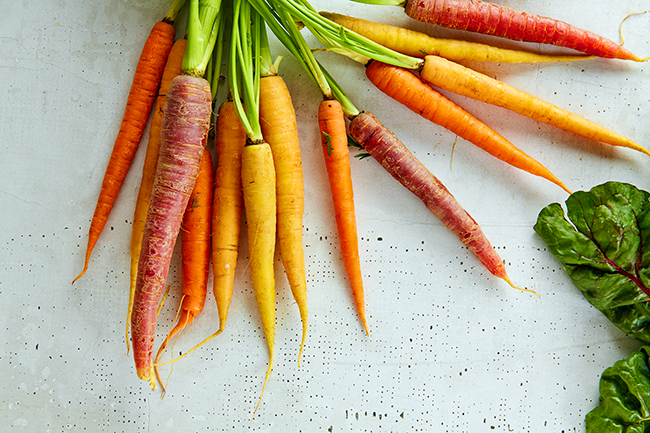
    Vitamin A is a group of fat soluble retinoids, including retinol, retinal, retinoic acid and retinyl esters. There are two forms of vitamin A available in human the diet: Preformed Vitamin A and Provitamin A Carotenoids (the most important being Beta Carotene, which is found in yellow/orange fruits and vegetables ). We need vitamin A for immune function, the vision cycle, reproduction and communication between cells.
     
    Daily Recommend Allowance: 900 Retinol Activity Equivalents (RAE) for men // 700 RAEs for women


    What is the highest amount you can have before starting to show signs of toxicity (tolerable upper limit)? 3000RAE for most people, pregnant woman should be especially concerned about consuming EXCESS vitamin A as it can lead to birth defects.

    Foods with the most Vitamin A:
    • Red meat
    • Poultry
    • Fish and Shellfish
    • Eggs
    • Fats and oils
    • yellow corn (Beta Carotene)
    • Legumes, and seeds (Beta Carotene)
    • Yellow vegetables (Beta Carotene)
    • Sweet potatoes (Beta Carotene)
    • Yellow fruits (Beta Carotene)

    Symptoms of deficiency: Vitamin A deficiency is rare in the U.S. but it is very common in developing countries due to limited access of foods with Vitamin A. Vitamin A deficiency is associated with 500,000 cases of childhood blindness worldwide and can often lead to death due to decreased immune function.

    Keep in mind: Vitamin A is fat soluble. This means the body stores excess Vitamin A in the liver and it can build up. Although there is risk for toxicity from consuming too much Vitamin A (usually in the form of supplements), there is little risk from developing toxicity from consuming excess Beta Carotene.  Long terms excessive Vitamin A intakes can lead to dizziness, nausea, headaches, skin irritation, pain in joints and bones, coma, and even death.

    Filed Under: Articles

    Nutrition Talks: Folate

    September 24, 2012 by Jessica Leave a Comment

    IMG_4780
     
    Why is Folate important for the body:
    Folate is involved in making DNA and RNA, which are the building blocks of cells. Folate is a key component in cell division, especially during infancy and pregnancy. Folate also helps in preventing any changes in our cell DNA that can lead to cancer.  Folate is found naturally in food while folic acid is the synthetic form of folate (found in supplements and fortified foods).

    Daily Recommend Allowance: 400mg per day for adults / 600mg per day during pregnancy


    What is the highest amount you can have before starting to show signs of toxicity (tolerable upper limit)? 1000mg. The risk of toxicity from folic acid in supplements is low. Since folate is a water soluble vitamin, any excess is lost in urine.

    Foods with the most Folate:
    • Brewers’ Yeast
    • SoyBeans
    • Spinach
    • Brussels Sprouts
    • Broccoli
    • Corn
    • Whole Wheat Products
    Symptoms of deficiency: Decreased appetite, decreased growth, alopecia, dermatitis, muscle weakness, inflammation of the GI tract, anemia, depression and paralysis. Folate deficiency can occur during pregnancy and lactation (breastfeeding), alcohol abuse, malabsorption, in kidney failure (when on dialysis) and in liver disease.


    Interesting Facts: Folate is essential for pregnant women because it’s involved in the development of the fetus. Folate helps to prevent neural tube defects, which result in malformations of the spine, skull and brain. In 1998, the U.S. government started the Folate Food Fortification program, which made it mandatory to add folate to all grain products. Since the implementation of this program, there has been a significant reduction of neural tube defects.

    Filed Under: Articles

    20 Minute Tortilla Soup

    September 24, 2012 by Jessica 3 Comments

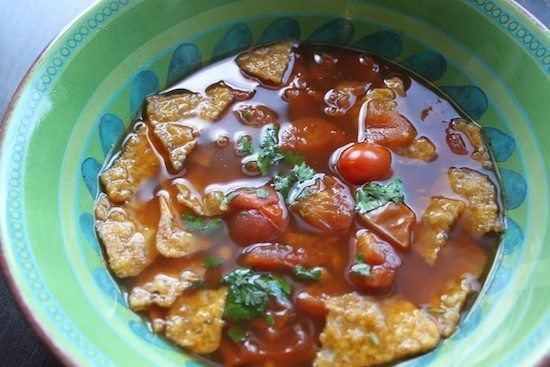
    Who doesn’t crave a hearty tortilla soup from time to time? This 20 Minute Tortilla Soup is easy and will soothe all of your crazy cravings.  All it is is a couple of veggies, some vegetable stock, plenty of spices and voila! Tortilla soup!

    Tortilla-soupStart off by heating your vegetable stock over medium-high heat.  Add in your chopped tomatoes and let simmer.  Then add your spices and garlic. Then your lemon juice and olive oil.  Bring it all to a boil.  Then reduce the heat and let simmer for about fifteen minutes.  When it is time to serve, crunch up eight tortilla chips and add them to the bottom of the bowl.  Add a pinch of salt to taste and garnish with cilantro.
    We love to add some slices of avocado or tossing some corn into the mix.  Pair with a side of rice or quinoa for a fully balanced dish.  The best part about this soup is that it only takes twenty minutes to make as opposed to some other homemade soup recipes.  What do you think about making your own soup?  Let us know what you think in the comments below!

    Print
    20-minute Tortilla Soup
    Total Time
    25 mins
     
    Ingredients
    • 32- ounces of vegetable stock
    • 1 tablespoon chili powder
    • 1 tablespoon of cumin
    • 1 teaspoon of oregano
    • 2 tablespoons lemon juice
    • 2 tablespoons olive oil
    • 5 garlic cloves, chopped
    • 2 tomatoes, chopped
    • 1/3 cup of chopped cilantro
    Instructions
    1. Heat broth on medium-high heat
    2. Add chopped tomatoes
    3. Add spices and garlic
    4. Add lemon juice and olive oil
    5. Bring to boil
    6. Reduce and let simmer for 15 minutes
    7. When it's time to serve, layer the bottom of the bowl with 8 tortilla chips (crunch them up in your hands)
    8. Add salt to taste
    9. Add cilantro for garnish

    Filed Under: Main Courses

    Nutrition Talks: Vitamin E

    September 11, 2012 by Jessica Leave a Comment

    olive oils nutrinerd vitamins E

    Why is it important for the body: Vitamin E acts as an antioxidant by donating it’s own electrons to reduce oxidative damage to cells. Conditions associated with oxidative damage include aging, cancer, cardiovascular disease, diabetes, lung disease and skin disorders.

    Daily Recommend Allowance: 15mg

    What is the highest amount you can have before starting to show signs of toxicity (tolerable upper limit)? There is a low risk of Vitamin E toxicity however at chronic high amounts (over 100mg/ day) individuals may be at risk for hemorrhaging.

    Foods with the most Vitamin E:

    • Wheat germ oil
    • Sunflower seeds
    • Almonds
    • Avocado
    • Sunflower oil
    • Safflower oil
    • Hazelnuts
    • Green leafy vegetables
    • Whole grains
    • Fortified Cereals

    Symptoms of deficiency: People who are experiencing fat malapsorption are at risk for Vitamin E deficiently. Symptoms include neuromuscular degeneration (sensory loss), muscle denervation, hemolytic anemia, retinopathy.

    Keep in mind: People on anticoagulant medications such as Coumadin should consult a health care professional before taking supplements of vitamin E as it can increase the risk of bleeding.

    Filed Under: Articles

    Nutrition Talks Vitamin C

    August 27, 2012 by Jessica Leave a Comment

    IMG_4760

    Why is it important for the body: Vitamin C is an anti-oxidant, meaning it donates an electron to free radicals to prevent them from causing damage to our cells. It also helps regulate gene expression.

    Daily Recommend Allowance: 90mg for men / 75mg for women

    What is the highest amount you can take before starting to show signs of toxicity (tolerable upper limit)? 2000mg per day. More than 3 grams of vitamin C per day has been shown to cause bloating or diarrhea.

    Fruits with the most Vitamin C:

    • Cantaloupe
    • Citrus fruits and juices, such as orange and grapefruit
    • Kiwi fruit
    • Mango
    • Papaya
    • Pineapple
    • Strawberries, raspberries, blueberries, cranberries
    • Watermelon

    Veggies with the most Vitamin C:

    • Broccoli, Brussels sprouts, cauliflower
    • Green and red peppers
    • Spinach, cabbage, turnip greens, and other leafy greens
    • Sweet and white potatoes
    • Tomatoes and tomato juice
    • Winter squash

    Interesting facts:

    • Vitamin C is often promoted as being a cure for the common cold, however, this has been studied extensively and research does NOT support this.
    • Since vitamin C is a water-soluble vitamin, it can dissolve in water based cooking. Because of this, cooking can reduce the vitamin C in vegetables by about 60%.
    • The vitamin C content in foods drastically decreases if they are stored at high temperatures. A low storage temperature is needed to delay the breakdown of  Vitamin C.

    Symptoms of deficiency: People who are vitamin C deficient are at risk for a disease called Scurvy, which is characterized by fatigue, depression, joint pain, dry mouth/eyes/skin as well as gum and tooth decay.

    Keep in mind: Vitamin C is best absorbed at LOW intakes (less than 180 mg). At low doses, about 80-90% of vitamin C is absorbed, however at high doses, only about 40-50% is absorbed.  Mega doses of vitamin C will be lost in your urine and, as mentioned above, can cause stomach upset and diarrhea.

    Filed Under: Articles

    Spicy Roasted Sweet Potato Hummus

    August 26, 2012 by Jessica Leave a Comment

    Hummus where the heart is! This Spicy Roasted Sweet Potato Hummus is a cozy spin on a classic chickpea based hummus. The sweet potato-chickpea combo offers a nutrient punch that a regular hummus does not offer on its own.

    hummussmThe sweet potatoes are a fabulous starchy vegetable that are jam packed with vitamin A and vitamin C to make sure you’re getting in those vital antioxidants.  Sweet potatoes also contain plenty of fiber as well to keep your system running smoothly.  You can find the best sweet potatoes during the fall and winter.

    When combined with chickpeas, you get the extra source of protein, with 15 grams of protein in just one cup of cooked chickpeas.  They are also loaded with iron, folate, and manganese, minerals that will help keep you energized and your body functioning the way that it should!  Sweet potatoes have vitamin C that helps our bodies absorb the iron in the chickpeas, creating the perfect 1-2 punch.

    Start this recipe by baking the cubed sweet potatoes in the oven at 375F for 45 minutes to an hour.  Roast the potatoes until they are soft enough.  In the meantime, you can blend the chickpeas with olive oil, tahini, garlic, lemon, cayenne, cumin, and paprika in a blender or food processor.  Once the sweet potato is nice and soft, add it into the chickpea mix and continue to process or blend together until it is all one consistency.  

    This is a great spread to put on sandwiches with some veggies, add it to a piece of toast with an egg, or enjoy as a dip with some other veggies.  Hummus is great because you can do so many different things with it and it is always delicious.  Store in a container and have on hand throughout the week.  Have you ever thought about tossing sweet potatoes into your hummus? Let us know what you think in the comments below!

    Print
    Spicy Roasted Sweet Potato Hummus
    Total Time
    55 mins
     
    Servings: 4
    Ingredients
    • 1 Sweet Potato
    • 3 tablespoons of tahini sauce
    • 1 can low sodium or no sodium added chickpeas
    • Juice of ½ lemon
    • 1 teaspoon paprika
    • ½ teaspoon cayenne pepper
    • ½ teaspoon cumin
    • 3 tablespoons olive oil
    • 2 cloves of garlic
    • Salt and pepper to taste
    Instructions
    1. Peel sweet potatoes, cut in cubes and roast in oven on 375F for 45 minutes to an hour (or until soft)
    2. Meanwhile blend chickpeas, olive oil, tahini sauce, garlic, lemon and spices in food processor
    3. Once sweet potato is cooked, add it to the food processor and blend together
    Recipe Notes

    Spread on your sandwiches for added protein, or eat with tortilla chips as a snack between meals.

    Filed Under: Spreads, Condiments, Sauces

    • « Go to Previous Page
    • Page 1
    • Interim pages omitted …
    • Page 32
    • Page 33
    • Page 34
    • Page 35
    • Page 36
    • Go to Next Page »

    Primary Sidebar

    Search

    Let’s Connect

    Meet Wendy & Jess

    Registered Dietitians & BFF's. We're probably busy eating right now.

    Subscribe to our Podcast

    food heaven podcast

    Podcast Hookup Codes

    food heaven podcast hookup codes

    Meet Wendy & Jess

    Registered Dietitians & BFF's. We're probably busy eating right now.

    • Diabetes Digital
    • Our Story
    • Recipes
    • Resources
    • Articles
    • Contact
    • Policies
    © Food Heaven Made Easy
    In order to provide you with the best service, our website uses cookies. By continuing to browse the site you are agreeing to our Privacy Policy I consent
    Privacy Policy

    Privacy Overview

    This website uses cookies to improve your experience while you navigate through the website. Out of these cookies, the cookies that are categorized as necessary are stored on your browser as they are essential for the working of basic functionalities of the website. We also use third-party cookies that help us analyze and understand how you use this website. These cookies will be stored in your browser only with your consent. You also have the option to opt-out of these cookies. But opting out of some of these cookies may have an effect on your browsing experience.
    Necessary
    Always Enabled
    Necessary cookies are absolutely essential for the website to function properly. This category only includes cookies that ensures basic functionalities and security features of the website. These cookies do not store any personal information.
    Non-necessary
    Any cookies that may not be particularly necessary for the website to function and is used specifically to collect user personal data via analytics, ads, other embedded contents are termed as non-necessary cookies. It is mandatory to procure user consent prior to running these cookies on your website.
    SAVE & ACCEPT