
• Skip to main content
  • Skip to primary sidebar
Listen to the Latest Podcast EpisodeAnd We’re Back! Introducing: Diabetes Digital
Food Heaven Made Easy

Food Heaven Made Easy

Black Registered Dietitian Nutritionists | Intuitive Eating Dietitians

  • About
  • Press
    • Diabetes Digital
    • Start Here
    • Podcast
      • Hookup Codes
    • Work With Us
    • Resources
      • Recipes
      • Blog
      • Cookbook
      • Books We Love
    Looking for nutrition counseling with expert registered dietitians?
    Get Started

    Jessica

    Thai Spaghetti Squash Pasta

    December 17, 2012 by Jessica Leave a Comment

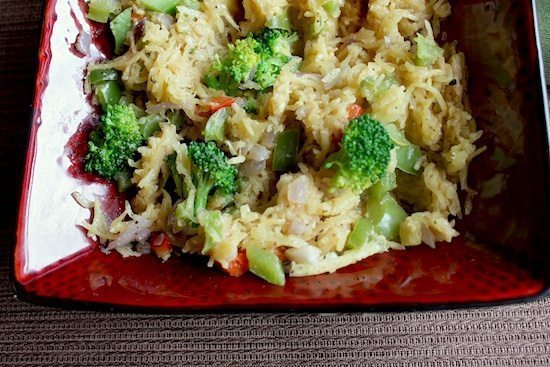
    Say hello to this Thai Spaghetti Squash Pasta.  This recipe is perfect for upping your veggie intake without losing any flavor.  On an even better note, fall is coming up which means squash will be all over the place.  Pick one up at your local farmer’s’ market or grocery store this weekend!
     

    This type of squash is tons of fun because once cooked, spaghetti-like strands are created that pair beautifully with your favorite protein. One cup has around 45 calories and just 10 grams of carbs. It’s a great option for people who are watching their weight or their carb intake. Spaghetti squash is super light, and paired with this easy Thai peanut sauce, is a delectable weeknight dish.

    Start off by baking the whole squash in the oven at 350F degrees.  Let this bake for 45-50 minutes or until the squash is soft.  Pro tip: if you poke a few holes in the squash with a fork, it will cook faster.  Once it is all done cooking, cut the squash in half and remove the seeds.  Use a fork to scrape the spaghetti strands out of the squash.  

    For the sauce, combine the peanut butter, water, garlic, soy sauce, and rice vinegar over low heat in a saucepan.  Allow the peanut butter to melt so that the mix is easy to stir.  Stir the sauce until the mixture is nice and smooth and creamy.  Taste test that baby.  If it needs a little something, feel free to add more water, peanut butter, vinegar, or soy sauce.  In a separate saucepan, saute onion, pepper, broccoli, and garlic over medium heat.  Once everything is all cooked, combine squash, peanut butter, and veggies separately so that you can make sure you have enough of each for each dish.

    The many veggies in this dish provide a healthy dose of fiber that will keep you full all night long.  Feel free to add some red pepper flakes or Sriracha to get that perfect spicy edge.  How does this sound to you? Let us know in the comments below!
    Print
    Thai Spaghetti Squash Pasta
    Total Time
    1 hr
     
    Servings: 2
    Ingredients
    • 1 spaghetti squash
    • 1 cup of chopped broccoli
    • 1/2 onion
    • 1/2 red or green bell pepper
    • 1/4 cup of peanut butter
    • 1/4 cup water
    • 2 tablespoons of low sodium soy sauce
    • 1 tablespoon rice vinegar
    • 4 cloves of garlic minced
    Instructions
    To cook squash
    1. Bake the squash in the oven whole at 350F degrees for 45-50 minutes, or until squash is soft. It will cook quicker if you puncture a few wholes on the squash.
    2. Once the squash is done cooking, cut in half and remove seeds
    3. Use a fork to scrape the spaghetti strands out of the squash
    To cook sauce
    1. In a saucepan, combine peanut butter, water, 2 cloves of minced garlic, soy sauce and rice vinegar over low heat
    2. Allow peanut butter to melt so the mixture becomes easy to combine
    3. Stir until mixture is smooth and creamy. The key is tasting to make sure everything is just right. Add more water, peanut butter, vinegar and soy sauce as needed
    4. Meanwhile, in a separate saucepan, sauté onion, pepper, broccoli and the other 2 cloves of garlic over medium heat
    5. When everything is cooked, combine squash, peanut butter and veggies separately to each plate to ensure you have the proper proportions of each
    6. Add red pepper flakes or Sriracha for an extra kick
    Recipe Notes

    This dish was extremely filling and yummy. Perfect for those with a wheat allergy who still want to enjoy pasta and Thai food! Or a great way to sneak in an extra serving of vegetables for the kiddies.
    Filed Under: Main Courses

    Why We Live for Kale

    December 4, 2012 by Jessica Leave a Comment

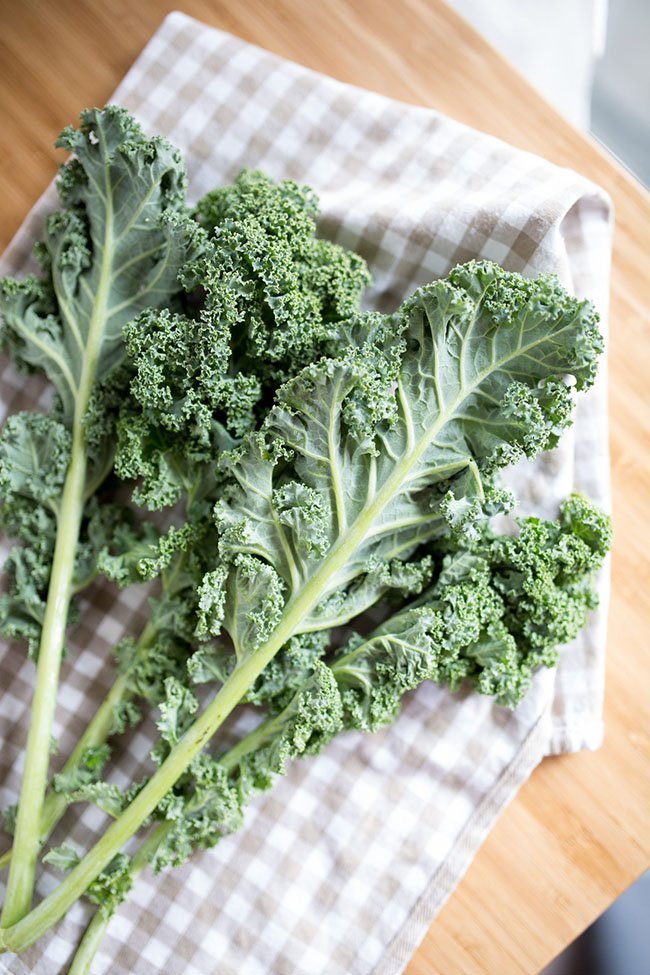
    Kale, kale, kale. What can we say? Not only is it affordable and one of the healthiest veggies around, it’s a great addition to any meal. We love using it as a base for pizza, taco salad, sesame seed salad, cranberry salad, and even chips.

    Here are 4 reasons why Kale rocks our socks!

    1. It’s loaded with vitamins and minerals

    Just 1 cup of cooked Kale provides 1327% (no, that’s not a typo) of our daily value of vitamin K! It also provides 354% of our vitamin A needs and 88.8% of our vitamin C requirements. Kale is also a good source of copper, tryptophan, calcium, vitamin B6, potassium, iron and magnesium.

    2. It offers a healthy dose of fiber
    One cup provides about 10% of our daily fiber needs, which help to lower cholesterol, keep us regular, prevent colon cancer and keep our blood sugar in check.

    3. It protects us against cancer and other chronic diseases

    Kale is rich in two very important cancer fighting antioxidants: carotenoids and flavanoids. Carotenoids help to protect our body from oxidative stress, which not only helps to ward off cancer, but decreases our risk of developing cataracts, atherosclerosis and chronic obstructive pulmonary disease (COPD).

    4. Our taste buds love it

    Yes, Kale has a plethora of health benefits, but one reason why we heart it is simply for its taste. It is great both cooked and raw, and can be added to almost ANY dish to amp up the flavor. Make sure to rinse Kale leaves under cold running water before preparing. If you are eating raw Kale, chop and massage the leaves with a teaspoon of olive oil and a pinch of salt to decrease bitterness. Steaming is also a great way to maximize the nutrition and flavor of the Kale. After cooking, try topping with a homemade salad dressing for extra flavor.

    Filed Under: Articles

    5 Minute Kale Taco Salad

    December 3, 2012 by Jessica 2 Comments

    Quick and easy is the name of the game.  This Kale Taco Salad is mouthwatering and only takes about five minutes to prep. 

    As a part of a balanced diet, it is recommended that half of your plate should be filled with vegetables and recipes like this are an excellent way to get that fix. Kale is a leafy green vegetable that belongs to the Brassica family, a group of vegetables including cabbage, collards, and Brussels sprouts that have gained recent widespread attention due to their health-promoting  phytonutrients.  The kale helps to round out this recipe by providing vitamin K, A, and C, folate, B vitamins, copper, manganese, iron, and even more fiber.  The bell peppers add a huge dose of vitamin C as well and can help your body absorb the iron from the kale and beans. Plus beans are a great source of protein.
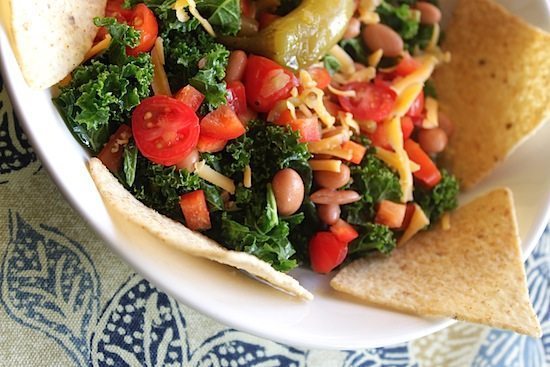
    Start off by chopping your kale into small pieces.  Pour olive oil and salt into your hands and manually massage it into the kale to break down some of the bitterness and making it easier to chew because it breaks down the fibers.  Mix together the kale, red pepper, pinto beans, cherry tomatoes, olives, jalapeno,  and tortilla chips.  Top with some shredded cheddar cheese for all of you cheese lovers out there.

    You can get creative with this one too.  Add some fresh salsa or avocado slices to customize your salad as you want.  What other toppings would you add to this quick and tasty taco salad? Let us know in the comments below!

    Print
    5-Minute Kale Taco Salad
    Total Time
    5 mins
     
    Servings: 2
    Ingredients
    • 3 cups of kale
    • 1/4 red bell pepper, thinly sliced
    • 1/4 cup cooked pinto beans
    • 1/5 cup of chopped cherry tomatoes
    • 2 tablespoons of olives, sliced
    • 1 jalapeno, deseeded and chopped
    • Handful of tortilla chips
    • 1 tablespoon olive oil
    • Salt and pepper to taste
    Instructions
    1. Chop kale into small pieces
    2. Massage with olive oil and a little bit of salt and pepper
    3. Mix all of the other ingredients together and enjoy!

    Recipe Notes

    Optional: Top with shredded cheddar cheese

    Filed Under: Main Courses

    Intro to Omega 3 Fatty Acids

    November 19, 2012 by Jessica 2 Comments

    IMG_4500

    What are Omega-3s?

    Omega-3 fatty acids are a group of polyunsaturated fatty acids that offer a wide variety of health benefits. Since the body doesn’t produce Omega-3s on its own, they are classified as “essential fatty acids.”

    Why are they good for us?
     
    According to the National Institute of Health’s Office of Dietary Supplements, research suggests that consumption of Omega-3 fatty acids, fish and fish oil reduces all-cause mortality and various cardiovascular disease outcomes such as sudden death and heart attack. Fish oils have also been shown to lower blood triglycerides, ensure normal heart rates and can lead to beneficial effects on blood pressure. Research suggests that Omega-3s can reduce joint tenderness and the need for drugs in people with rheumatoid arthritis. Some studies also suggest that Omega-3s protect brain function with aging, including the progression of dementia, multiple sclerosis and neurological diseases (however, the strength of this evidence is inadequate to make any conclusions at this time).


    What foods are they found?

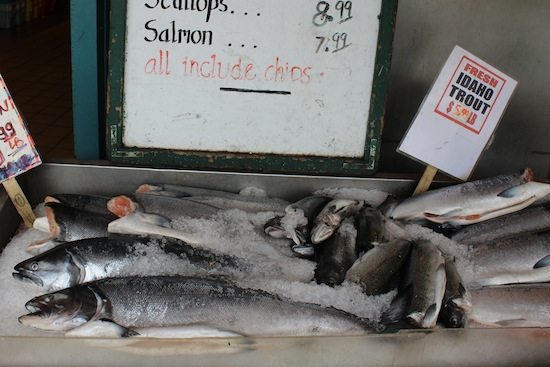
    The three main Omega-3s are alpha-linolenic acid (ALA), eicosapentaenoic acid (EPA) and docosahexaenoic acid (DHA). ALA is primarily found in plant foods (particularly canola oil, soybean oil and flax seed oil).  EPA and DHA are primarily found in fatty fish (particularly salmon, mackerel, herring, sardines and tuna). Algae oils are vegetarian sources of DHA/EPA. Note that Omega-3s are NOT the same as fish liver oils. Fish liver oils contain Vitamin A and D as well as Omega-3s; however Vitamin A and D can be toxic in high doses.

    Why is the distinction between ALA and EPA/DHA so important?

    It’s important to note that ALA is only a building block or precursor to EPA/DHA, the biologically active forms of Omega-3s. The majority of the health benefits we hear about Omega-3s in the news are referring to EPA and DHA. Why does this matter? Because the body’s process of converting ALA to EPA/DHA is very inefficient. For example, every 1000 milligrams of ALA that you consume will only make about 27 milligrams of EPA/DHA. This is important for people taking Omega-3 supplements that are primarily made up of ALA or vegans who are consuming mostly plant based forms of Omega-3s.

    How much EPA/DHA we need?

    For healthy individuals, The World Health Organization recommends consuming 300-500 milligrams of EPA/DHA daily. This can be obtained by eating 2-3 servings of fish per week (6-ounces of cooked salmon provides 1800 milligrams of EPA and DHA combined). For those who don’t eat fish that frequently, consider Omega-3 supplements to obtain your daily recommended intake of this essential nutrient. Vegan EPA/DHA can be obtained by consuming algae-based supplements. V-pure, for example, is  a vegan based supplement  that contains both EPA and DHA. For those interested in consuming Omega-3s for therapeutic reasons,  The National Institute of Health provides a list of recommended doses studied in scientific research for different health concerns (scroll to bottom of link).

    Are supplements safe?

    A study that examined 10,000 subjects consuming Omega-3 supplements in various forms and doses ranging from .3 to 8 grams per day for 1 week to 7 years found that Omega-3 users experienced few side effects. Most of the reported issues were gastrointestinal (belching, indigestion, or diarrhea). WARNING: People taking blood thinners such as Warfarin/Coumadin should consult their doctor or Registered Dietitian before taking Omega-3s due to increased risk of bleeding.


    What should I look for when purchasing supplements?

    As mentioned previously, make sure your supplements provide at least 300 milligrams of EPA/DHA. Also, only buy fish oil supplements that have gone through molecular distillation to ensure they are pure and free of contaminants. A good quality fish oil supplement will usually cost around $20.00 for a month’s supply.

    Filed Under: Articles

    Spinach and Vegetable Calzones

    November 16, 2012 by Jessica 6 Comments

    Feeling some hearty Italian food with a healthy twist? Try this Spinach and Vegetable Calzone for your next round of cooking.  Get in the kitchen and get those hands to work with this fun recipe.

    Stuff your calzone with as many vegetables as you would like.  Try to use the veggies you have on hand or the best in season.  You can use spinach, onion, tomatoes, peppers, eggplant, mushrooms, or anything else you want! It is recommended that half of your plate should be filled with vegetables and recipes like this are an excellent way to get that fix.  Plus, veggies offer vitamins, minerals, and fiber that we need to keep our cells functioning properly.  Ricotta cheese also does not get quite enough credit.  Ricotta can be a great, high protein cheese option.  Try to get a part-skim version for all that protein with less fat.
    Begin by preheating the oven to 400F degrees.  Saute those veggies in olive oil.  Add in your chopped garlic and basil toward the end to make sure you get the most flavor.  Season the veggies with Italian herbs like basil, oregano, and garlic powder.  Use a rolling pin to roll the dough into multiple squares or circles about 8 inches in diameter.  Spread one tablespoon of tomato paste over each piece of dough and then fill each calzone with one cup of veggies and cheese. Fold the top of the calzone crust over the bottom into a half-moon shape. Poke small holes in the top of the calzone with a fork to ventilate.  Brush the top of each calzone with olive oil.  Place a layer of foil over a baking sheet and grease with olive oil.  Place the calzones on the baking sheet and cook for 15-20 minutes or until the crust is brown.

    Have you ever made your own calzones? Tell us what veggies you chose in the comments below! 

    Print
    Spinach and Vegetable Calzones
    Ingredients
    • 1 lb pizza crust
    • 4 cups of your favorite veggies (I used spinach, onion, basil and tomatoes)
    • 1 teaspoon of olive oil
    • 4 cloves of garlic
    • 2 tablespoons of Italian seasoning
    • 4 tablespoons of tomato paste
    • Mozzarella or ricotta cheese
    Instructions
    1. Preheat oven to 400F degrees
    2. Sauté chopped veggies in olive oil (add chopped garlic and basil last for more flavor)
    3. Season veggies with Italian herbs (basil, oregano, garlic powder)
    4. Using a rolling pin, roll dough and cut into multiple squares or circles about 8 inches in diameter

    5. Spread 1 tablespoon of tomato paste over each piece of dough (optional)
    6. Fill each calzone with about 1 cup of veggies (and cheese if desired)
    7. Fold the top of the calzone crust over the bottom into a half-moon shape
    8. Poke holes on the top of calzone with fork
    9. Brush the top of each calzone with olive oil
    10. Cover a baking sheet with foil
    11. Rub foil with a bit of olive oil, then place calzones on sheet and put in oven
    12. Cook for 15-20 minutes or until crust is brown

    Filed Under: Main Courses

    Treating Constipation With Food

    October 22, 2012 by Jessica 4 Comments

    fiber one constipationWhat is constipation?

    According to the American College of Gastroenterology, Constipation is one of the most frequent gastrointestinal complaints in the US. Constipation is defined as going longer than 3 days without a bowel movement. You may also be experiencing constipation if you have incomplete evacuation of your bowel movements, hard stools or straining when using the bathroom.

    What is fiber?

    While constipation is caused by many factors, it is often the result of inadequate fiber intake.  Dietary fiber is the edible portion of plants that is not digested. There are two forms of fiber: soluble and insoluble. Soluble fiber helps us feel full and aids in digestion, while insoluble fiber adds bulk to stool and absorbs water as it moves through it moves through the digestive system.

    How much do we need?

    The Academy of Nutrition and Dietetics recommends 25 grams of fiber for women and 38 grams of fiber for men each day. The average American gets about 11 grams of fiber daily, which is less than half the daily recommended amount. The good news is that it’s easier to meet your daily needs than you think. All it takes is 2 cups of fruits and 2 ½ cups of vegetables every day, in addition to whole grains and beans. Below is a complete breakdown of the top fiber foods.

    Top Fiber foods (source: Today’s Dietitian)

    1. Bran

    Food Portion Amount of Fiber
    Oat bran, raw 1 ounce 12 g
    Wheat bran, raw 1 ounce 12 g
    Corn bran, raw 1 ounce 22 g
    Rice bran, raw 1 ounce 6 g
    Fiber One Bran Cereal 1/2 cup 14 g
    All-Bran Cereal 1/2 cup 10 g
    Fiber One Chewy Bars    

    2. Beans

    Food Portion Amount of Fiber
    Lima beans, cooked 1 cup 14 g
    Adzuki beans, cooked 1 cup 17 g
    Broad beans (fava), cooked 1 cup 9 g
    Black beans, cooked 1 cup 15 g
    Garbanzo beans, cooked 1 cup 12 g
    Lentils, cooked 1 cup 16 g
    Cranberry beans, cooked 1 cup 16 g
    Black turtle soup beans, cooked 1 cup 17 g
    Kidney beans, cooked 1 cup 16 g
    Navy beans, cooked 1 cup 19 g
    White beans, small, cooked 1 cup 19 g
    French beans, cooked 1 cup 17 g
    Mung beans, cooked 1 cup 15 g
    Yellow beans, cooked 1 cup 18 g
    Pinto beans, cooked 1 cup 15 g

    3. Berries

    Food Portion Amount of Fiber
    Raspberries, raw 1 cup 8 g
    Blueberries, raw 1 cup 4 g
    Currants (red and white), raw 1 cup 5 g
    Strawberries, raw 1 cup 3 g
    Boysenberries, frozen 1 cup 7 g
    Gooseberries, raw 1 cup 6 g
    Loganberries, frozen 1 cup 8 g
    Elderberries, raw 1 cup 10 g
    Blackberries, raw 1 cup 8 g

    4. Whole grains

    Food Portion Amount of Fiber
    Amaranth, grain 1/4 cup 6 g
    Barley, pearled, cooked 1 cup 6 g
    Buckwheat groats, cooked 1 cup 5 g
    Popcorn, air popped 3 cups 4 g
    Oats (old fashioned), dry 1/2 cup 4 g
    Rye flour, dry 1/4 cup 7 g
    Millet, cooked 1 cup 2 g
    Quinoa, cooked 1 cup 5 g
    Teff, grain, dry 1/4 cup 6 g
    Triticale, flour, dry 1/4 cup 5 g
    Wheat berries, dry 1/4 cup 5 g
    Wild rice, cooked 1 cup 3 g
    Wheat flour (whole wheat), dry 1/4 cup 4 g
    Brown rice, cooked 1 cup 4 g
    Bulgur, cooked 1 cup 8 g
    Bread (whole wheat), sliced 1 slice 2 g
    Crackers, rye wafers 1 ounce 6 g
    Spaghetti (whole wheat), cooked 1 cup 6 g

    5. Fruit

    Food Portion Amount of Fiber
    Banana 1 medium 3 g
    Pear 1 medium 6 g
    Orange 1 medium 4 g
    Apple 1 medium 4 g
    Prunes, dried 1/2 cup 6 g
    Raisins 2 ounces 2 g
    Peaches, dried 1/4 cup 3 g
    Figs, dried    

    6. Greens

    Food Portion Amount of Fiber
    Turnip greens, cooked 1 cup 5 g
    Mustard greens, cooked 1 cup 5 g
    Collard greens, cooked 1 cup 5 g
    Spinach, cooked 1 cup 4 g
    Beet greens, cooked 1 cup 4 g
    Swiss chard, cooked    

    Filed Under: Articles

    • « Go to Previous Page
    • Page 1
    • Interim pages omitted …
    • Page 31
    • Page 32
    • Page 33
    • Page 34
    • Page 35
    • Page 36
    • Go to Next Page »

    Primary Sidebar

    Search

    Let’s Connect

    Meet Wendy & Jess

    Registered Dietitians & BFF's. We're probably busy eating right now.

    Subscribe to our Podcast

    food heaven podcast

    Podcast Hookup Codes

    food heaven podcast hookup codes

    Meet Wendy & Jess

    Registered Dietitians & BFF's. We're probably busy eating right now.

    • Diabetes Digital
    • Our Story
    • Recipes
    • Resources
    • Articles
    • Contact
    • Policies
    © Food Heaven Made Easy
    In order to provide you with the best service, our website uses cookies. By continuing to browse the site you are agreeing to our Privacy Policy I consent
    Privacy Policy

    Privacy Overview

    This website uses cookies to improve your experience while you navigate through the website. Out of these cookies, the cookies that are categorized as necessary are stored on your browser as they are essential for the working of basic functionalities of the website. We also use third-party cookies that help us analyze and understand how you use this website. These cookies will be stored in your browser only with your consent. You also have the option to opt-out of these cookies. But opting out of some of these cookies may have an effect on your browsing experience.
    Necessary
    Always Enabled
    Necessary cookies are absolutely essential for the website to function properly. This category only includes cookies that ensures basic functionalities and security features of the website. These cookies do not store any personal information.
    Non-necessary
    Any cookies that may not be particularly necessary for the website to function and is used specifically to collect user personal data via analytics, ads, other embedded contents are termed as non-necessary cookies. It is mandatory to procure user consent prior to running these cookies on your website.
    SAVE & ACCEPT