• Skip to main content
  • Skip to primary sidebar
Listen to the Latest Podcast EpisodeAnd We’re Back! Introducing: Diabetes Digital
Food Heaven Made Easy

Food Heaven Made Easy

Black Registered Dietitian Nutritionists | Intuitive Eating Dietitians

  • About
  • Press
    • Diabetes Digital
    • Start Here
    • Podcast
      • Hookup Codes
    • Work With Us
    • Resources
      • Recipes
      • Blog
      • Cookbook
      • Books We Love
    Looking for nutrition counseling with expert registered dietitians?
    Get Started

    Wendy

    What is Intuitive Exercise?

    August 24, 2022 by Wendy Leave a Comment

    No, you don’t have to love running to exercise well.

    By now, you may have heard about intuitive eating but are you familiar with intuitive exercise? Similar to our food choices, the movement we decide to do can oftentimes be influenced by what others are telling us we should do. Particularly with exercise, there’s so much messaging around weight loss and sculpting the perfect body. This can get in the way of figuring out what type of movement you actually enjoy and will be able to sustain long-term.

    What Is Intuitive Exercise?

    Intuitive exercise is engaging in movement that is guided by how you’re feeling and what you enjoy doing. There are no #fitspo goals and you get to decide what works best for you, taking into account unique factors like medical history, physical limitations, mood and motivation. Instead of obsessing about losing weight, the focus shifts to what your needs are and what benefits you’re experiencing when moving your body. Perhaps you had the intention to do a 30-minute circuit workout but you woke up feeling physically fatigued or emotionally drained. With intuitive exercise, instead of forcing a workout, you can consider if something more restorative is a better fit that day like yoga or walking. You could also decide that it’s best to skip the workout entirely and catch up on rest. There are no hard rules to follow.

    Benefits of Exercise

    The physical and mental benefits of movement are vast and well-established by research. Studies have shown improved thinking and cognition for children who engage in physical activity and a reduction in risk for depression and anxiety for adults. Physical activity can also help reduce your risk for chronic conditions like heart disease, type 2 diabetes and some cancers. Doing cardio and resistance exercise can slow the loss of bone density that comes with age and can also reduce the risk of falling and injuries from falls. It helps to maintain muscle mass and strength, which is especially important as we get older. Needless to say, movement has innumerable benefits for all age groups and the key is finding the type of movement you love doing!

    How to Incorporate More Exercise Into Your Routine

    If you’re not used to exercising regularly, at first it may be a challenge figuring out how much movement to do while also keeping in mind the concepts of intuitive exercise. If you’re unsure what you like, a good first step is trying out different things! The internet gives us access to an infinite amount of options that you can do from the comfort of your home. Go walking, dance at home, ride your bike, get some light weights and see how that feels. Trying different routines will help you narrow down what types of activities you’re into. Keep in mind that it should feel good to do these activities. If it doesn’t, then that’s totally okay. I can’t tell you how many workouts I’ve forced myself to do for the sake of doing them and looking back, I wish I would have stuck with what I knew I enjoyed. The DHHS recommendations are 30 minutes of moderate exercise per day most days out of the week. You can decide how you want to do this, whether it’s in 2, 15 minute sessions or having longer sessions less days during the week. It’s also recommended we get a mix of cardio and strength training, which is why it’s important to mix it up and do different types of movement.

    And Don’t Forget Rest Days

    Giving your body time to rest and recover from movement is equally important, especially after doing strength training activities. Give your muscles a change to repair themselves and also recover from potential soreness.

    Head on over to FOOD NETWORK to read the full article! What is Intuitive Exercise?

    Filed Under: Articles

    5 Tips to Eat Healthier If You Live in an Area with Limited Food Access

    August 24, 2022 by Wendy 4 Comments

    Healthy eating is about more than just buying the right groceries.

    When it comes to healthy eating, recommendations for grain bowls and smoothies often overshadow issues like someone’s ability to feed themselves nutritious food. Racism and poverty, including a lack of resources in poor communities of color, significantly impact whether or not some communities can access affordable, quality food. Supermarkets may not be located within walking distance, and the foods available lack variety.
    Growing up in the Bronx, I experienced first hand how food access can have a direct impact on food choices and nutrition education. In some neighborhoods, bodegas (corner stores) are the only option for buying fresh fruits and vegetables and options are extremely limited. Commuting an hour to another neighborhood is a big ask for someone who is a single parent, works long hours, and/or just doesn’t have the extra money to make that trip.
    Wellness messaging that emphasizes “If you only have enough willpower, you can manifest perfect health and reverse your chronic conditions” completely misses the mark because it ignores the realities of so many people. It’s important to understand and acknowledge all of the different factors that impact a person’s food choices. For example, saying things like “Processed food is bad for you” is tone deaf and inaccurate.
    If you live in an area with limited food access, here are five suggestions that may be helpful. Note that none of these address the root problem: systemic oppression, and it’s totally understandable if you’re not in the space to incorporate any of these suggestions right now. Health is multidimensional and it’s important to address your most urgent needs when thinking about what wellness looks like for you.

    Buy Produce with Longer Shelf Life

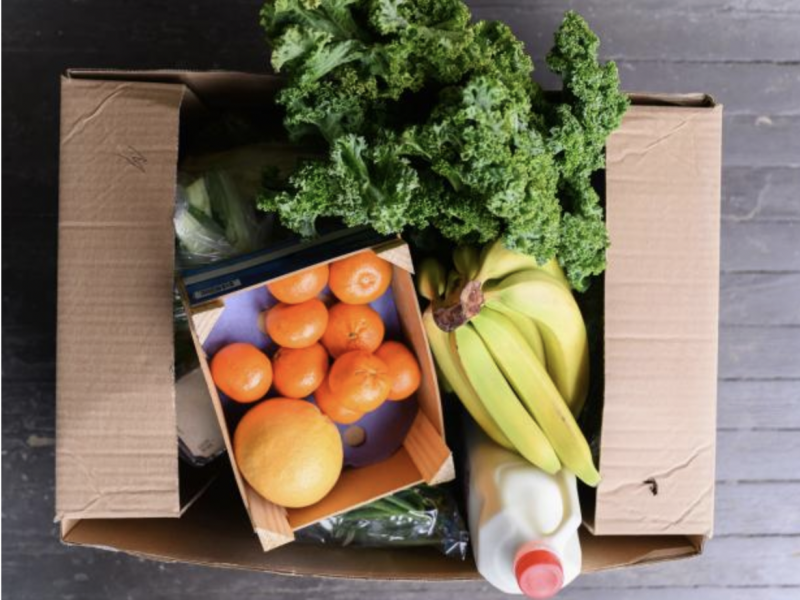
    Quality fruits and vegetables may be hard to come by. Buying produce that lasts long periods of time will cut down on trips to the supermarket and help with reducing food waste. Think apples, carrots, cauliflower, broccoli, zucchini, bananas, oranges and pears. Also try to read up on how to properly store different types of foods to reduce food waste.

    Freeze What You Can

    Preserving foods in your freezer is an excellent way to extend the life of foods, and the great thing is that you can freeze just about anything. Fruits, vegetables, dairy, cooked grains and even bread! If you know you’re not going to be eating something that easily goes bad within a few days, pack it up properly and throw it in the freezer. This will help to preserve its nutrients and the food will oftentimes taste so much better when it’s time to reheat. Some people find this surprising but take it from someone who freezes literally everything, frozen food tastes so much better than food that’s four days old.

    Shop in Bulk

    Buying in bulk is another great way to cut down on trips to the supermarket and save some money in the process. Aim for shelf-stable foods like grains, oils and canned goods. Keep in mind when these foods expire so you don’t overbuy!

    Look for Food Delivery

    Many supermarkets and online vendors now offer food deliveries that come right to your door. Oftentimes these delivery companies accept EBT cards and SNAP benefits and come from outside your zip code which opens up the options available!

    Check Out Your Farmers Market

    Here’s a guide that will help you locate the closest farmers market to you based on zip code. There are so many benefits to eating local and seasonal food, which is oftentimes more affordable than food that comes from other regions.Head on over to FOOD NETWORK to read the full article! 5 Tips to Eat Healthier If You Live in an Area With Limited Food Access

    Filed Under: Articles

    A Nutritionist Explains How Seasonal Eating Benefits Your Mental and Physical Health

    August 24, 2022 by Wendy Leave a Comment

    Choosing local, seasonal produce when you can, can seriously boost your overall well being.

    The summer is quickly approaching, which means an abundance of colorful produce will be ready for harvest in different parts of the country. Living in New York, I literally have the date set in my calendar for when the farmers markets finally open back up (June 11, in case you’re wondering). Generally, one of the best ways to find out which local foods are in season where you live is by visiting a farmer’s market. You can also check out this helpful seasonal food guide that filters foods by month and state!

    In-Season Produce Tastes Better and Contains More Nutrients

    Aside from local food tasting better when it’s picked in season, there are a number of nutritional benefits associated with seasonal eating. First, buying local seasonal produce usually means that the food you’re eating has traveled a short distance to make it from the farm to your table — which is a good thing. The longer fruits and vegetables spend being transported from farm to table, the greater the loss of important nutrients. Once produce is harvested, it starts to lose its quality unless preserved properly. Zucchini that’s traveled one week to get to your plate will likely taste very different from zucchini that was harvested the day before.
    Research also indicates that some produce fares better at preserving its nutritional content during specific seasons. For example, this study observed that the vitamin C content for broccoli was almost twice as high in the fall compared to the spring.
    Local farmers have the option of harvesting foods based on taste rather than whether or not they’re going to be able to resist long distance travel. It’s common practice to pick produce before it’s fully ripened and use artificial ripening agents like ethylene to control the quality of the produce when it arrives at stores. Although this hasn’t shown to have significant impacts on nutrition, this study showed that it can negatively impact the sensory characteristics of the produce that was treated.

    Seasonal Eating Adds Nutrient Variety to Your Diet (and Your Kid’s!)

    If you find yourself eating the same set of foods regularly, seasonal eating also promotes nutrient variety during mealtimes. It takes the guesswork out of experimenting with new foods because the foods that are available change regularly. Local produce can serve as a reminder to try out something new and as a result, eat a range of vitamins and minerals. If you have little ones in your life, a trip to the farmers market can be an exciting way to engage children about the benefits of eating local foods. Research has shown that children involved in school gardens are more willing to try new fruits and vegetables and eat them regularly.

    Local Foods Can Help You Feel More Connected to What’s On Your Plate

    Eating locally can help us feel more connected to our food, which can foster a sense of gratitude and mindfulness during mealtimes. It also helps us save money, since food that is in season tends to be more affordable. I especially love that at farmers markets, you get to communicate directly with farmers and ask questions about how the food was grown and harvested. Some farmers even offer visits to their farms, which can be a fun way to connect more deeply with your food!
    As great as seasonal eating is, it’s important to note that for people who live in areas with limited food access, a farmers market may not exist at all. You may also have a papaya craving and live in Boston. Food should be flexible and food that is not local still offers a number of health benefits. Look into creative ways to enjoy foods grown locally, while also taking into consideration what your needs are!Head on over to FOOD NETWORK to read the full article! A Nutritionist Explains How Seasonal Eating Benefits Your Mental and Physical Health

    Filed Under: Articles

    It’s OK Not to Be Excited About Food All the Time

    August 24, 2022 by Wendy Leave a Comment

    How to feed yourself when you’re not in the mood to eat — or when you’re not craving any food in particular.

    Have you been feeling a sense of indifference about food lately? Like you know you have to eat, and maybe you’re hungry, but you’re not necessarily feeling excited about your next meal? For many of us, the excitement of cooking elaborate quarantine meals has been quickly replaced with kitchen burnout. Add to that the stress of living through a pandemic, and it makes total sense why you may be feeling super unmotivated about food. It can be exhausting to think about feeding yourself consistently throughout the day.
    Ultimately, food is necessary for survival and is especially important during times of stress. I recommend eating a minimum of three meals per day, and if you prefer to break that up into smaller meals or want to throw in some snacks, that works too! The goal is to nourish your body with enough energy and nutrients so that it can function properly. Meals don’t have to be a thrilling experience every single time and eating can simply be the way that you obtain energy to keep your body functioning throughout the day. I know this sounds really dry and uneventful but it’s important to have honest dialogue about the times when we’re not feeling psyched about food. Stress, anxiety and depression can also have a significant impact on our appetite and you may find yourself not wanting to eat at all. Here are some tips that may be helpful if you’re struggling with low appetite and/or just can’t figure out what you’re in the mood for.

    Plan complete meals with at least three food groups.

    A can of tuna or fruit blended with water just doesn’t cut it. In order to get adequate nourishment and also feel satisfaction that can carry you on to the next meal, it’s important to plan meals with protein, carbohydrates and fat. Since motivation is low and inspiration may be lacking, keep things simple! Here are some ideas:
    • Tuna bowl with mayo, chickpeas and greens
    • Quesadilla with cheese, beans and avocado
    • Smoothie with yogurt, fruit and walnuts
    • Pita with hummus and vegetables
    • Boiled eggs with toast and avocado
    All of these meals come together in minutes, require minimal prep and provide a range of nutrients! Snacks like fruit, nuts and nut butters on toast are quick, simple options for when you’re feeling hungry in-between meals.

    Go for foods that are easy to digest.

    If you’re struggling with eating, go for foods that are gentle on the stomach and require minimal digestion. Tender cuts of meat in a brothy noodle soup or a warm bowl of oatmeal are great, comforting options. Soups and broths are also incredibly comforting and there are ways to boost their nutritional profile to meet your energy needs. Blending lentils, chickpeas and other legumes into a thick puree adds a hearty dose of protein and is gentle on the stomach. Similarly, making smoothies out of your favorite fruits and/or vegetables and adding milk, yogurt or protein powder helps to make for a more complete drinkable meal.

    Get help with meals.

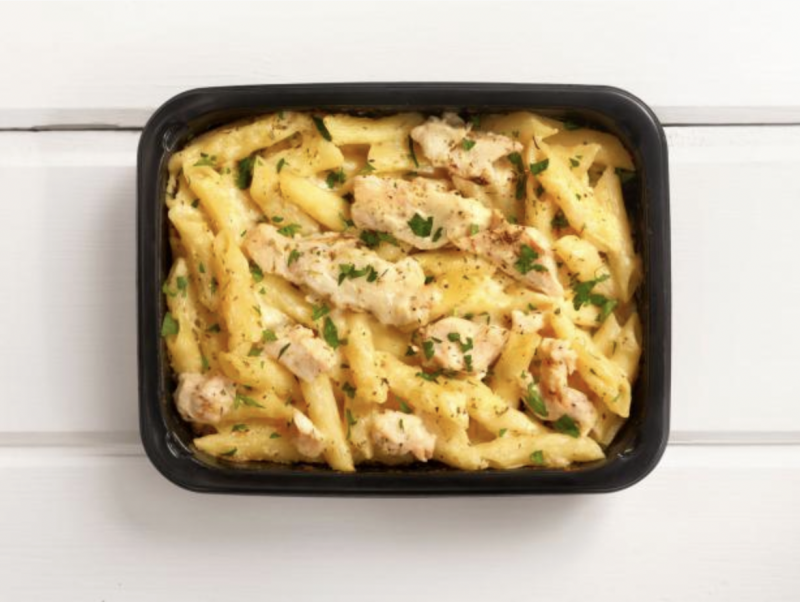
    You don’t need to make all your meals, even if they’re really simple. If you live with loved ones, be honest about how you’re feeling and ask for support in the kitchen. If that’s not an option or you live alone, consider canned, frozen, or packaged meals. There’s no shame in making sure your basic needs are met, and it’s unrealistic to prepare meals from scratch regularly when you’re not in that headspace. Aim for meals that have some combination of protein, carbohydrate and fat so you’re sustained for a few hours!

    Head over to FOOD NETWORK to read the full article! It’s OK Not to Be Excited About Food All The Time

    Filed Under: Articles

    This Dietitian Wants You to Eat More Processed Food

    August 24, 2022 by Wendy Leave a Comment

    Processed food is not a bad thing. Here’s why.

    One of the most tired nutrition recommendations is the call to eliminate or limit processed foods for improved health. Oftentimes, I’m left questioning how helpful this recommendation is and have seen how it can actually create confusion and fear for people trying to eat healthier. Do I have to cut out all processed foods? What does moderation mean? Are certain processed foods better than others? Many questions come up for people when trying to interpret this recommendation, which can lead to increased stress and anxiety around food.
    I’m here to tell you that eating processed food is not detrimental to your health, and many processed foods are actually high in nutritional value. There’s a lot of ambiguity around what “processed food” means so let’s start with clearing that up. According to the Academy of Nutrition and Dietetics, processed food includes any food that’s been cooked, canned, frozen, packaged or changed in nutritional composition with fortifying, preserving or preparing in different ways. This means that any time you cook, you are processing food! Oftentimes, processing food helps to make that food more digestible and palatable.
    You may be thinking, well what about those foods that have a long list of ingredients and are packed with sugar, salt and fats? Well, those are also processed foods and there are foods that are more processed than others. For example, chopped vegetables, salted nuts, frozen peas, and canned beans are examples of foods that have been processed less than cookies, deli turkey, salad dressing and frozen macaroni and cheese. This doesn’t necessarily mean that you should eliminate foods that go through more involved processing. Many of these foods provide valuable nutrients and also taste really good.
    Processed foods can also be incredibly helpful if you have limited access to fresh foods in your neighborhood, live in regions where a variety of fresh produce doesn’t grow during cold seasons or if you simply want to save time in the kitchen! Think about how convenient it is to whip out a can of beans or blend up some frozen fruit with yogurt. Processing foods also helps with adding important nutrients into foods that we may be lacking. For example, milks and yogurt may have added calcium, vitamin D and probiotics, cereals may have added fiber, and salt may have added iodine.
    If you’re concerned about the nutritional value of foods that are more heavily processed, there are ways to make informed choices when you’re at the supermarket. You can look at ingredient and nutrition labels to get an idea of what’s in the food and what nutritional value it provides. For example, if you have high blood pressure, sodium is something you may be looking out for when shopping for food. Just keep in mind that moralizing processed foods as “good” or “bad” can create unhealthy fear and stress around food. You get to decide what healthy eating looks like for you, and that may mean eating these more processed foods alongside other less processed foods or not eating these more processed foods as often. Food and nutrition looks different for everyone and there’s many factors to consider when deciding what to eat.Head on over to FOOD NETWORK to read the full article! This Dietitian Wants You to Eat More Processed Foods

    Filed Under: Articles

    Do You Get the Tingles? Our ASMR Episode…

    August 24, 2022 by Wendy Leave a Comment


    Do you get the tingles?? If you are an ASMR fanatic like me (Jess), you know exactly what I’m talking about. Did you know that ASMR is the 3rd most popular search of ALL time on YouTube? In today’s episode, we chat with an ASMRtist (get it? ASMR + artist = ASMArtist *slaps knee*) about how this all started and WTF is going on for people when they experience ASMR. Join us as we chat all things ASMR with Tammy Lung, a Healing Touch Apprentice and founder of the LIVE ASMR pop-up, The Tingles Bar @tinglesbar. 

    CLICK HERE TO LISTEN! 

    In This Episode We’ll Cover:

    • Our experience with “the tingles”
    • The historic lack of representation in the ASMRtist space
    • The science behind ASMR
    • Why do some people love ASMR while others hate it
    • How to find your tingle triggers & MORE

    Resources: 

    • Tammy’s Website
    • Tammy’s ASMR Faves: Gentle Whisperer,  Whispers Red, Nanou ASMR, Gibi ASMR & ASMRthechew

    3 Ways You Can Support This Podcast:

    • Rate
    • Review
    • Support our sponsors using our unique ‘HOOKUP’ codes here!

    Can you do us a huge favor?

    If you enjoyed this episode, please do us a huge favor and leave us a review on iTunes ….right now. The more reviews we get, the higher we are ranked in iTunes, which means we reach more people!

    Become a podcast sponsor:

    Our podcast reaches thousands of engaged listeners each week. If you are a brand interested in becoming a sponsor, contact us to learn more about our affordable rates.

    Connect with us online:

    • Instagram @foodheaven
    • Twitter @foodheavenshow
    • Facebook @foodheavenmadeeasy
    • Pinterest @foodheavenmadeeasy

    Our podcast is released every Wednesday and each week we take a deep dive into topics like health at every size, food & culture, intuitive eating, mental health, and body acceptance. If you’re looking for a sustainable and inclusive path to wellness, come hang out with us to learn how to take care of yourself from the inside out.

    Filed Under: Podcast

    • « Go to Previous Page
    • Page 1
    • Interim pages omitted …
    • Page 6
    • Page 7
    • Page 8
    • Page 9
    • Page 10
    • Interim pages omitted …
    • Page 96
    • Go to Next Page »

    Primary Sidebar

    Search

    Let’s Connect

    Meet Wendy & Jess

    Registered Dietitians & BFF's. We're probably busy eating right now.

    Subscribe to our Podcast

    food heaven podcast

    Podcast Hookup Codes

    food heaven podcast hookup codes

    Meet Wendy & Jess

    Registered Dietitians & BFF's. We're probably busy eating right now.

    • Diabetes Digital
    • Our Story
    • Recipes
    • Resources
    • Articles
    • Contact
    • Policies
    © Food Heaven Made Easy
    In order to provide you with the best service, our website uses cookies. By continuing to browse the site you are agreeing to our Privacy Policy I consent
    Privacy Policy

    Privacy Overview

    This website uses cookies to improve your experience while you navigate through the website. Out of these cookies, the cookies that are categorized as necessary are stored on your browser as they are essential for the working of basic functionalities of the website. We also use third-party cookies that help us analyze and understand how you use this website. These cookies will be stored in your browser only with your consent. You also have the option to opt-out of these cookies. But opting out of some of these cookies may have an effect on your browsing experience.
    Necessary
    Always Enabled
    Necessary cookies are absolutely essential for the website to function properly. This category only includes cookies that ensures basic functionalities and security features of the website. These cookies do not store any personal information.
    Non-necessary
    Any cookies that may not be particularly necessary for the website to function and is used specifically to collect user personal data via analytics, ads, other embedded contents are termed as non-necessary cookies. It is mandatory to procure user consent prior to running these cookies on your website.
    SAVE & ACCEPT