• Skip to main content
  • Skip to primary sidebar
Listen to the Latest Podcast EpisodeAnd We’re Back! Introducing: Diabetes Digital
Food Heaven Made Easy

Food Heaven Made Easy

Black Registered Dietitian Nutritionists | Intuitive Eating Dietitians

  • About
  • Press
    • Diabetes Digital
    • Start Here
    • Podcast
      • Hookup Codes
    • Work With Us
    • Resources
      • Recipes
      • Blog
      • Cookbook
      • Books We Love
    Looking for nutrition counseling with expert registered dietitians?
    Get Started

    Wendy

    Hasselback Sweet Potatoes with Garlic-Yogurt Sauce

    September 30, 2022 by Wendy Leave a Comment

    A creamy garlic-yogurt sauce pairs well with the sweetness of these crispy roasted sweet potatoes. To achieve the signature hasselback appearance, position two wooden spoons alongside the potatoes as you cut. The spoons will prevent you from cutting through the sweet potatoes entirely and won’t cause damage to the knife blade.

    Print
    Hasselback Sweet Potatoes with Garlic-Yogurt Sauce
    Ingredients
    • 1 head garlic
    • 1 teaspoon extra-virgin olive oil plus 3 tablespoons, divided
    • 6 small sweet potatoes, scrubbed
    • ½ teaspoon cumin
    • ½ teaspoon salt plus 1/8 teaspoon, divided
    • ⅛ teaspoon cayenne pepper
    • ½ cup plain strained yogurt, such as Greek-style
    • 1 tablespoon flat-leaf parsley, finely chopped, plus more for garnish
    • ¼ teaspoon cracked pepper
    • lemon zest for garnish, grated
    Instructions
    1. Position rack in bottom of oven; preheat to 425°F. Line a large rimmed baking sheet with parchment paper.
    2. Cut off and discard about ¼ inch from top of garlic head, exposing the cloves. Place the garlic head on a piece of foil and drizzle with 1 teaspoon oil. Wrap completely with foil. Transfer to the prepared baking sheet.
    3. Make crosswise cuts every 1/8-inch along each sweet potato (see Tip, above), slicing almost to the bottom but not all the way through; place on the baking sheet with the garlic. Mix together cumin, 1/2 teaspoon salt, cayenne and the remaining 3 tablespoons oil in a small bowl. Brush the oil mixture onto the sweet potatoes until they're completely covered, then drizzle any of the remaining oil into the cuts. Roast until the garlic is soft, about 30 minutes. Transfer the garlic to a clean cutting board to cool. Continue roasting the sweet potatoes until the insides are tender and the outsides are crispy, about 20 to 25 minutes more.
    4. Squeeze the garlic cloves from their skins into a small bowl. Add yogurt, parsley, pepper and the remaining 1/8 teaspoon salt; mix, mashing the garlic cloves, until well combined. Serve the sauce with the sweet potatoes. Garnish with parsley and/or lemon zest, if desired.

    You can find more details about this recipe at eatingwell.com: Hasselback Sweet Potatoes with Garlic-Yogurt Sauce

    Filed Under: Appetizers, Salads, Sides, Recipes

    Cheesy Roasted Eggplant Skillet Casserole

    September 30, 2022 by Wendy 2 Comments

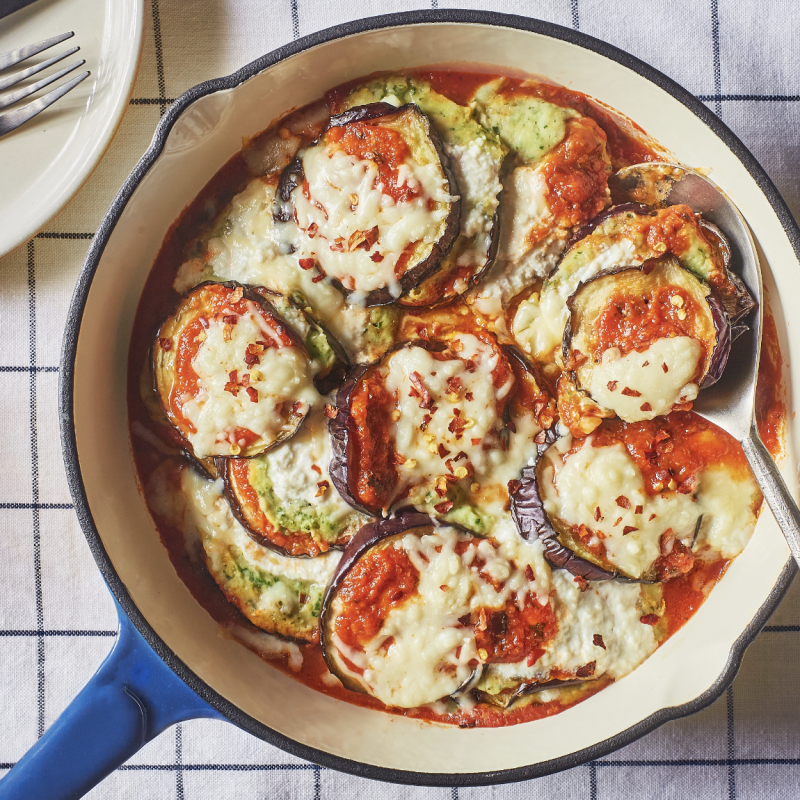
    Layers of tender eggplant, creamy white beans, ricotta and marinara combine to create a flavorful skillet casserole. Serve this hearty casserole directly from the skillet for a fun presentation. Pair with a side salad for a complete meal.

    Print
    Cheesy Roasted Eggplant Skillet Casserole
    Total Time
    1 hr
     
    Servings: 4
    Ingredients
    • 1 large eggplant
    • 1 cup canned white beans, rinsed
    • ¼ cup flat-leaf parsley, fresh
    • 2 tablespoons basil, fresh
    • 2 tablespoons extra-virgin olive oil
    • juice of 1/2 lemon
    • 2 cloves garlic
    • ½ teaspoon salt
    • 1 ½ cups marinara sauce
    • ½ cup ricotta cheese
    • ½ cup shredded mozzarella cheese
    • crushed red pepper for garnish
    Instructions
    1. Preheat oven to 400°F. Line a large rimmed baking sheet with parchment paper.
    2. Slice eggplant crosswise into 1/4-inch slices. Arrange the slices in a single layer on the prepared baking sheet; bake until tender, about 20 minutes.
    3. Meanwhile, add beans, parsley, basil, oil, lemon juice, garlic and salt to a food processor; pulse until smooth, scraping down the sides of the bowl as needed, about 1 minute.
    4. Spread 1/4 cup marinara in a medium ovenproof skillet. Arrange about 4 or 5 eggplant slices, slightly overlapping, in a single layer to cover the sauce. Spoon 1/2 cup marinara over the eggplant and top with 1/2 cup bean mixture and 1/4 cup ricotta, spreading the layers evenly over the eggplant. Repeat with another layer of eggplant, marinara, bean mixture and ricotta. Top with the remaining eggplant slices, marinara and mozzarella. Cover with foil and bake until the sauce is bubbly and the cheese is melted, about 30 minutes. Remove the foil and bake until the cheese is slightly browned, 10 minutes more. Sprinkle with crushed red pepper, if desired.

    You can find more details for this recipe at eatingwell.com: Cheesy Roasted Eggplant Skillet Casserole

    Filed Under: Main Courses, Recipes

    How to Eat Healthy When Your Partner Doesn’t Want To

    September 30, 2022 by Wendy Leave a Comment

    These tips can help you navigate what to do when your eating habits don’t align.

    The people you’re surrounded by can play a significant role in your food choices. This is especially the case with your significant other, because you’re likely sharing lots of meal times together. If your eating habits don’t align, you may end up cooking completely different meals or ordering out from different places. Something meant to be fun, like going out for brunch, can start to become stressful if your partner isn’t open to your new ways of eating. I’ve had many clients who are motivated to eat healthier and have tried everything to get their partners onboard. Oftentimes, this can result in tension or arguments if there isn’t open communication about where the other person is coming from. Here are some strategies that I’ve used in my nutrition practice that may be helpful for navigating this with your partner.

    Being Pushy Usually Doesn’t Work.

    You are your own person, and it’s OK to not want to do the same things as your partner, even if you think it’s good for them. When we get close to someone, it can be really exciting to share activities together, including cooking and going out to eat. We can still do these things while creating and honoring boundaries. There could be a number of reasons your partner doesn’t want to get onboard with how you’re eating. This doesn’t mean that they don’t care about their health or don’t want to support you in making changes. Whether or not you agree with their reasoning, you should respect where they’re at without judgment. In my experience, making lifestyle changes to please someone else is usually short-lived, because the person doing these changes doesn’t have that intrinsic motivation. Making your partner feel bad because they’re not eating vegetables or exercising regularly will likely not result in long-term change.

    Focus on You.

    Making lasting lifestyle changes is hard enough, so instead of putting energy into getting someone else on board, redirect that energy back into yourself. You’ll save yourself a lot of stress and frustration, and you can use this as an opportunity to explore your food needs a little deeper. What foods do you enjoy eating? Which eating patterns help you feel your best? Are there foods considered “healthy” that you actually don’t like? These questions are a great way to explore your unique sweet spot that honors pleasure and nutrition. Instead of focusing on what you (or others) should be eating, you’ll be able to develop a deeper understanding of what makes you feel your best.

    Enjoy Food Differently but Together.

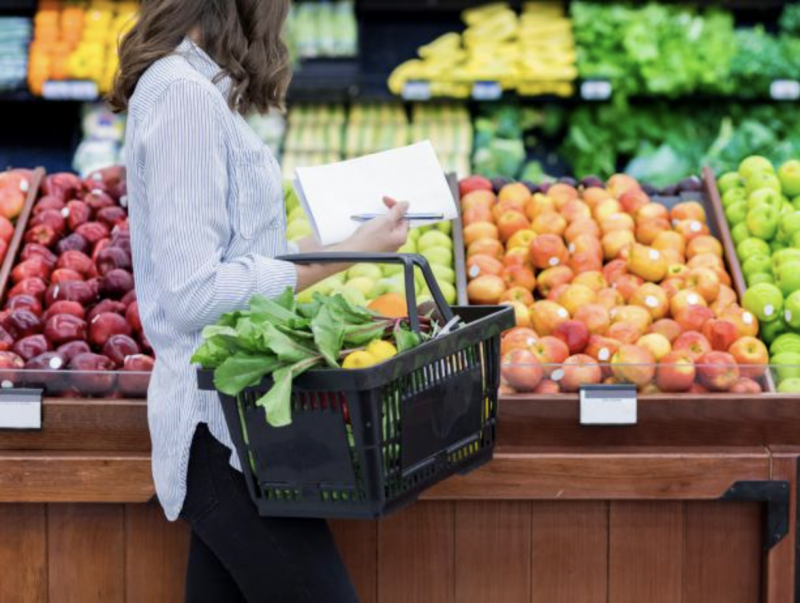
    Eating different meals doesn’t mean you can’t bond over food. You can still go food shopping together, taking into account each of your preferences and dislikes. Cooking can be a great opportunity to spend time together and foster gratitude for the food you’re eating. If this is something you’re both into, you can set aside time each week to cook up a good meal in the kitchen. Similarly, if ordering out is your thing, you can both look up places that offer food options for the both of you.

    Head on over to FOOD NETWORK to read the full article! How to Eat Healthy When Your Partner Doesn’t Want To

    Filed Under: Articles

    10 Most Budget-Friendly Fruits and Vegetables

    September 30, 2022 by Wendy Leave a Comment

    Here’s how to get the most bang for your buck in the produce aisle.

    If you’re looking to up your fruit and vegetable intake and save money while doing it, there are a few things to consider. The first is buying in season, since produce that is grown seasonally (locally is a plus) tends to be cheaper because it doesn’t have to travel as far to get to your plate. Also look at the price per serving vs. the price of the entire food, since some fruits like melons are going to yield way more servings than an apple, for example.

    Now before you go buying a bunch of budget-friendly fruits and vegetables, think about how long this produce is going to last in your kitchen. Are you going to be able to enjoy it before it goes bad? If not, buying frozen is a great option for saving money since produce gets frozen at the peak of freshness and lasts much longer than its fresh counterpart.

    With those considerations in mind, here is a roundup of the cheapest fruits and vegetables!

    Fruits

    Watermelon: Fruits that yield a large amount of servings tend to stretch the dollar and watermelon is the perfect example of that. An incredibly hydrating fruit perfect for the summer months, watermelon goes a long way and ranks as one of the top budget-friendly fruits. Slice one up for your next big gathering or chop, freeze and enjoy in smoothies and cocktails!

    Bananas: Next up are bananas, which can easily be frozen for up to three months. Easily portable if you’re looking for some on-the-go fruit options, bananas have nutrients like potassium, vitamin B6, magnesium and vitamin C.

    Cantaloupe: A juicy summer fruit similar to watermelon, cantaloupe feeds a crowd and provides important nutrients like vitamins A, C and potassium. Eating just one cup provides 100% of your vitamin C daily needs!

    Apples: There are so many varieties of apples and the great thing is that they grow throughout different seasons in the year. Some varieties cost more than others, but overall, they’re a money saving fruit. If you’re struggling with food waste, the good news is apples last up to six weeks in the fridge!

    Pears: Another fruit with a long shelf life, nutrient-dense pears pack fiber and vitamin C. Pears actually rank higher than most fruits when it comes to dietary fiber, with 21% daily value in just one pear.

    Vegetables

    Pulses: Beans, peas, chickpeas and lentils all fall within the pulses family, and are incredibly budget-friendly and nutritious. Eating pulses as part of a healthy diet helps to meet fiber and protein needs, while providing important minerals like calcium, potassium, folate, iron and magnesium.

    Potatoes: An incredibly popular root vegetable, potatoes are packed with nutrition and last several months when stored properly. They are enjoyed as a carbohydrate, which when paired with protein and fibrous vegetables, makes for a balanced and satisfying meal.

    Carrots: Affordable and accessible year round, carrots are packed with vitamin A and antioxidants like anthocyanin and lycopene. It’s the sixth most consumed vegetable in the United States, and goes great in salads, soups, stews, and cake (my favorite).

    Green cabbage: This cruciferous vegetable is packed with vitamin C and K and provides a variety of health benefits. Pickling, roasting or grilling are all great ways to make this veg more exciting!

    Cucumbers: Technically a fruit but enjoyed as a vegetable, cucumbers are incredibly hydrating since they’re mostly made up of water. Usually consumed raw, cucumbers make for a great salad or snack. They can also be quickly stir-fried if you’re looking to switch things up.

    Head on over to FOOD NETWORK to read the full article! 10 Most Budget-Friendly Fruits and Vegetables
     

    Filed Under: Articles

    5 Signs You’ve Gotten a Good Night’s Sleep

    September 30, 2022 by Wendy Leave a Comment

    How to tell when you’ve actually slept well.

    In recent years, issues like narcolepsy and insomnia have become more prevalent. The stress and anxiety of living through a pandemic has likely made things worse for everyone, especially for those who already had sleep issues. Good sleep quality is necessary for healthy functioning and plays an essential role in our physical and mental wellbeing. Research has shown that poor sleep can impact stress, mood and emotional memory as well as performance, cognitive speed and accuracy.

    The research is inconclusive on how much sleep adults need — though the Centers for Disease Control and Prevention (CDC) recommends 7 hours or more for adults. In general, it varies based on a number of factors, and it’s really up to you to assess how rested and alert you feel upon waking and throughout the day. And while you almost certainly know what it feels like when you don’t sleep well, you may not know how to tell when you’re feeling rested. You can look out for these key signs to help you assess whether you’ve gotten a good night’s sleep.

    You wake up alert and ready to start the day.

    If you’re snoozing the alarm 10 times, chances are you may not be getting enough sleep. When you close those eyes for bedtime, the body should be going into complete rest mode so that you wake up with enough energy to function properly. An indicator of sleep quality that works for me is being able to wake up without the use of the alarm while feeling energized and focused.

    Your energy levels are consistent.

    If you notice significant and frequent dips in energy paired with fatigue, this may be an indication that you didn’t get enough rest. It’s totally normal to go for a recovery nap to refuel on energy, however wanting to nap several times a day or struggling to stay awake after taking a midday nap may be a red flag. If you’re unsure about nap duration, it’s recommended to keep naps anywhere from 10 to 30 minutes for optimal energy. You want them to be long enough to provide some rest but not too long where you feel groggy afterwards.

    Your eyes feel rested.

    If you’re struggling with sleep, it’s common to have eye redness and irritation. Assess how your eyes look when you wake up since it can be a great sleep indicator. Limiting device exposure and strong lights can be helpful for getting our eyes ready to rest. I have personally found light-blocking eye masks to be incredibly helpful for easing into sleep.

    You’re able to concentrate.

    If you find that your mind is in a million places and you’re struggling to focus on daily tasks, this may be an indication that you didn’t get enough rest. Poor sleep quality can impact our ability to concentrate, stick to tasks and remember things. This has the ability to limit us in work or school responsibilities, so make sure to pay attention to how you’re feeling as you work on daily tasks.

    You wake up pain-free.

    Unless you have chronic pain or another condition that impacts how you feel physically, your body should feel relaxed and pain-free when waking up (it’s worth noting that these conditions can absolutely impact sleep quality). If you have knots, back pain or headaches, this could be an indication that sleep quality is impacted. If possible, invest in a quality mattress, pillows and sheets for better sleep.

    Head on over to FOOD NETWORK to read the full article! 5 Signs You’ve Gotten a Good Night’s Sleep

    Filed Under: Articles

    What Are the Health Benefits of Sorrel?

    September 29, 2022 by Wendy 2 Comments

    Sorrel, a less common leafy green, can be high in vitamins and minerals that may promote healthy digestion, eyesight and more.

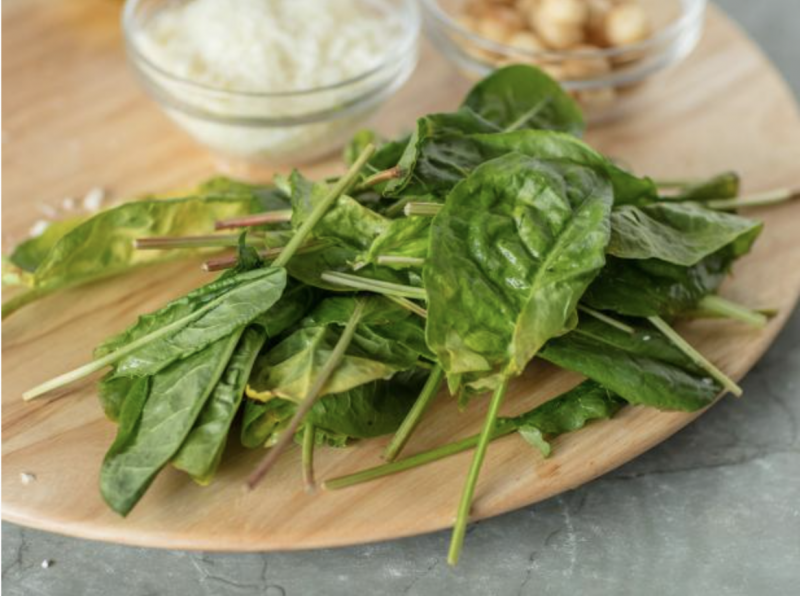
    If you want to expand your selection of leafy greens at the market, sorrel is an often overlooked green. A nutritional powerhouse, sorrel is an herb that looks similar to spinach and may also go by the names common sorrel, garden sorrel or spinach dock. Here’s what to know about the health benefits of sorrel and how to use it in cooking.

    Sorrel Nutrition Facts

    Amounts may vary depending on the variety of sorrel that’s harvested, however, it’s safe to say the leaves are packed with phytonutrients, fiber and a range of vitamins and minerals. 100 grams (about a 1/2 cup) of raw sorrel has a whopping 133% of vitamin A, 80% of vitamin C, 30% of iron, 26% of magnesium and 21% of manganese. Sorrel is high in oxalic acid, which is a compound found in a variety of plant foods. Although not a concern for most people, it’s important to note that if you’ve had a history of kidney stones, talk to your physician or dietitian to see if limiting high oxalate foods is advised.

    How to Use Sorrel in Cooking

    Sorrel can be added to eggs, soups, stews and salads. Depending on the variety, it can have a very sharp, tangy flavor and some people even incorporate it into teas, marinades and salad dressings. You can combine it with other leafy greens to deepen the flavors of your favorite vegetable dishes.

    Health Benefits of Sorrel

    There are many benefits associated with sorrel, however it’s important to note that these benefits are mostly linked to the nutrients that sorrel contains and not the sorrel itself, since this herb has not been studied extensively. With that being said, here are some potential health benefits found in sorrel.

    Improved digestion: Sorrel is a good source of fiber, which helps to promote healthy bowel movements and digestion. It may help to reduce constipation, and can also help in preventing heart disease by reducing cholesterol. Fiber also allows us to feel more satiated during mealtimes, and for people with diabetes, it can help to slow down how quickly food is broken down, which helps to control blood sugar levels. The recommended daily intake of fiber is about 25 grams for women and 36 grams for men, however amounts vary depending on your unique needs. 100 grams of sorrel may contain up to 4 grams of fiber. It also is important to drink plenty of water and to increase your fiber intake gradually in order to give your body time to adjust.

    Maintains healthy vision: You’ve probably heard that carrots are great for the eyes — and so is sorrel! With over 100% of our vitamin A needs in one serving, the vitamin A in sorrel can support eye health, the immune and reproductive system. Vitamin A also helps our heart, lungs, kidneys and other organs work properly.

    Supports a healthy immune system: With around 80% of vitamin C per serving, sorrel can help to support our immunity. Vitamin C is essential for tissue growth and repair, and plays a vital role in maintaining healthy organs.

    Head on over to FOOD NETWORK to read the full article! What Are The Health Benefits of Sorrel?

    Filed Under: Articles

    • « Go to Previous Page
    • Page 1
    • Interim pages omitted …
    • Page 3
    • Page 4
    • Page 5
    • Page 6
    • Page 7
    • Interim pages omitted …
    • Page 96
    • Go to Next Page »

    Primary Sidebar

    Search

    Let’s Connect

    Meet Wendy & Jess

    Registered Dietitians & BFF's. We're probably busy eating right now.

    Subscribe to our Podcast

    food heaven podcast

    Podcast Hookup Codes

    food heaven podcast hookup codes

    Meet Wendy & Jess

    Registered Dietitians & BFF's. We're probably busy eating right now.

    • Diabetes Digital
    • Our Story
    • Recipes
    • Resources
    • Articles
    • Contact
    • Policies
    © Food Heaven Made Easy
    In order to provide you with the best service, our website uses cookies. By continuing to browse the site you are agreeing to our Privacy Policy I consent
    Privacy Policy

    Privacy Overview

    This website uses cookies to improve your experience while you navigate through the website. Out of these cookies, the cookies that are categorized as necessary are stored on your browser as they are essential for the working of basic functionalities of the website. We also use third-party cookies that help us analyze and understand how you use this website. These cookies will be stored in your browser only with your consent. You also have the option to opt-out of these cookies. But opting out of some of these cookies may have an effect on your browsing experience.
    Necessary
    Always Enabled
    Necessary cookies are absolutely essential for the website to function properly. This category only includes cookies that ensures basic functionalities and security features of the website. These cookies do not store any personal information.
    Non-necessary
    Any cookies that may not be particularly necessary for the website to function and is used specifically to collect user personal data via analytics, ads, other embedded contents are termed as non-necessary cookies. It is mandatory to procure user consent prior to running these cookies on your website.
    SAVE & ACCEPT